Haltemprice Priory: An Augustinian Monastery at Newton
Site at a Glance
- Rating
- 5
- Popularity
- Very Low
- Country
- United Kingdom
- Primary era
- Early Modern
- External website
- Open
- Eras represented
- Early Modern
- Civilizations
- English
- Site type
- Domestic
- Remains
- House
On this page6 sections
History
Haltemprice Priory was an Augustinian monastery in the United Kingdom, about two miles south of Cottingham at Newton, a deserted medieval village. Founded in 1320 and relocated soon afterward, it belonged to a religious tradition whose communities followed the Rule of Saint Augustine. The house was governed by a prior rather than an abbot, and its name derives from the medieval form Alta Prisa, itself from the French Haulte Emprise, meaning “High Endeavour.”
Foundation and relocation
In 1320, Pope John XXII licensed Thomas Wake of Liddell to establish an Augustinian monastery at Cottingham by incorporating its existing church. Wake, who had inherited the manor of Cottingham in 1300, may initially have built a priory there with canons from Bourne in the Diocese of Lincoln. Because English statutes could have allowed Wake’s heirs or successors to order the house’s demolition, Pope John XXII authorized its relocation. With the additional approval of Edward II, Wake moved the monastery to Newton.
A foundation charter issued in 1325 granted Haltemprice Priory the manors of Newton, Willerby, and Wolfreton, along with the rents and services owed by their free tenants and serfs. Wake also gave the priory half the tolls from the market and fairs at Cottingham, as well as the advowsons, or rights to nominate parish priests, at Cottingham, Kirk Ella, Wharram Percy, and Belton in the Isle of Axholme.
Influence and financial decline
The priory reached its greatest influence between about 1320 and 1342, when it controlled extensive lands stretching from Willerby to Cottingham, Kirk Ella, and Southwood. Thomas Wake continued to make gifts despite personal, political, financial, and military difficulties, including the capture of his castle at Liddell by King David of Scotland. Further recorded benefactions ended in 1342. Wake died in 1349 and was buried at the priory, where construction was still unfinished.
Between 1342 and 1534, debt, poor administration, and expensive litigation weakened the house and reduced its ability to rely on benefactions. Its financial condition became so poor that it was exempted from royal taxation between 1415 and 1458 because of its “notorious poverty.” In 1411, a report to Antipope John XXIII, a rival claimant to the papacy during the Western Schism, stated that a gale had blown down the bell tower, damaging the church and other buildings. A fire had also destroyed the gateway and nearby offices, leaving the community with inadequate accommodation.
Jurisdiction and dissolution
In 1515, Prior John Wymersley and Edward Mattison, the Sheriff of Hull, disputed legal authority over Willerby and Wolfreton. The Mayor of Hull stopped a resulting battle, and the dispute reached the Court of Star Chamber, a royal court that handled important civil and criminal cases. Three years later, the ruling gave Hull control of the freshwater springs while confirming the priory’s royalties over Willerby and Wolfreton.
During the Dissolution of the Monasteries, Henry VIII’s sixteenth-century suppression and confiscation of England’s monastic houses, commissioners Richard Layton and Thomas Legh visited Haltemprice. On 26 May 1536 they recorded a community made up of a prior, nine canons, and forty servants and boys. The priory was dissolved on 12 August 1536.
The priory site was first scheduled as a protected archaeological and historic monument in 1957. Its associated farmhouse was first listed in 1951 as a Grade II* building, a high level of statutory protection for structures of special architectural or historic interest. It is also included on the Heritage at Risk Register.
Remains
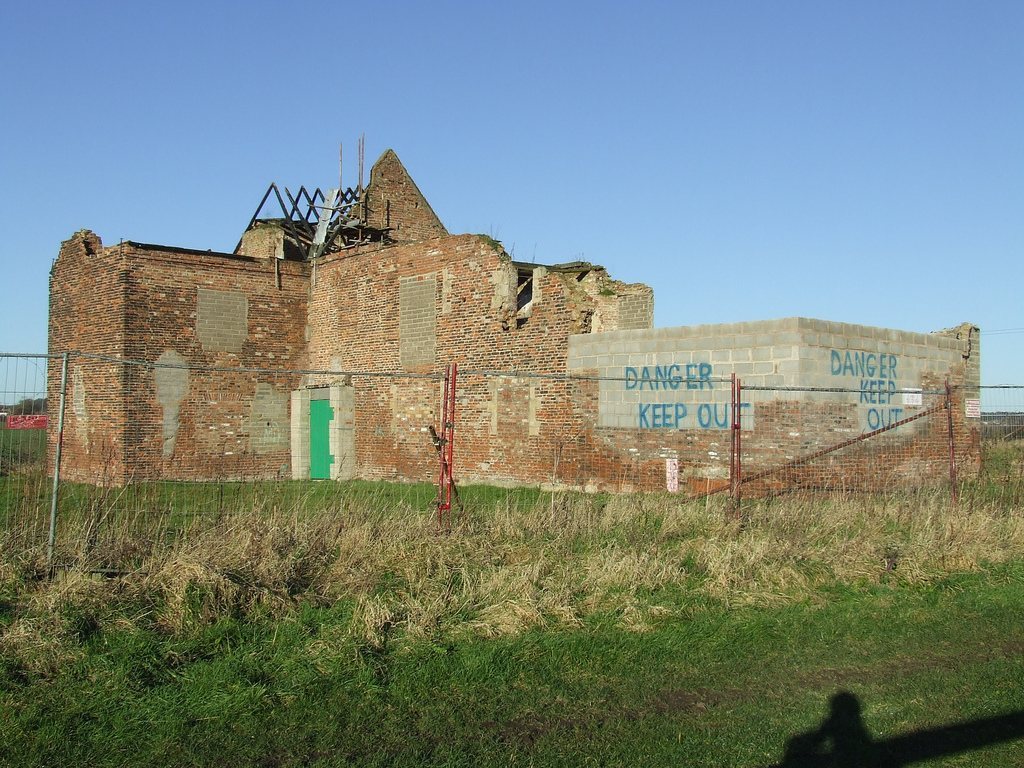
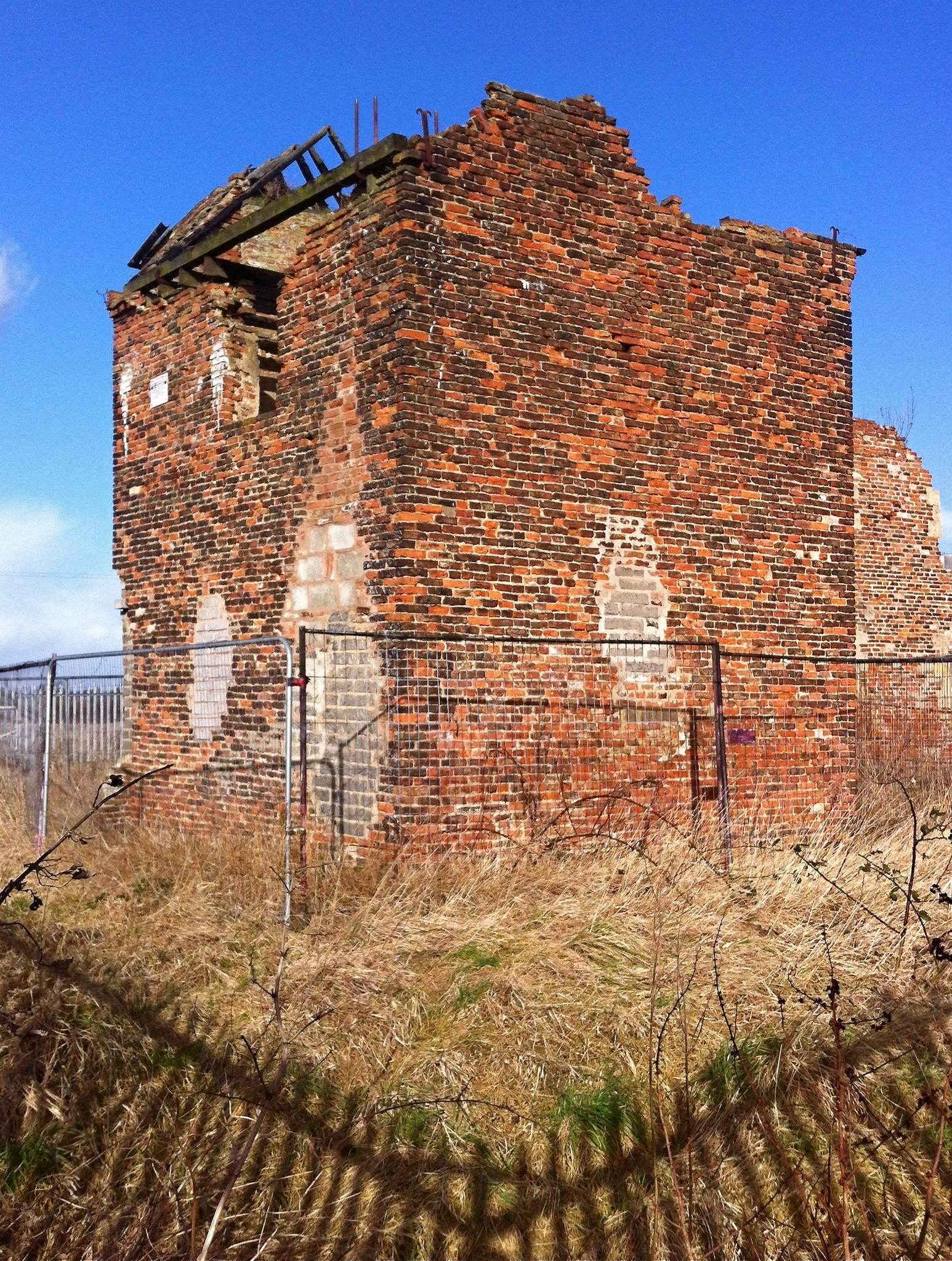
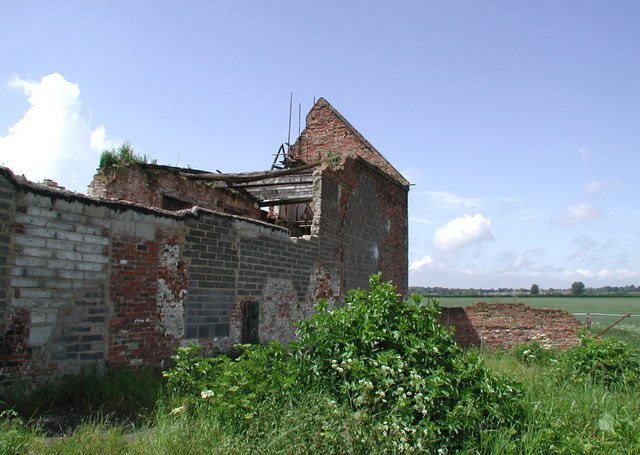
The original monastic buildings have disappeared. The surviving farm complex belongs to the fifteenth and sixteenth centuries and retains stonework from the dissolved priory within a farmhouse built in 1584. Later alterations in the late eighteenth century, subsequent decline, and modern rebuilding have shaped the building that remains on the site.
Farmhouse and farm complex
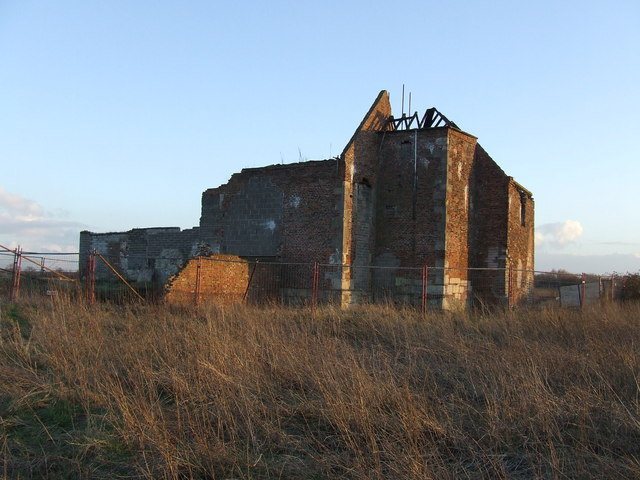
The farmhouse combines original brickwork with stone reused from the priory. It remained occupied until 1988, after which it became derelict and suffered fire damage during the late 1990s and early 2000s. Extensive rebuilding and refurbishment took place in 2021 and 2022, creating a private residence while combining the surviving farmhouse fabric with new installations intended to remain compatible with its historical character.