Castro of Troña: A Fortified Galician Settlement in Spain
Site at a Glance
- Rating
- 4.4
- Popularity
- Low
- Country
- Spain
- Primary era
- Iron Age
- Eras represented
- Iron Age, Classical, Early Modern
- Civilizations
- Unclassified
- Site type
- Military
- Remains
- Fortified Town
On this page11 sections
History
Castro of Troña is a fortified settlement of the Galician castro culture in Spain, occupying the hill of Doce Nome de Xesús in Pías parish, within the municipality of Ponteareas. Its occupation began approximately in the sixth or fifth century BC and continued until the first or second century AD.
Ancient occupation
A castro was a fortified settlement tradition characteristic of northwestern Iberia, especially during the later prehistoric and Roman periods. Castro of Troña developed as part of this tradition and remained in use across several occupation phases, represented by superimposed buildings, floors, and hearths.
The chapel and local traditions
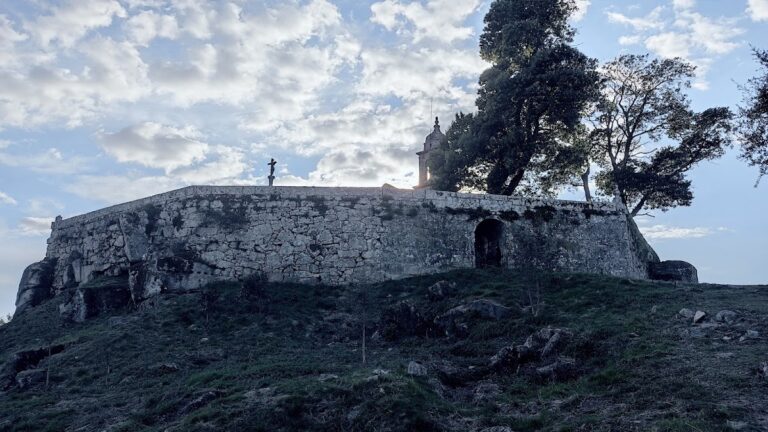
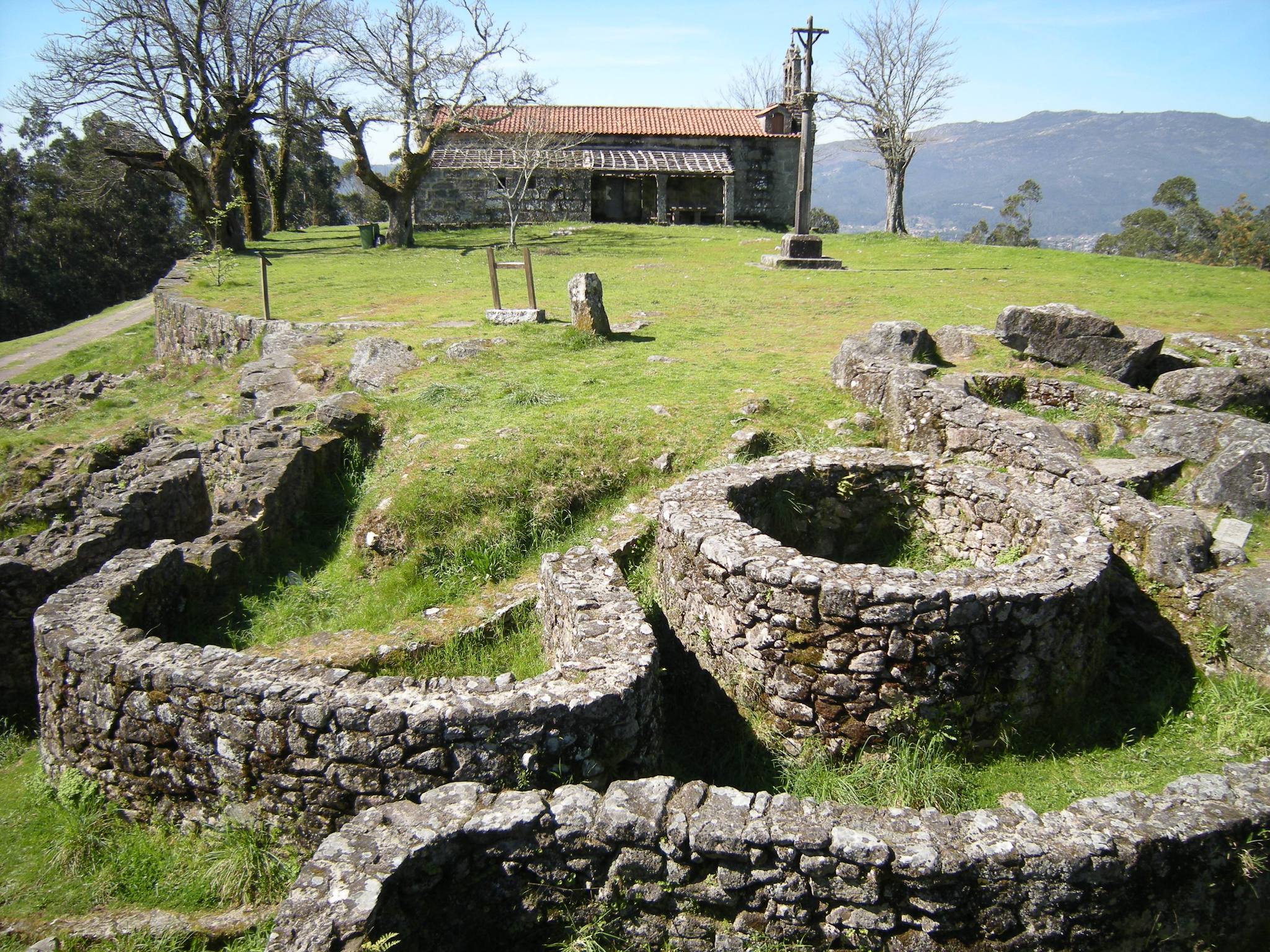
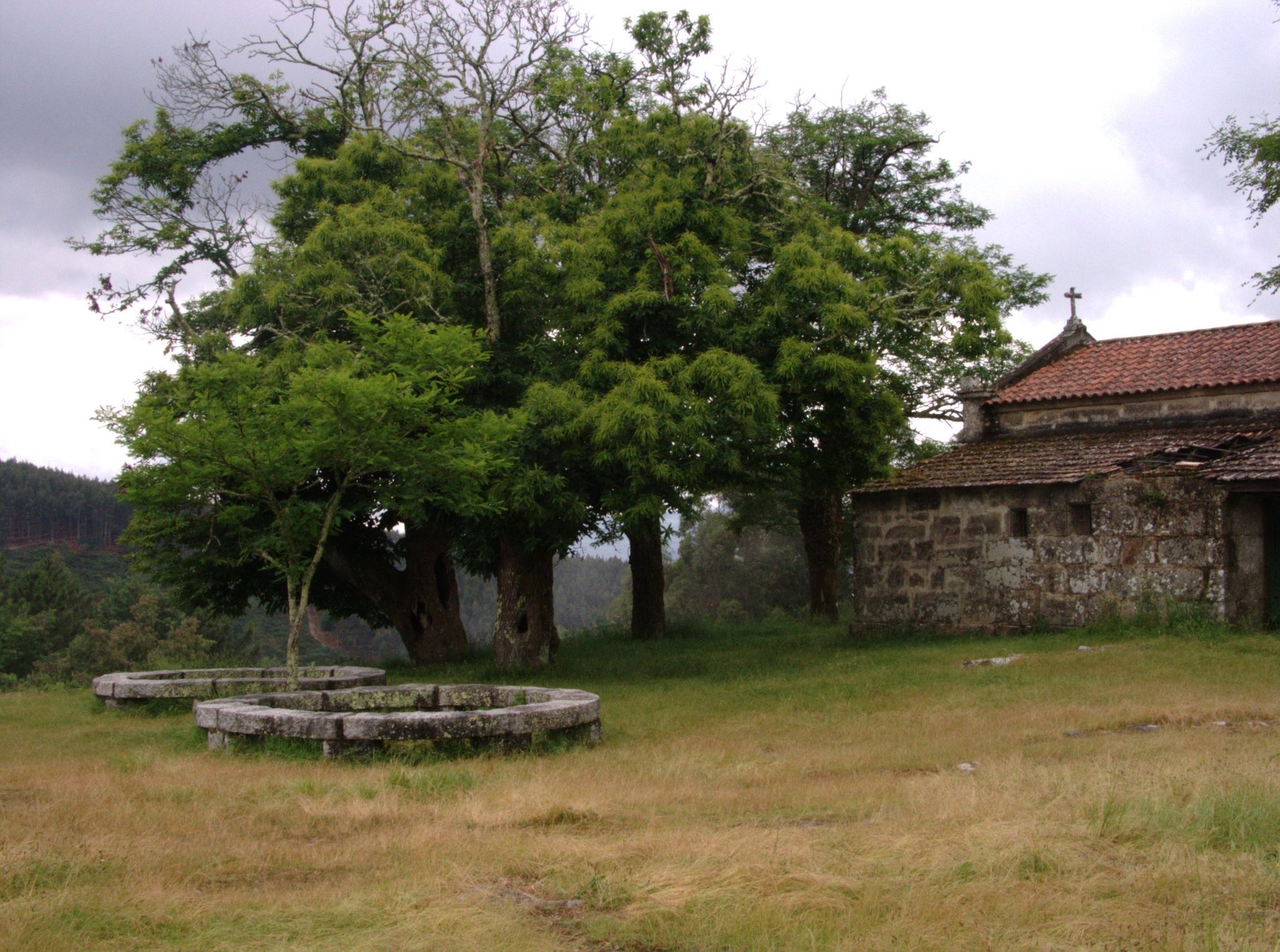
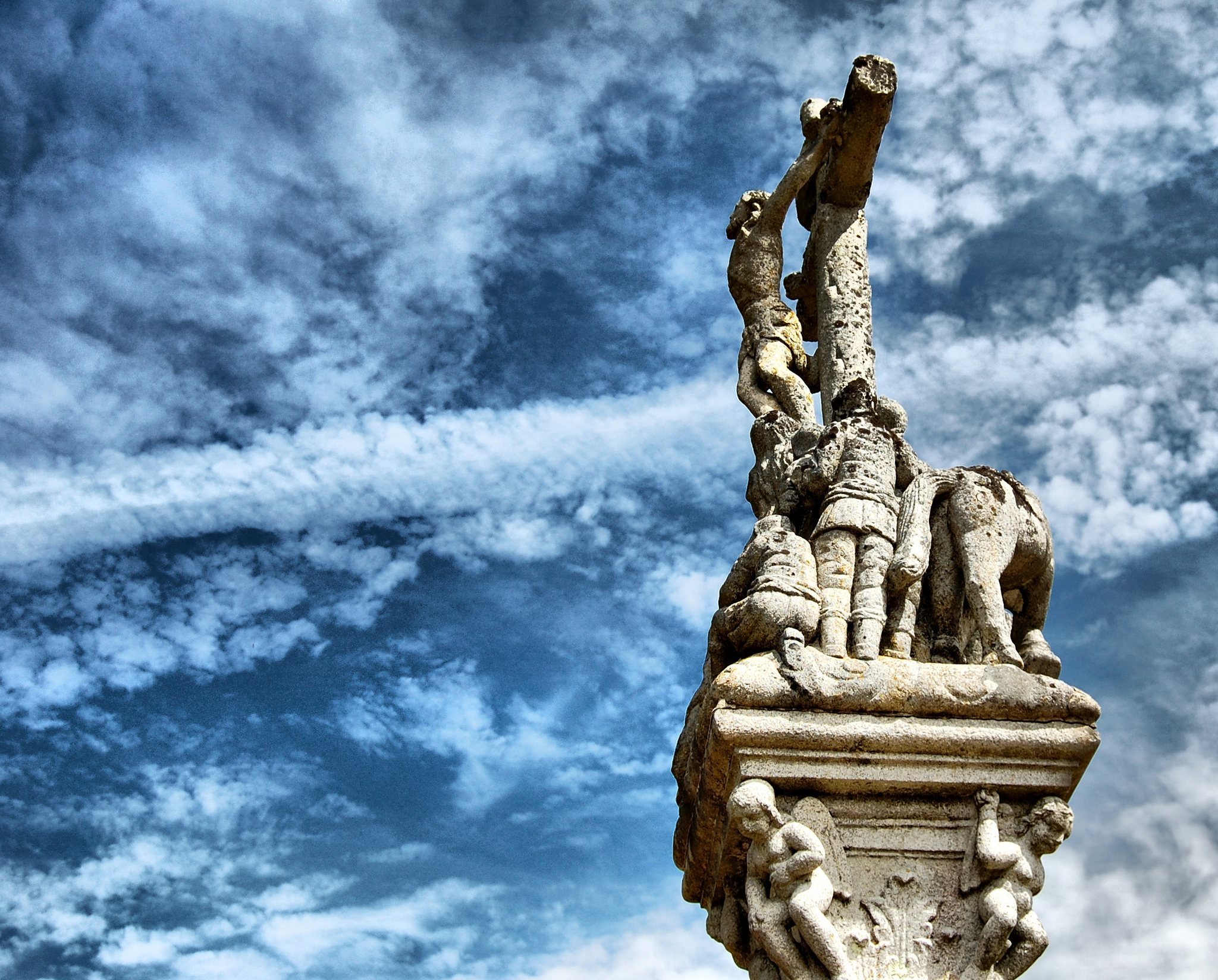
Castro of Troña is a Christianized castro, meaning that a Christian religious building was later established within the earlier fortified settlement. The Chapel of the Sweet Name of Jesus was built on the summit in the eighteenth century.
Local tradition connects one of the site’s serpent-like rock carvings with a story about a huge serpent that demanded livestock from nearby villagers. The villagers were said to have killed it and buried it beside the chapel, placing a stone cross over the grave. Another legend describes an underground cemetery of “Moors” beneath the chapel and a buried route extending toward the Tea River at Portavilares.
Excavation and protection
The first reports of the settlement appeared in the early twentieth century, after a road was built toward the hill and work was carried out on its summit. Systematic excavation began in 1927 under Luis Pericot, a Spanish archaeologist, and Florentino López Cuevillas, a leading Galician researcher of prehistoric castro culture. Their work continued until 1930.
Archaeological activity resumed in 1981 under José Manuel Hidalgo Cuñarro after more than fifty years of abandonment. Excavation continued until 1987, while clearing, exposure, consolidation, and cataloguing continued until 1992. This work identified additional structures, sections of the defensive wall, a tower, and occupation layers from different periods. The settlement was declared a Historic-Artistic Monument in April 1949 and received Asset of Cultural Interest status in the monument category in 2009. In Spain, an Asset of Cultural Interest is a formal heritage-protection status for places and monuments with historical or cultural value.
Remains
The settlement occupies the summit and western slope of Doce Nome de Xesús at approximately 230 metres above sea level. Its oval or elliptical enclosure measures about 120 metres from north to south and 200 metres from east to west. Broad terraces extend across the western slope, while a large excavated ditch lies on the eastern side. Substantial defensive walls formed part of the enclosure.
Settlement layout and buildings
Houses and circulation areas
About 30 structures have been identified, including circular, square, elliptical, and rectangular buildings. Excavations in 1985 exposed 30 houses, one of which retained white plaster on the inside of its wall. The arrangement indicates a degree of planning, with paved or slab-covered areas, channels for draining water, and dwellings equipped with vestibules.
Defensive works and occupation layers
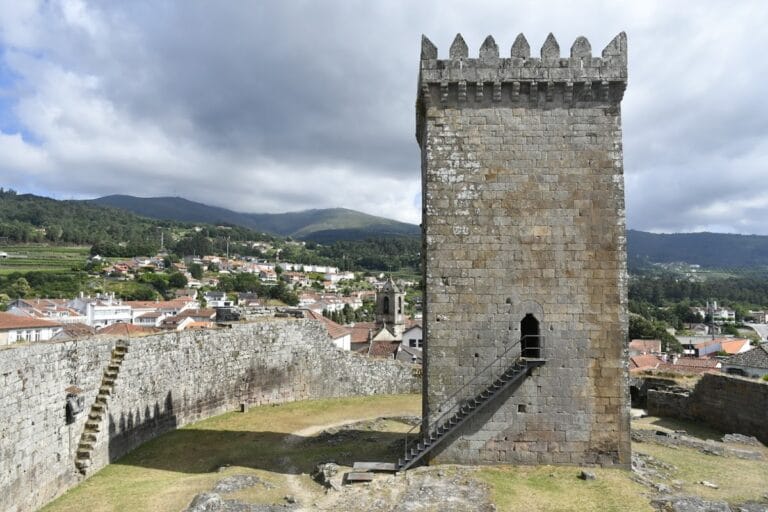
The defensive system includes the enclosing walls, the eastern ditch, and a tower identified during the later archaeological work. Beneath and around the visible structures, superimposed stone buildings, floors, and hearths preserve evidence of occupation during different periods.
Finds and rock carvings
Archaeological materials
Excavated materials include indigenous and Roman pottery, mills, coins, fibulae, an iron axe, and other tools. Tools recovered from the settlement are preserved in the Archaeological Museum of Vigo and the Municipal Museum of Ponteareas.
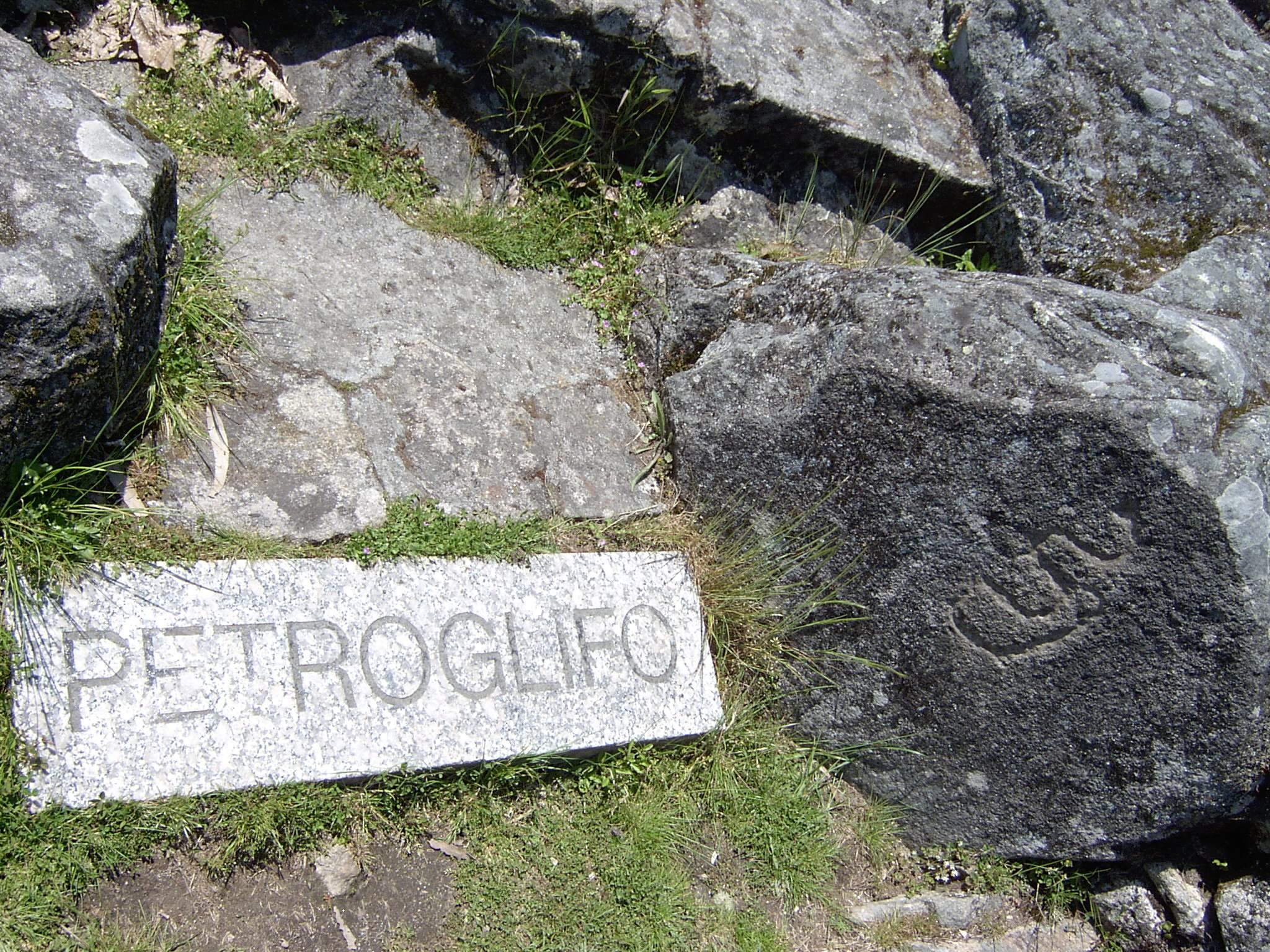
Serpent-like petroglyphs
Two petroglyphs, images carved into rock surfaces, depict serpent-like forms. One remains in situ in the upper part of the settlement. The other was originally located in a house near the path ascending to the site and was later moved to the former Museum of Pías.