Lutheran Church in Laslea, Sibiu: A Fortified Village Church in Romania
Site at a Glance
- Rating
- 4.5
- Popularity
- Very Low
- Country
- Romania
- Primary era
- Modern
- Eras represented
- Medieval, Modern
- Civilizations
- Austrian Empire, Habsburg, Hungarian
- Site type
- Religious
- Remains
- Fortified Church
On this page6 sections
History
Medieval Laslea and the first church
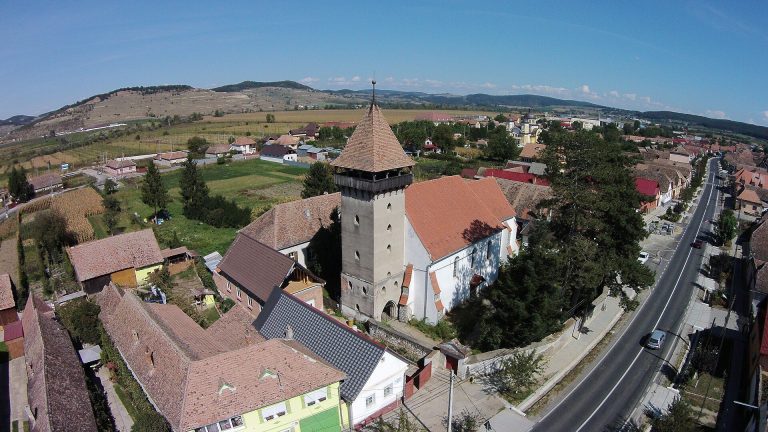
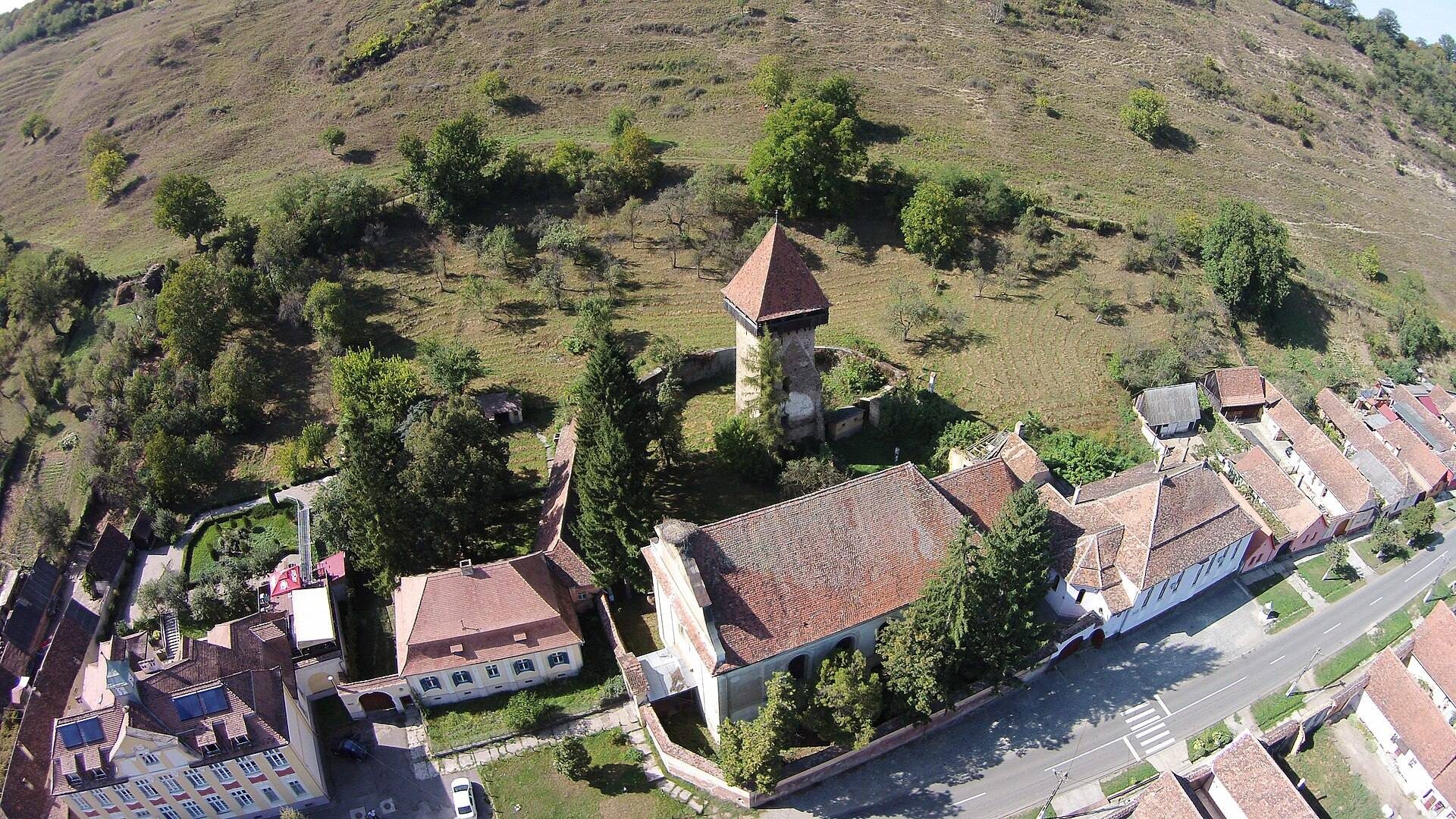
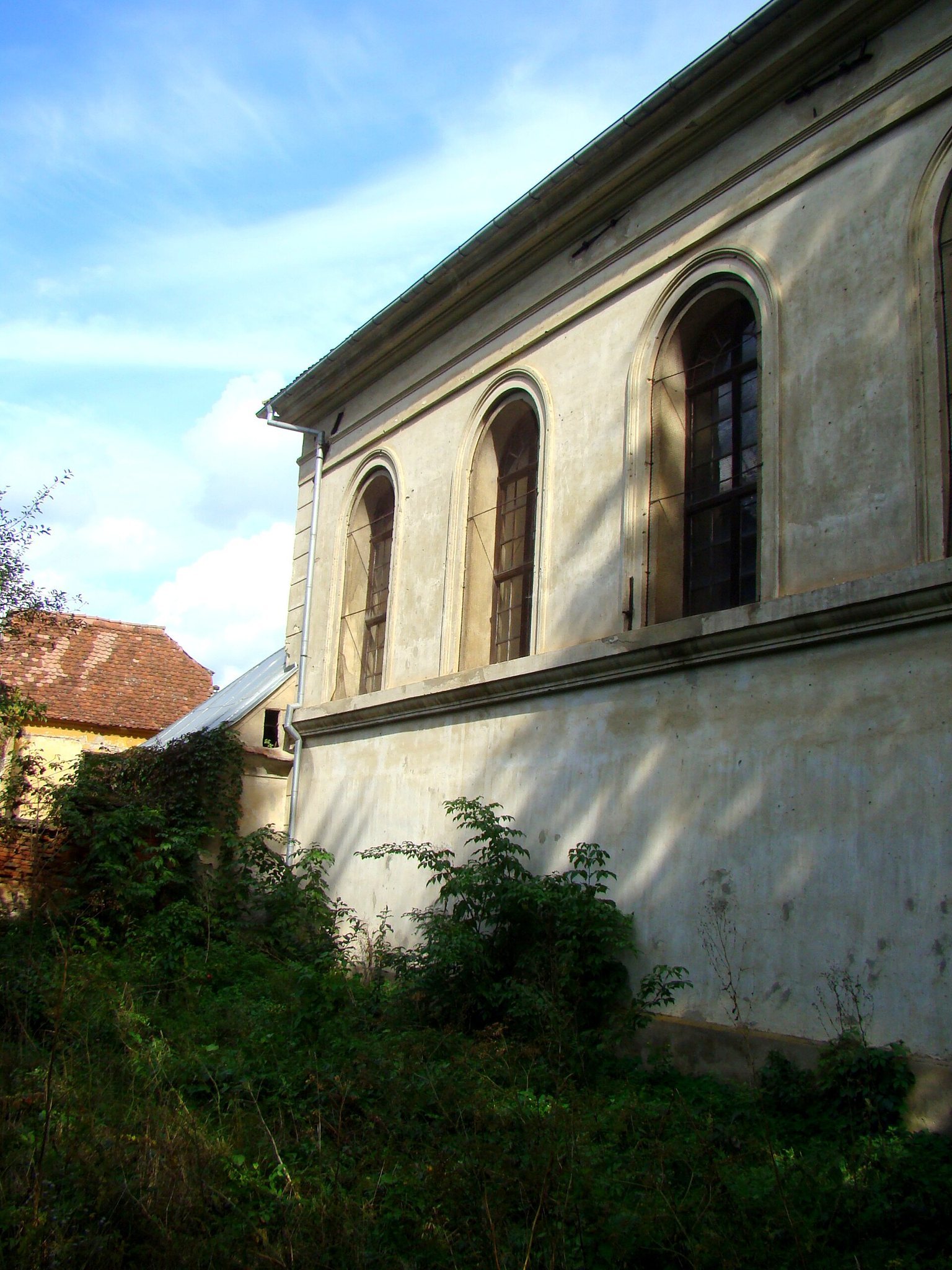
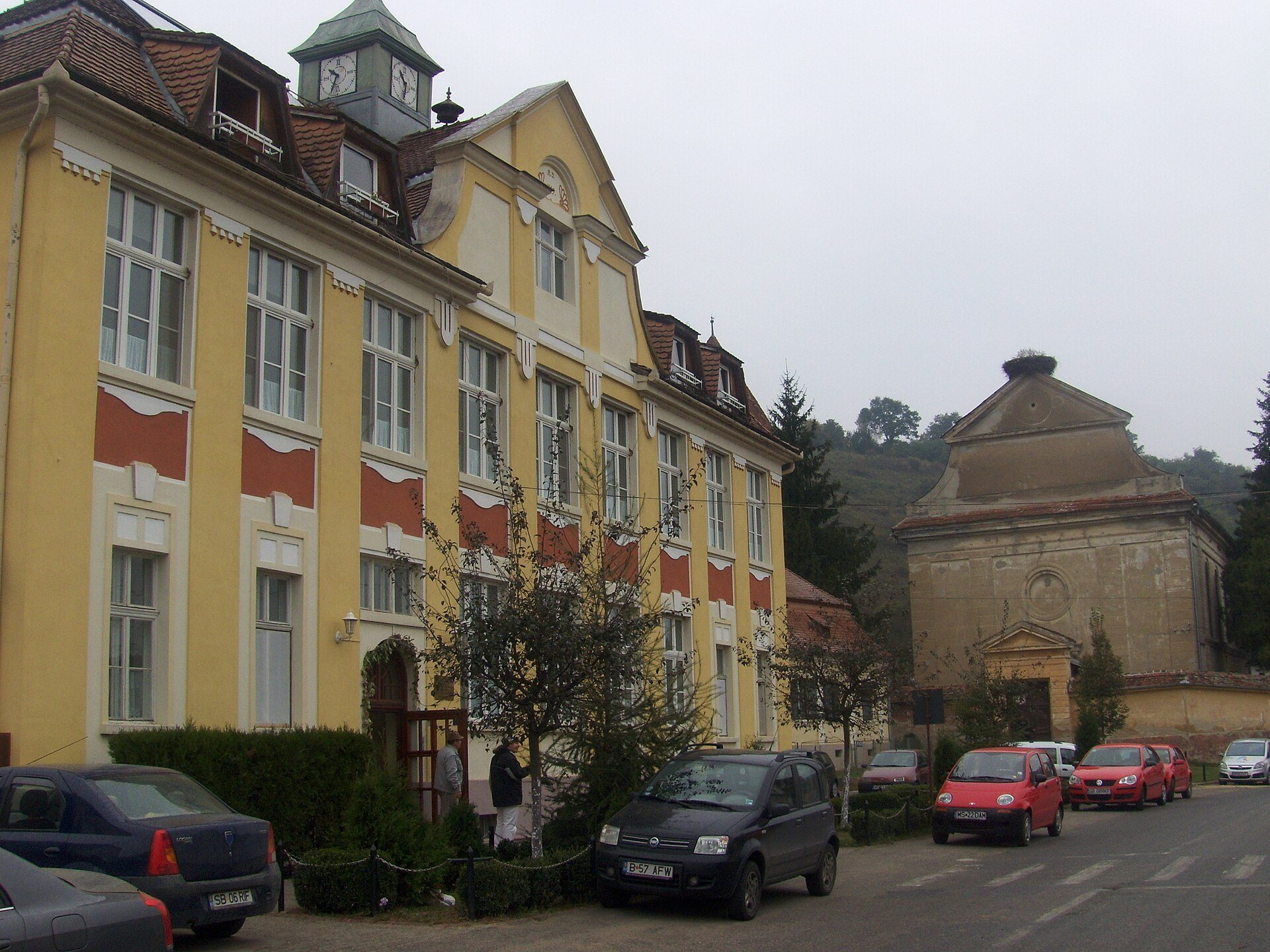
The Lutheran church in Laslea is a historic fortified church ensemble in Romania, in Sibiu County, whose surviving bell tower belongs to a medieval basilica. Laslea, formerly called Laslea Mare, was first mentioned in 1317. It initially formed part of five villages claimed by the abbot of Mănăștur, but shortly after the middle of the fourteenth century it became a free village within the Sighișoara Seat, a historical administrative and judicial territory associated with Transylvanian Saxon communities.
At the end of the thirteenth century, a three-aisled basilica dedicated to Saint Ladislaus was built on the site. Saint Ladislaus was a medieval king of Hungary who was later venerated as a Christian saint. The church had a tower on its western side.
The nineteenth-century church
The medieval basilica was demolished in 1840, while its bell tower was retained. Construction of the present church began in 1842. Its stalls, balconies, altar, baptismal font, and pulpit were made between 1844 and 1845, completing the principal furnishings of the new building.
Remains
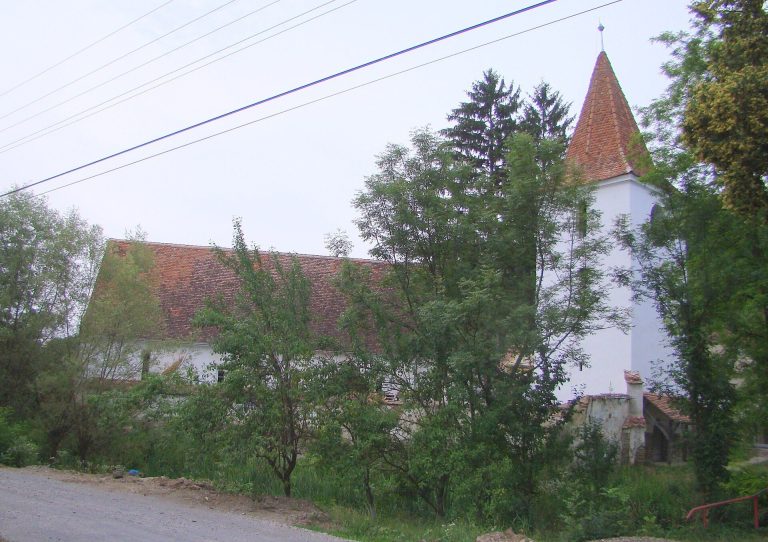
The present church stands within a low enclosure wall. The earlier defensive works survive only in the bell tower, where a wall-walk, a defensive walkway along the tower wall, and loopholes, narrow openings used for defense, remain.
Bell tower and former fortifications
The bell tower is the sole surviving part of the medieval basilica after the 1840 demolition. Its wall-walk and loopholes preserve the remaining physical evidence of the site’s former fortifications and distinguish the tower from the nineteenth-century church surrounding it.
Present church and furnishings
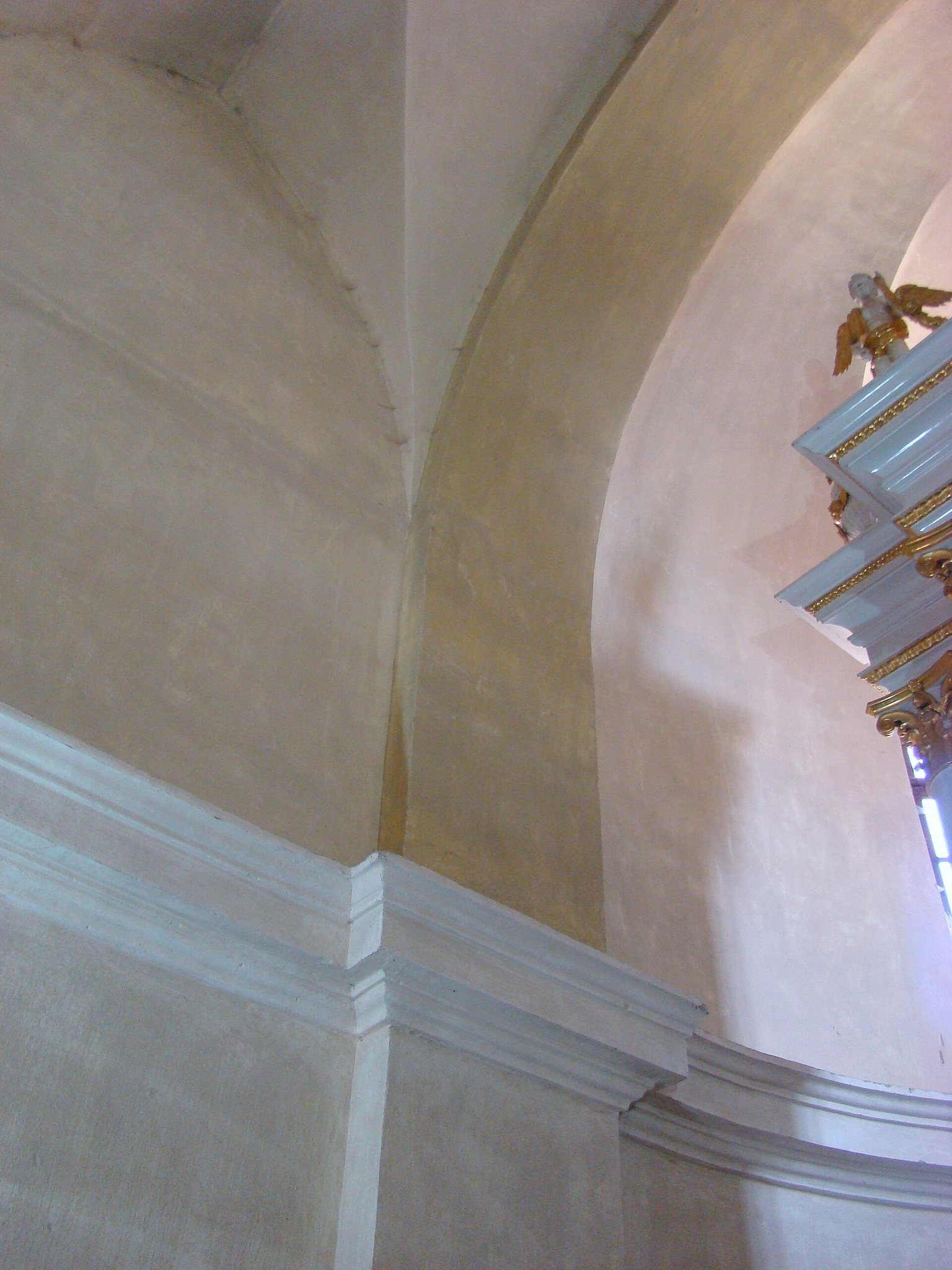
The current church dates from the construction campaign begun in 1842. Its surviving interior furnishings include stalls, balconies, an altar, a baptismal font, and a pulpit made in 1844 and 1845.