Palác Pachtů z Rájova (Anenské náměstí): A Rococo Palace in Prague
Site at a Glance
- Rating
- 4.6
- Popularity
- Medium
- Country
- Czechia
- Primary era
- Early Modern
- External website
- Open
- Eras represented
- Early Modern, Modern
- Civilizations
- Austrian Empire, Habsburg, Holy Roman Empire, Kingdom of Bohemia
- Site type
- Domestic
- Remains
- Palace
On this page10 sections
History
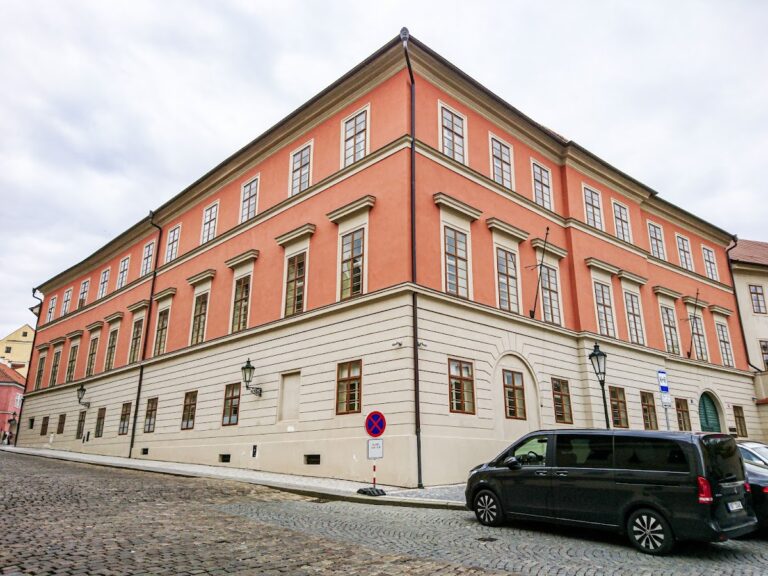
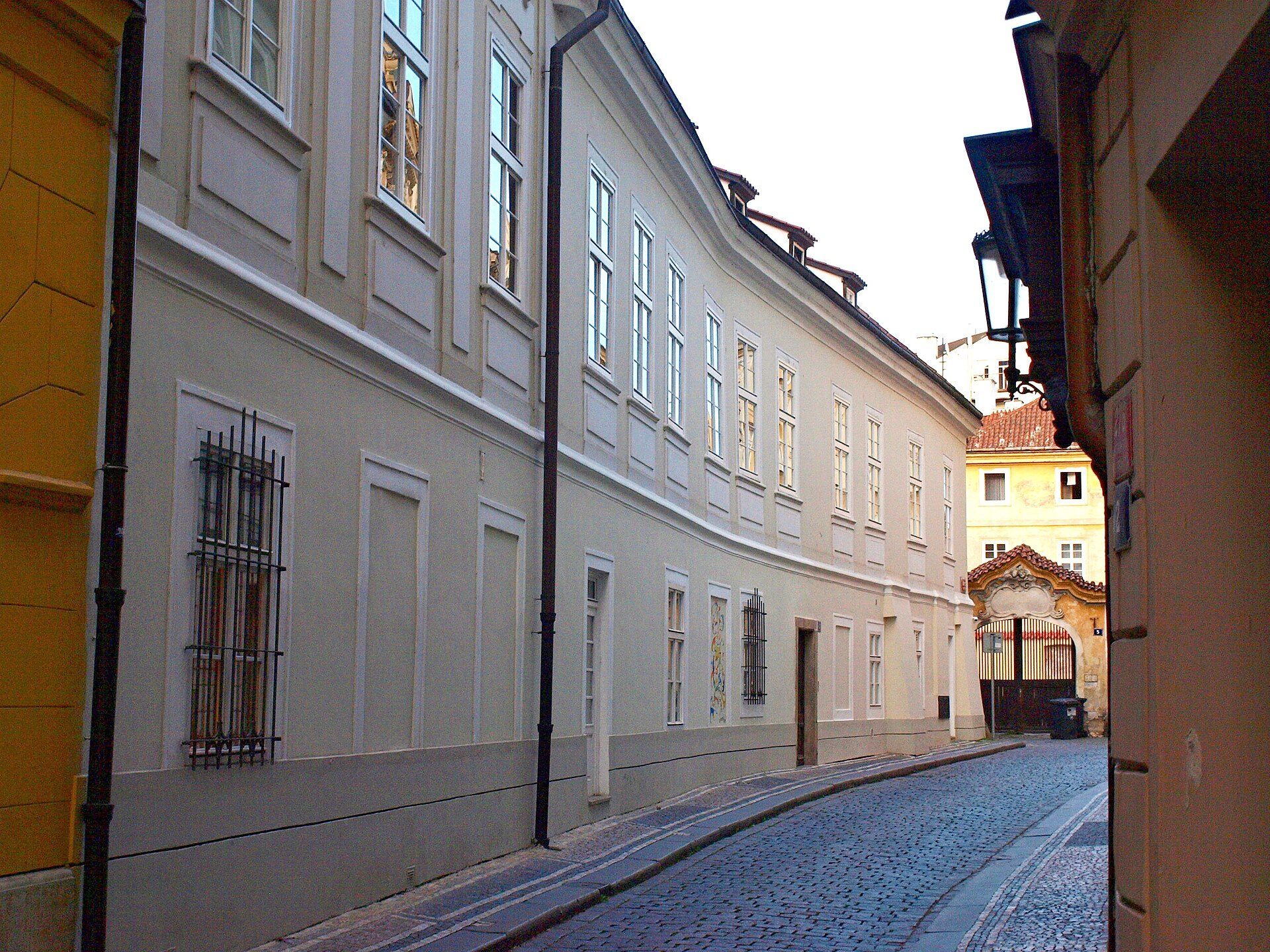
Palác Pachtů z Rájova (Anenské náměstí) is a Rococo palace in Prague, Czechia, built in the eighteenth century on the site of five medieval houses. Daniel Norbert Pachta of Rájov gradually acquired the houses after 1647, while Hubert Karel Pachta of Rájov united them into one complex in 1770. The palace’s construction is dated to 1755 and is attributed to Jan Josef Wirch, although older sources also named Josef Jäger as its designer.
The Pachta family and the palace complex
The palace became closely associated with Count Jan Josef Pachta of Rájov, a music enthusiast and patron. He maintained his own musical ensemble and hosted musical gatherings and concerts at the residence. Among the guests were Josef Mysliveček, a Czech-born composer active across eighteenth-century Europe, and Wolfgang Amadeus Mozart, the Austrian composer whose visits to Prague form the palace’s best-known musical association.
On one occasion, Pachta symbolically confined Mozart to a room for several hours because the composer had repeatedly promised to write dances for him. Supplied with ink and paper, Mozart composed six German dances, K. 509, and secured his release. Mozart also frequently stayed in his preferred room during his more or less regular visits to Prague. Ludwig van Beethoven and Richard Wagner later stayed at the palace as well.
Modern preservation and use
At the beginning of the twentieth century, the palace’s poor condition brought it close to demolition. The Club for Old Prague helped preserve the building. The complex comprises buildings numbered 208 and 252 and is protected as a cultural monument of the Czech Republic. It remains privately owned and, together with the adjoining New Pachtov Palace, functions as a hotel.
Remains
Palace structure and courtyard
Four-winged palace
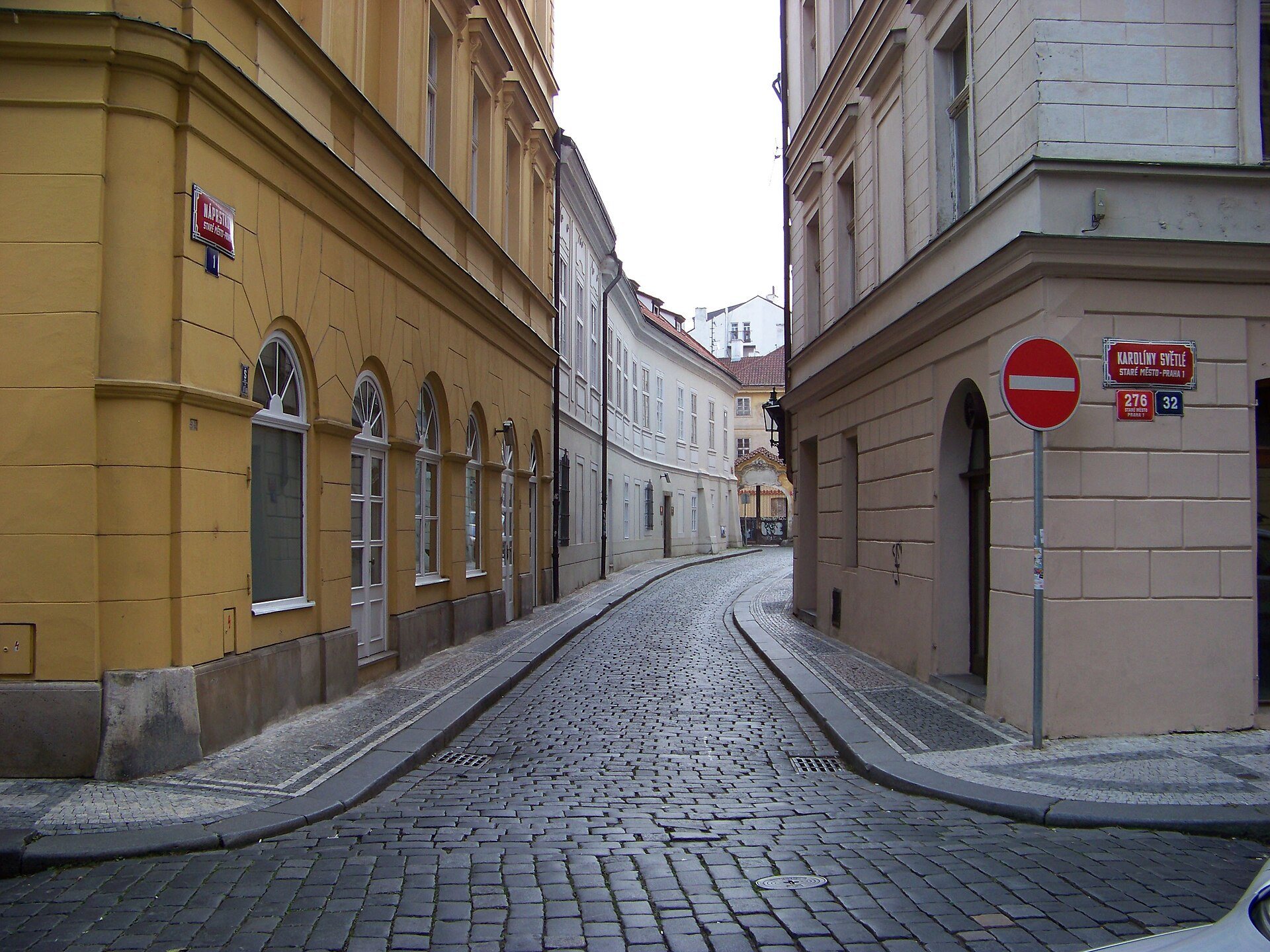
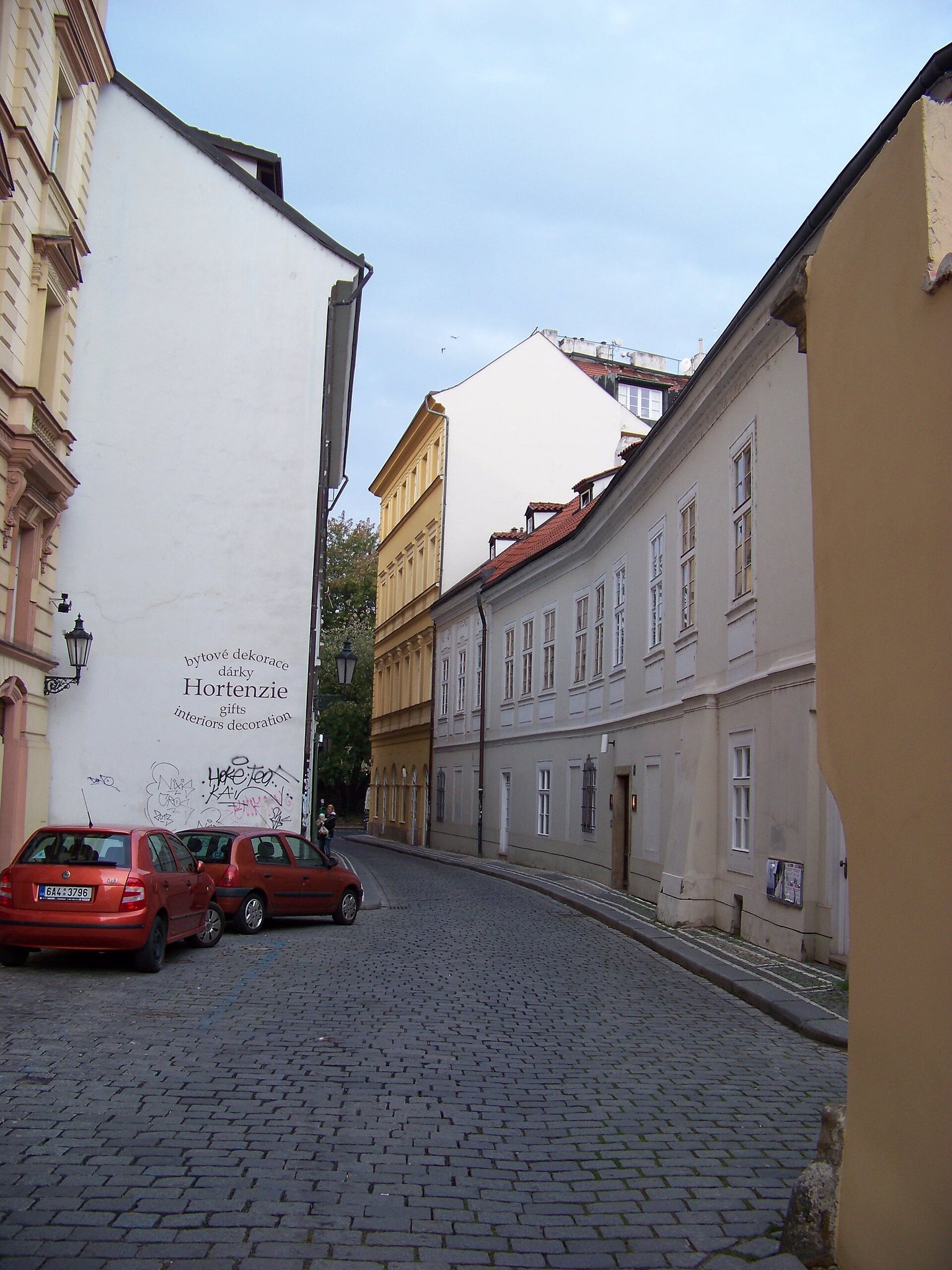
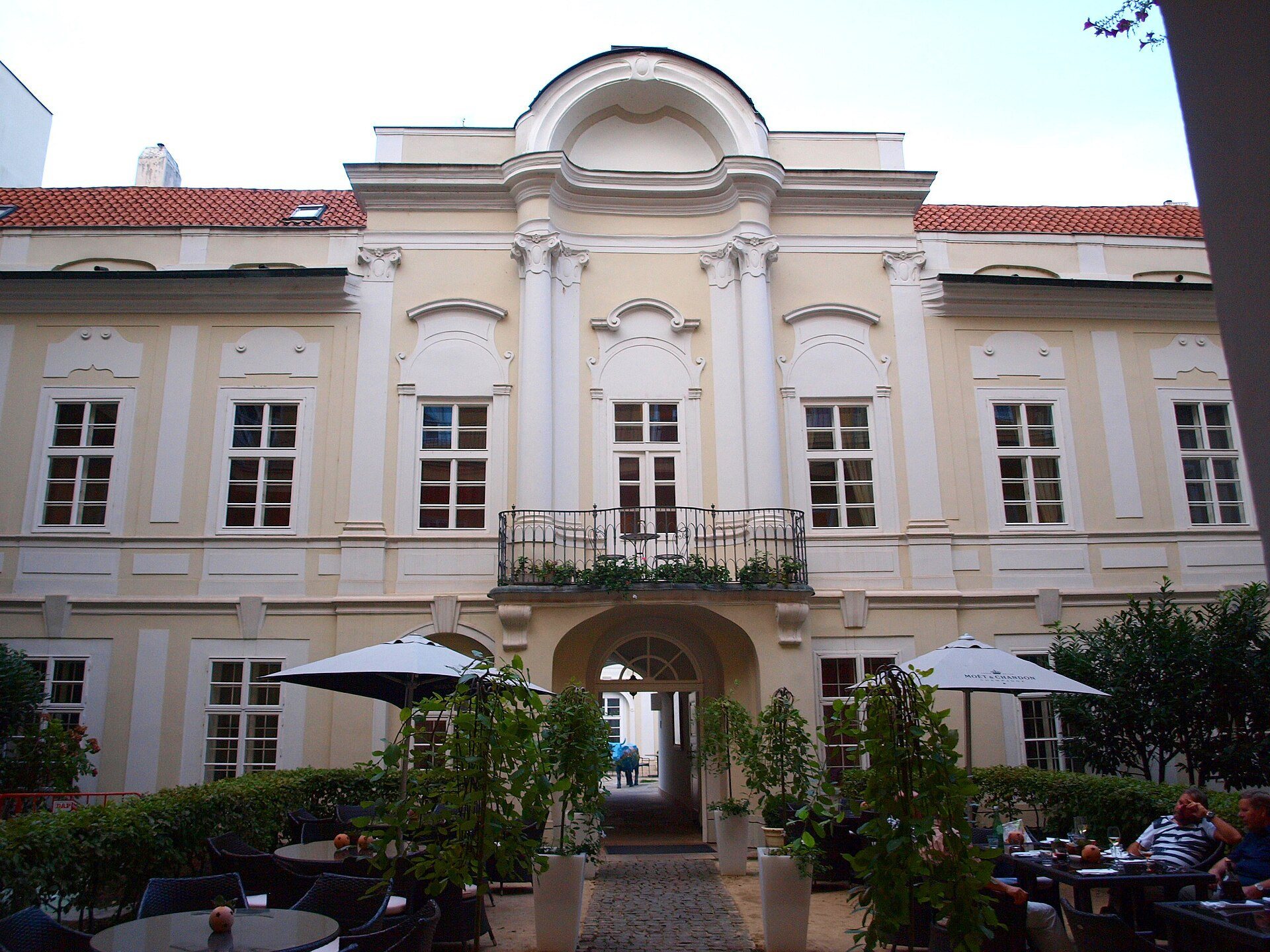
The palace is a four-winged, one-storey masonry building arranged around a courtyard. Its Rococo design reflects an eighteenth-century style known for lightness, asymmetry, and refined ornamental detail. The complex extends across the area associated with Anenské náměstí, Stříbrná, Náprstkova, Na zábradlí, and Karoliny Světlé streets.
Courtyard and entrance features
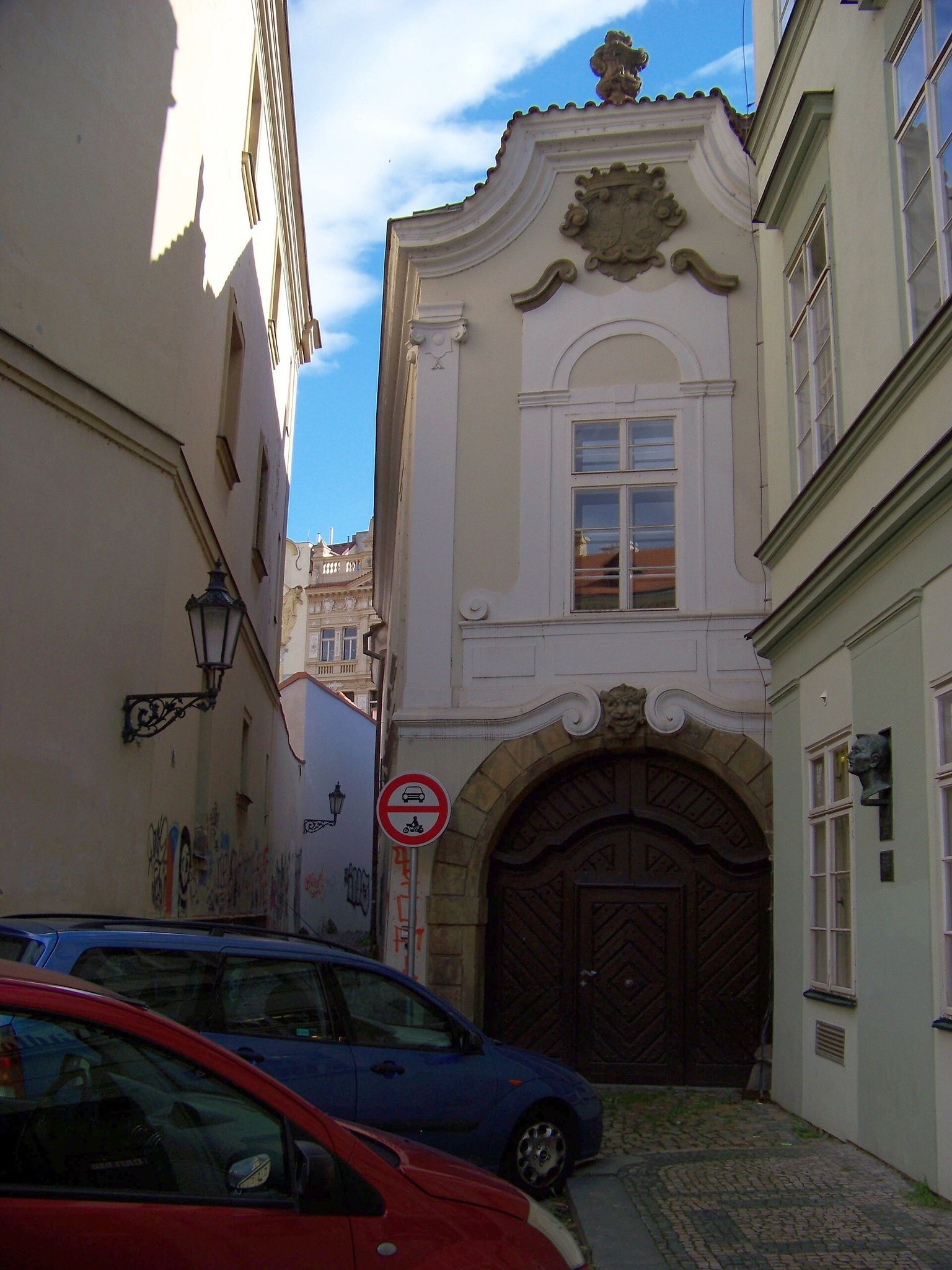
The courtyard received more elaborate treatment than the comparatively plain street facades. Its articulated elevations include a columned portico, access to a balcony, and sculptural decoration attributed to Ignác Platzer, an eighteenth-century sculptor. Coats of arms of the Pachta family stand above the entrance portal from Anenské náměstí, while a small fountain with a lion mascaron occupies the western courtyard wall. A passage beneath the balcony leads to a monumental double-flight staircase.
Garden and New Pachtov Palace
Former palace garden
The original palace garden extended from the residence toward the Vltava. In 1836, the garden was built over by the New Pachtov Palace, designed by Jan Maxmilián Heger.
New Pachtov Palace
The lower floor of the new palace formerly housed the Slavonic Café, a meeting place for Czech patriots. Parts of the older palace are concealed by adjoining buildings, including the building occupied by the Na zábradlí Theatre since 1958 and a neoclassical annex.