Velké Opatovice Castle: A Baroque Chateau Complex in Czechia
Site at a Glance
- Rating
- 4.2
- Popularity
- Very Low
- Country
- Czechia
- Primary era
- Early Modern
- External website
- Open
- Eras represented
- Early Modern, Modern
- Civilizations
- Austria-Hungary, Habsburg, Holy Roman Empire, Margraviate of Moravia
- Site type
- Domestic
- Remains
- Elite Residence
On this page8 sections
History
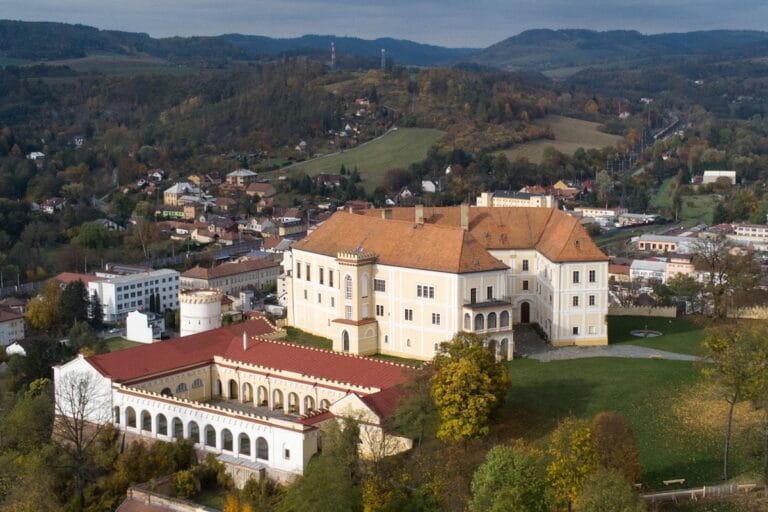
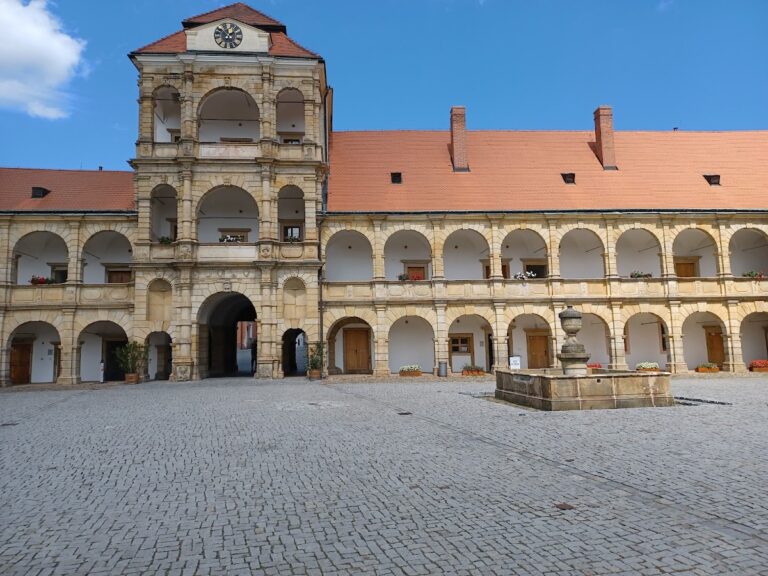
Velké Opatovice Castle is a chateau complex in Czechia, near the Church of Saint George, whose present form developed from a late-Baroque rebuilding in the eighteenth century. It occupies the site of an earlier small fortress and combines Baroque architecture with later Neo-Baroque elements.
From Fortress to Baroque Chateau
In 1699, Jiří Markvart of Vězník commissioned a modest Baroque chateau on the site of the former fortress. The building contained five residential rooms. The surrounding land was drained and laid out as a chateau park, extending the estate beyond the main residence.
In 1757, Count Karel Otto of Salm-Neuburg ordered a new late-Baroque building to replace the earlier chateau. The rebuilding also removed the earlier structure known as the Upper Fortress. This eighteenth-century phase established the principal historical character of the complex.
Nineteenth- and Early Twentieth-Century Changes
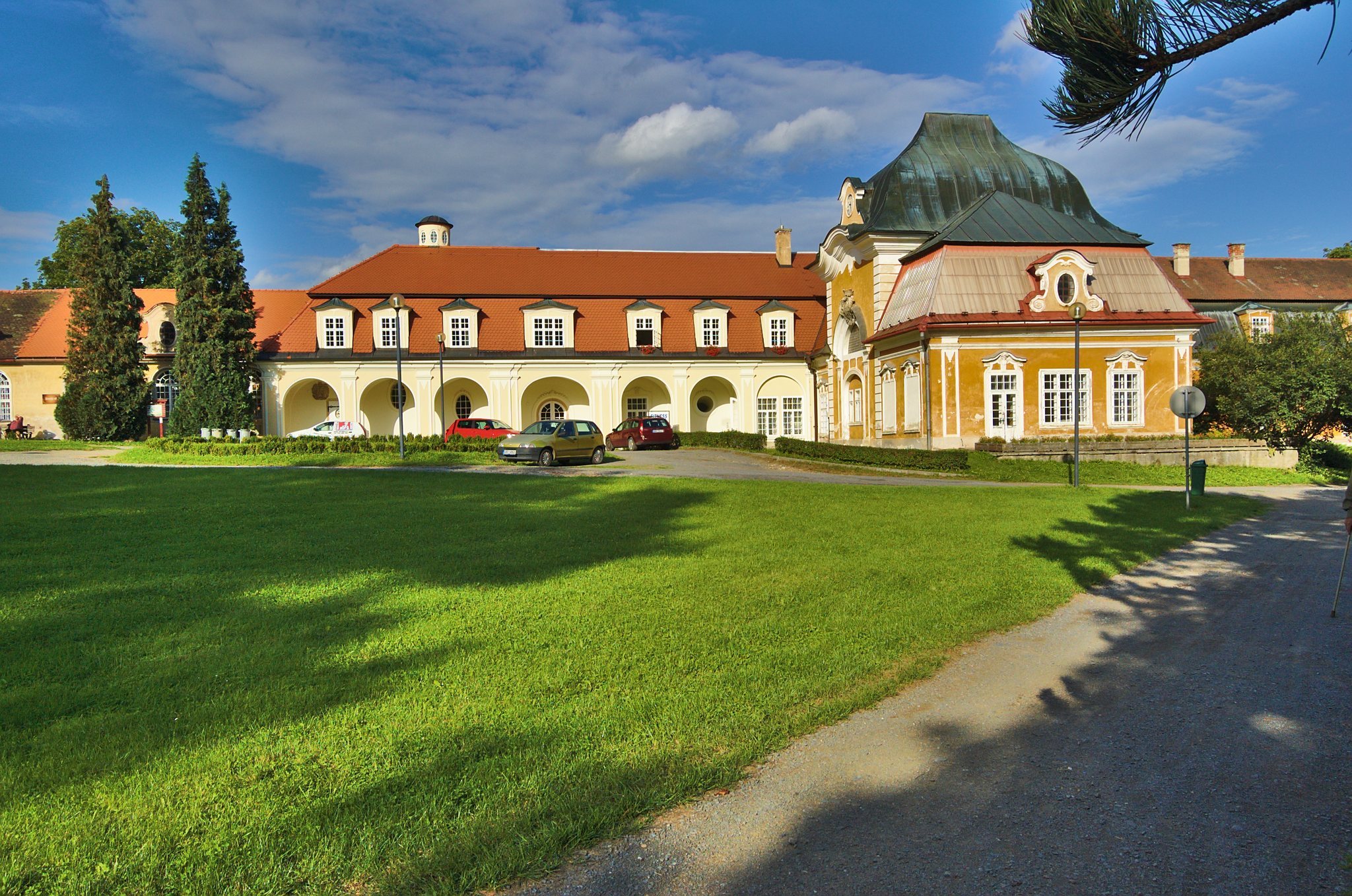
The chateau was altered during the mid-nineteenth century and underwent further work from 1908 to 1911 and from 1914 to 1917. The original roofs were replaced with mansard roofs, whose two slopes created usable attic rooms. A garden loggia was added, and a new gatehouse, or porter’s lodge, was built at the entrance.
During the First World War, the chateau served as a hospital. In 1924, the educational association Free Peasant Education purchased the property for an institution for young people. Its principal course was planned to last at least five months, and the chateau provided boarding facilities for the students.
Municipal Use and Reconstruction
From 1934, the municipality owned the chateau and installed its office and a local school in the complex. A sports hall was later added for the school. In 1973, a fire destroyed the southern part, including the school and a sala terrena, a ground-level garden room or pavilion.
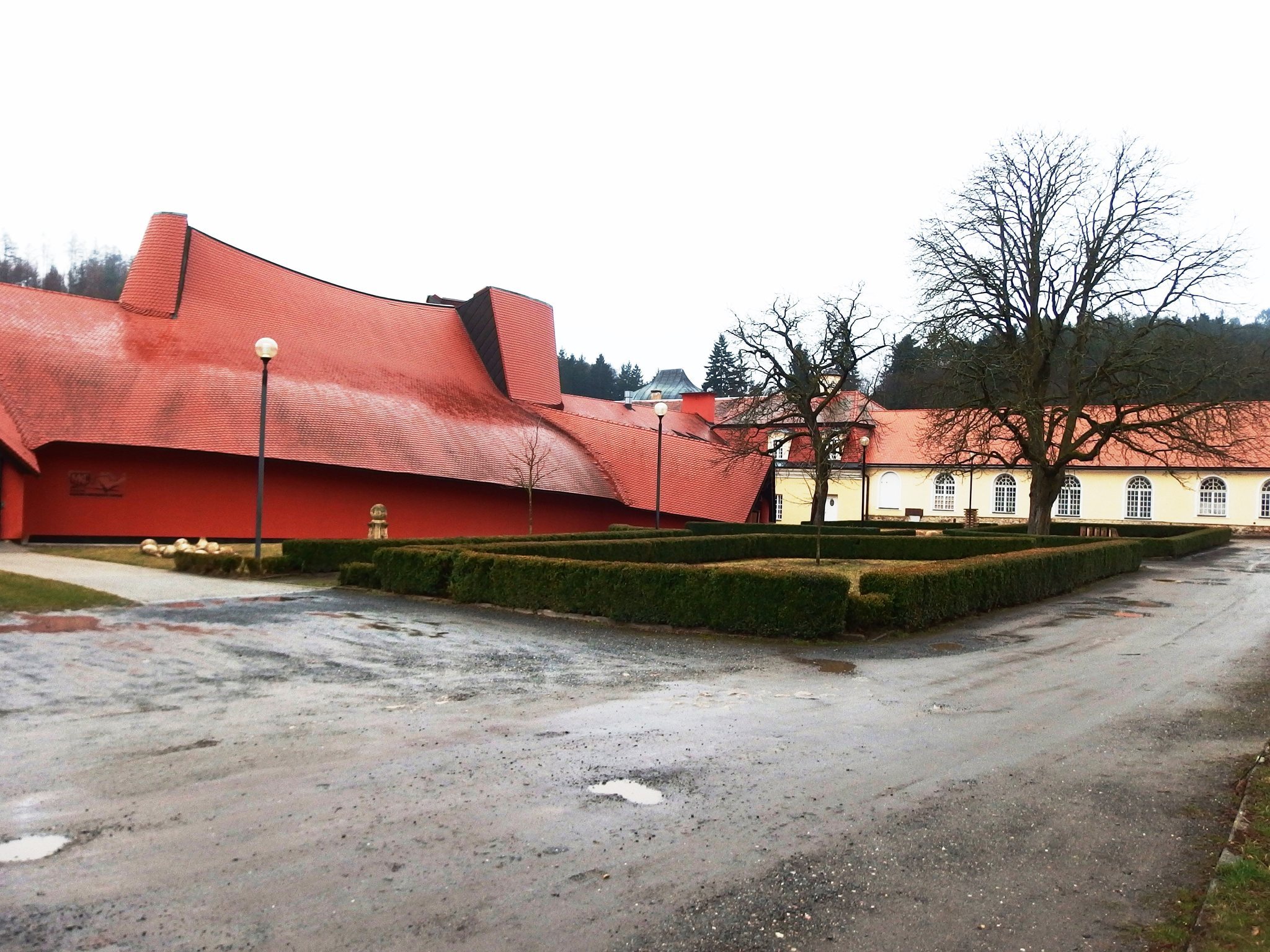
The damaged southern section was demolished, and a replacement hall was begun to designs by the Czech architect Zdeněk Fránek. Completed in 2007, the new section became the home of the Moravian Cartographic Centre. Its permanent exhibition draws on the centre’s own collections and those of the National Technical Museum.
During the 1980s, a summer cinema was established in the chateau park. The complex now accommodates the municipal office, a bank, and several private businesses. Velké Opatovice Castle is protected as a cultural monument of the Czech Republic.
Remains
Chateau Complex and Grounds
The surviving complex is organized around a courtyard and includes a north wing, a rebuilt south wing, buildings oriented toward the Church of Saint George, and a building at the entrance to the chateau park. The grounds also contain the park itself, which originated in connection with the estate’s eighteenth-century development.
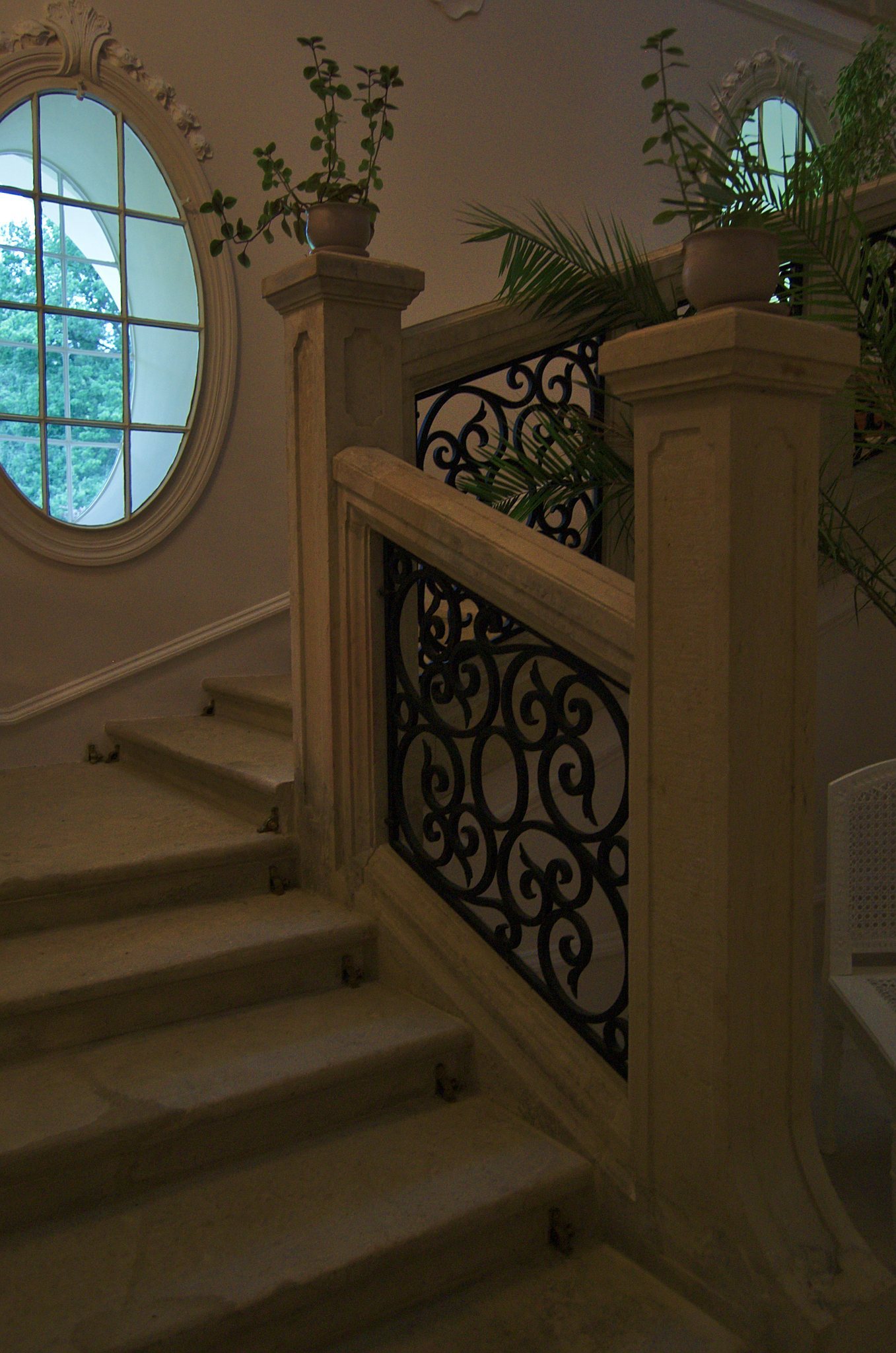
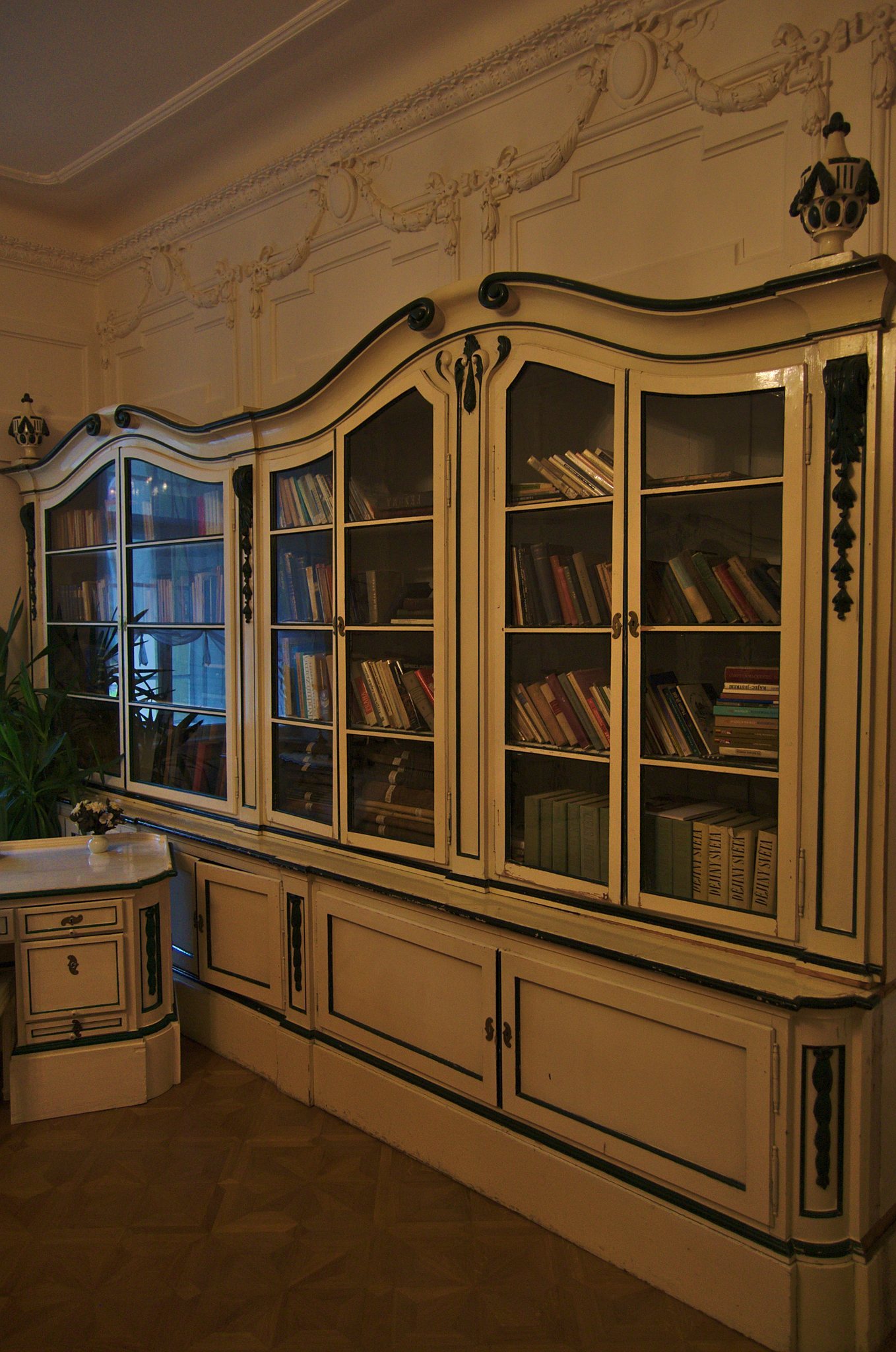
Interior features include a staircase, a dome, a formerly furnished room, and a corridor. Together with the courtyard and the connected wings, these elements preserve the layered character of a residence that was repeatedly adapted for institutional and municipal purposes.
Moravian Cartographic Centre
The replacement south wing housing the Moravian Cartographic Centre has a distinctly modern material character within the historic complex. Its exhibition spaces use roughly finished exposed concrete, while the roof is clad in wood. The main hall has an unusual ceiling shaped to resemble the nave of a church.
Winter Garden
A single-storey winter-garden building stands in the grounds beside the part of the chateau destroyed by the 1973 fire. It has not undergone structural remediation since the fire and has long displayed structural defects. The building is listed among the endangered cultural monuments of the Czech Republic.