Lutheran Church in Daneș, Mureș: A Fortified Late-Gothic Church
Site at a Glance
- Rating
- 4.4
- Popularity
- Very Low
- Country
- Romania
- Primary era
- Medieval
- Eras represented
- Medieval, Early Modern, Modern
- Civilizations
- Austria-Hungary, Habsburg, Hungarian
- Site type
- Religious
- Remains
- Fortified Church
On this page5 sections
History
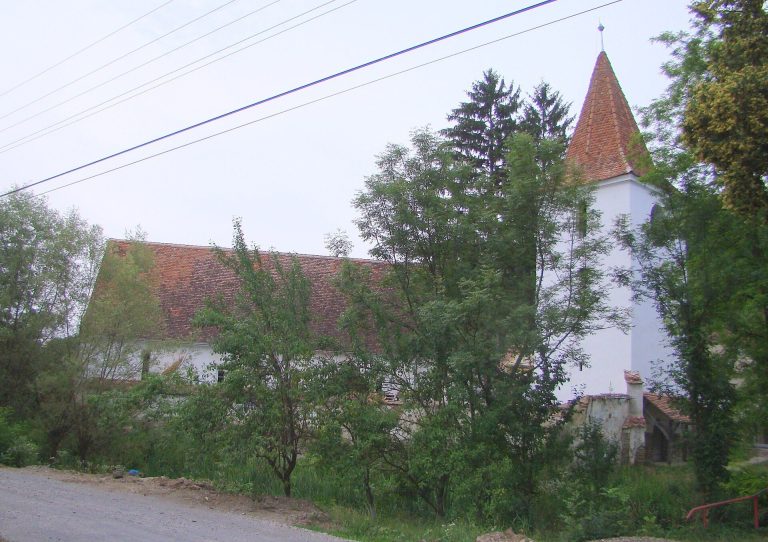
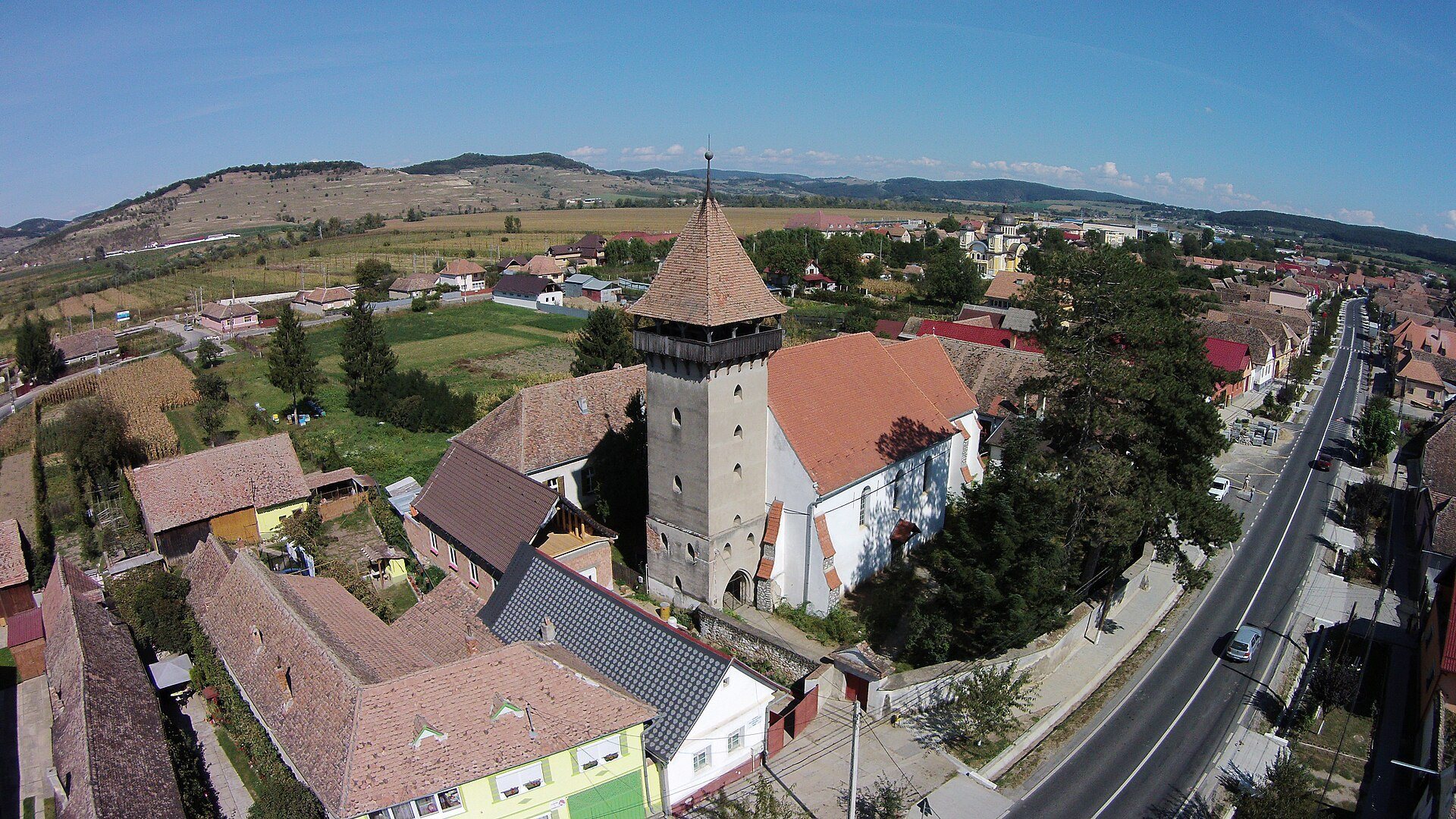
The Lutheran church in Daneș, Romania, is a late-Gothic fortified church dedicated to Saint Denis and built in 1506. The village, recorded as Danus in 1343, was initially held by Cluj-Mănăștur Abbey. Saint Denis, traditionally regarded as the first bishop of Paris, gives the church its dedication.
In 1532, the local community adopted the Protestant Reformation, a sixteenth-century movement that challenged established Western Church institutions and led to the formation of Protestant churches. Daneș then became part of the Sighișoara Seat, a territorial administrative unit governed from Sighișoara and used by Transylvanian Saxon communities.
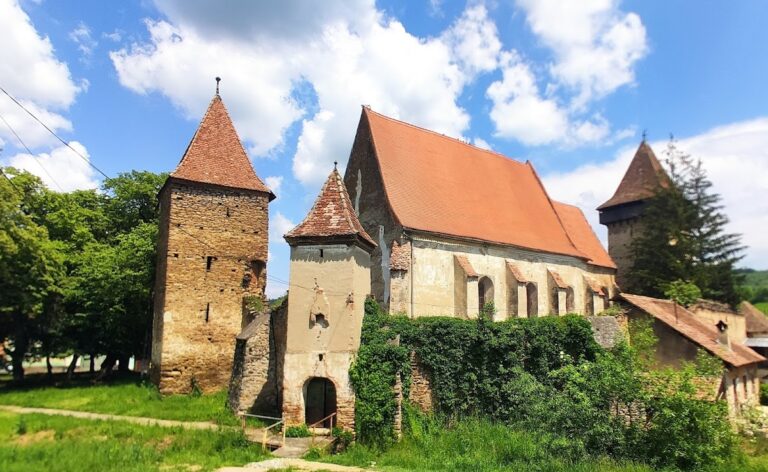
The church was constructed without a tower. A western tower with defensive levels was added in 1927. The ensemble is a designated historic monument and includes the fortified evangelical church, part of the former enclosure, and a bell tower.
Remains
Buildings and Enclosure
Church
The church is a late-Gothic building whose hall is covered by a vault constructed in 1868. Its interior brings together furnishings from several periods. The baptismal font and pulpit are Baroque, a style associated with dynamic forms and rich ornament. The altar dates from 1878, while the organ was installed in 1920.
Western Tower and Enclosure
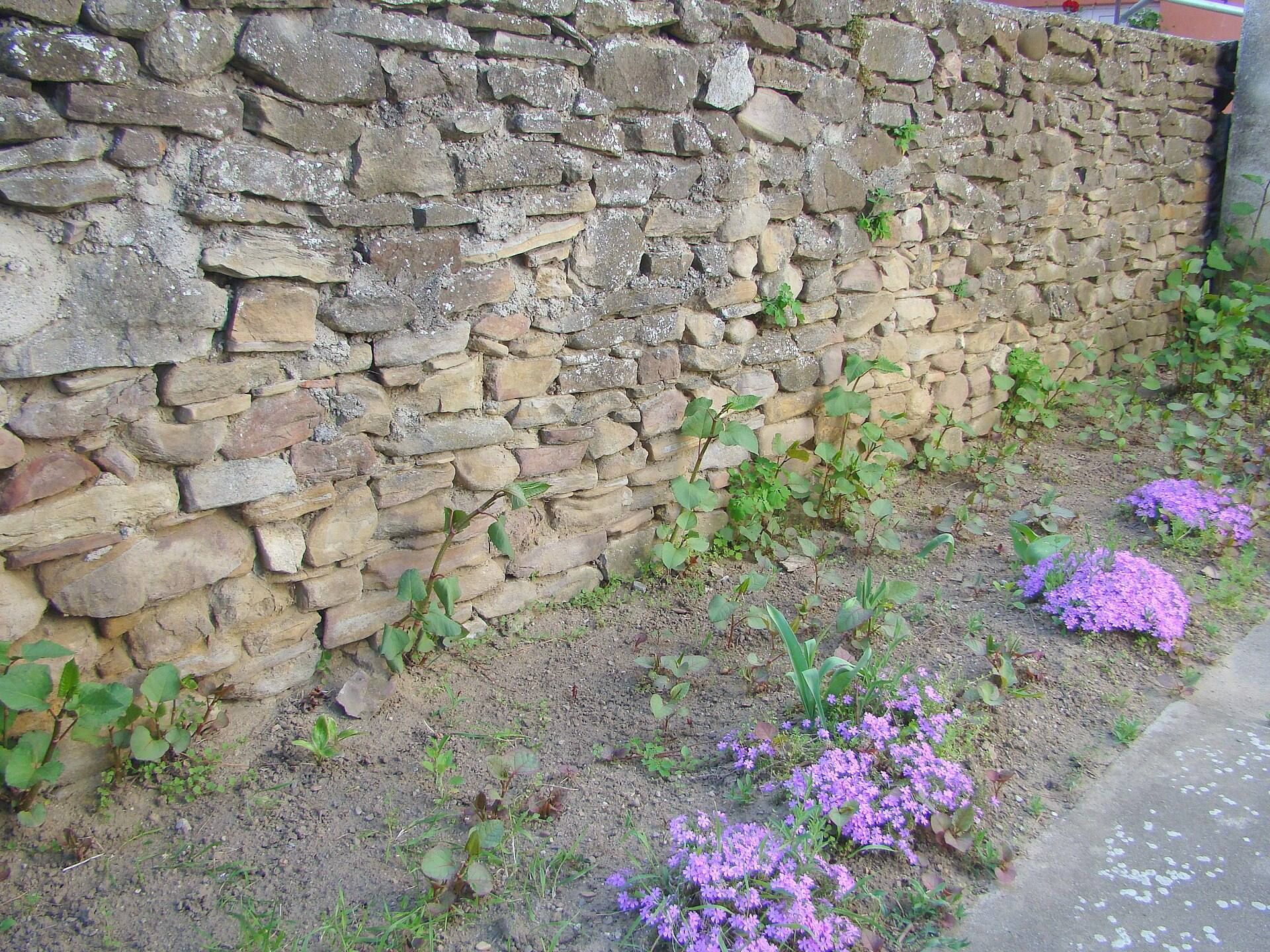
The western tower, added in 1927, incorporates defensive levels and forms part of the fortified church complex. Only a few remnants of the original enclosure survive on the southern side. These remains include a small watchtower and a fragment of the former fortified wall.