Shōren-ji Temple: A Jodo Shinshu Buddhist Temple in Takayama
Site at a Glance
- Rating
- 3.8
- Popularity
- Very Low
- Country
- Japan
- Primary era
- Early Modern
- External website
- Open
- Eras represented
- Early Modern
- Civilizations
- Unclassified
- Site type
- Religious
- Remains
- Temple
On this page13 sections
History
Shōren-ji Temple is a Jodo Shinshu Buddhist temple in Takayama, Japan, belonging to the Otani branch, one of the major institutional branches of this tradition centered on reliance on Amida Buddha. Founded in 1253, it became the center of a major Jodo Shinshu movement in Hida and later developed a long association with regional rulers and political change.
Foundation in Hida
Kannenbō Zenshun, a disciple of Shinran, moved in 1253 from Nagataki in Mino Province to Hatogaya in Shirakawa-go, Hida Province, where he founded Shōren-ji. Tradition describes Zenshun as a son or grandson of Emperor Go-Toba, the late twelfth- and early thirteenth-century emperor, but this is a lineage claim rather than an established biographical fact.
The temple became the center of an influential Jodo Shinshu movement in Hida. During the Warring States period, an era of intense conflict among regional powers from the fifteenth to the late sixteenth century, the monk Kyōshin left the priesthood and took the name Mishima Shōgen. With his younger brother Myōkyō, who later became the temple’s ninth-generation head, he expanded the group’s influence and provided troops or other assistance during northern Hokuriku Ikko uprisings. These movements brought together communities affiliated with Jodo Shinshu temples and could involve both religious solidarity and armed resistance, including the Kaga Ikko uprising.
Conflict, destruction, and rebuilding
The Mishima family later came into conflict with the Uchigashima family, a regional ruling house in Hida that governed from Kaerikumo Castle. In 1488, Uchigashima Tameuji burned Shōren-ji. Mishima Shōgen was killed, while Myōkyō escaped and later took his own life.
Myōshin, Myōkyō’s son and the temple’s tenth-generation head, eventually made peace with Tameuji. In 1504, he rebuilt the temple at Nakano in Shirakawa-go and gave it the name Kōyō-zan Shōren-ji. Kōyō-zan was a traditional temple mountain name rather than a separate institution.
Move to Takayama
The alliance with the Uchigashima family helped Shōren-ji extend its influence. After Kanamori Nagachika, a late-sixteenth-century warrior lord, took control of Hida from the Miki family, he made use of the temple’s authority. In 1585, he ordered his retainer Itoshiro Hikozaemon to exchange a written oath with Shōren-ji.
In 1588, Kōyō-zan Shōren-ji was transferred to the castle town of Takayama. During the absence of the castle lord, the temple protected the Takayama domain. Toyotomi Hideyoshi, the late-sixteenth-century military ruler of Japan, rewarded this service by presenting Shōren-ji with a standing image of Amida Buddha made by the Buddhist sculptor An’ami.
The institution moved to Takayama in 1588 is now known as Takayama Betsuin Shōren-ji. Zenshun’s tomb and the original main hall remained at Nakano, where the institution continued as Shōren-ji Kakejo Shingyōbō. A kakejo was a branch or affiliated religious establishment connected with a larger Buddhist institution.
Relocation and present identity
Around the beginning of the Meiji period, the era of imperial rule that began in 1868, the Nakano institution petitioned its head temple to restore Shōren-ji as its public name instead of Shingyōbō. In 1961, the Nakano site in Shirakawa-go was submerged after construction of the Miboro Dam, and the surviving temple buildings were moved to Horibatamachi in Takayama.
Shōren-ji should be distinguished from Takayama Betsuin Shōren-ji, another temple in Takayama located approximately 800 meters away. The main hall at Shōren-ji is an Important Cultural Property of Japan, while the middle gate and bell have been designated Important Cultural Properties of Gifu Prefecture. These designations protect cultural assets regarded as historically or artistically significant.
Remains
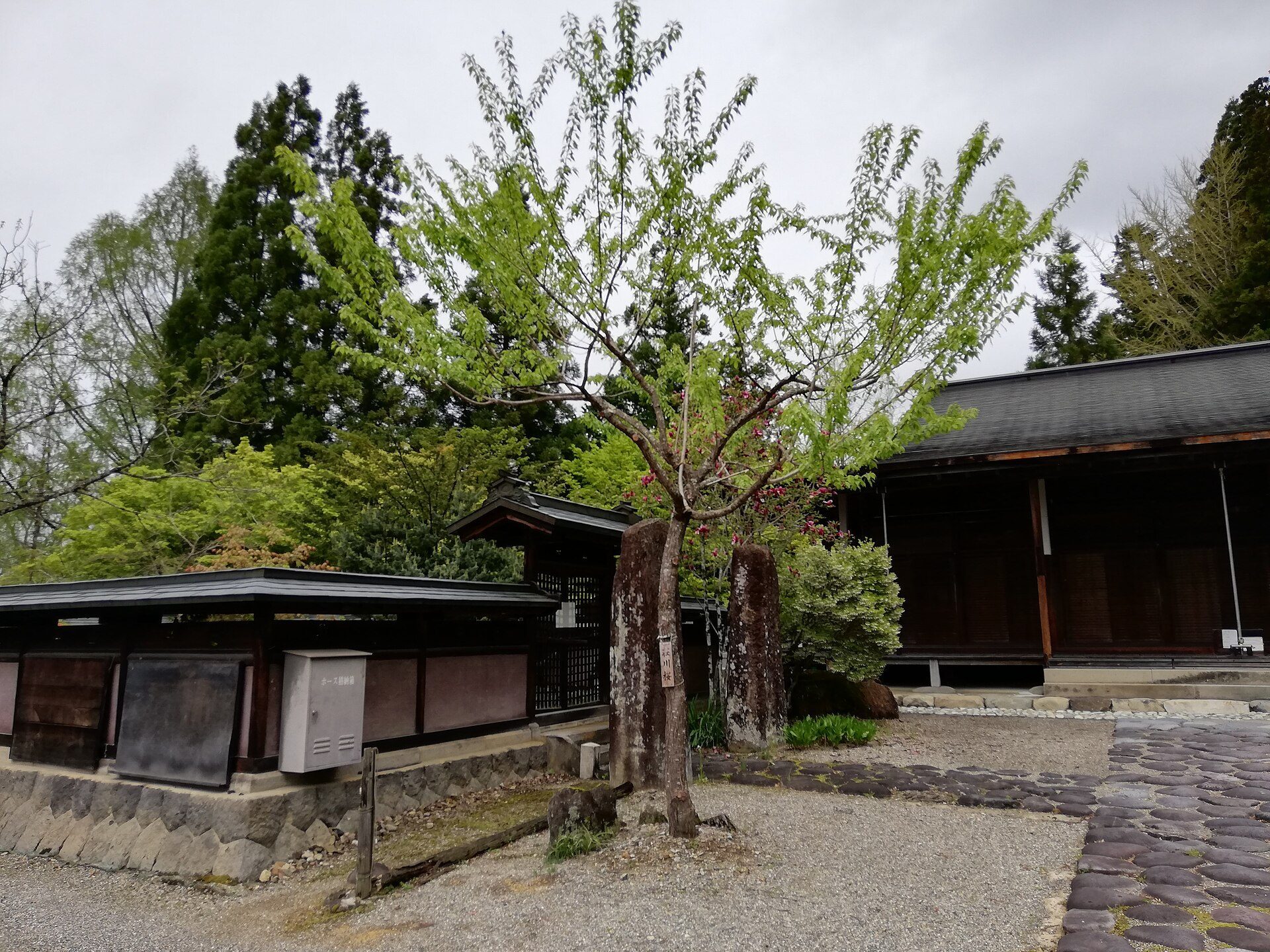
The temple complex stands in Horibatamachi within Shiroyama Park. Its buildings were transferred from Nakano after the former site was submerged by the Miboro Dam. The surviving complex combines structures from different periods, with the main hall forming its principal historic building and the middle gate, bell, storehouse, and drum tower contributing to the present architectural group.
Historic buildings and bell
Main hall
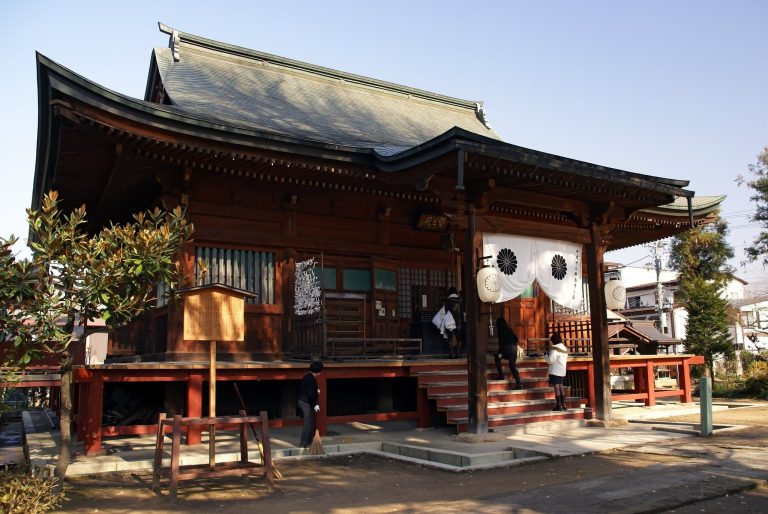
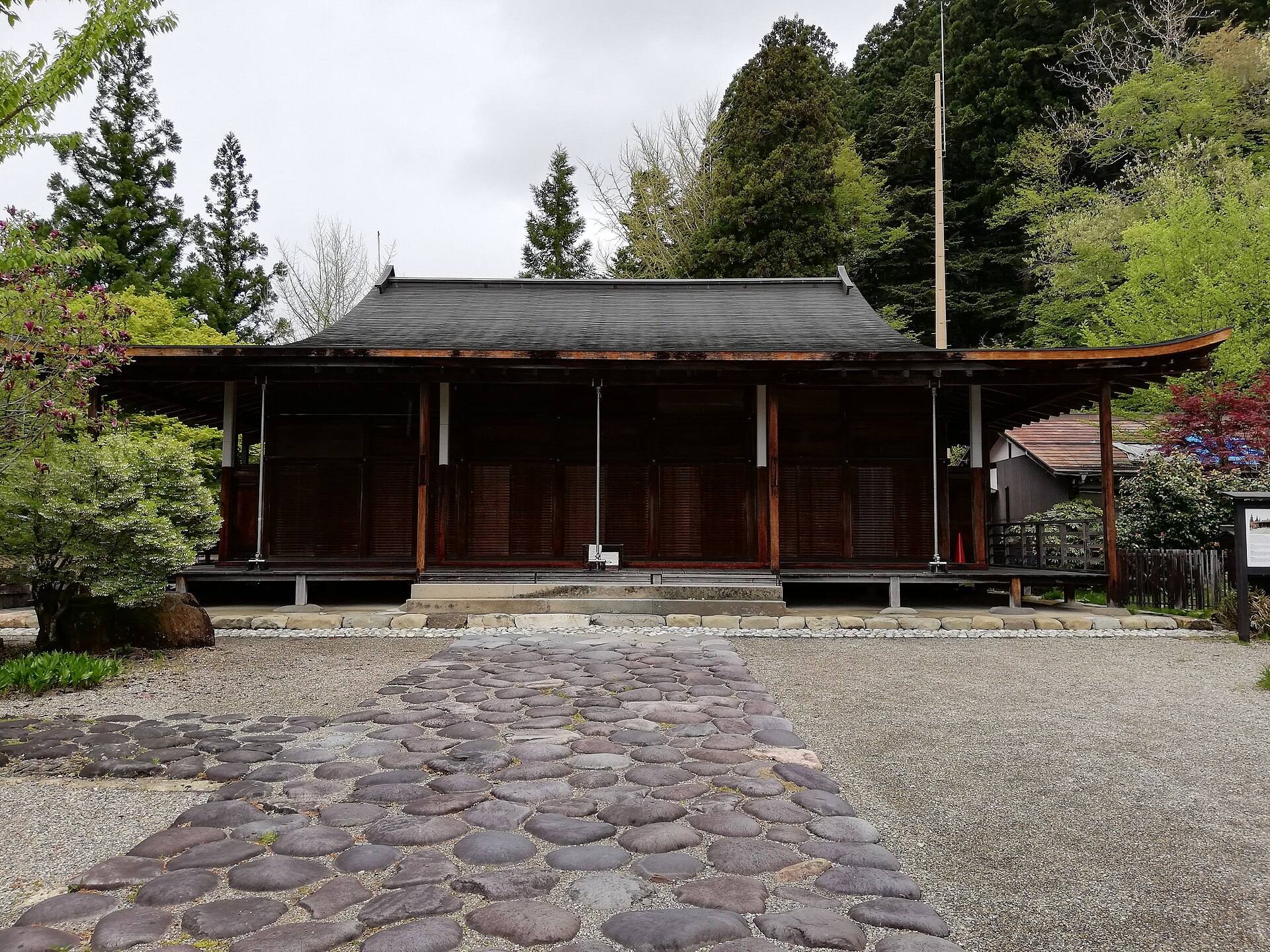
The main hall was built around 1504, when Myōshin rebuilt Shōren-ji at Nakano. It has a residential-style spatial arrangement characteristic of a Jodo Shinshu hall and is designated an Important Cultural Property of Japan. The building was transferred to Takayama with the temple complex and has undergone repair work in recent years.
Middle gate
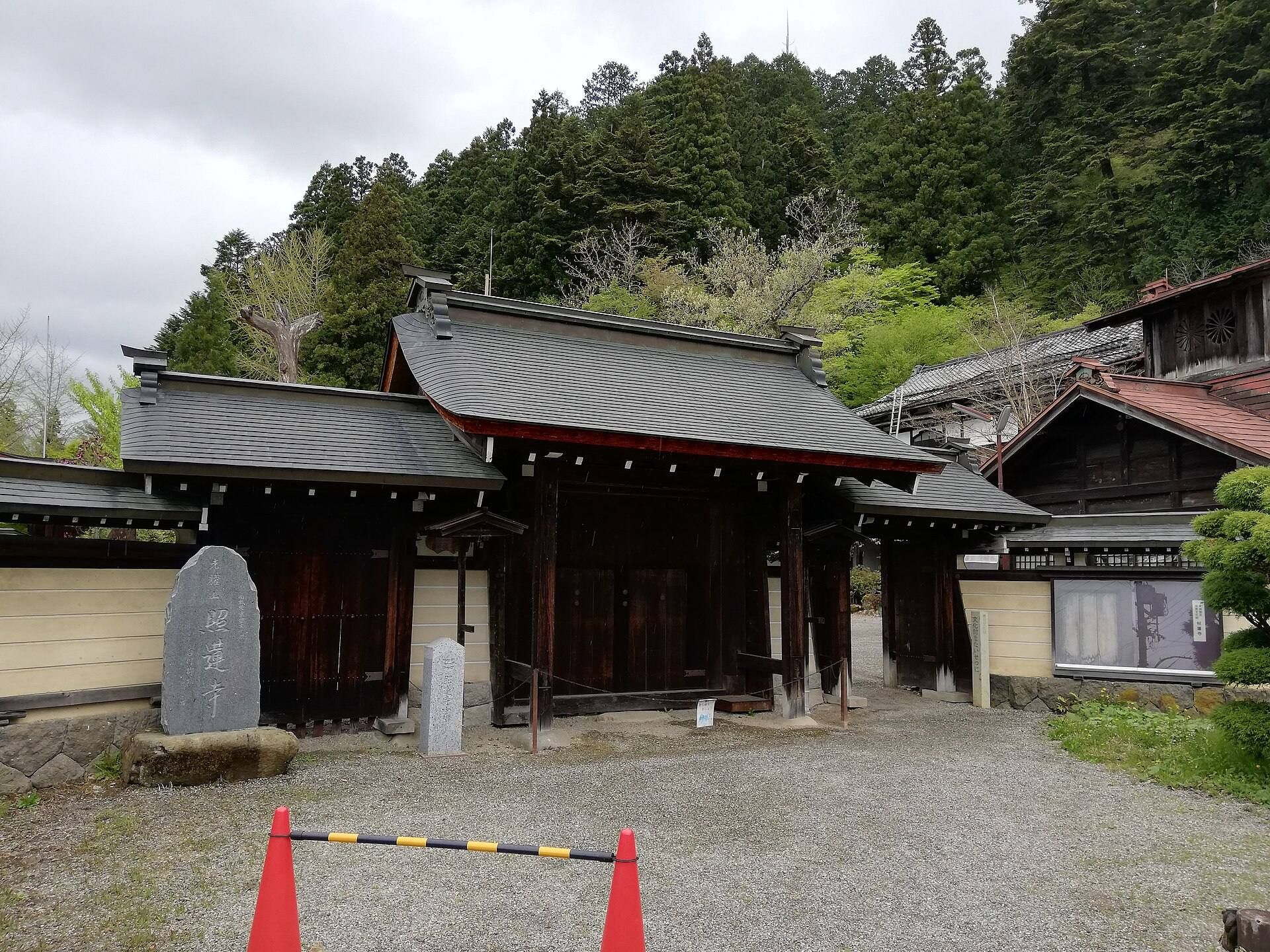
The middle gate was built in 1574. It is designated an Important Cultural Property of Gifu Prefecture and forms part of the group of historic buildings transferred from the former Nakano site.
Temple bell
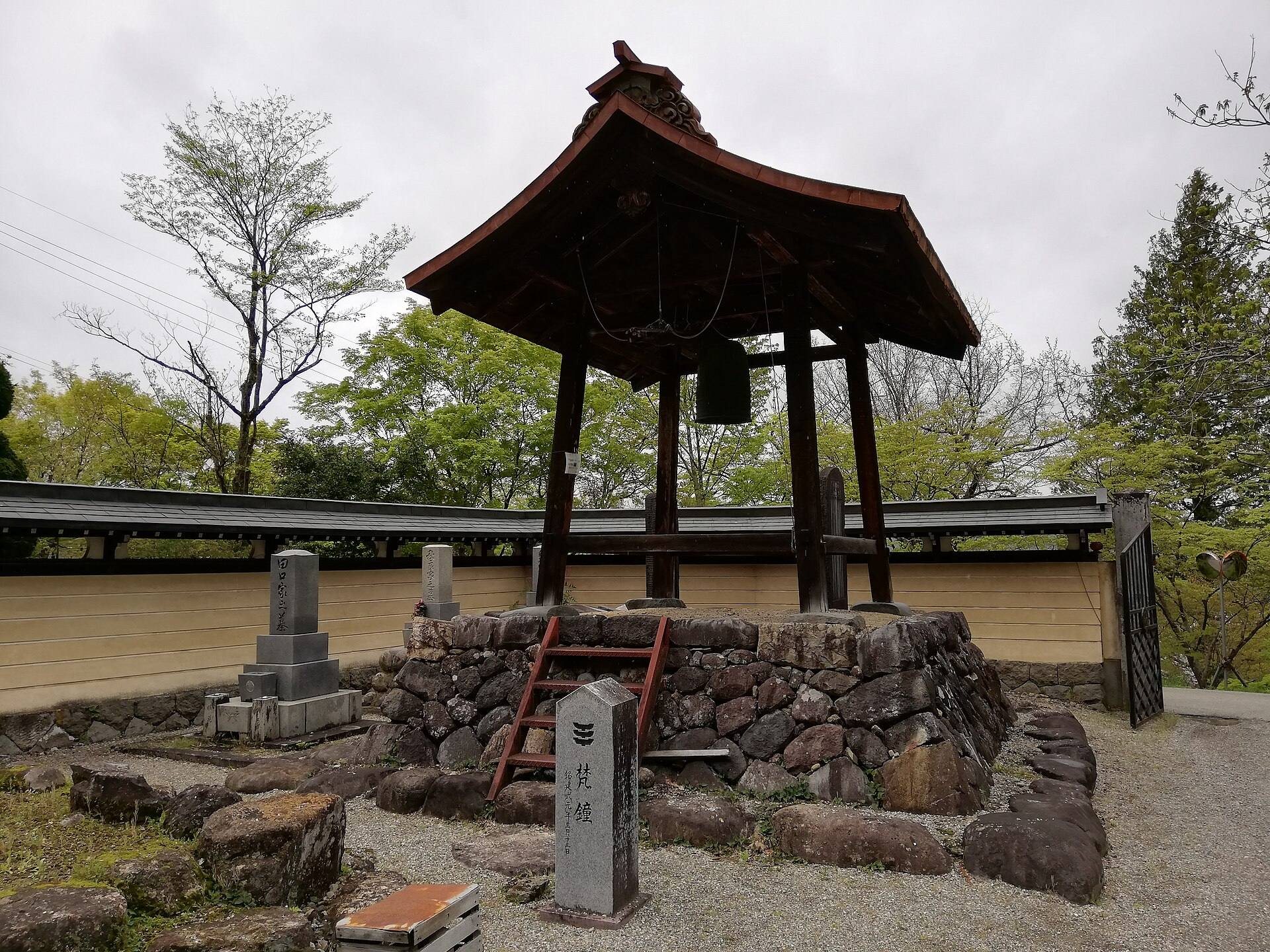
The temple bell bears an inscription dated March 12, 1334, corresponding to April 16, 1334, in the Julian calendar. It also carries the words “Hishu Ankokuji” and is designated an Important Cultural Property of Gifu Prefecture.
Devotional and ancillary features
Amida Buddha images
Amida Buddha is the temple’s principal devotional figure. A separate standing image of Amida, made by An’ami and presented by Toyotomi Hideyoshi, is associated with the temple’s relocation-era history.
Storehouse and drum tower
The complex also includes a storehouse and a drum tower. The storehouse roof has collapsed. The drum tower has a damaged roof with holes and a partly collapsed section that has not been repaired.