Včelní Hrádek: A Chateau and Former Fortress Site in Czechia
Site at a Glance
- Rating
- 4
- Popularity
- Very Low
- Country
- Czechia
- Primary era
- Early Modern
- Eras represented
- Medieval, Early Modern
- Civilizations
- Holy Roman Empire, Kingdom of Bohemia
- Site type
- Domestic
- Remains
- Manor House
On this page8 sections
History
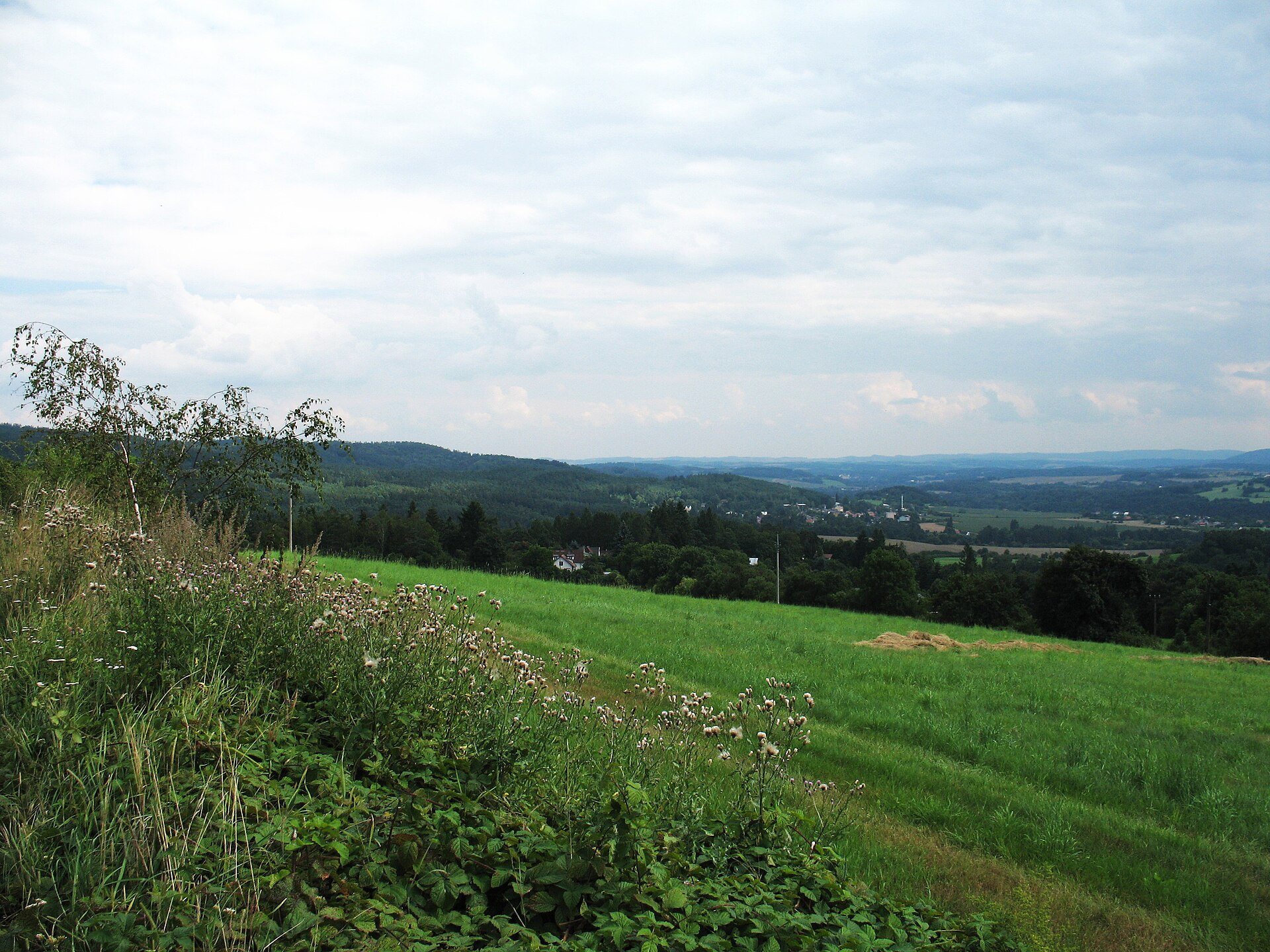
Včelní Hrádek is a former fortress and chateau in Czechia, at the Kabáty locality of Jílové, above the confluence of the Chotouňský Stream and the Sázava River. The medieval fortress known as Hrádek, later recorded as Nussberk, stood here before the Hussite Wars, the religious and political conflicts that affected many fortified sites in early fifteenth-century Bohemia.
Medieval Fortress and Estate
A charter dated 1045 claimed that Hrádek protected people mining gold in the surrounding area. The document was later identified as a forgery, and the first reliable written reference dates from 1402, when the fortress appeared under the name Nussberk. That year, Jan Šimonův of the Prague Štuk family sold the fortress and its associated property to Jakub Srb of Budyšín.
During the 1430s and 1440s, the site was held by the Markvart family of Hrádek and then by Václav Valečovský. The fortress probably fell into decay during the Hussite Wars, although another dating places its abandonment at the end of the sixteenth century. From the fifteenth century onward, records referred to the property mainly as the Hrádek forest or farmyard rather than as a fortress.
In 1458, Samuel Velvara, a Prague burgher and royal under-chamberlain, acquired Hrádek. A royal under-chamberlain was a senior official in the ruler’s administration and household. Samuel later became known as Samuel of Hrádek and Valečov. Václav Holec of Květnice bought the property from him in 1484.
Owners Before the Chateau
At the beginning of the sixteenth century, Hrádek belonged to the mintmaster Vilém Kostka of Postupice. Later owners included members of the Želinský family of Sebuzín and the lords of Bienenberk. The English alchemist Eduard Kelley owned the property in 1590 and 1591. After its confiscation, Kryštof Želinský of Sebuzín acquired it.
The farmyard declined during the Thirty Years’ War, the seventeenth-century conflict that caused widespread destruction and disruption across Central Europe. Ignác Schönpflug, the chief magistrate of Jílové, restored it in 1695 and soon afterward sold it to the burgher Václav Nigrín. Ownership changed frequently during the eighteenth century.
The Eighteenth-Century Chateau
In 1789, the regional governor Karel Josef Biener of Bienenberg became the owner and commissioned a new chateau near the former fortress. He named it Včelní Hrádek after his family name. The estate included a chapel and a park.
Biener of Bienenberg also assembled a collection of archaeological finds, antiquities, and memorabilia associated with Saint Procopius, a Bohemian Christian saint traditionally linked with Sázava Monastery. He published many of these objects. In the early nineteenth century, the chateau belonged to Prokop Bayer, mayor of Jílové. His father, Ferdinand Bayer, had named him after the patron saint of the chateau chapel.
Estate and Twentieth-Century Decline
In 1899, the Prague councillor and property owner Karel Židlický bought Včelní Hrádek for 110,000 gulden. He converted the interior into summer apartments, established a restaurant, and developed the chateau as an excursion destination for Prague residents.
The estate covered 115.19 hectares. Its recorded holdings included approximately 64.16 hectares of fields, 4.03 hectares of meadows, 1.92 hectares of park and gardens, 43.16 hectares of forest and granite quarries, 0.95 hectares of pond, and 0.97 hectares of built-up land. The farm produced grain, milk, and potatoes, while an advertisement in 1907 offered fifty piglets for sale.
In 1909, the manufacturer Gustav Pelly, owner of a well-known liqueur factory in Kladno, purchased Včelní Hrádek from Václav Syrový for 123,000 gulden. After Pelly, the property belonged until 1939 to Rudolf Brož, an organizer of the radical student movement, National Socialist politician, and publisher. The Prague builder and architect Václav Benedikt regularly spent the summer there.
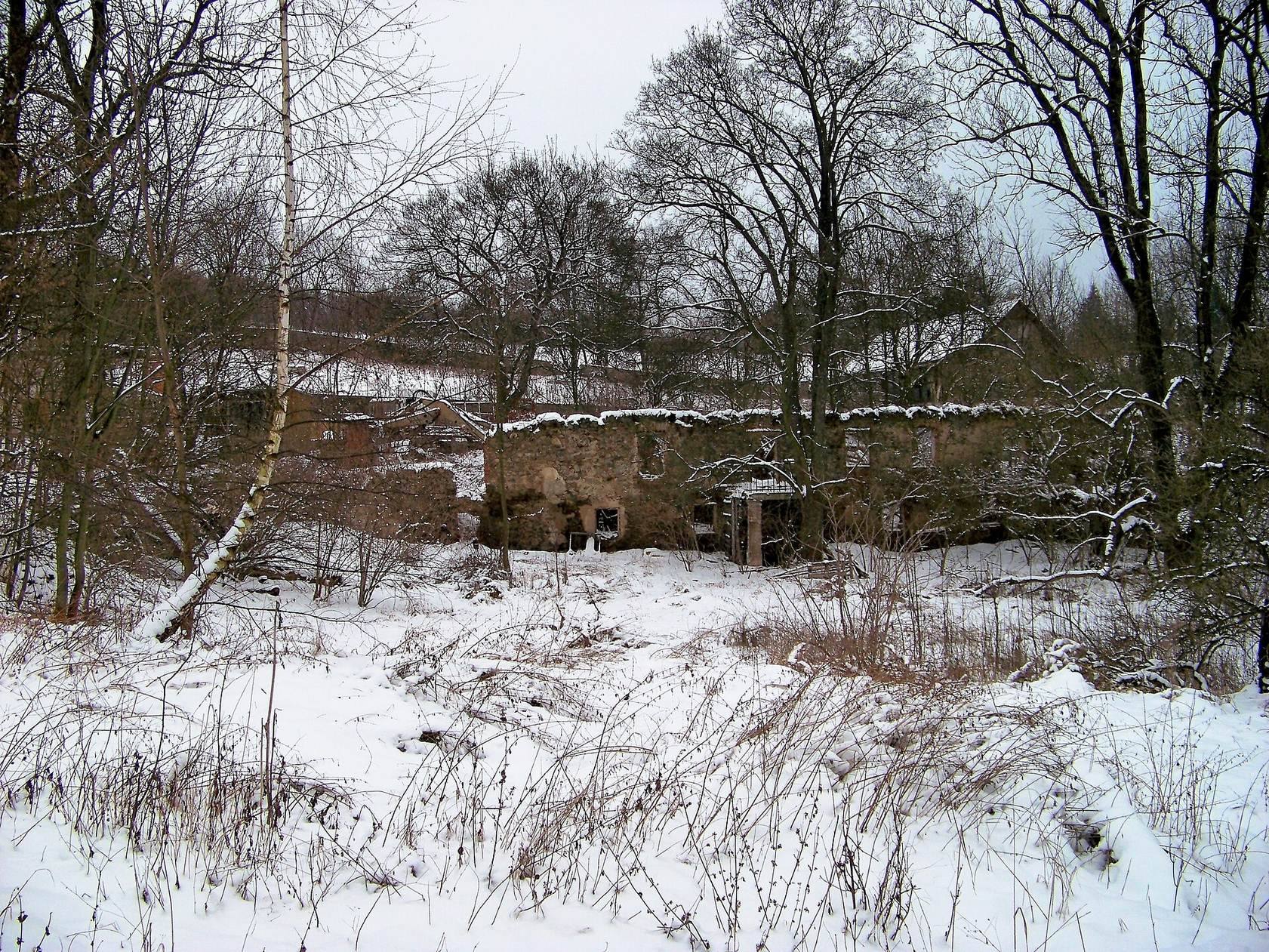
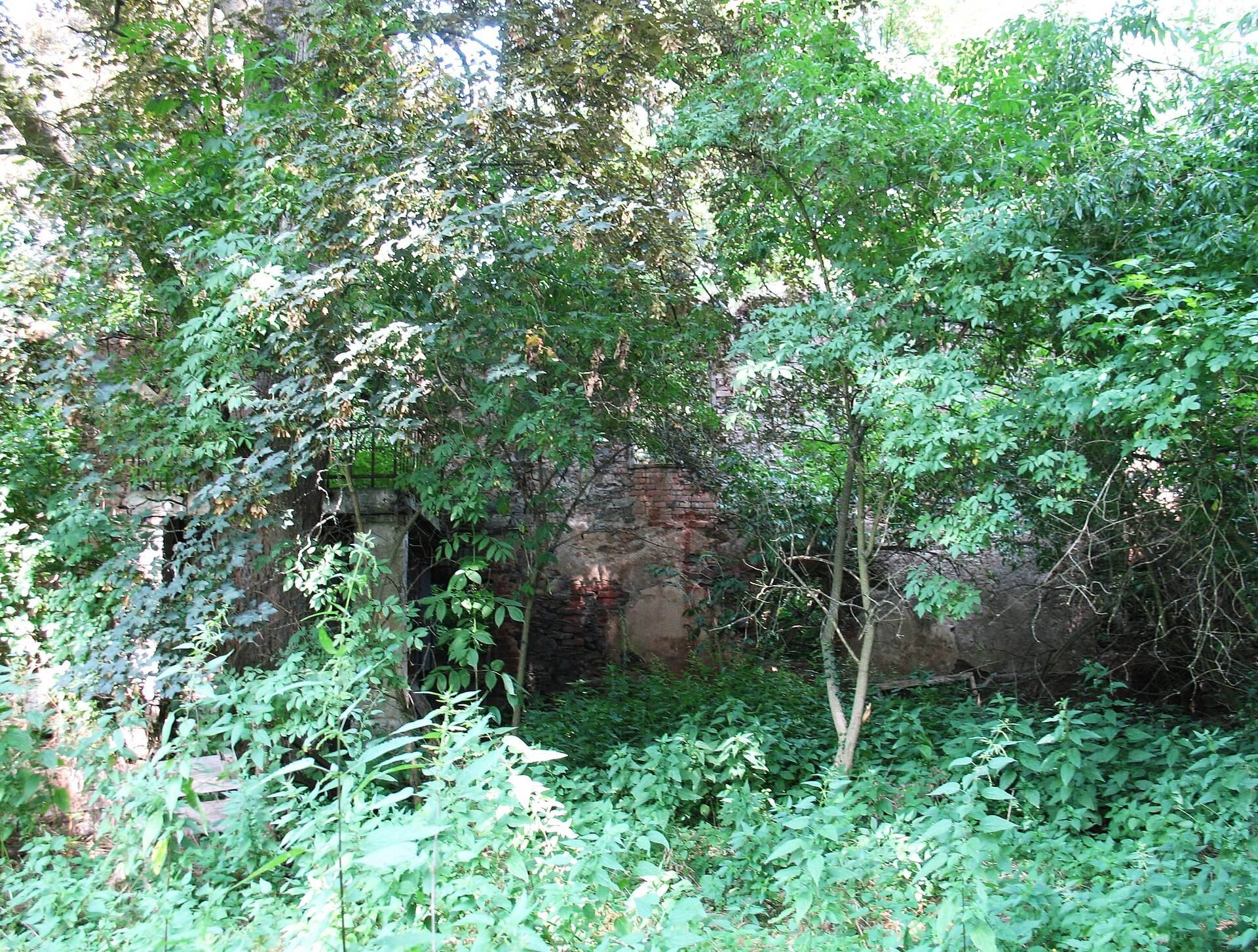
The town of Jílové acquired Včelní Hrádek in 1947 and created rental apartments in the chateau. The chateau was abandoned from the late 1970s. Its interior fittings were stolen, the roof structure was damaged, and the roof, the first- and ground-floor ceilings, and sections of the perimeter masonry later collapsed. The claim that the deteriorated chateau was completely demolished in 1990 is incorrect. Its ruins survive alongside deteriorated agricultural and residential buildings.
Remains
Včelní Hrádek and its farmyard occupied ground above the meeting of the Chotouňský Stream and the Sázava River, within the cadastral territory of Jílové. The surviving remains are associated with house number 1 in Kabáty. The site combines the location of the medieval fortress with the later chateau, its park, farm buildings, residential structures, and a small pond.
Medieval Fortress Site
The medieval complex consisted of a fortress called Hrádek or Nussberk. Its surviving form and dimensions are not defined by a detailed plan. Later fifteenth-century records describe the property as a forest or farmyard, reflecting the change in its recorded use and status after the fortress declined.
Chateau Ruins and Park
The chateau was built near the former fortress after 1789. It contained a chapel and stood within a park. Later alterations created summer apartments and a restaurant inside the building. The chateau now survives as ruins, with the roof and the ceilings of both the upper and ground floors collapsed. Parts of the surrounding masonry have also fallen, while some agricultural and residential buildings remain standing in deteriorated condition.
A small pond remains in the former park. Two protected trees also survive there, a red-leaved European beech and a horse chestnut.