Commandry of the Knights of Malta in Český Dub: A Medieval Hospitaller Center
Site at a Glance
- Rating
- 4.6
- Popularity
- Very Low
- Country
- Czechia
- Primary era
- Medieval
- External website
- Open
- Eras represented
- Medieval
- Civilizations
- Holy Roman Empire, Kingdom of Bohemia, Knights Hospitaller
- Site type
- Religious
- Remains
- Monastery
On this page9 sections
History
The Commandry of the Knights of Malta in Český Dub is a medieval center of the Knights Hospitaller in Czechia, established before 1260 in the late Romanesque and Gothic traditions. The Knights Hospitaller, also known as the Order of Saint John and later associated with the Knights of Malta, maintained religious and administrative houses called commandries across Europe.
Foundation and medieval development
The commandry emerged in connection with the origins of Český Dub. Shortly after 1237, the Bohemian nobleman Havel of Lemberk, husband of Saint Zdislava, granted the Hospitallers territory south of Ještěd. The grant was centered on the market village of Světlá pod Ještědem, but because the territory lay at the edge of the order’s new domain, Havel founded another commandry at Dub.
Market rights were transferred from Světlá to Dub, creating a new town first known as New Světlá. Its parish church was dedicated to the Holy Spirit. The first direct records of the commandry date from 1291 and 1294. On 24 August 1294, the Bishop of Krakow granted a forty-day indulgence, a remission of temporal punishment for sin under specified conditions, to pilgrims visiting particular churches on designated feast days. The Holy Spirit church at Světlá was included in the record under an identification connected with Dub.
The commandry’s estates expanded during the following centuries. By the fourteenth century, their core in the Podještědí region covered approximately 10,450 hectares. In 1373, the commandry was headed by a secular commander and included five clerics and five order knights. A prior, a senior religious official supervising the clerics, stood above the clerical community. One-fifth of the income from each commandry was paid into the order’s treasury on Rhodes.
The commandry also received support through local bequests. Commander Dětřich received a special bequest from Petr Tisto of Albrechtice in 1412, followed by further bequests from several local feudal lords in 1415.
Hussite seizure and later ownership
At the beginning of the Hussite Revolution, a fifteenth-century religious and political movement in Bohemia associated with the followers of Jan Hus, King Sigismund pledged the commandry’s estates to Jan Chudoba of Ralsko, who was charged with protecting them. After the Hussite army led by Jan Čapek of Sán captured Michalovice Castle, it moved into the Český Dub region. Český Dub was taken in mid-June 1425, and the commandry passed to the Hussite forces. Jan Čapek then administered its estates, bringing the commandry’s existence to an end.
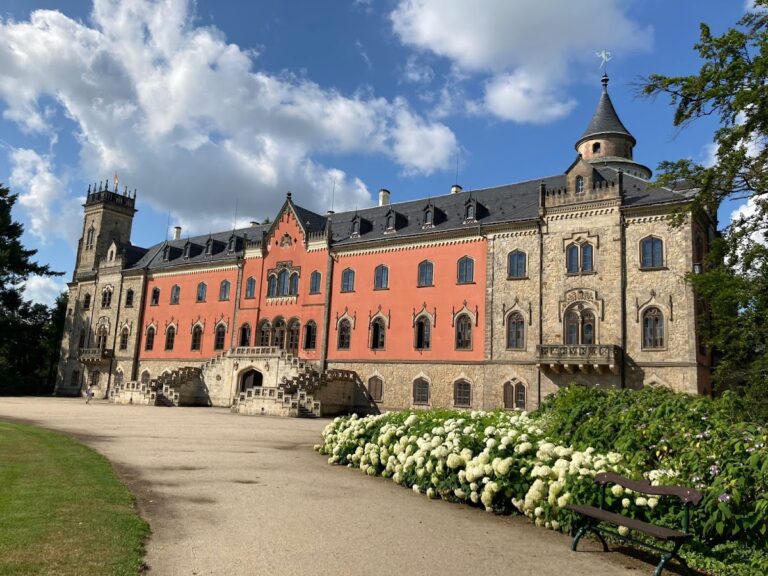
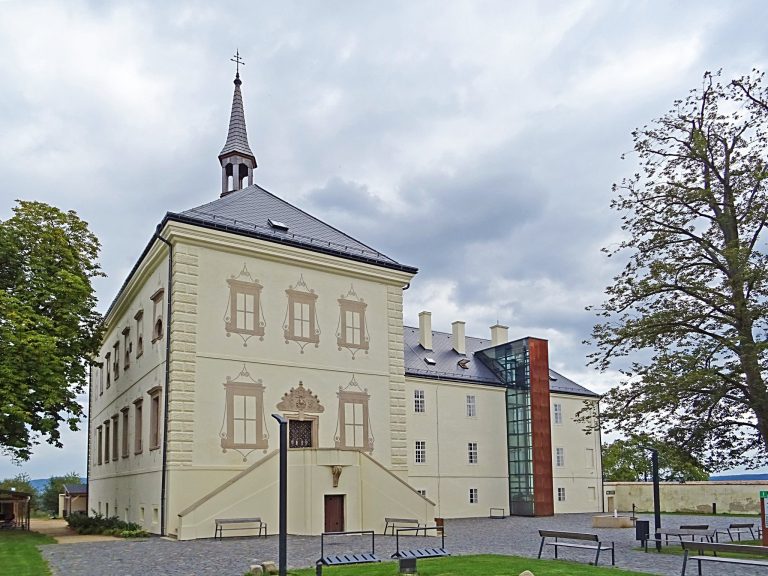
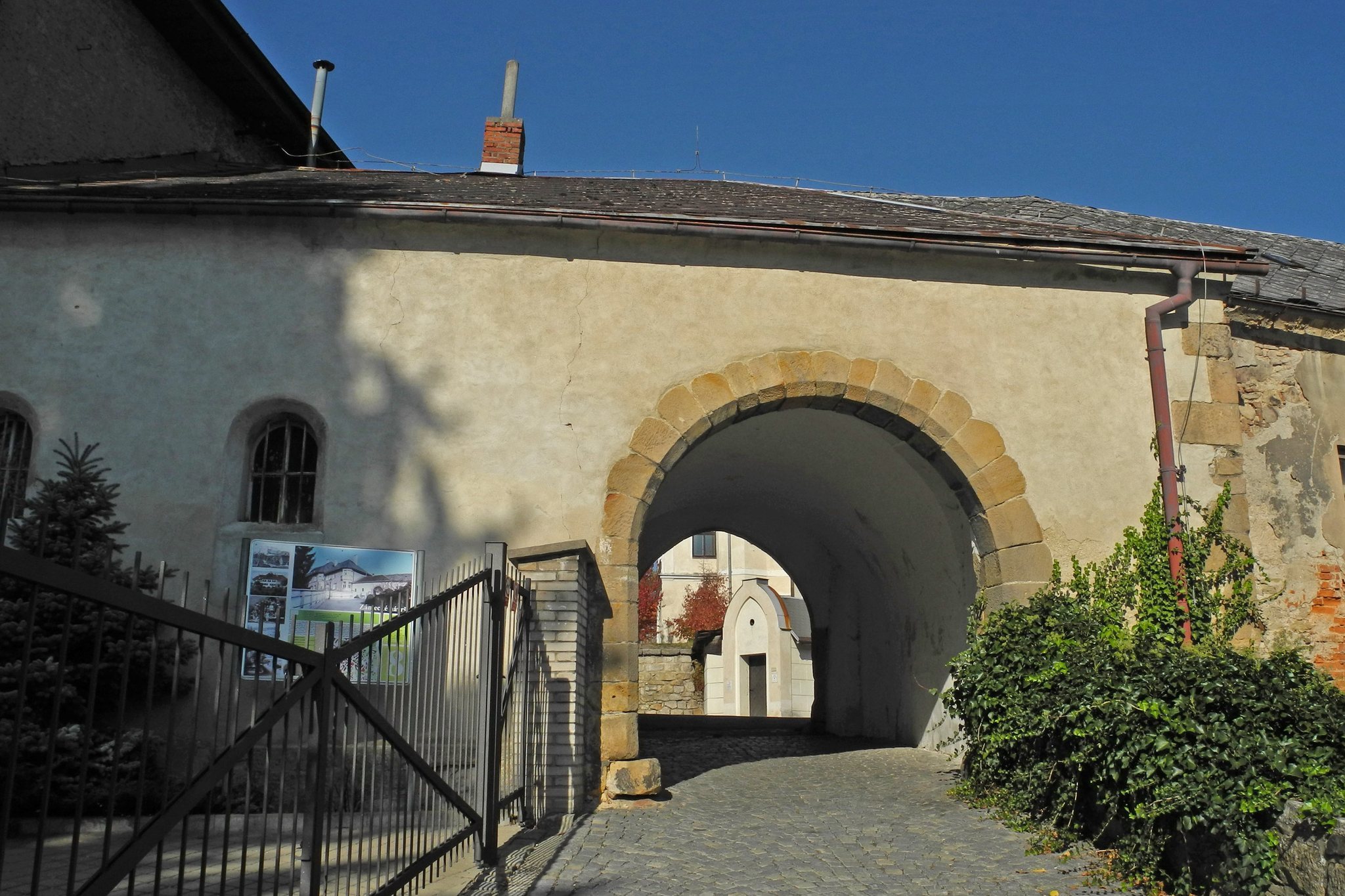
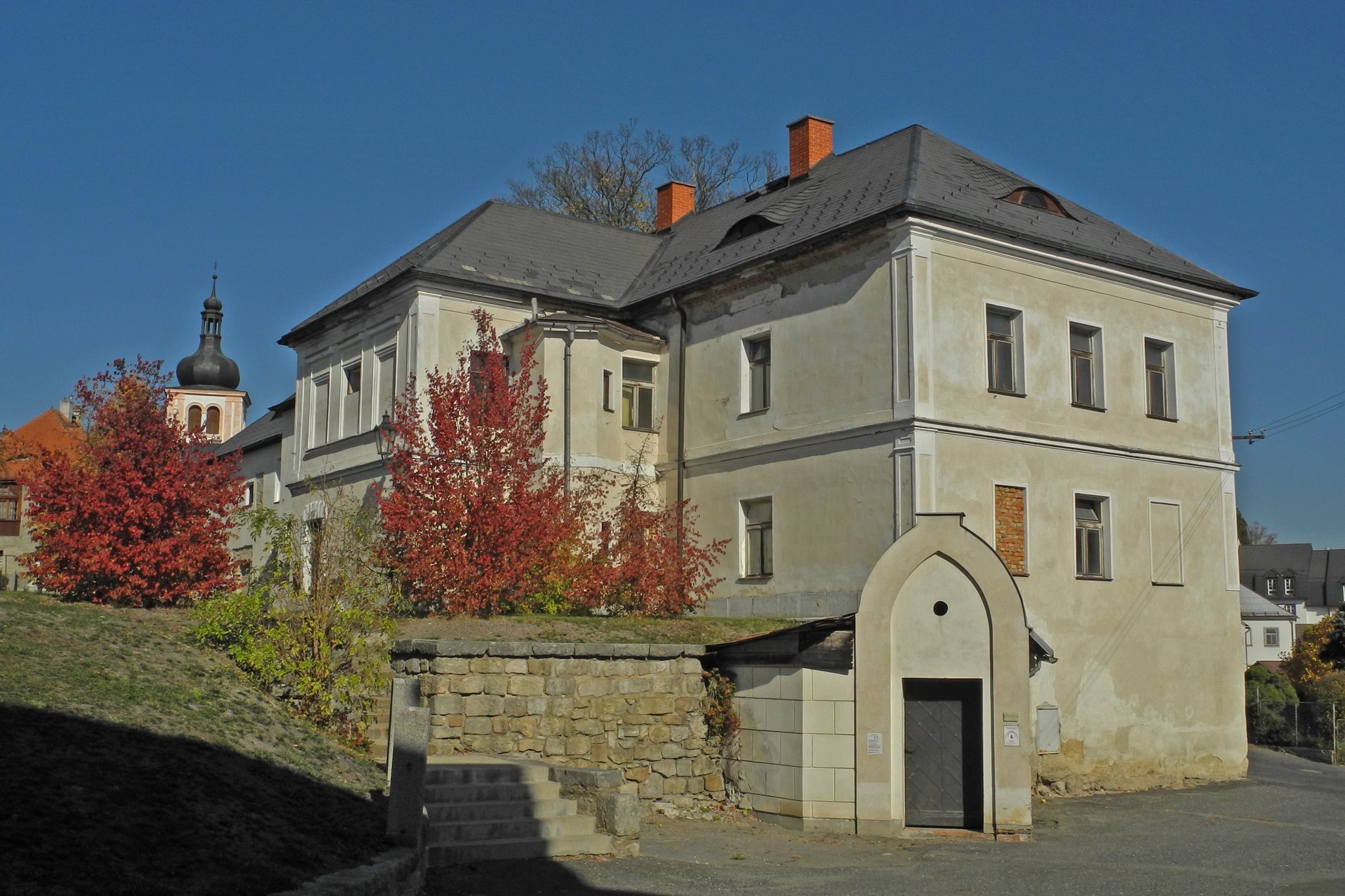
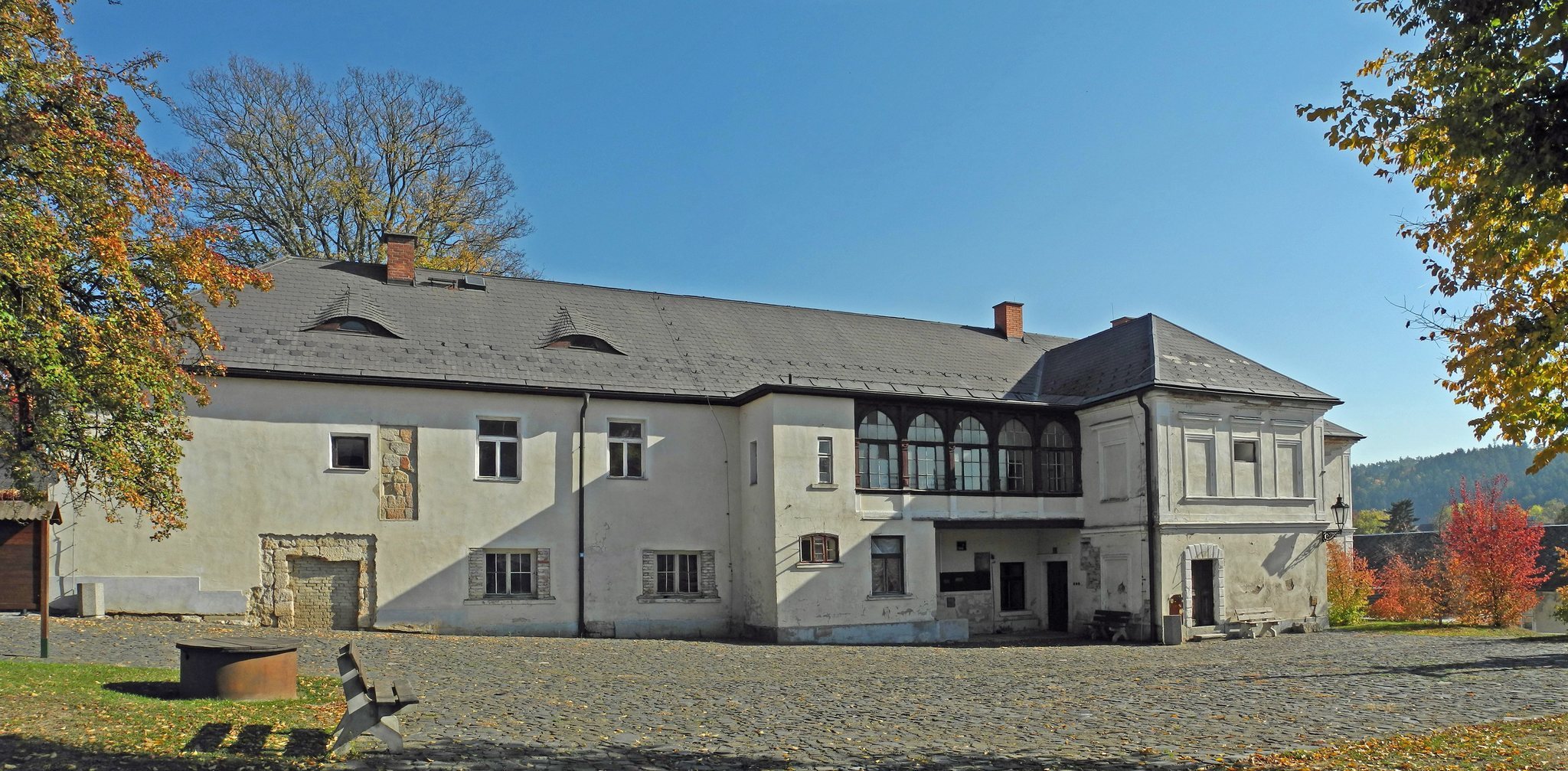
The surviving remains were later rebuilt into a Renaissance chateau. In 1653, Český Dub and its estate passed to the Augustinian canonesses of the Convent of Saint James in Vienna. They retained the property until 1782, when Emperor Joseph II dissolved the convent by decree as part of his religious reforms.
Rediscovery and protection
Until the 1990s, the surviving commandry remains were generally believed not to exist. Their uncovering in 1991, substantially assisted by Tomáš Edel, revealed the small hall, large hall, and Chapel of Saint John the Baptist. The commandry is administered by the Podještědské Museum in Český Dub, and the chapel was reconsecrated for continuing liturgical use.
The commandry forms part of the legally protected Český Dub chateau complex. Protection was extended to the newly discovered commandry spaces with effect from 8 December 1995.
Remains
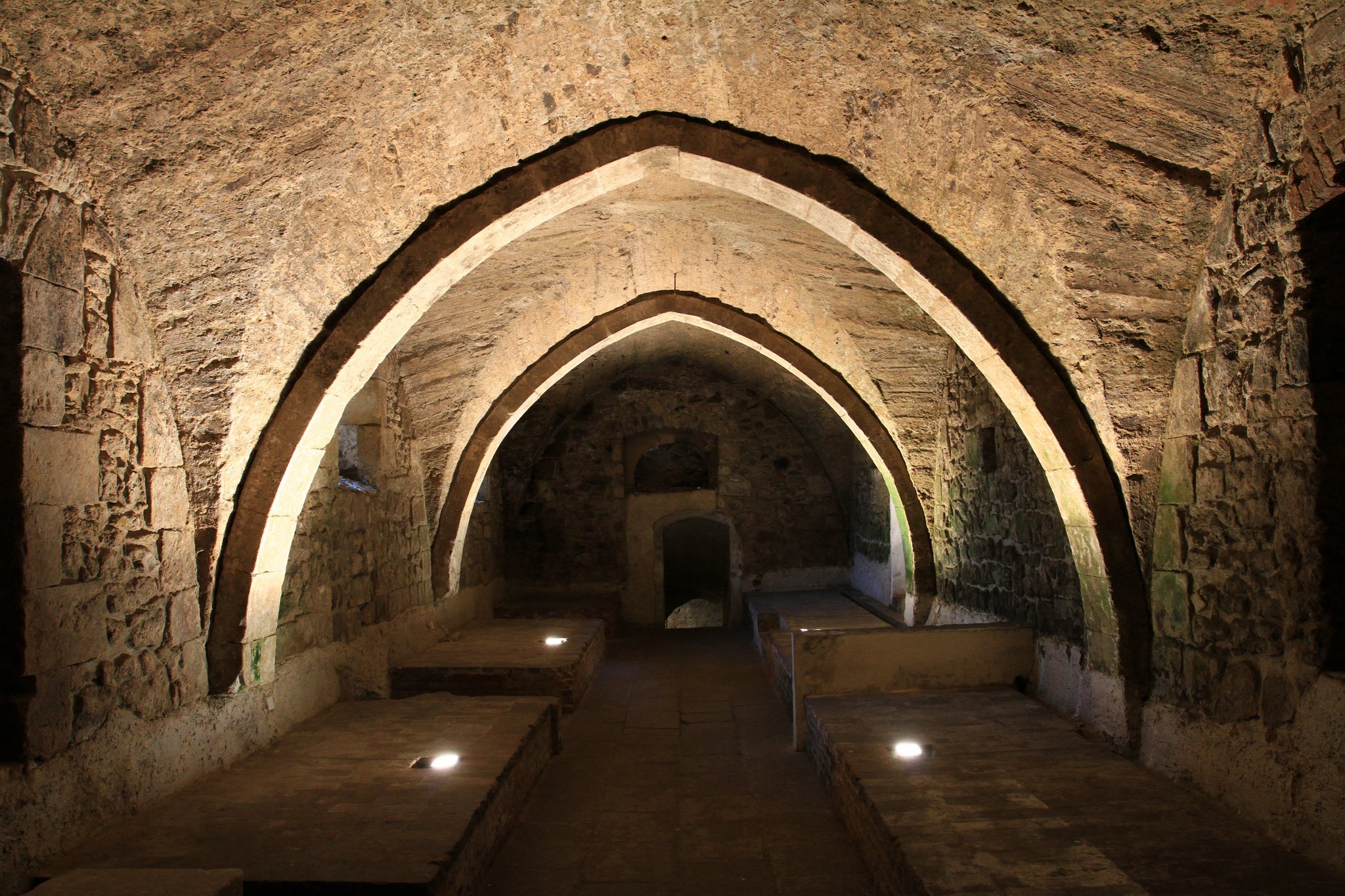
The surviving complex consists of a small hall, a large convent hall, and the Chapel of Saint John the Baptist. These late Romanesque and Gothic buildings preserve the medieval commandry within the later Renaissance chateau.
Surviving medieval buildings
Small hall
The small hall is one of the spaces revealed during the 1991 uncovering of the commandry remains. It forms part of the preserved medieval complex incorporated into the Renaissance chateau.
Large convent hall
The large convent hall is another surviving component of the commandry. Its preservation within the later chateau contributes to the surviving representation of the commandry’s medieval architectural traditions.
Chapel of Saint John the Baptist
The Chapel of Saint John the Baptist is preserved as part of the commandry complex and has been reconsecrated. It remains usable for liturgical functions, retaining a religious purpose within the surviving medieval buildings.