Příčovy Castle: A Baroque Estate Complex in Czechia
Site at a Glance
- Rating
- 4
- Popularity
- Very Low
- Country
- Czechia
- Primary era
- Early Modern
- Eras represented
- Early Modern, Modern
- Civilizations
- Habsburg, Holy Roman Empire, Kingdom of Bohemia
- Site type
- Domestic
- Remains
- Castle
On this page10 sections
History
Medieval and ecclesiastical ownership
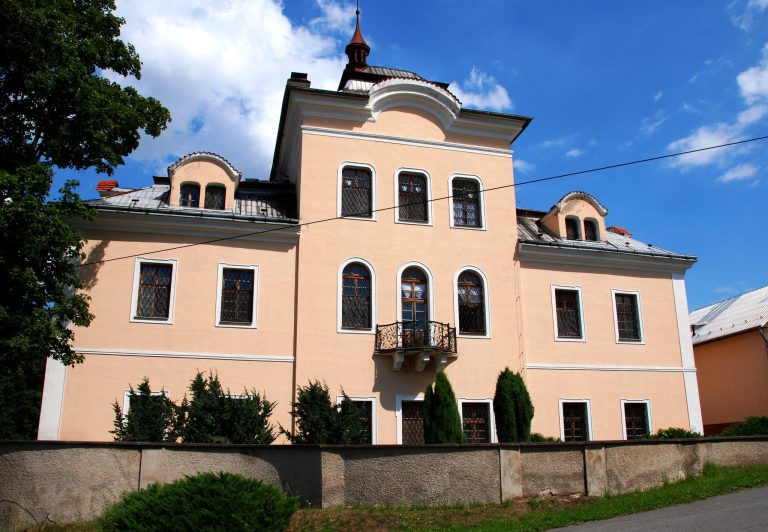
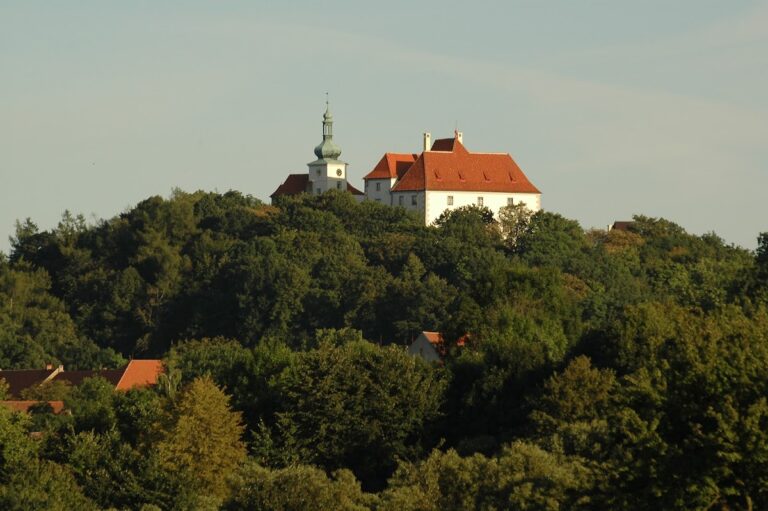
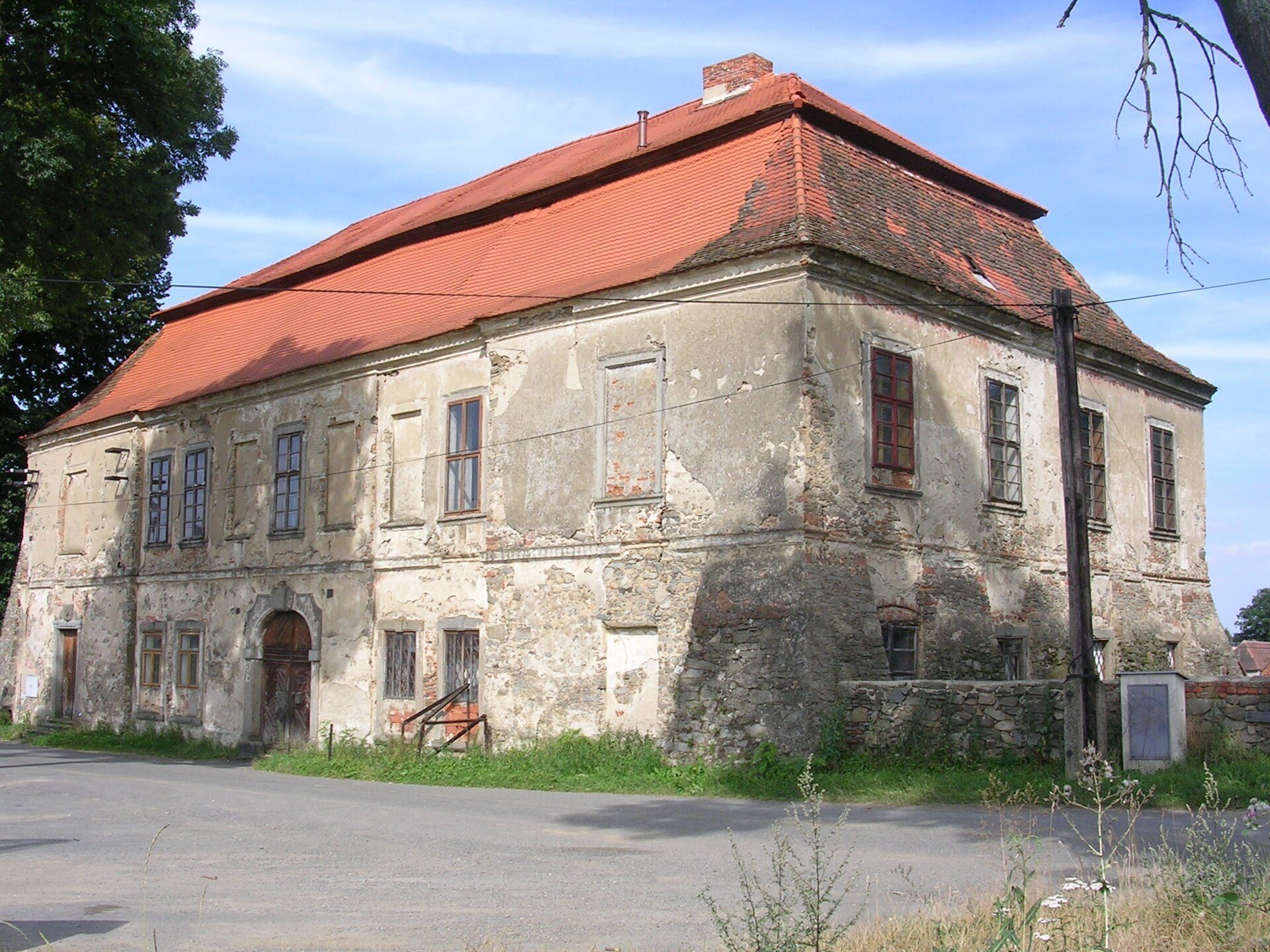
Příčovy Castle is a Baroque castle in Czechia, built in 1712–1714 as the center of a newly established estate. Příčovy was first recorded in 1365 as property of the Rosenberg family. In the final quarter of the fourteenth century, it passed to the Convent of St. George at Prague Castle, a major Benedictine women’s religious institution, which held it until 1436.
After 1436, local noble families and the Catholic Church successively controlled Příčovy until the seventeenth century. Following the execution of the nobleman Diviš Černín of Chudenice in 1621, his wife Anna was required to surrender the property. The Prague Metropolitan Chapter of St. Vitus, the ecclesiastical body attached to St. Vitus Cathedral in Prague, recovered the estate and decided to sell it in the 1690s. Pope Innocent XII, head of the Roman Catholic Church from 1691 to 1700, authorized the sale in December 1698.
The Schönpflug estate
In 1712, the Prague burgher Ferdinand Ignác Schönpflug of Gamsenberg bought the Příčovy estate and the village of Příčové Luhy with its associated property for 6,700 gulden. Příčovy then became the center of a new estate. Schönpflug built the castle and its manorial farmyard between 1712 and 1714. A manorial farmyard was an agricultural and administrative center attached to a noble estate, managing the lord’s lands and supplying the residence. The complex also included the Chapel of St. Adalbert, consecrated in 1716.
Nineteenth- and twentieth-century changes
The estate changed hands repeatedly until the early nineteenth century. In 1805, the indebted Příčovy estate was purchased for 80,000 gulden by František Josef Maximilian of Lobkowicz. The Lobkowicz family was a prominent Bohemian and Central European noble house. He incorporated Příčovy, together with Skrýšov, into his estate centered at Vysoký Chlumec.
Land reform affected the Lobkowicz estate in 1923 and 1925. Most of the land belonging to the Příčovy farmyard passed to its existing tenant, E. Verner. Antonín Hamerský, a former gardener from Mitrovice, purchased the castle, granary, and nine hectares of land. His descendants owned the castle until 2009, when they sold it to other owners.
Repairs and current status
Earlier owners abandoned reconstruction plans because of high costs and administrative obstacles. Physician Alice Tomková purchased the castle in 2015 and began repairs, starting with the chapel. She also planned the restoration of the granary and a comprehensive repair project for the castle. The complex is listed in the Central Register of Immovable Cultural Monuments of the Czech Republic and remains privately owned.
The chapel continues to serve a religious function during the Příčovy pilgrimage, a religious observance associated with a sacred place or feast, held two weeks after Easter. In August 2017, restored statues of the Virgin Mary, St. Wenceslas, St. John of Nepomuk, and St. Francis were blessed by Prague Archbishop Dominik Duka, who also celebrated Mass in the chapel.
Remains
Castle complex and agricultural buildings
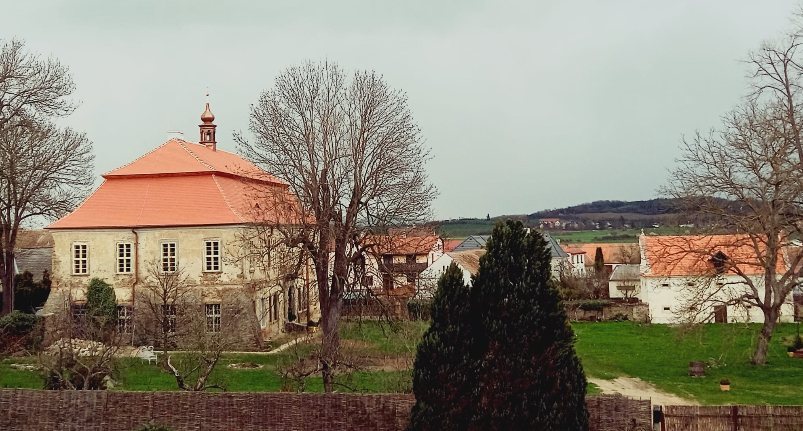
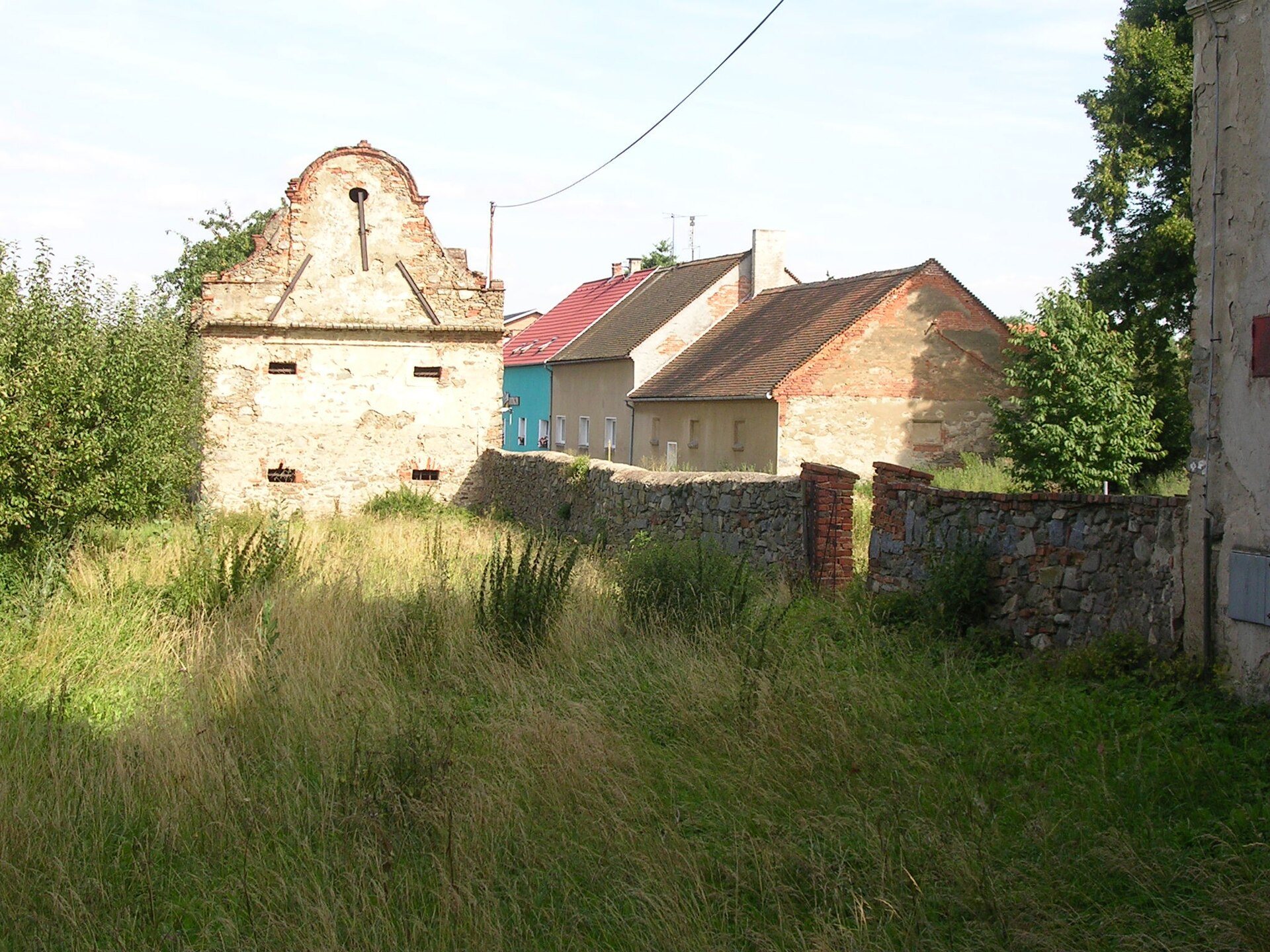
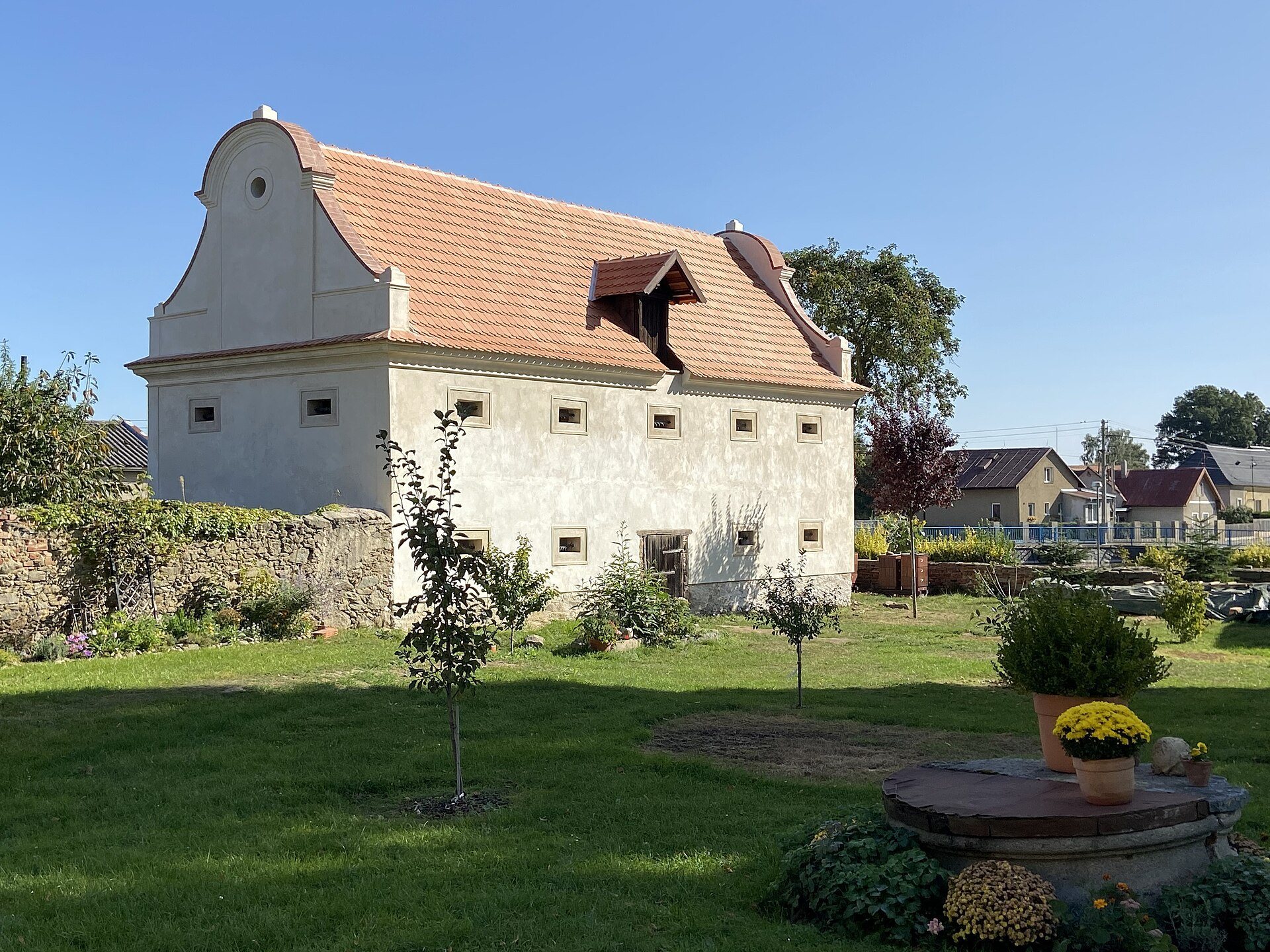
Příčovy Castle stands in the central part of Příčovy, west of Jordán Pond. The complex consists of the castle building with the Chapel of St. Adalbert, a castle garden, and a Baroque granary beside the pond’s western bank. The buildings were structurally modified in the nineteenth century. The granary later served a unified agricultural cooperative before being restored.
Castle building
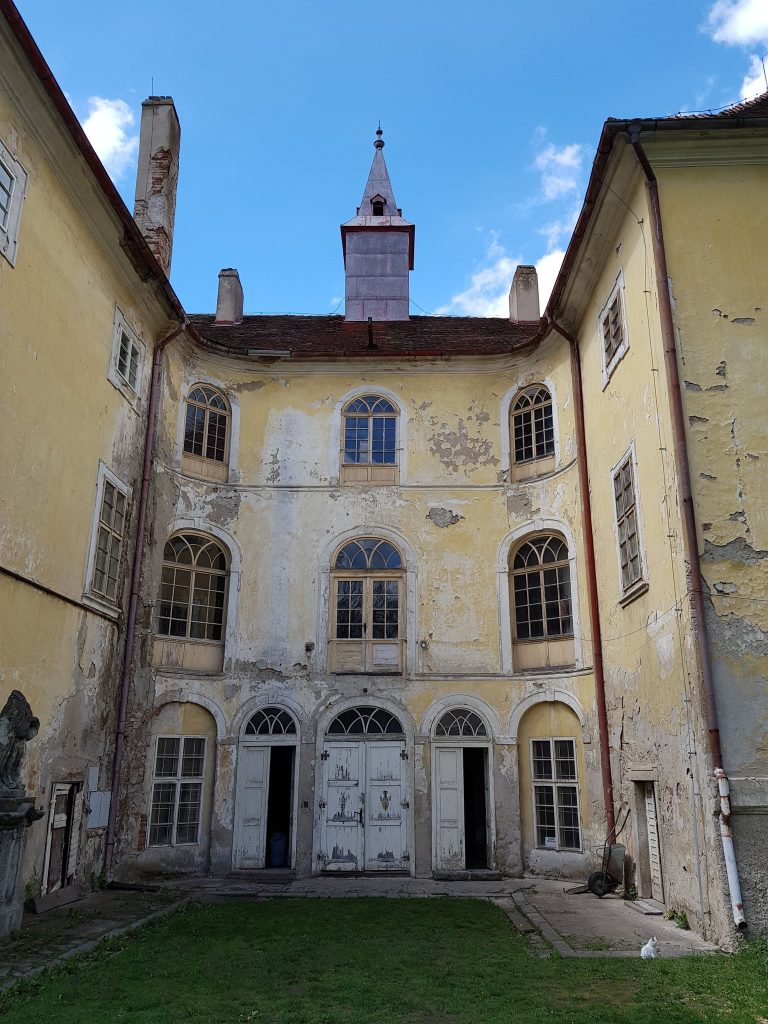
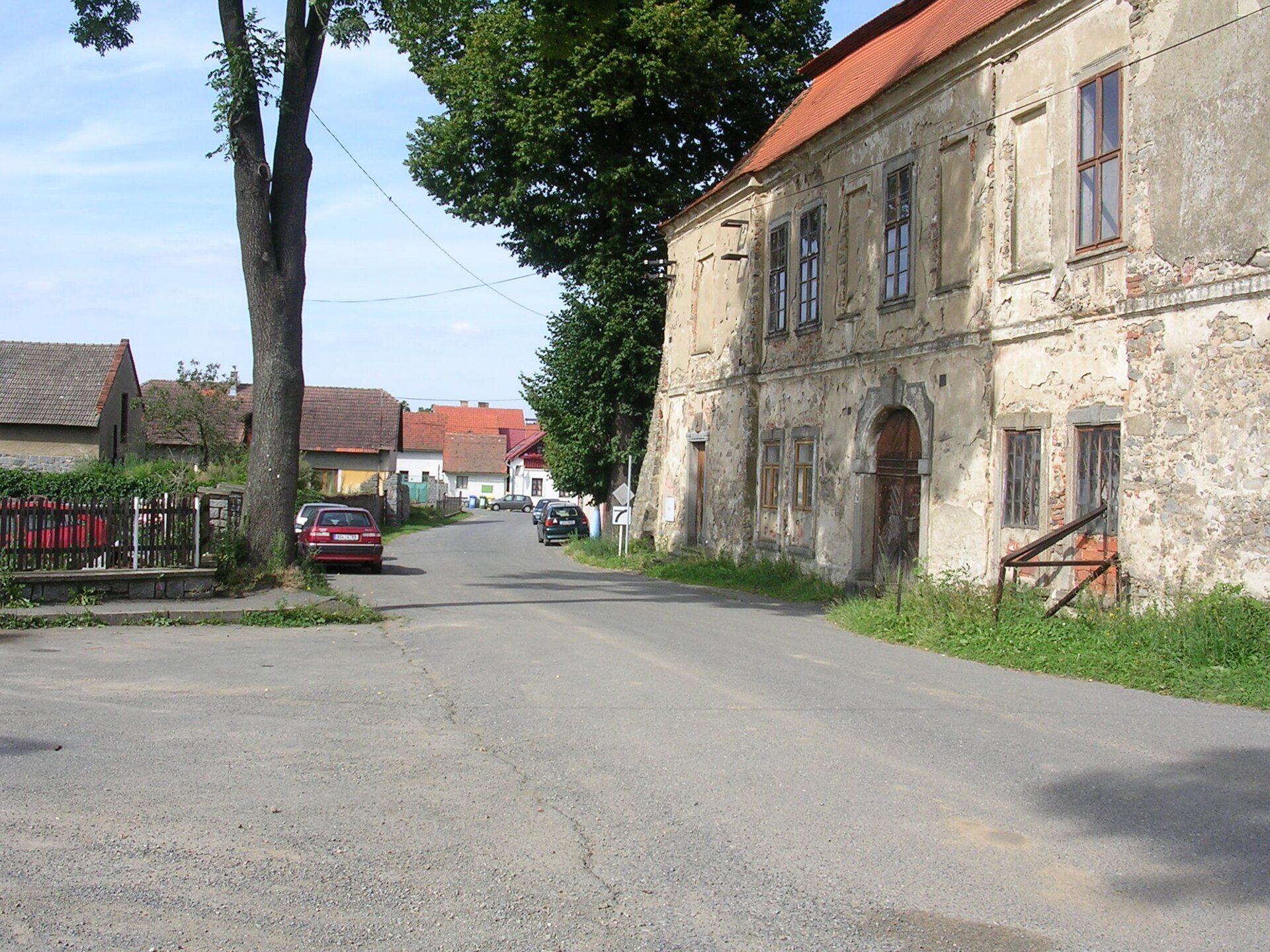
The two-storey castle is built from quarried stone supplemented with brick and covered by a double mansard roof. A mansard roof has two slopes on each side, with the lower slope steeper than the upper one. On the eastern side, a Baroque portal is surmounted by a lion’s-head relief holding a circle in its mouth. A vaulted passage runs through the entire building.
Chapel of St. Adalbert
The chapel is entered from the road on the western side of the castle and rises above the building’s first floor. Its roof formerly carried a small turret containing two bells; the turret was removed in the 1980s. The main altar contains a painting of the Assumption of the Virgin Mary. Side altars carry paintings of the Guardian Angel and St. Isidore of Madrid, a saint traditionally associated with farming and rural life. Above the chapel entrance is a relief of an angel’s head.
Garden and granary
The garden was originally arranged symmetrically, with agricultural pavilions at its sides and an arbor at the far end. Its surviving central feature is the stone body of a fountain. The Baroque granary stands beside the western bank of Jordán Pond and forms part of the agricultural complex associated with the castle.