Monastery in Slaný: An Early Baroque Franciscan and Carmelite Complex
Site at a Glance
- Rating
- 4.8
- Popularity
- Very Low
- Country
- Czechia
- Primary era
- Early Modern
- External website
- Open
- Eras represented
- Early Modern, Modern
- Civilizations
- Austria-Hungary, Habsburg, Holy Roman Empire, Kingdom of Bohemia
- Site type
- Religious
- Remains
- Monastery
On this page11 sections
History
The Monastery in Slaný in Czechia is an early Baroque complex founded for the Franciscans between 1655 and 1662 during the restoration of the Church of the Holy Trinity. The project followed the church’s destruction in 1623 during the Thirty Years’ War, the European conflict of 1618 to 1648 whose religious and dynastic struggles caused widespread damage in Central Europe. The Catholic nobleman Bernard Ignác Jan of Martinic, owner of the Slaný estate, initiated the work with his wife Veronika Polyxena, née Holická of Sternberg.
Foundation and Franciscan Development
The first Franciscans, members of the order founded in the tradition of Saint Francis of Assisi, came from Znojmo. Among them were Father Alexandr Radlinský and Father Serafín Fridrich. They initially lived in a house on the town square, now numbered 8, while construction proceeded. Once the first phase was complete, the friars moved into the monastery in 1658.
The complex suffered a major fire on 28 June 1665 after a solemn service and a banquet held in the refectory, the monastery’s communal dining hall, by Bernard Ignác Jan of Martinic and his second wife, Zuzana Polyxena of Dietrichstein. One church tower collapsed, the church vault was breached, and the bells melted. Martinic ordered the repairs, and the rebuilding included an enlargement of the church nave, its principal space for the congregation.
Philosophical studies were established at the monastery in 1690. From 1728, an avenue leading toward the complex carried statues of Christ the Savior, the Sorrowful Virgin Mary, and three Franciscan patron saints. These sculptures were later transferred into the church between 1891 and 1893. The damaged statues of Saint Francis and Saint Anthony of Padua were replaced by works made by Adolf Havel, a sculptor and stonemason from Slaný.
Suppression Threats and Religious Change
The monastery came under threat during the reforms of Emperor Joseph II, whose late-eighteenth-century policies sought to reduce religious institutions considered unnecessary to the state. A decree issued in 1782 ordered its abolition, and a commissioner arrived to inventory its property. The suppression was abandoned for reasons that remain unknown, although the community was reduced in size in 1786.
A further proposal in 1795 planned to transfer the buildings to the Piarists, a Catholic teaching order devoted to educating children and young people. In 1802, Emperor Francis I ordered that the transfer should proceed. The monastery nevertheless remained with the Franciscans after the estate owner, Karel Clam-Martinic, appealed to the emperor on its behalf.
Twentieth-Century Disruption and Renewal
The Franciscans remained at Slaný until 1950, when the Communist regime forcibly closed the institution and expelled the friars. Between 1950 and 1989, the buildings served various purposes, including storage and the headquarters of a Svazarm driving school. Svazarm was a Czechoslovak state-sponsored organization connected with military preparation and technical training.
The monastery returned to the Franciscans in 1992 in very poor technical condition. They donated it to the Discalced Carmelites in 1995, and a small Carmelite community has lived and worked in Slaný since 1996. Discalced Carmelites belong to a reform branch of the Carmelite order whose members traditionally follow a stricter form of religious life. Extensive reconstruction has continued under their care. The monastery and the associated Church of the Holy Trinity are protected as a Czech cultural monument.
Remains
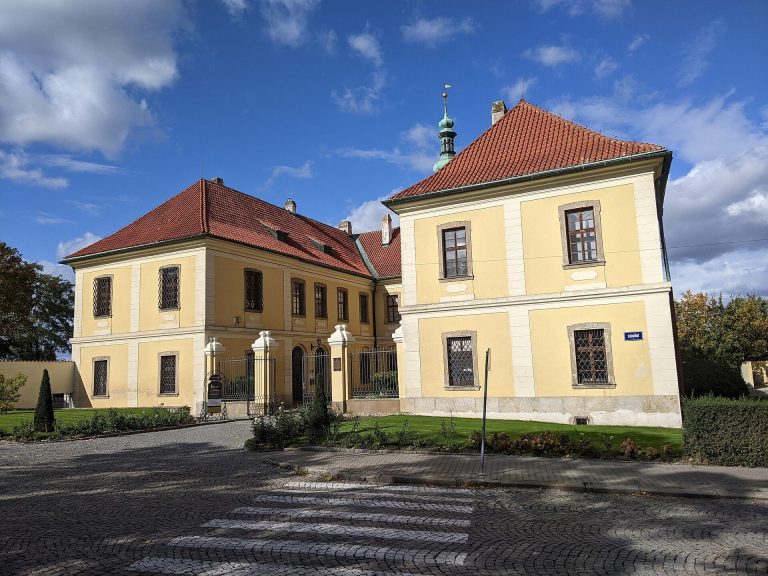
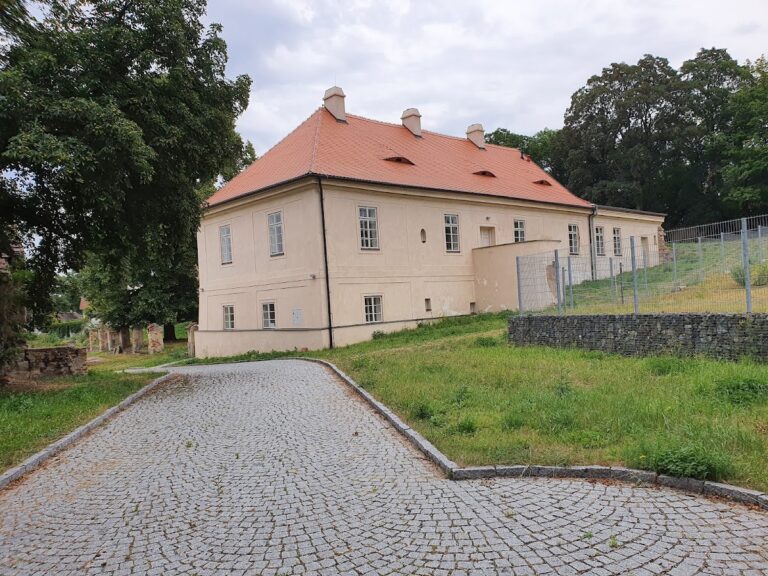
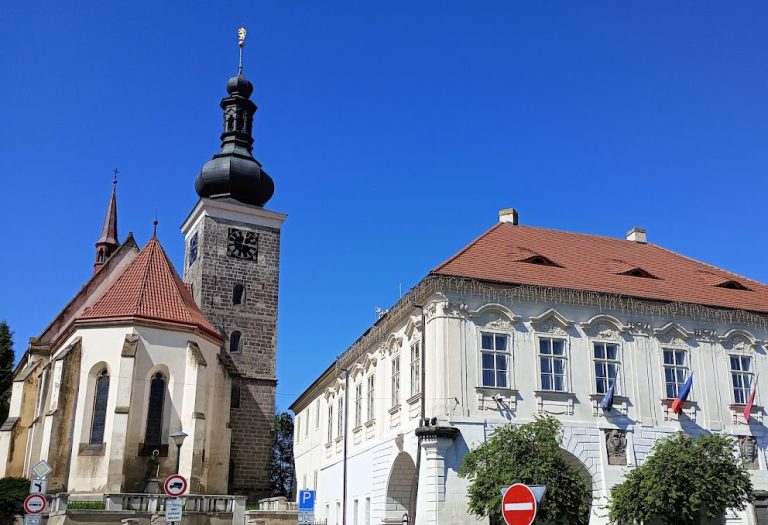
The Monastery in Slaný stands on elevated ground north of the town center, beside a cemetery in the area formerly known as Na Golgota. The protected complex comprises the monastery, the Church of the Holy Trinity, a Loreto chapel, an enclosed garden, the cemetery, boundary walls, terraces, numerous statues, and several gravestones. The monastery stands in a park beside the cemetery at Hlaváčkovo náměstí, house no. 221.
Monastery Grounds and Enclosure
Monastery and Boundary Walls
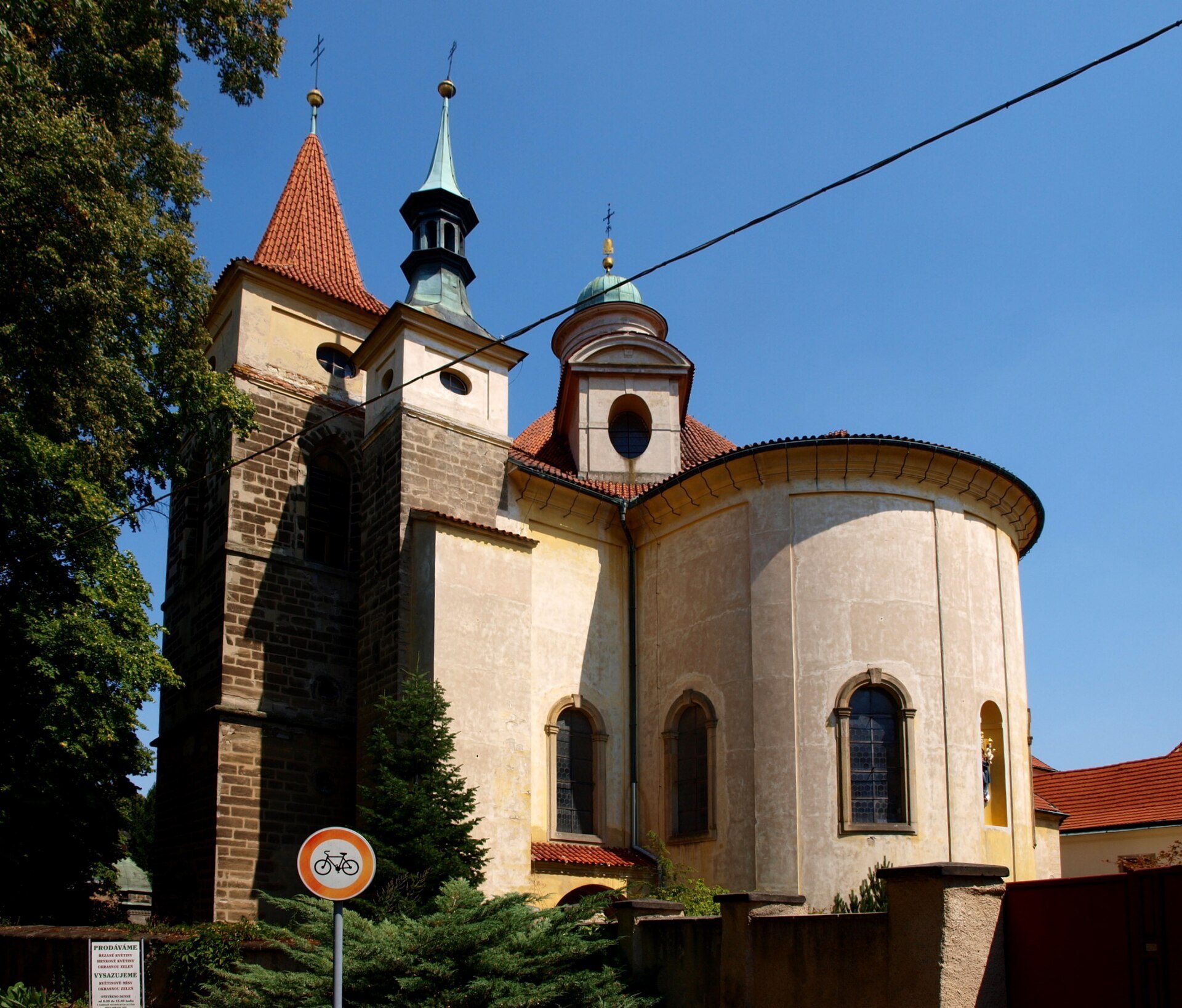
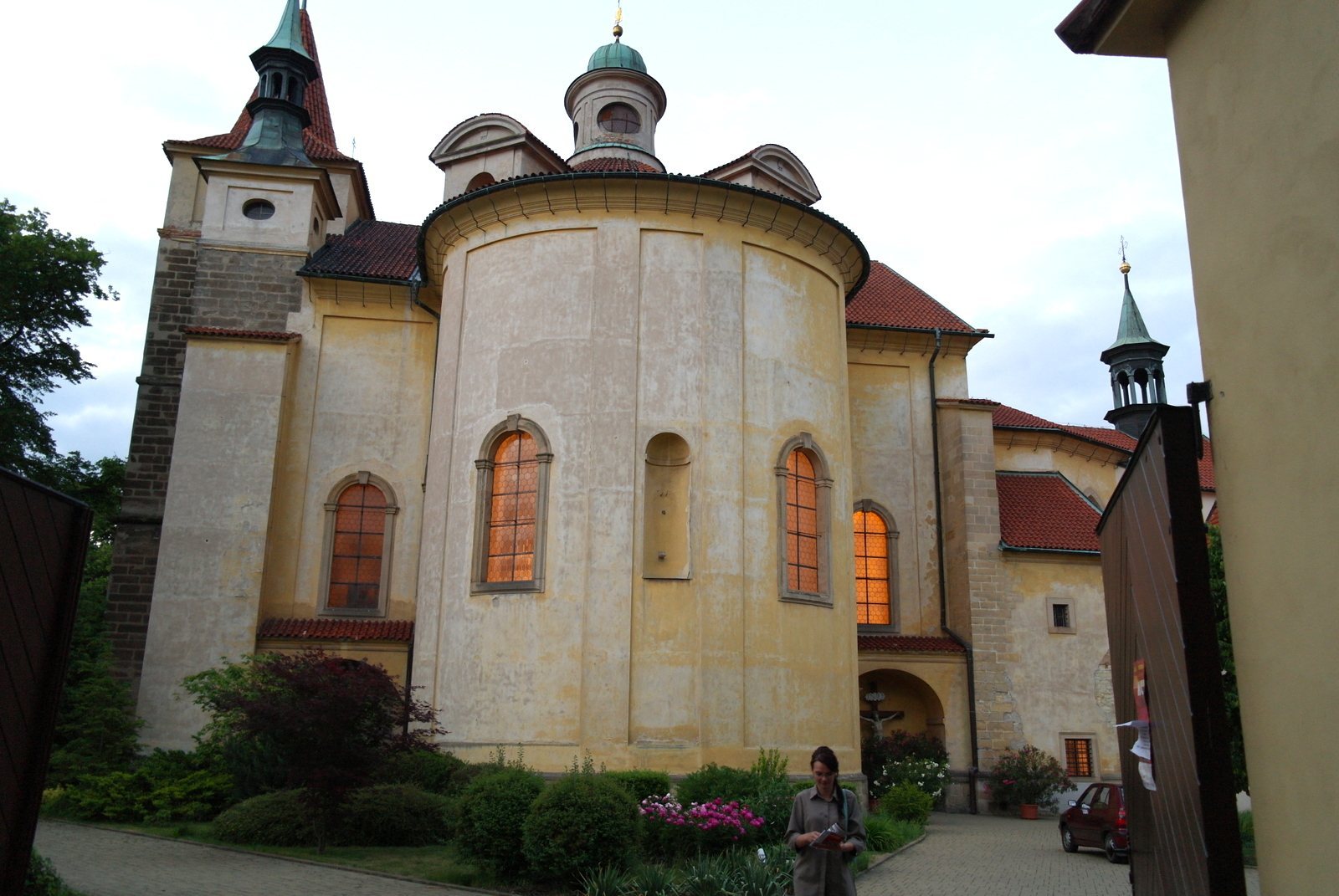
The monastery is an early Baroque complex constructed between 1655 and 1662. Its design is attributed to Giovanni Domenico Orsi de Orsini. The convent was attached to a smaller Renaissance church, which was later dedicated to the Holy Trinity. Walls enclose the grounds, and several gates provide entry into the complex. The protected remains include the monastery wall, the garden wall, terraces, and the enclosed garden. Reconstruction has addressed the buildings after their return to the Franciscans in 1992 in poor technical condition.
Cemetery and Associated Features
The cemetery forms part of the protected complex beside the monastery. The grounds also contain numerous statues and several gravestones, linking the religious buildings with the surrounding burial area. The complex includes the Loreto chapel, a chapel commemorating the Holy House of Loreto, which is traditionally associated with the Virgin Mary.
Church and Sculptural Avenue
Church of the Holy Trinity
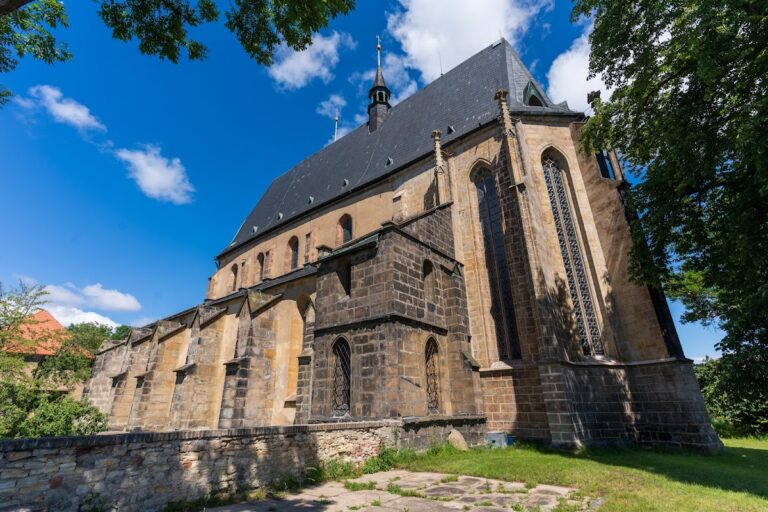
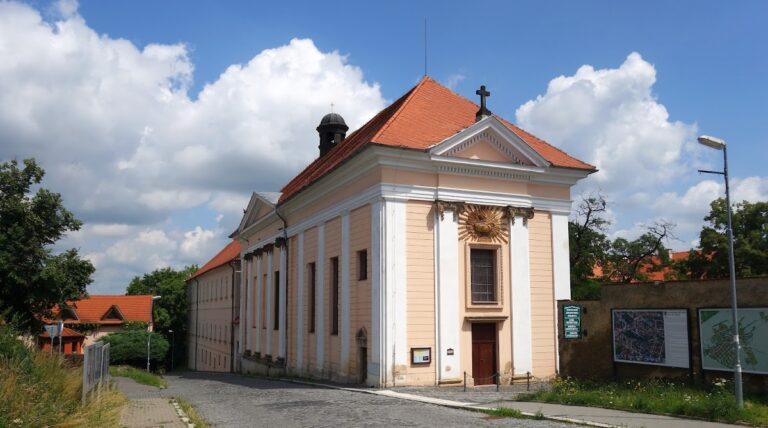
The Church of the Holy Trinity began as a smaller Renaissance church to which the monastery was attached. It was restored after destruction in 1623, and the rebuilding of 1665 and after followed the fire that brought down one tower, breached the vault, and melted the bells. The church nave was enlarged during this work. The church forms part of the protected monastery complex.
Statues Along the Approach
An avenue of lime trees along the road to the monastery was furnished from 1728 with statues of Christ the Savior, the Sorrowful Virgin Mary, and three Franciscan patron saints. Between 1891 and 1893, the statues were moved into the church. Adolf Havel replaced the damaged figures of Saint Francis and Saint Anthony of Padua with new works.