Veselíčko Castle: A Late Baroque Estate Castle in Czechia
Site at a Glance
- Rating
- 5
- Popularity
- Very Low
- Country
- Czechia
- Primary era
- Early Modern
- Eras represented
- Early Modern
- Civilizations
- Habsburg, Holy Roman Empire
- Site type
- Domestic
- Remains
- Castle
On this page7 sections
History
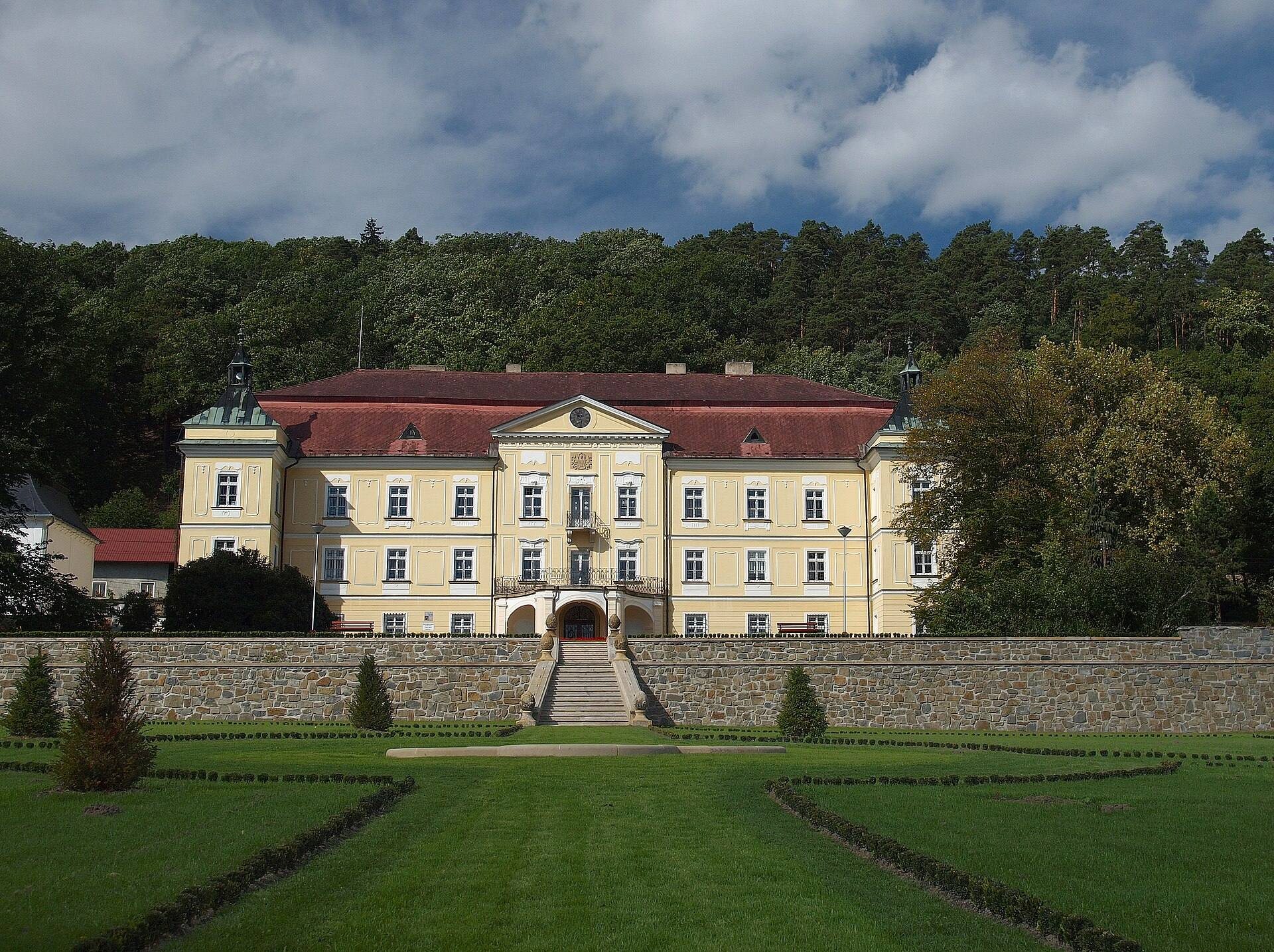
Veselíčko Castle is a late Baroque castle in Czechia, reconstructed in 1768–1769 from an earlier fortress and serving as the center of the Veselíčko estate. Its history also includes military hospitals connected with the Napoleonic Wars, long-term educational use after 1945, and continued protection as both a cultural and natural monument.
From village to estate center
The first written mention of Veselíčko dates to 1275. After 1548, Erazim of Bobolusky, a sixteenth-century nobleman associated with the estate, built a fortress and brewery there. Veselíčko consequently became the administrative center of an estate. From 1573, the property belonged to the Podstatsky family of Prusinovice.
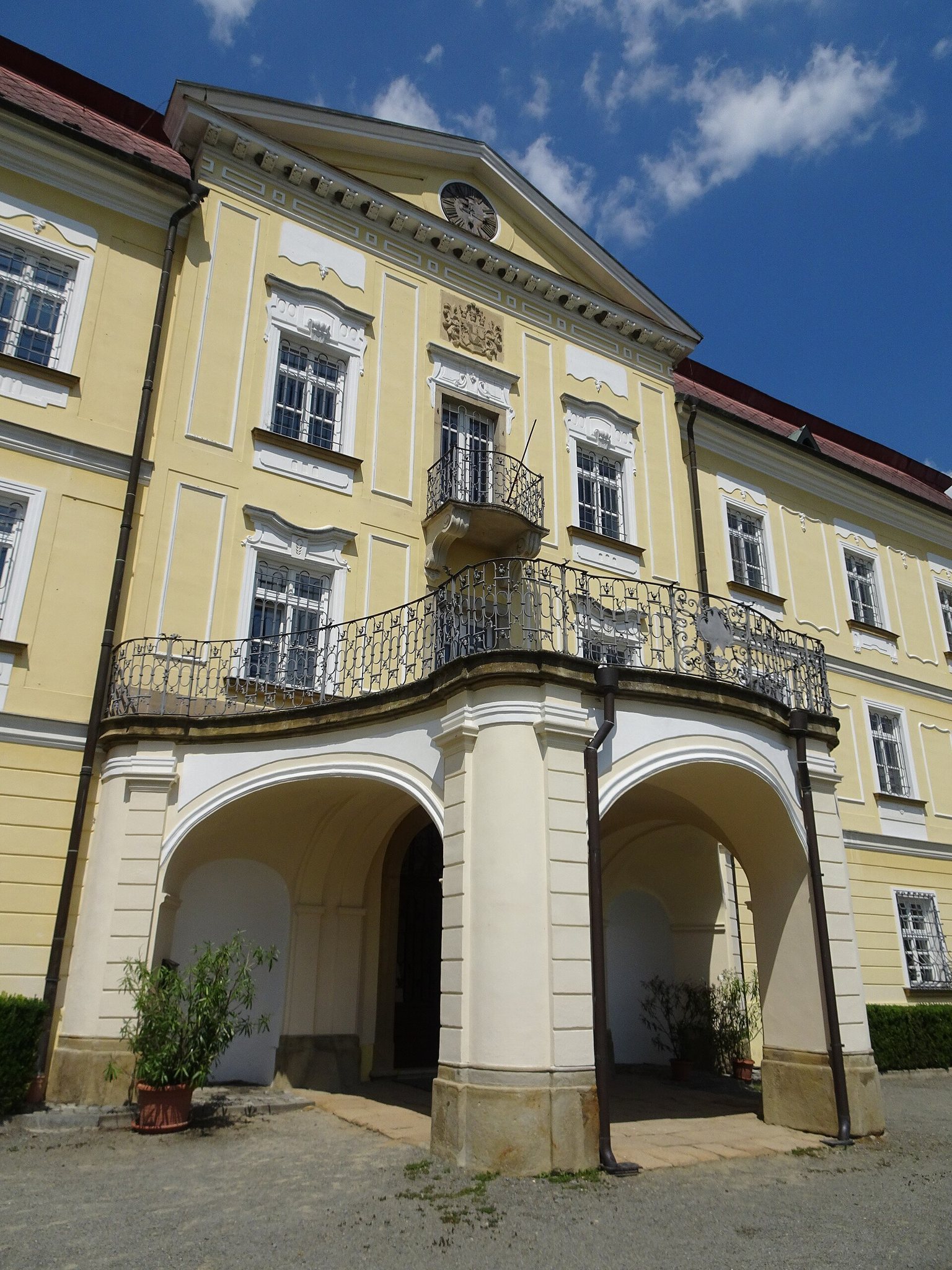
A domestic chapel was added to the fortress during the seventeenth century and is recorded in 1669. In 1768–1769, the builder Thalherr of Fulnek reconstructed the fortress as a late Baroque castle. Late Baroque was the later eighteenth-century development of a European style known for elaborate decoration and dynamic spatial effects. The Podstatsky family retained ownership until 1945.
Military hospitals and commemorative landscape
In 1805, the castle became a field hospital, a wartime medical facility for wounded or sick soldiers, after the Battle of Austerlitz. A military cemetery was established above the nearby village for approximately 700 fallen soldiers. The castle served again as a military hospital after the Battle of Wagram in 1809 and the Battle of Leipzig in 1813.
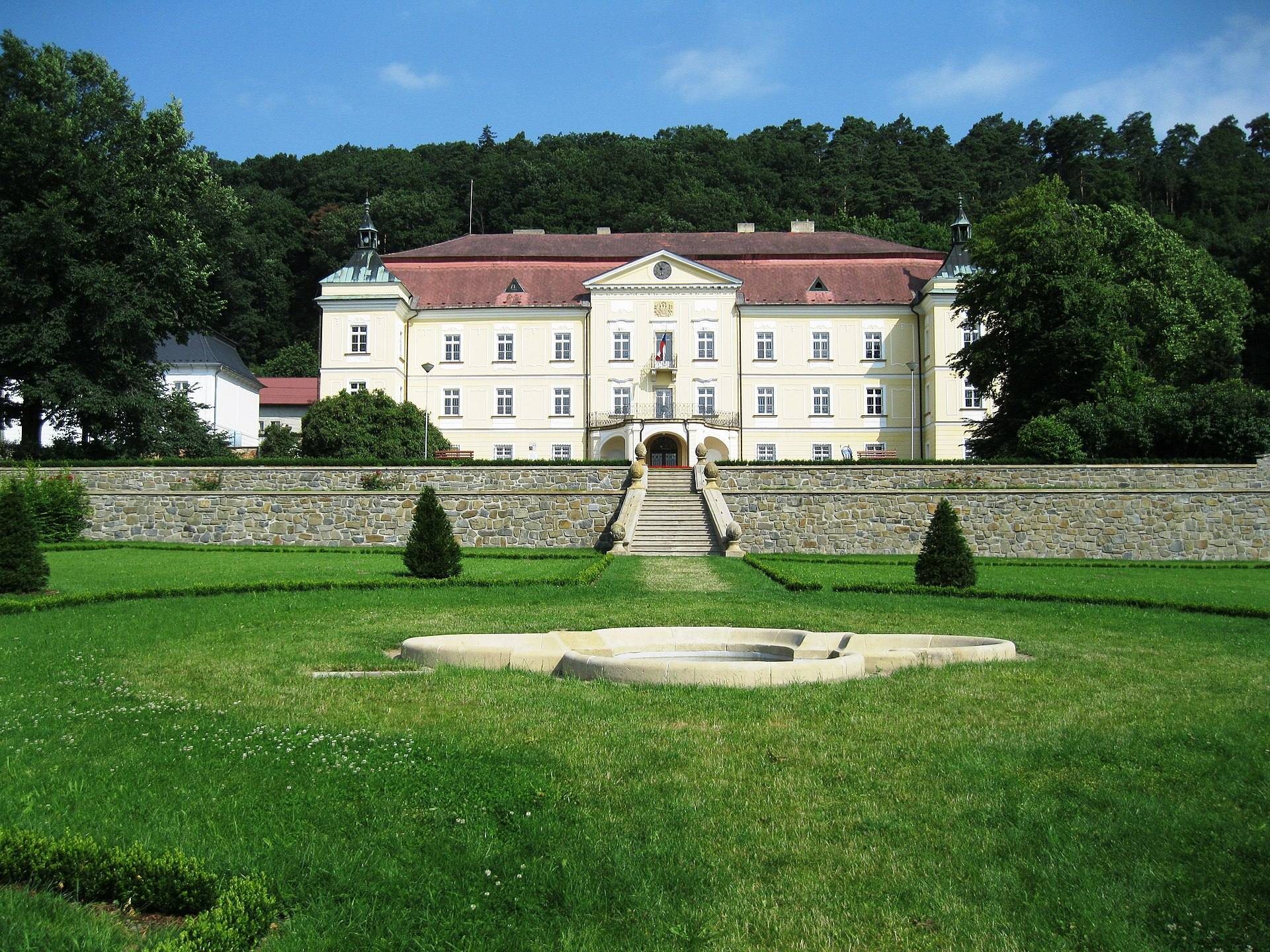
A terraced French garden was established in 1778, while a natural-landscape English park was developed around the turn of the eighteenth and nineteenth centuries. Around the turn of the nineteenth and twentieth centuries, a park was established beside the castle. On Castle Hill, a memorial was erected for the centenary of the Battle of Austerlitz to commemorate soldiers who had died in the local hospital.
Use after 1945
Since 1945, the castle has housed an educational institution for boys subject to institutional or protective education until they complete compulsory schooling. This form of state-supervised residential care and education is intended for children or young people requiring long-term protection, supervision, or corrective support. The institution was established by the Czech Ministry of Education, Youth and Sports, which is also the current owner.
The original Podstatsky family portrait gallery was transferred to Telč Castle and incorporated into its visitor route. Veselíčko Castle was reconstructed in 2009–2011. It is protected as a cultural monument, and the castle building is also protected as the Veselíčko natural monument because of the bat colony in its attic.
Remains
Veselíčko Castle is a two-storey building with a rectangular ground plan. The former estate complex also included a farmyard with a stable, a barn, and single-storey residential buildings. The surviving grounds combine the castle building with a terraced French garden and a larger natural-landscape park.
Castle building and chapel
The castle retains the Chapel of Saint Francis of Paola, whose interior contains rare frescoes. The building’s late Baroque form derives from the reconstruction of the earlier fortress in 1768–1769. Its attic provides seasonal shelter for a colony of greater mouse-eared bats, Myotis myotis, a large insect-eating European bat. During the summer, the colony numbers approximately 210–420 individuals.
Gardens and park
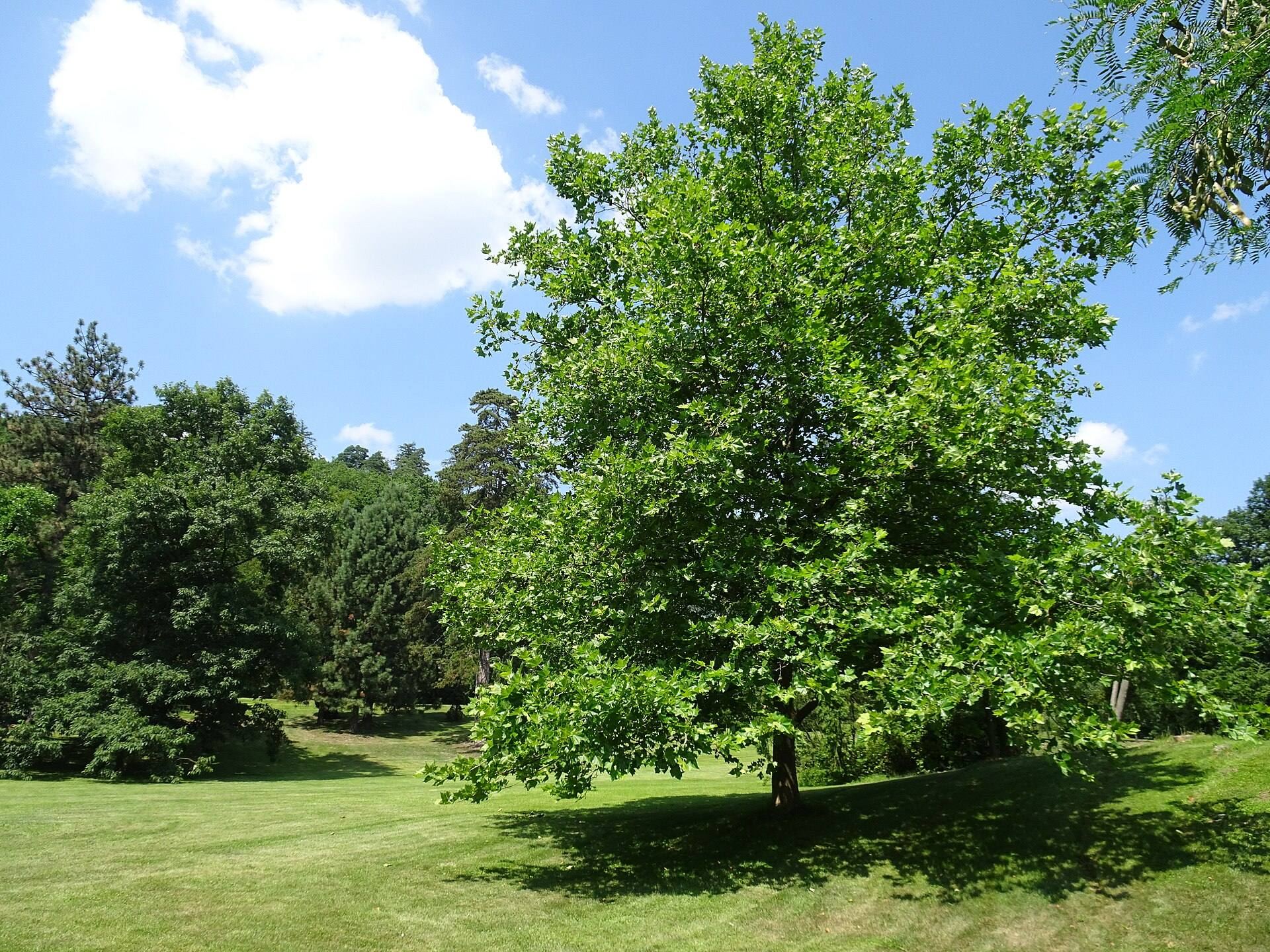
The grounds include a terraced French garden dating from 1778 and an English park developed from around the turn of the eighteenth and nineteenth centuries. Covering 5.4 hectares, the park contains numerous rare woody plants and is considered among the most valuable parks in northern Moravia from architectural and botanical perspectives. Extensive reconstruction began in 2010, and the park is maintained in good condition.