Fort Nassau: A Dutch Fortified Trading Post in Ghana
Site at a Glance
- Rating
- 4.1
- Popularity
- Very Low
- Country
- Ghana
- Primary era
- Early Modern
- Eras represented
- Early Modern
- Civilizations
- Dutch
- Site type
- Military
- Remains
- Fort
On this page7 sections
History
Fort Nassau is a Dutch fortified trading post in Ghana, near Moree on the historic Gold Coast, built in 1612 during the early seventeenth century. The Gold Coast was the European name for the coastal region of West Africa corresponding largely to present-day Ghana, which was associated with the gold trade. The fort became the first Dutch fort in the territory later known as the Dutch Gold Coast and served as its capital until the Dutch captured Fort Elmina from Portugal in 1637.
Establishment at Mouri
Dutch merchants had traded along the Gold Coast from 1598. The Twelve Years’ Truce of 1609, which temporarily suspended the Dutch revolt against Spanish rule, reduced the military pressure that had limited Portuguese action against Dutch traders. Portugal then attacked Dutch coastal posts, and the Dutch factory at Mouri, also known as Moree or Mawri, was burned in 1610.
Dutch merchants petitioned the States-General, the representative governing body of the Dutch Republic, for permission to build a fort. Jacob Clantius arrived in 1611, and the 1612 Treaty of Asebu with local chiefs allowed the Dutch to establish Fort Nassau at Mouri. A reinforced fort was built that year. The original structure was later considered unstable and unhealthy, partly because Dutch builders had limited experience with tropical conditions.
Expansion and Dutch administration
In 1624, after ownership had passed from the Admiralty of Amsterdam to the Dutch West India Company, the fort was rebuilt or greatly enlarged on a stronger and considerably larger scale. The Dutch West India Company was a chartered commercial and colonial company founded in 1621 with authority to trade, wage war, and colonize in the Atlantic world. Fort Nassau remained the only Dutch fort on the coast until the capture of Elmina in 1637.
The fort formed part of Dutch involvement in the African gold trade and the Atlantic slave trade. Dutch and Portuguese forts in the region also collected a fish tax from local communities, amounting to one-fifth of the catch. Arent Jacobsz van Amersfoort became commander in 1625. His successor, Jan Jochemsz Sticker, arrived on 23 February 1631 aboard the privateer Le Lion Blanc. At that time, 110 Africans worked at the fort, some for wages, under two African captains. The governor described relations with the local population as good.
British capture and later Dutch activity
During the 1781 war between Britain and the Dutch Republic, Captain Thomas Shirley captured Fort Nassau after an unsuccessful British attack on Elmina. Shirley was a British naval officer who commanded the campaign against Dutch positions on the Gold Coast. The fort was then occupied by Britain and carried 20 guns when it was captured.
Dutch efforts in the region continued for centuries. Attempts to establish or exploit gold mines in the 1830s and again from 1847 to 1849 failed. Work near Dabokrom was abandoned, and the area had fallen into ruins by 1859. Fort Nassau is included among Ghana’s coastal forts and castles inscribed on the UNESCO World Heritage List in 1979, a designation reflecting the sites’ connection with European colonial expansion, the African gold trade, and the Atlantic slave trade.
Remains
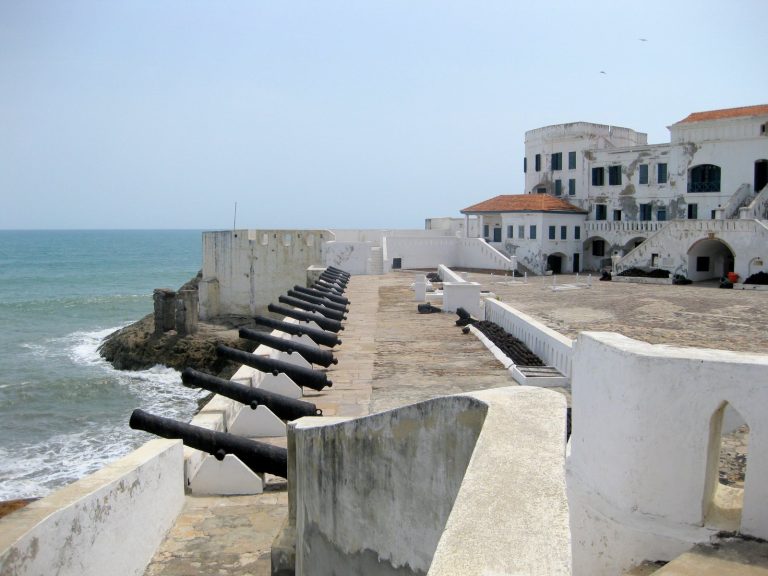
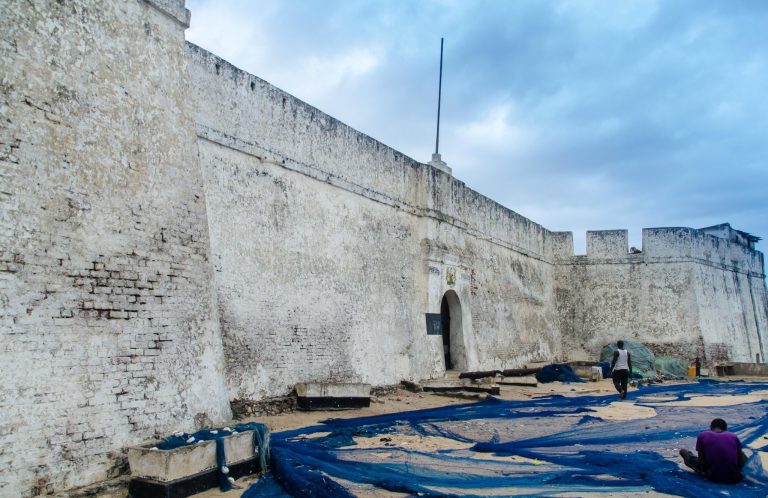
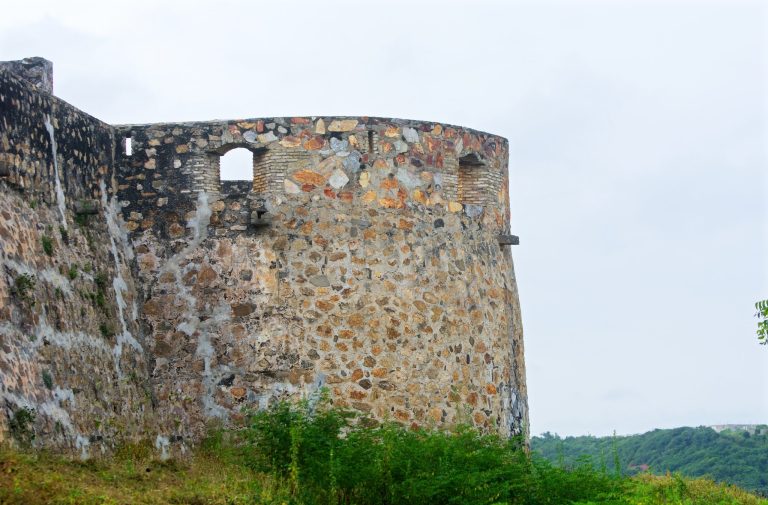
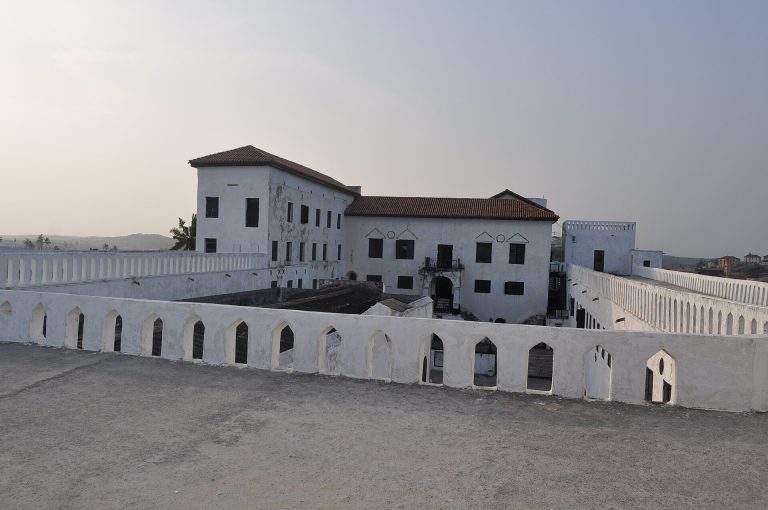
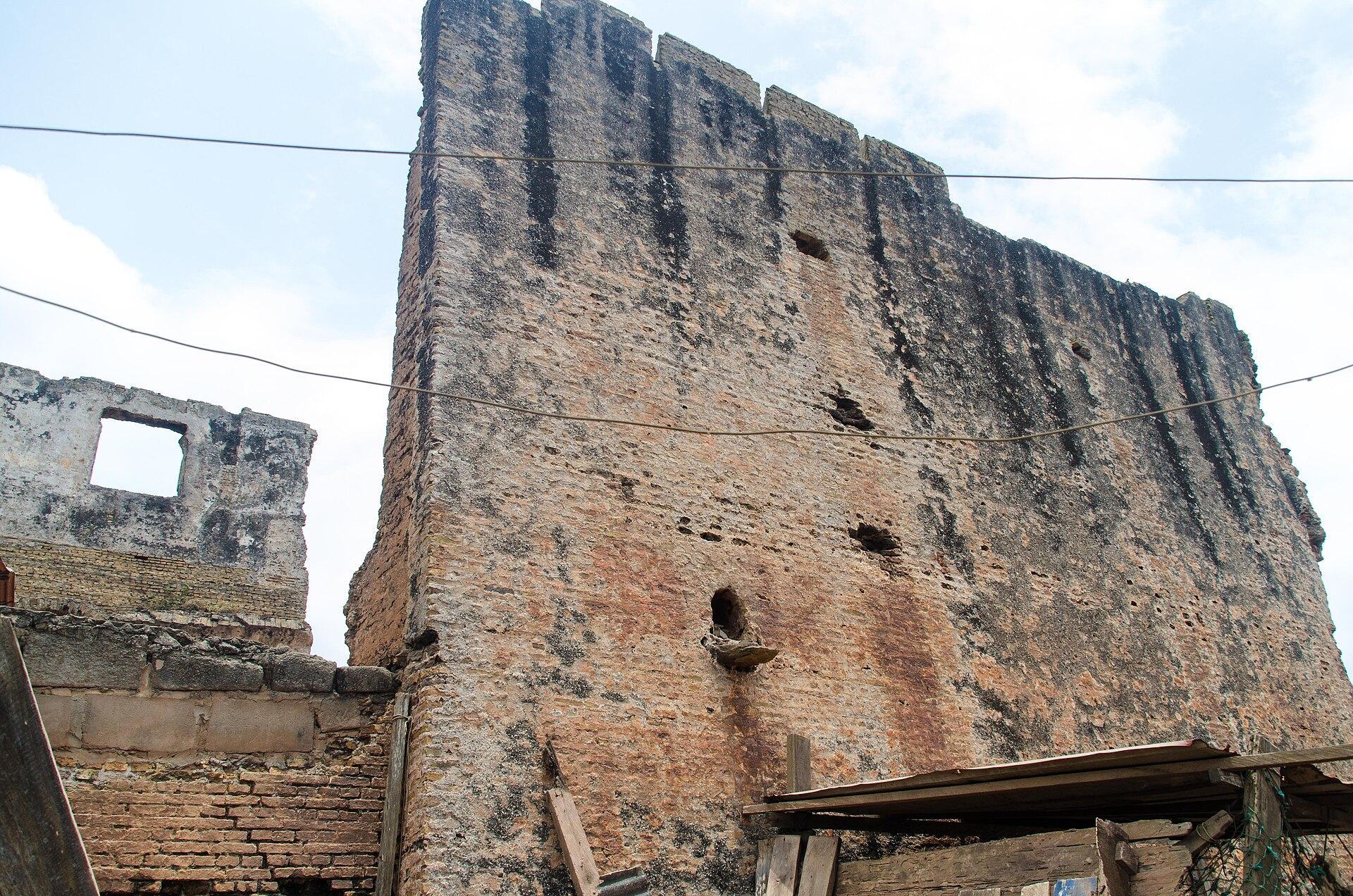
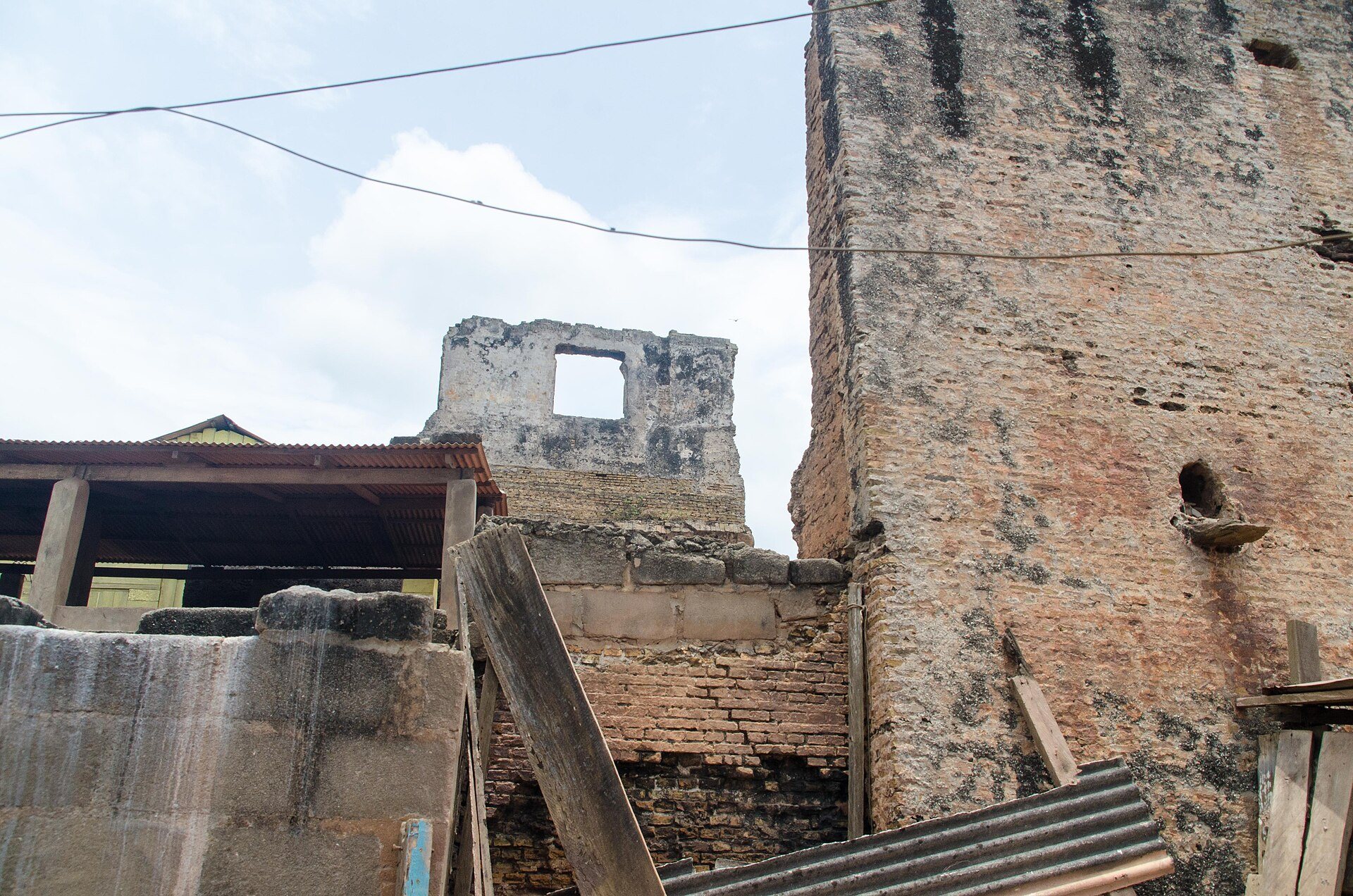
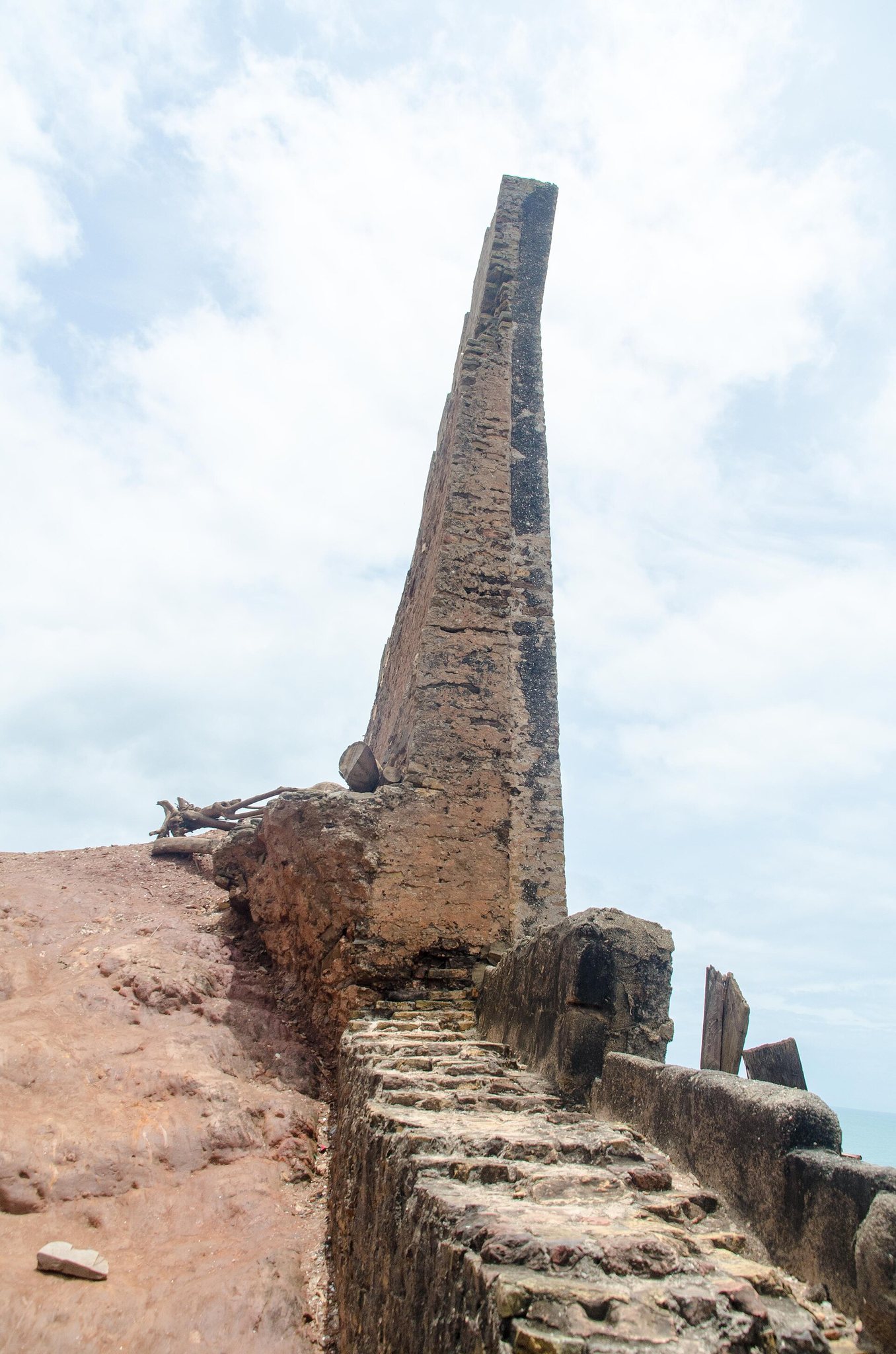
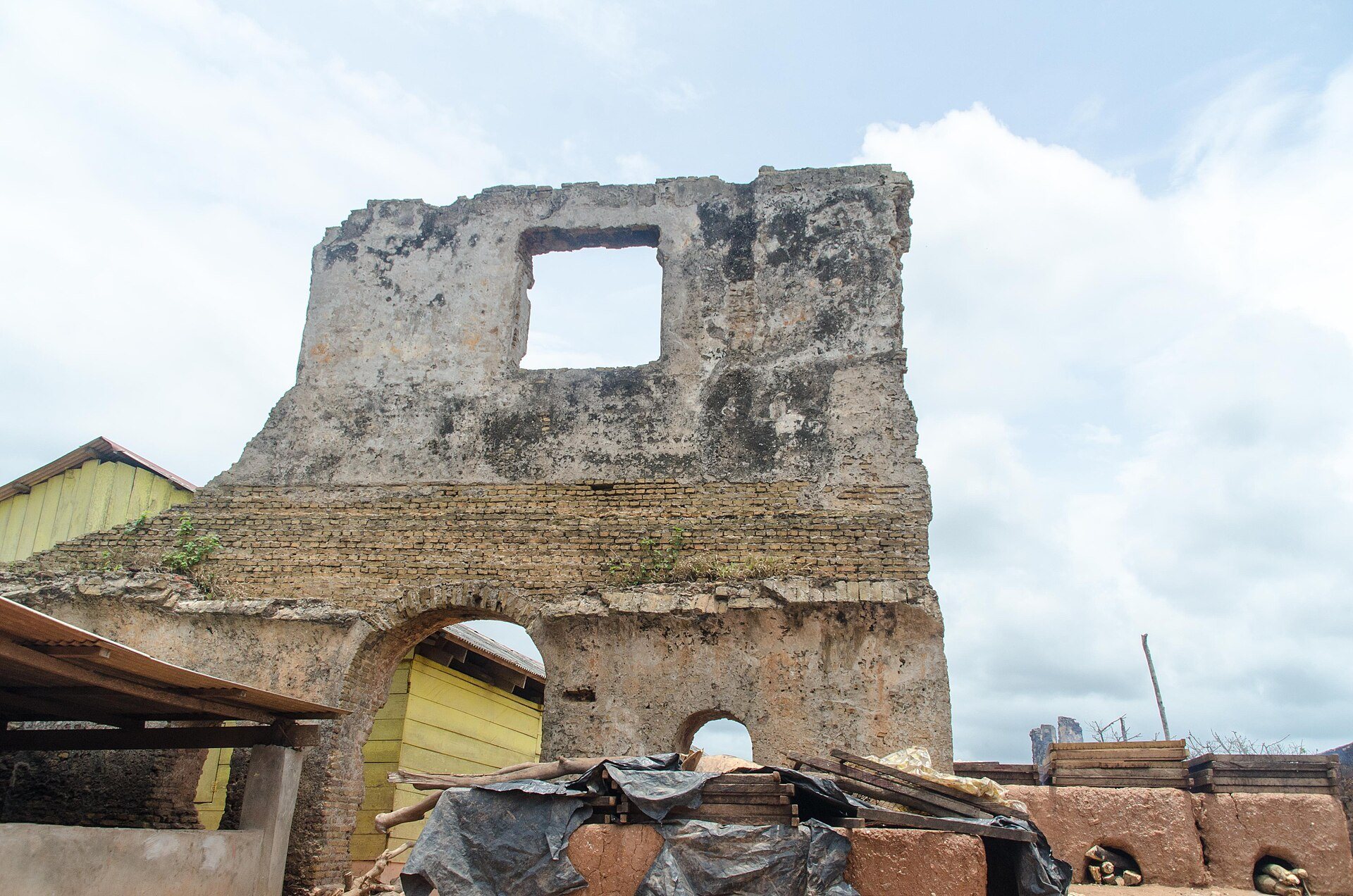
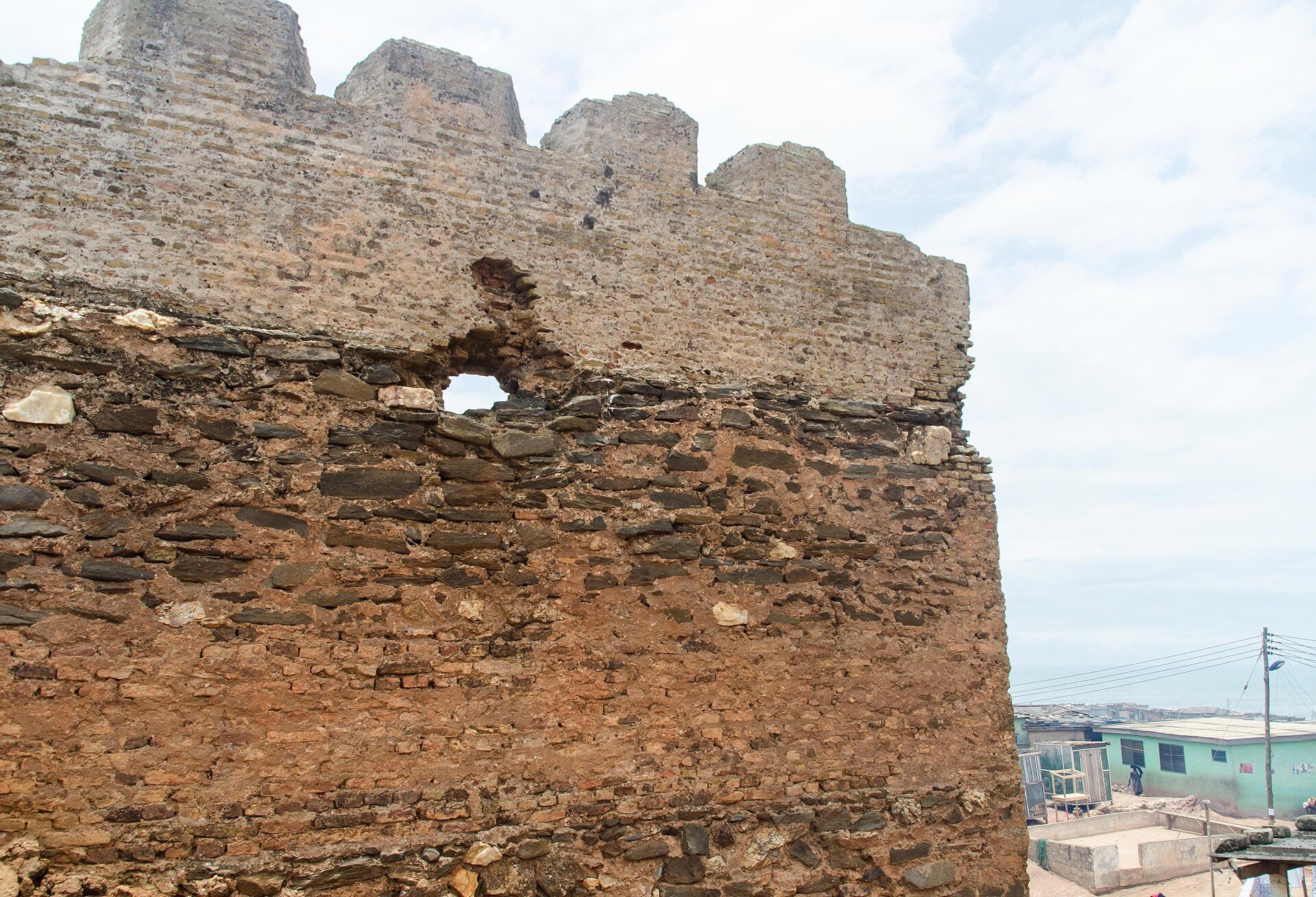
Fort Nassau survives as the ruins of a fortified coastal trading post. Its physical history reflects the replacement of the early structure with a larger and stronger fort in 1624, following concerns about the stability and healthfulness of the original construction.
Fort structure
The surviving remains represent the rebuilt or expanded seventeenth-century fort rather than only the smaller installation established in 1612. The site’s recorded architectural features include a guard room and quarters associated with Willem Bosman, a Dutch official and writer who worked on the Gold Coast in the 1690s and described its gold resources and trade. The fort is now in a ruined condition.
Historical representations
A seventeenth-century depiction of Fort Nassau preserves an image of the fort’s appearance, while the site itself is represented by its surviving ruins. The historical record therefore combines physical remains with visual evidence from the period of Dutch occupation.