Borj Dar el-Baroud: A Military Fortification of Tangier
Site at a Glance
- Rating
- 4.5
- Popularity
- Low
- Country
- Morocco
- Primary era
- Modern
- External website
- Open
- Eras represented
- Early Modern, Modern
- Civilizations
- Alaouite
- Site type
- Military
- Remains
- Fort
On this page12 sections
History
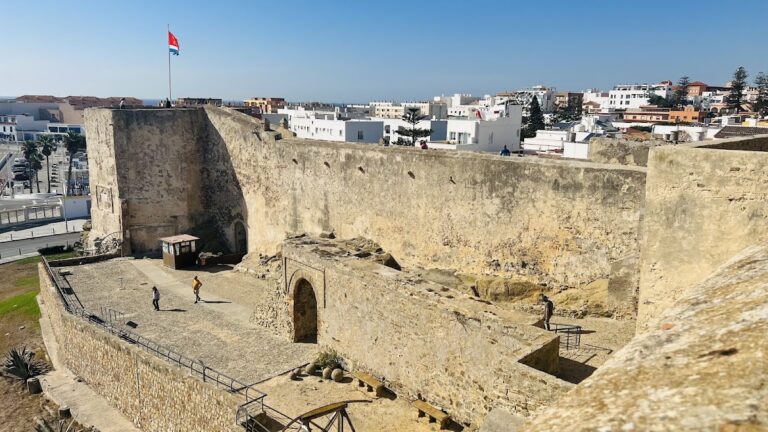
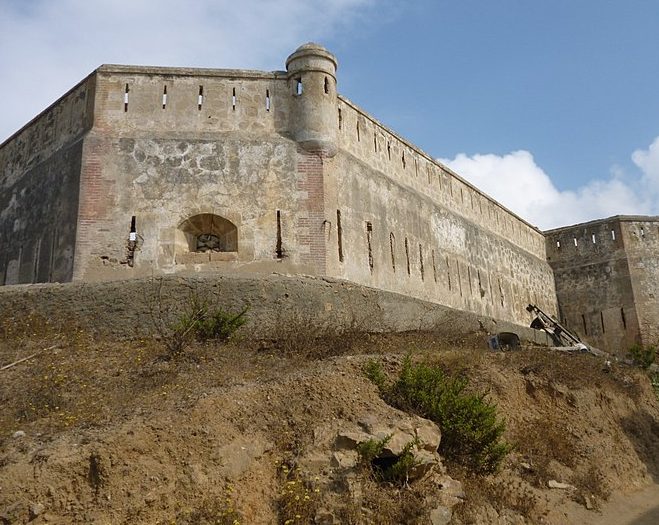
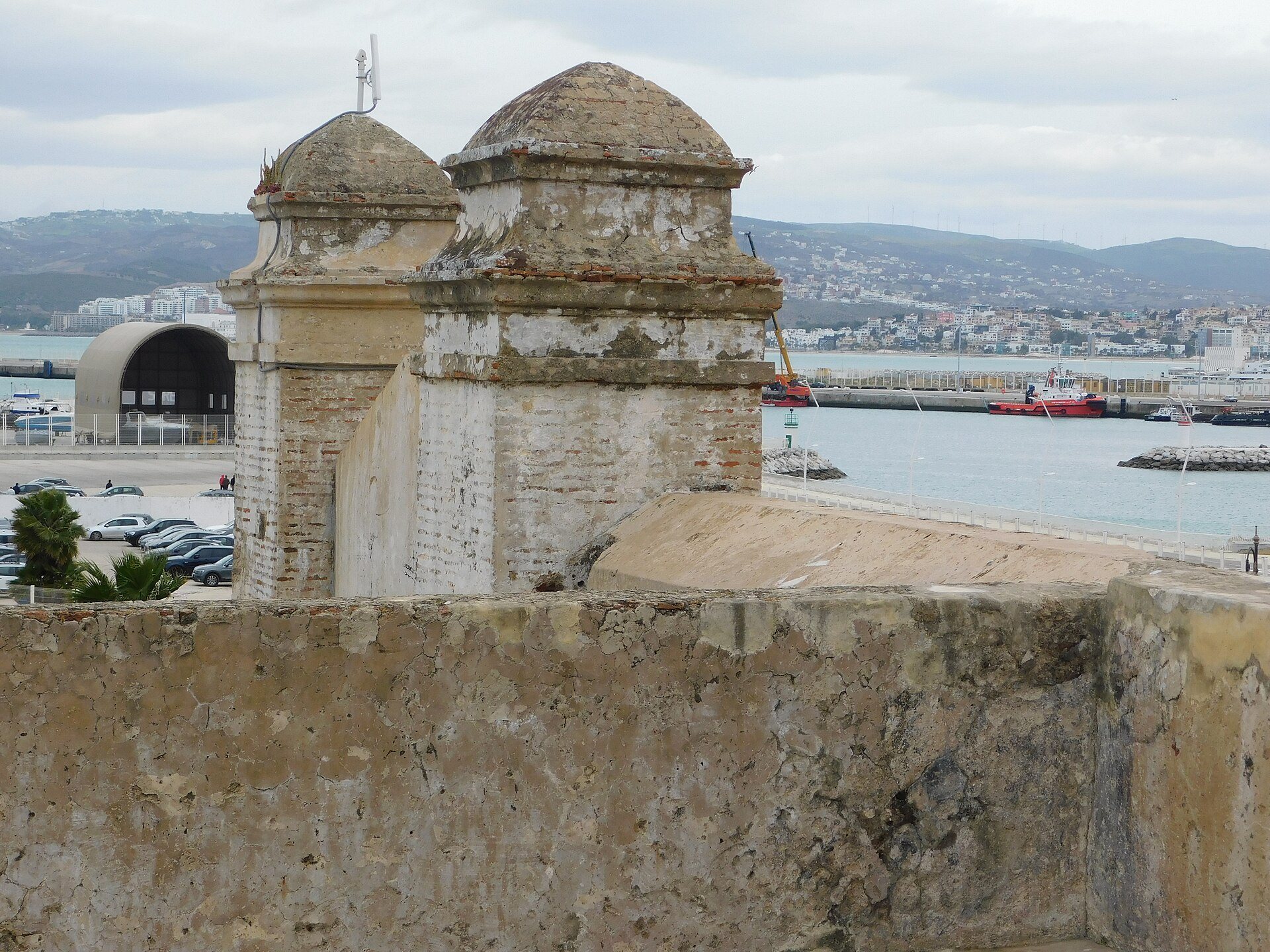
Borj Dar el-Baroud is a military fortification in Tangier, Morocco, standing at the northeastern corner of the city’s old medina. It was the first defensive work protecting Tangier against expansionist threats from across the Strait of Gibraltar and formed part of the city’s seven principal fortifications.
Roman, Medieval, and Foreign Occupation
The history presented at the fort follows Tangier through its Roman and medieval periods, the Portuguese and English occupations, and later reconstruction under the Alaouite dynasty. During the Roman period, Tangier was an administrative and military center of Mauretania Tingitana, a Roman province centered in northern Morocco. The city later resisted Portuguese, English, and Spanish forces over successive periods of foreign pressure and occupation.
Alaouite Military Strengthening
Alaouite sultans associated with major efforts to reinforce Tangier’s defenses include Moulay Rachid ibn Sharif, Moulay Ismail, Moulay Slimane, Moulay Abd al-Rahman, and Moulay Hassan I. The Alaouite dynasty has ruled Morocco since the seventeenth century, and its sultans and later kings undertook military defense and urban reconstruction programs in Tangier.
In 1880, Sultan Moulay Hassan I brought two large Armstrong guns to Tangier. These were modern artillery pieces developed by the British Armstrong firm and used internationally during the nineteenth century, reflecting the changing military technology incorporated into the city’s defenses.
Restoration and Interpretation
Port-area redevelopment initiated by King Mohammed VI in 2010 included the restoration and rehabilitation of Borj Dar el-Baroud and Tangier’s defensive walls. Approximately 2 kilometers of walls were restored by 2015. The fort was then adapted as an interpretive exhibition center devoted to Tangier’s fortifications and its resistance to foreign occupation.
The restoration and adaptation were undertaken by the company responsible for redeveloping Tangier City Port, in consultation with regional authorities, the cultural sector, the municipality, and archaeologists. This work preserved the fort’s military fabric while giving its spaces an interpretive function.
Remains
Fortification Layout
Entrance and Saqala Gate
The fort covers approximately 2,800 square meters and rises through three defensive levels, with ammunition stores, underground military passages, and varied fortifications. Access begins at a narrow doorway in the marina square, followed by a long passage leading to the first level. A historic gateway in a European-influenced architectural style stands there and bears the year 1214 in the Islamic calendar. The entrance resembles other gateways associated with Moroccan fortifications.
The entrance area includes the Saqala Gate and images of the Alaouite sultans linked with Tangier’s defensive works. The gateway and passage form the principal approach into the fort’s layered military spaces.
Upper Defensive Levels
The second level contains models of a naval battle and a land battle fought near Tangier, reproductions of inscriptions from the historic walls, and depictions of large sailing ships. Interpretive panels trace the city’s history from the Roman period through the medieval era, the Portuguese and English occupations, and Alaouite reconstruction.
The third level presents models of Tangier’s seven towers: Dar el-Baroud, Salam, Hajoui, the Irish tower, Catherine, Ben Omar, and Na’am. It also includes models of the city’s seven gates, placing the fort within the wider defensive network around Tangier.
Ammunition Stores and Exhibition Rooms
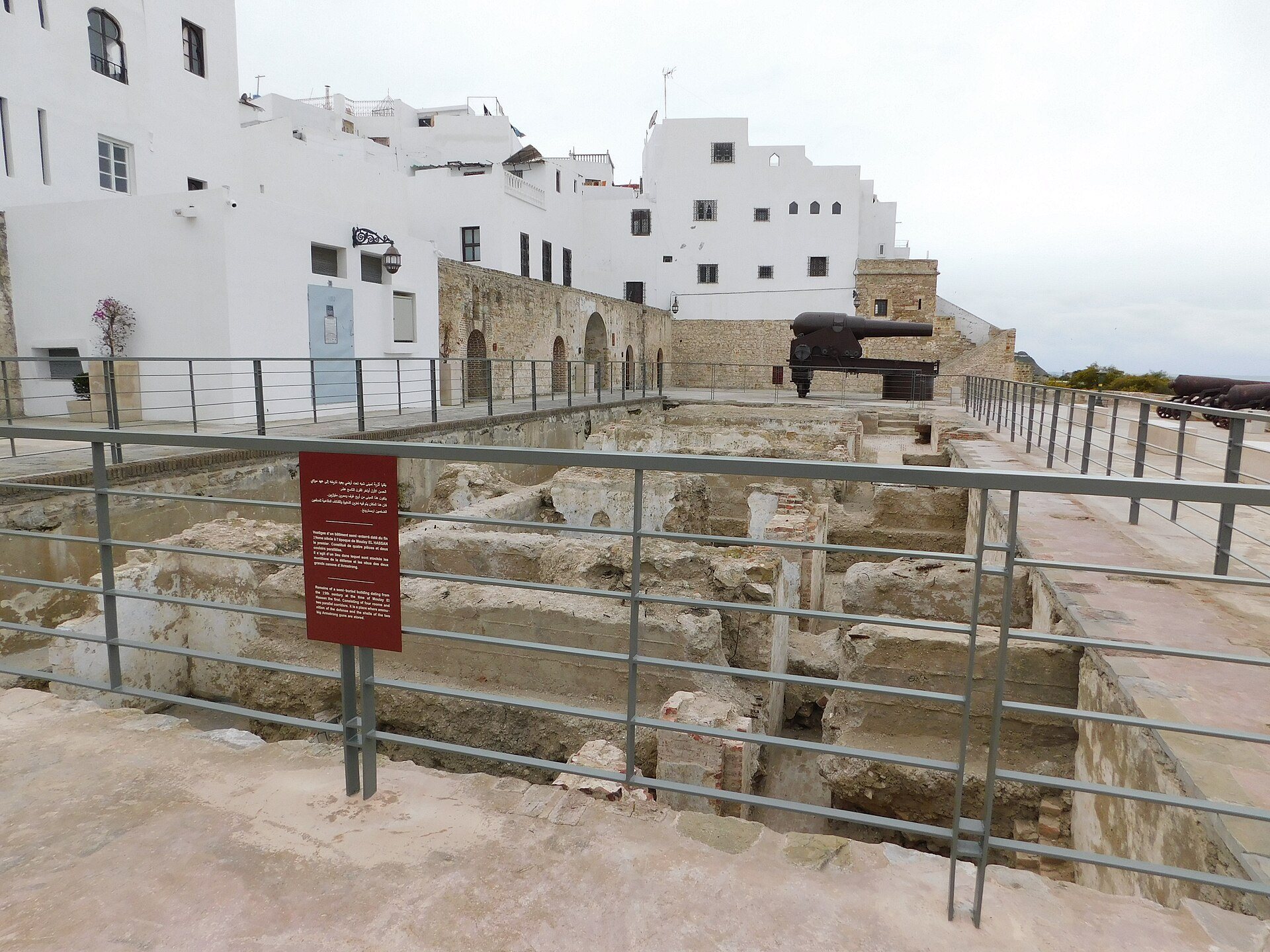
Former ammunition stores have been converted into exhibition rooms. They contain small arms such as swords and rifles, Moroccan military clothing, copies of Quranic manuscripts, historical documents, and an interpretive film about Tangier.
Artillery and Military Equipment
Armstrong Guns
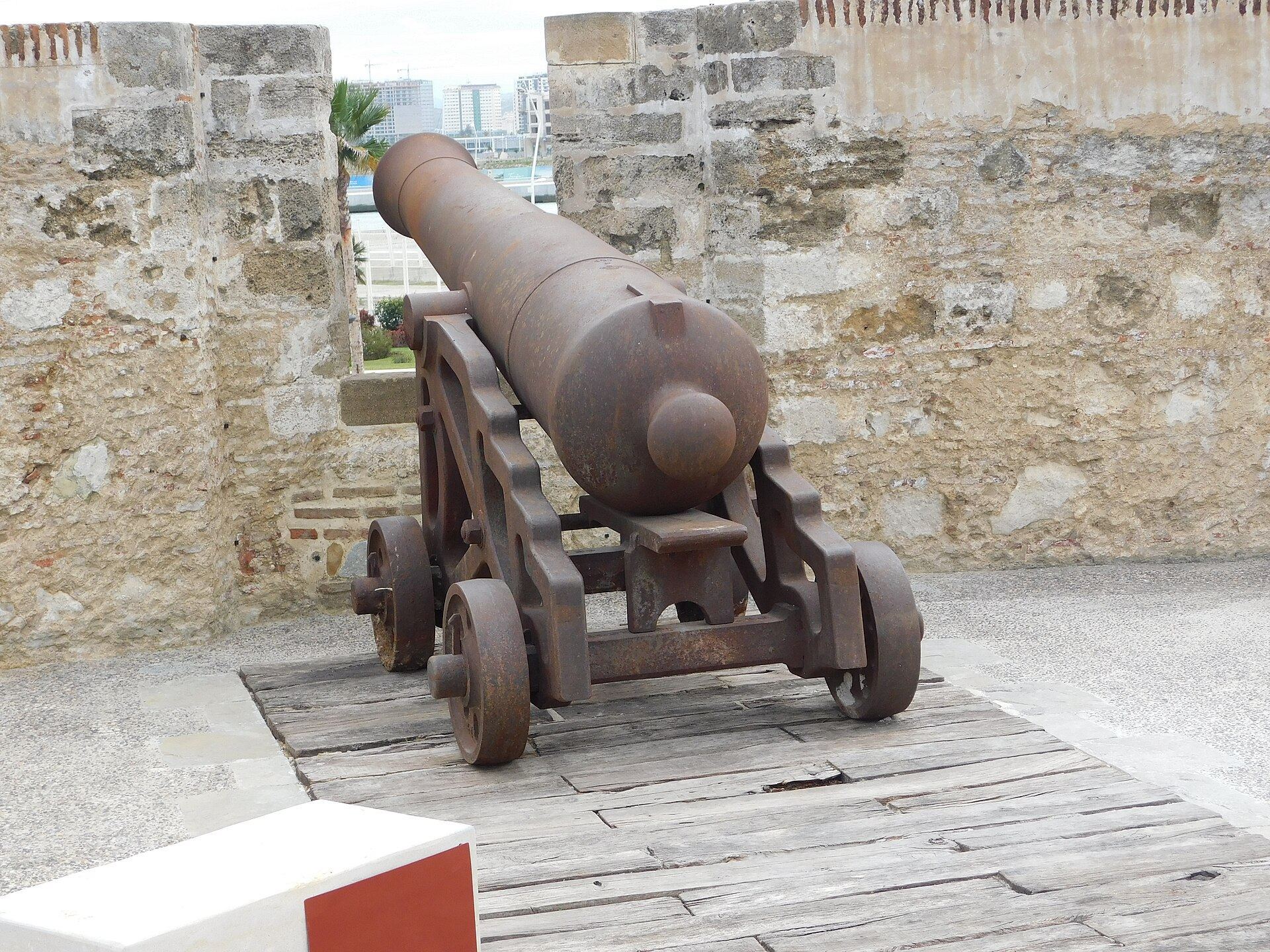
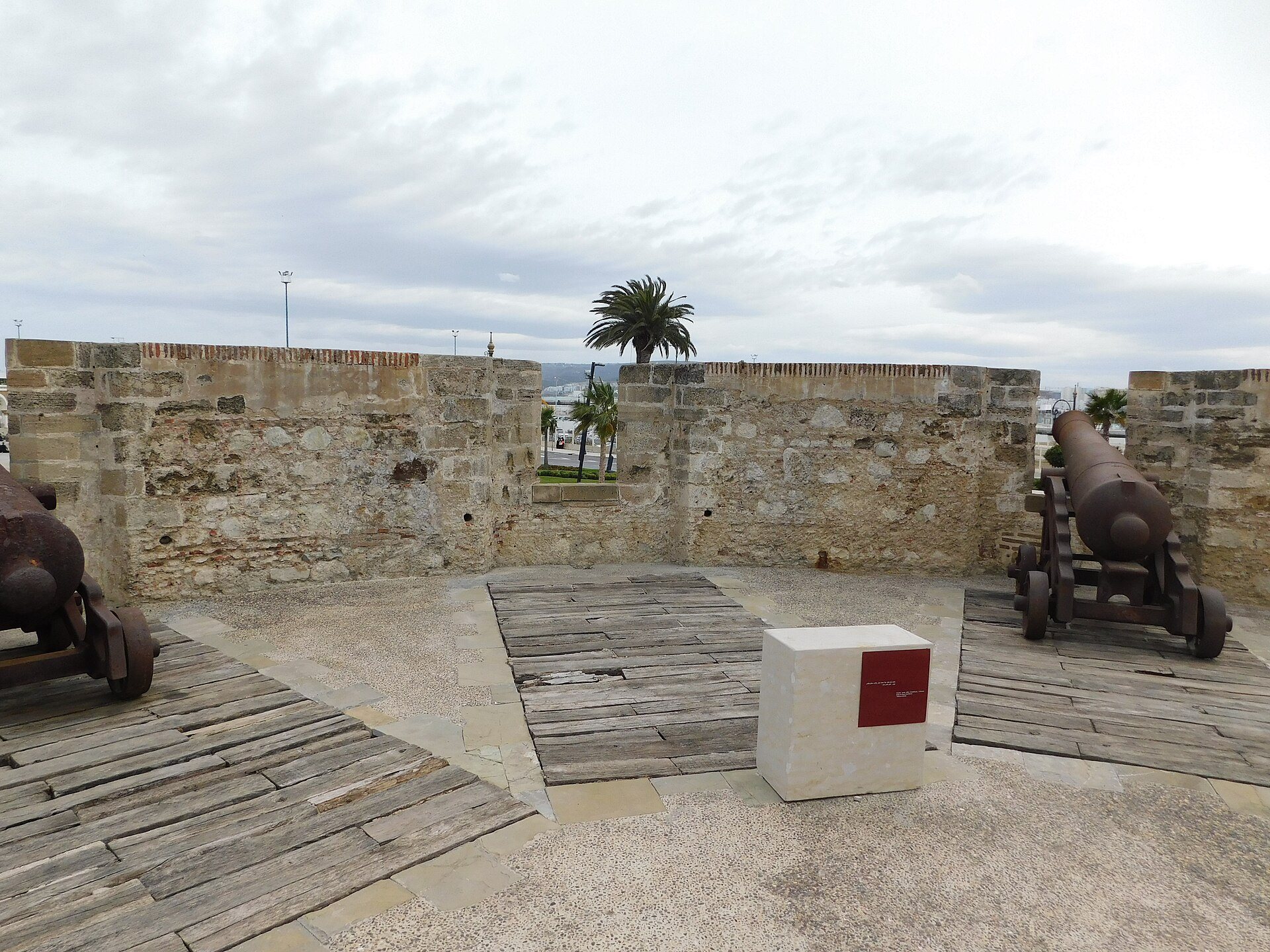
Borj Dar el-Baroud contains guns of different sizes, including the two large Armstrong guns brought to Tangier by Sultan Moulay Hassan I in 1880. They remain within the fort as preserved elements of the city’s military heritage.
Wall Cannons
Large cannons formerly positioned on different sections of Tangier’s walls are also preserved at the fort. Together with other cannons dating from different centuries and military equipment once used to strengthen the city’s defenses, they convey the changing material character of Tangier’s fortified system.