Shofukuji Tumulus: A Keyhole-Shaped Kofun Burial Mound in Japan
Site at a Glance
- Rating
- 3.3
- Popularity
- Very Low
- Country
- Japan
- Primary era
- Medieval
- External website
- Open
- Eras represented
- Medieval
- Civilizations
- Yamato
- Site type
- Burial
- Remains
- Burial Mound
On this page11 sections
History
Shofukuji Tumulus is a keyhole-shaped burial mound in Kawanishi, Japan, built around the beginning of the sixth century during the late Kofun period. The Kofun period, conventionally dated from about the third to the sixth centuries, was marked by large burial mounds and the rise of powerful regional and central elites. Shofukuji Tumulus was constructed for a leader who controlled the southern Kawanishi region, as indicated by its early horizontal stone chamber and high-quality grave goods.
Construction and Burial Use
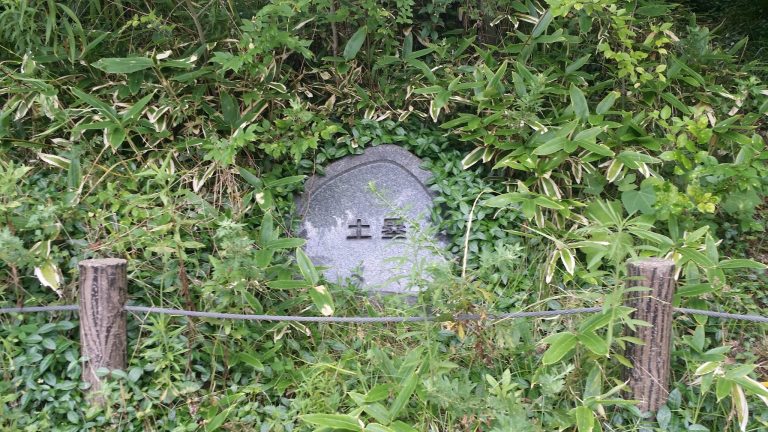
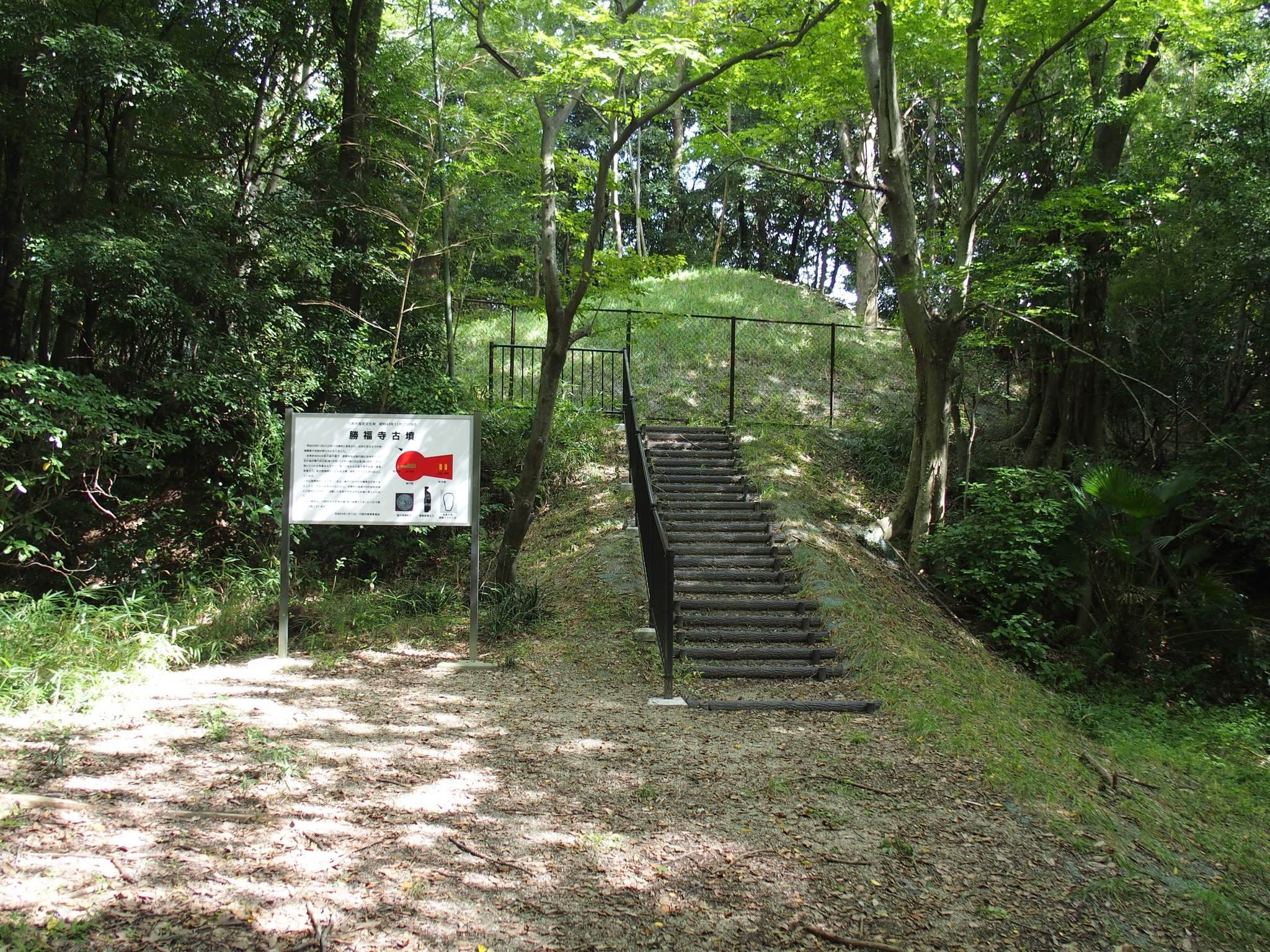
The mound was built on a slope at the eastern end of the Nagao Hills behind Shofukuji Temple, a Buddhist temple. Its keyhole plan combines a circular rear mound with a projecting rectangular front section, a form used for elite burials in ancient Japan. Four burial facilities were placed within the mound: two horizontal stone chambers in the rear and two wooden-coffin burials in the front section.
The principal burial is generally associated with the First Stone Chamber. The date and character of the tomb have led to an interpretation connecting its occupant with a person linked to Emperor Keitai, traditionally counted as the twenty-sixth emperor of Japan. This proposed association does not identify the deceased as the emperor, and the occupant’s identity remains uncertain.
Discovery and Archaeological Investigation
Soil extraction exposed the tomb in 1891, when the First Stone Chamber was opened and numerous grave goods were recovered. The northern coffin in the front section was identified in 1933, while excavations in 1971 confirmed the southern coffin.
Investigations carried out between 2001 and 2004 clarified the mound’s original form. Before this work, the site had been understood as two separate round tombs called the southern and northern Shofukuji mounds. Survey and excavation established that it was instead a single keyhole-shaped mound and also confirmed the Second Stone Chamber. Restoration of the mound took place during fiscal year 2011. In 2014, the tomb area became a Hyogo Prefectural Historic Site, and 318 excavated artifacts received designation as Hyogo Prefectural Tangible Cultural Property. The excavated material is preserved at the Kawanishi City Museum of Cultural Properties.
Remains
Shofukuji Tumulus is approximately 40 metres long and follows the keyhole form, with the front section pointing south-southeast. The circular rear mound contains the principal stone chambers, while the projecting front section contains two direct burials in wooden coffins. Cylindrical haniwa and figurative haniwa representing houses and armour were found on the exterior. Haniwa were clay objects placed on or around burial mounds, where they could take cylindrical or figurative forms.
Stone Chambers
First Stone Chamber
The First Stone Chamber is an early horizontal stone chamber, a burial space entered through a side passage rather than sealed from above. Its entrance is offset to the right, and the chamber opens toward the north-northwest. The facility measures 9.02 metres overall. The burial chamber is 4.71 metres long, 2.3 metres wide, and 2.43 metres high, while its passage is 4.31 metres long, 1.43 metres wide, and 1.69 metres high.
Grave goods from the chamber include a mirror with a patterned band and divine beasts, a six-bell mirror, a sword decorated with a silver-inlaid dragon design, horse equipment, and other burial objects. The concentration and quality of these finds support the interpretation of the chamber as the central burial facility. Entry into the chamber is restricted.
Second Stone Chamber
The smaller Second Stone Chamber was built in front of the entrance to the First Stone Chamber and opens toward the west-southwest. It measures at least 2.5 metres long, 1.4 metres wide, and 0.6 metres high. Its ceiling stones and many other stones have been lost, but groups of Sue ware were recovered inside. Sue ware is high-fired, wheel-made pottery associated with ancient Japanese burial and settlement activity. The occupant has been interpreted as a descendant of the person buried in the First Stone Chamber. The chamber has been reburied.
Front-Section Coffin Burials
Northern Coffin
The northern burial in the front section was a direct burial in a wooden coffin. A five-beast-shaped mirror and fragments of a sword with a deer-antler hilt fitting were reportedly recovered from it.
Southern Coffin
The southern burial was also made directly in a wooden coffin. Its grave goods included gold earrings, silver gardenia-shaped beads, an iron sword, and iron arrowheads. Together with the finds from the northern coffin, these objects show that the front section contained separate burials with their own equipment.
Burial Goods
Other excavated material includes Haji ware, additional Sue ware, and numerous burial accessories. Haji ware is generally lower-fired earthenware, while Sue ware is high-fired pottery made on a wheel. The excavated objects are preserved at the Kawanishi City Museum of Cultural Properties, where they form part of the material record for the mound’s construction, burials, and status during the late Kofun period.