Nakayamasoen Kofun: An Octagonal Burial Mound in Japan
Site at a Glance
- Rating
- 3.7
- Popularity
- Very Low
- Country
- Japan
- Primary era
- Medieval
- External website
- Open
- Eras represented
- Medieval
- Civilizations
- Yamato
- Site type
- Burial
- Remains
- Burial Mound
On this page6 sections
History
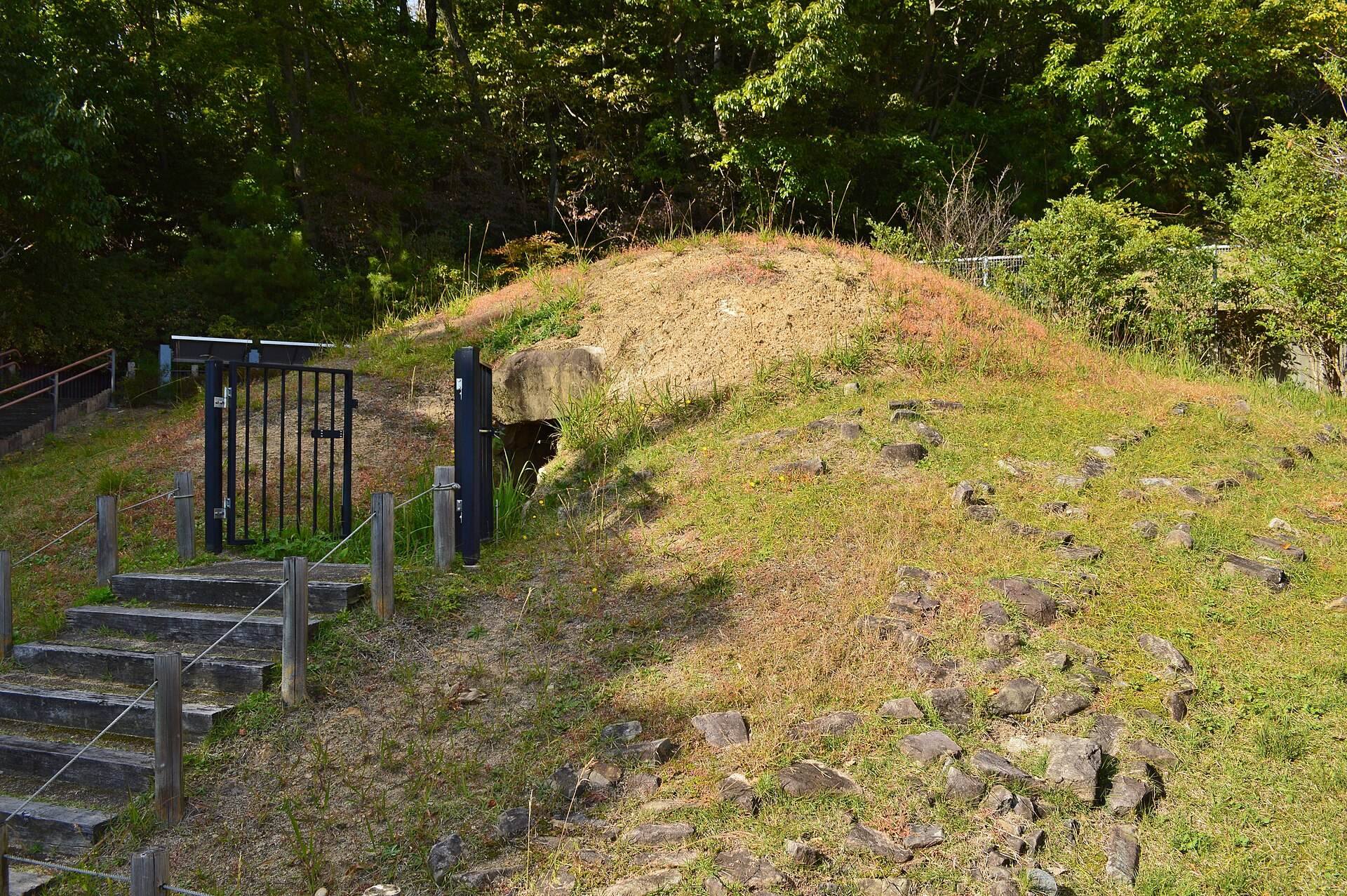
Nakayamasoen Kofun is a Japanese burial mound in Takarazuka, Hyogo, built around the middle of the seventh century during the final phase of the Kofun period and the Asuka period. A kofun was an earthen mound constructed mainly for members of ruling or elite classes. Its octagonal shape is exceptionally unusual for a regional elite tomb and gives the site particular historical interest.
Construction and Historical Setting
By the time Nakayamasoen Kofun was built, square burial mounds were more common, while octagonal mounds were principally associated with imperial-class burials. The choice of this form therefore suggests the distinctive standing of the local elite person buried there. The transition from the Kofun period into the Asuka period coincided with major political and cultural changes in Japan, including the growing influence of centralized imperial institutions and Buddhism.
The identity of the buried person remains unknown. A connection has been proposed with the Wakayuza lineage of the Mononobe clan, a powerful ancient family traditionally associated with military affairs and the worship of pre-Buddhist deities. The Wakayuza were linked with nearby Mefu Jinja, a shrine included in the Engishiki, a tenth-century legal and administrative compendium that also classified shrines and prescribed procedures for them.
Investigation and Preservation
The mound was recognized as a kofun in 1982. Archaeological excavations followed in 1983 and 1984 under the Takarazuka Municipal Board of Education. Nakayamasoen Kofun became a Hyogo Prefectural Historic Site in 1984 and was designated a National Historic Site of Japan on January 28, 1999. Development of the site was completed in 2006, after which the kofun was opened to the public.
Remains
The Octagonal Mound
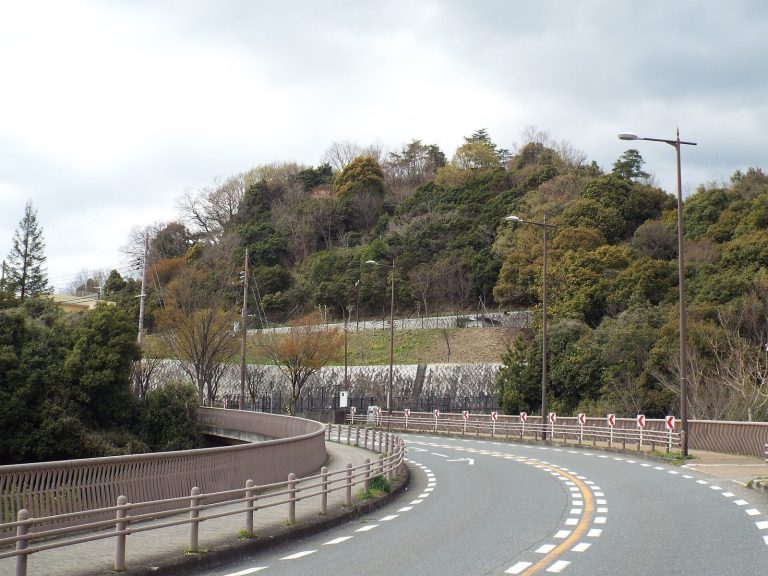
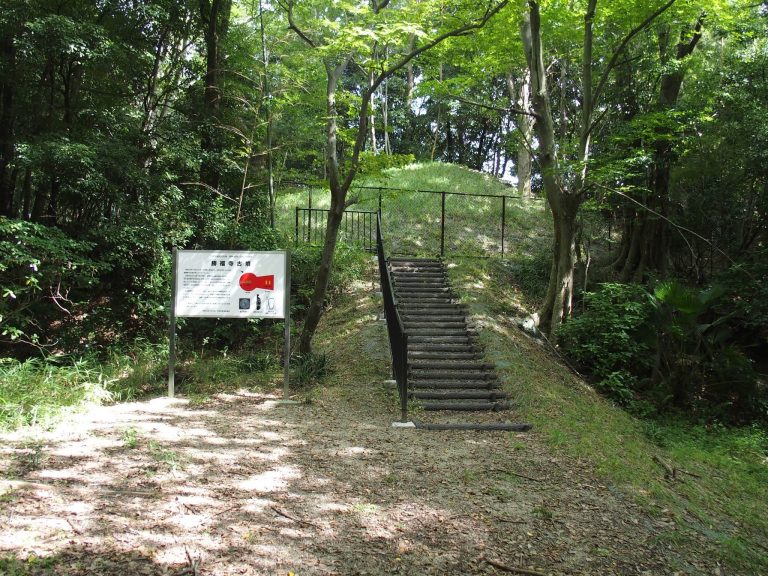
Nakayamasoen Kofun occupies the tip of a ridge extending south from the western hills of Mount Nagao in eastern Hyogo Prefecture. The mound is octagonal, measuring approximately 13 meters diagonally and about 2.6 meters high. Two rows of octagonal outer guard stones surround it, with two rows running along each side. A terrace-like feature on the southern side is thought to have served as an altar, adding a ritual element to the mound’s arrangement.
The Stone Burial Chamber
A small horizontal stone chamber opens toward the south. Its passage and burial chamber do not form a continuous line, because part of the passage projects into the chamber. This unusual plan distinguishes the burial facility within the mound. The chamber is approximately 3.4 meters long, 1.3 meters wide, and 1.3 meters high. It was built from tuff, with a rear wall made from a single stone, side walls constructed from rubble, and a roof formed by three ceiling stones.
Small stones covered the chamber floor, while vermilion remained in its central area. These traces may come from a wooden coffin, and the arrangement has been interpreted as evidence for a single burial. No formal grave goods were recovered. The excavation found one iron nail and fragments of Sue ware and Haji ware, pottery types used in ancient Japan. The limited finds may reflect robbery of the chamber at an early date.