Shimoguri-Ōtsuka Kofun: A Seventh-Century Burial Mound in Japan
Site at a Glance
- Rating
- 3.5
- Popularity
- Very Low
- Country
- Japan
- Primary era
- Medieval
- Eras represented
- Medieval
- Civilizations
- Yamato
- Site type
- Burial
- Remains
- Burial Mound
On this page5 sections
History
Shimoguri-Ōtsuka Kofun is a Japanese burial mound in Utsunomiya, Tochigi Prefecture, Japan. Its construction date is uncertain, but its archaeological characteristics point to the seventh century, during the terminal Kofun period, the final phase of an era broadly associated with the sixth and seventh centuries and also connected with the Asuka period. A kofun was generally built as a tomb for members of the elite.
The mound stands in Shimoguri and is regarded as a representative historic site of the Yokogawa area, which contains a concentration of historical and cultural resources. Utsunomiya City designated it a Historic Site on March 22, 1995. The Shimoguri-Ōtsuka Kofun Preservation Association undertakes protective activities at the site.
Remains
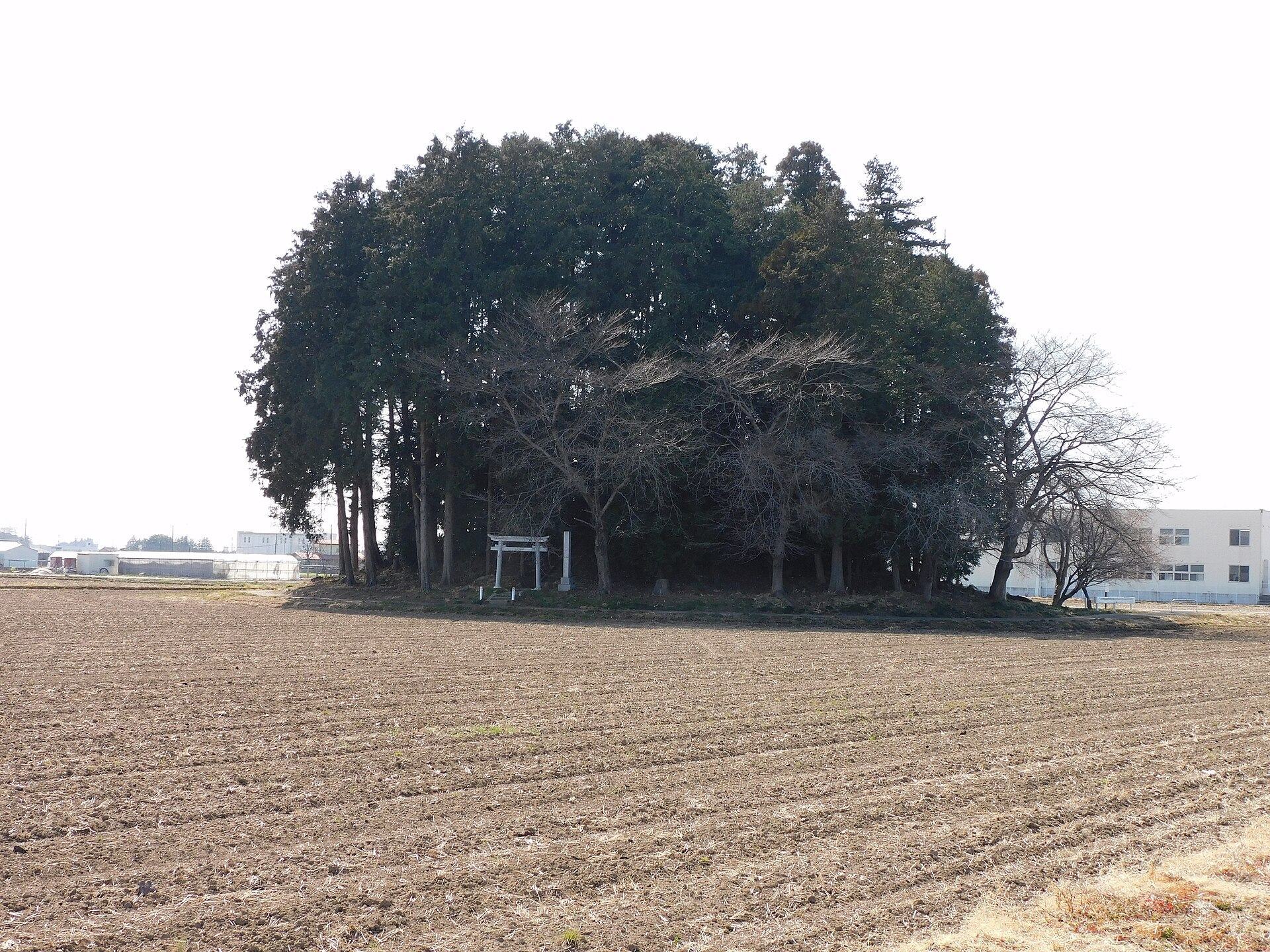
Shimoguri-Ōtsuka Kofun is a two-tiered circular mound in the Tagawa lowland. It measures approximately 43.5 metres in diameter and 6.5 metres in height. A level terrace about 4 to 5 metres wide encircles the mound at the intermediate tier. Trees cover the entire mound, while rice fields surround it, making the raised form prominent within the local landscape.
Mound and summit shrine
Burial mound
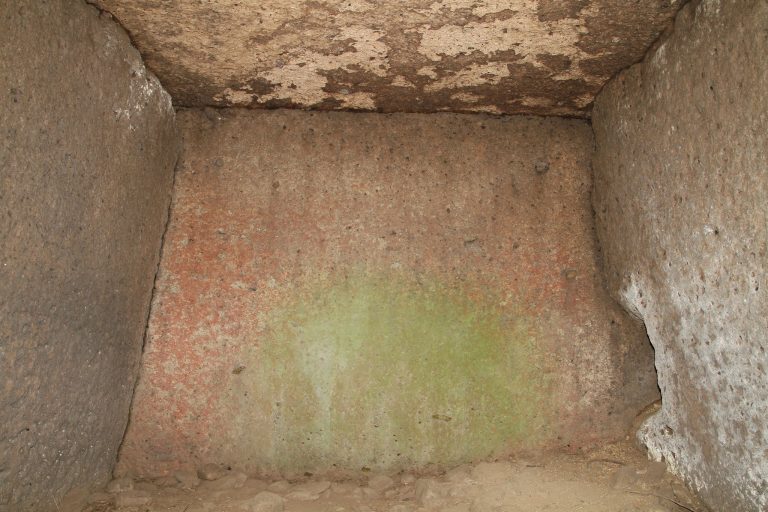
The burial facility has not been confirmed. A slight collapse on the southern side has led to the presumption that the mound contained a horizontal stone chamber, a burial chamber entered through a passage extending laterally from the mound. The presumed entrance faces south.
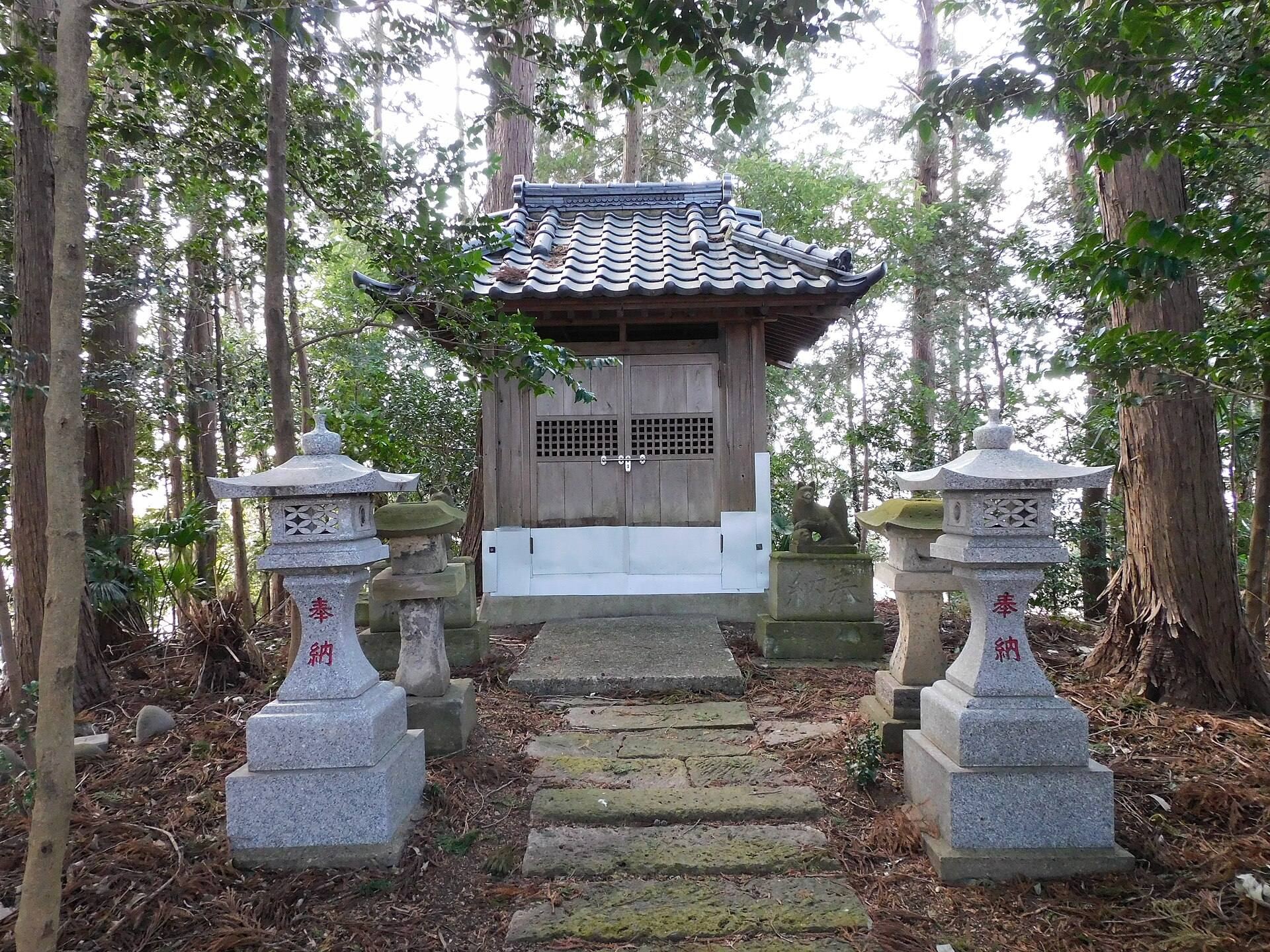
Maruyama Inari Daimyojin Shrine
Maruyama Inari Daimyojin Shrine stands on the summit of the mound. Inari is a Japanese kami, or sacred being, traditionally associated with rice, food, agriculture, prosperity, and commerce.