Aizkraukle Hillfort: A Liv Stronghold and Medieval Castle Site in Latvia
Site at a Glance
- Rating
- 4.8
- Popularity
- Low
- Country
- Latvia
- Primary era
- Medieval
- External website
- Open
- Eras represented
- Iron Age, Medieval
- Civilizations
- Livonian Order
- Site type
- Military
- Remains
- Fortified Town
On this page15 sections
History
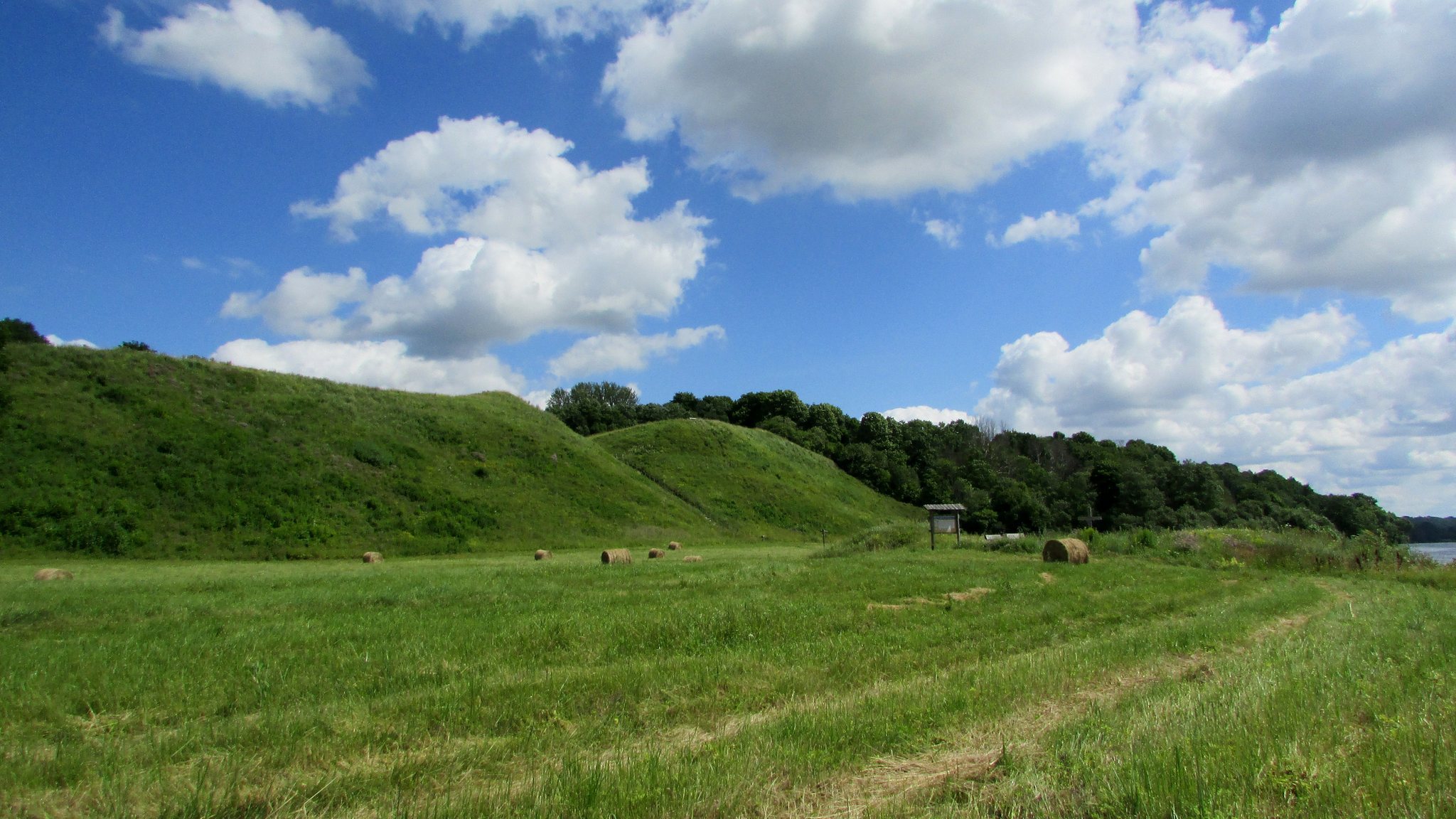
Aizkraukle hillfort is a fortified Liv settlement in Latvia, located on the right bank of the Daugava in present-day Skrīveri Parish. Known locally as Augstie kalni and recorded in Latin as castrum Asscrad, it developed from an ancient settlement into one of the principal Liv centers along the river during the later Iron Age. Its position connected it with the Daugava trading route, while the surrounding region was inhabited by Livs, Latgalians, and Selonians.
Early settlement and the Daugava trade route
Settlement at Aizkraukle began in antiquity, with evidence dating from before the Common Era and from the first century AD. The hillfort later became part of a busy river network. Viking ships began using the Daugava around the seventh century on the route from the Varangians to the Greeks, a major waterway linking the Baltic region with the Byzantine world through interconnected rivers. The hillfort may have been controlled by Vikings for a period. After a Viking ruler established power in Polotsk during the tenth century, local communities became more influential along the middle Daugava.
By the later Iron Age, Aizkraukle was a leading Liv center on the river, and archaeological evidence also shows that Latgalians lived there. The settlement included a port and an associated ancient town. In the early thirteenth century, it was the easternmost Liv port on the Daugava trade route. Farther east were the Christianized Selonian and Latgalian territories of Koknese and Jersika.
Crusader conquest and the Sword Brothers
Henry of Livonia, a medieval cleric and chronicler of the Christian conquest of the eastern Baltic, first mentioned the Liv settlement in connection with a Liv and Lithuanian attack on Riga in 1204. In the summer of 1205, crusaders burned the hillfort, compelled its inhabitants to accept Catholic Christianity, and took hostages. The site appeared again in 1207, when crusaders defeated a Lithuanian army there.
Archaeological evidence indicates that the stronghold was rebuilt eight times during its existence between the tenth and thirteenth centuries. Under Venno, master of the Sword Brothers, the Liv stronghold was replaced on the hillfort by a masonry castle belonging to that military-religious order. In 1211, the order received the entire Aizkraukle district and one-third of the districts of Salaspils and Dole Island, together with their inhabitants, fields, fisheries, courts, and labor obligations.
Liv authority did not disappear immediately. The Liv elder Vievaldis still ruled at Aizkraukle in 1219. Around 1229, forces led by the Semigallian ruler Viestards fought near the site against troops commanded by Markwart, the lord of Aizkraukle.
The commandery and the later castle
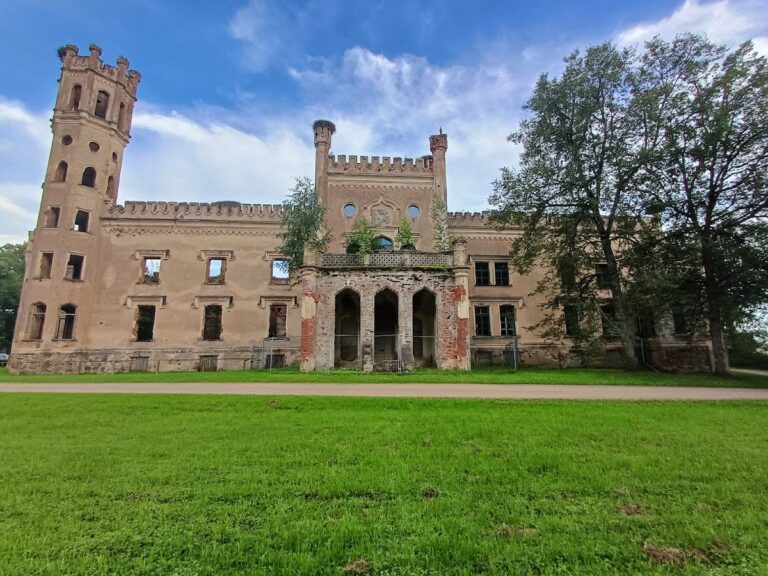
From 1252 to 1478, Aizkraukle was the center of a commandery of the Livonian Order. A commandery was an administrative district governed by a commander. A separate order castle was later established near the mouth of the Karikste, about 1.7 kilometers from the hillfort, and by 1420 it was known as the order’s Aizkraukle house, opposite the old castle.
The precise construction date of this second castle is uncertain. Twenty-one commanders administered it, with the last recorded in 1561. The castle later became part of the Alstiki estate. In 1630, King Gustavus Adolphus of Sweden granted the estate to his artillery commander Simon Schultz.
Excavation, wartime damage, and protection
Aizkraukle attracted scholarly attention during the nineteenth century. Friedrich Kruse sketched the hillfort in 1839 and that year carried out the first scientific archaeological excavations in the territory of present-day Latvia, at the Aizkraukle burial ground about one kilometer northwest of the hillfort. Professor A. Huks referred to the hillfort in 1840 because of its many antiquities. The first excavation on the hillfort itself took place under Anton Buchholtz in 1889.
Both world wars brought front lines close to the site. Trenches and other fortifications were cut along the edges of the summit and later filled. The summit was also used as arable land, and antiquities frequently came to light during cultivation. Ernests Brastiņš surveyed the hillfort in 1924 and noted that local people did not generally call it a hillfort because that name was applied to the later order-castle site.
In 1939, Pēteris Stepiņš excavated a medieval church in the ancient town and found the grave slab of Andreas von Steinberg, a marshal of the Livonian Order who died on campaign in 1375 after being struck by a falling tree. Vladislavs Urtāns led a small investigation in 1960, followed by extensive excavations from 1971 to 1976. These investigations covered the hillfort, ancient town, church cemetery, and Lejasžagaru cemetery.
Aizkraukle hillfort and its ancient town became a state-protected archaeological monument of national significance on 15 December 1998. In 2021, the Latvian Association of Archaeologists recognized the site as Latvia’s Archaeological Monument of the Year. The hillfort also entered Latvian literary culture through Andrejs Pumpurs’s epic Lāčplēsis, written between 1872 and 1887, and Rainis’s 1905 play Fire and Night. Pumpurs placed Aizkraukle Castle apart from the Daugava, while Rainis placed it beside the river, and neither work directly documents the archaeological site.
Remains
Hillfort setting and defenses
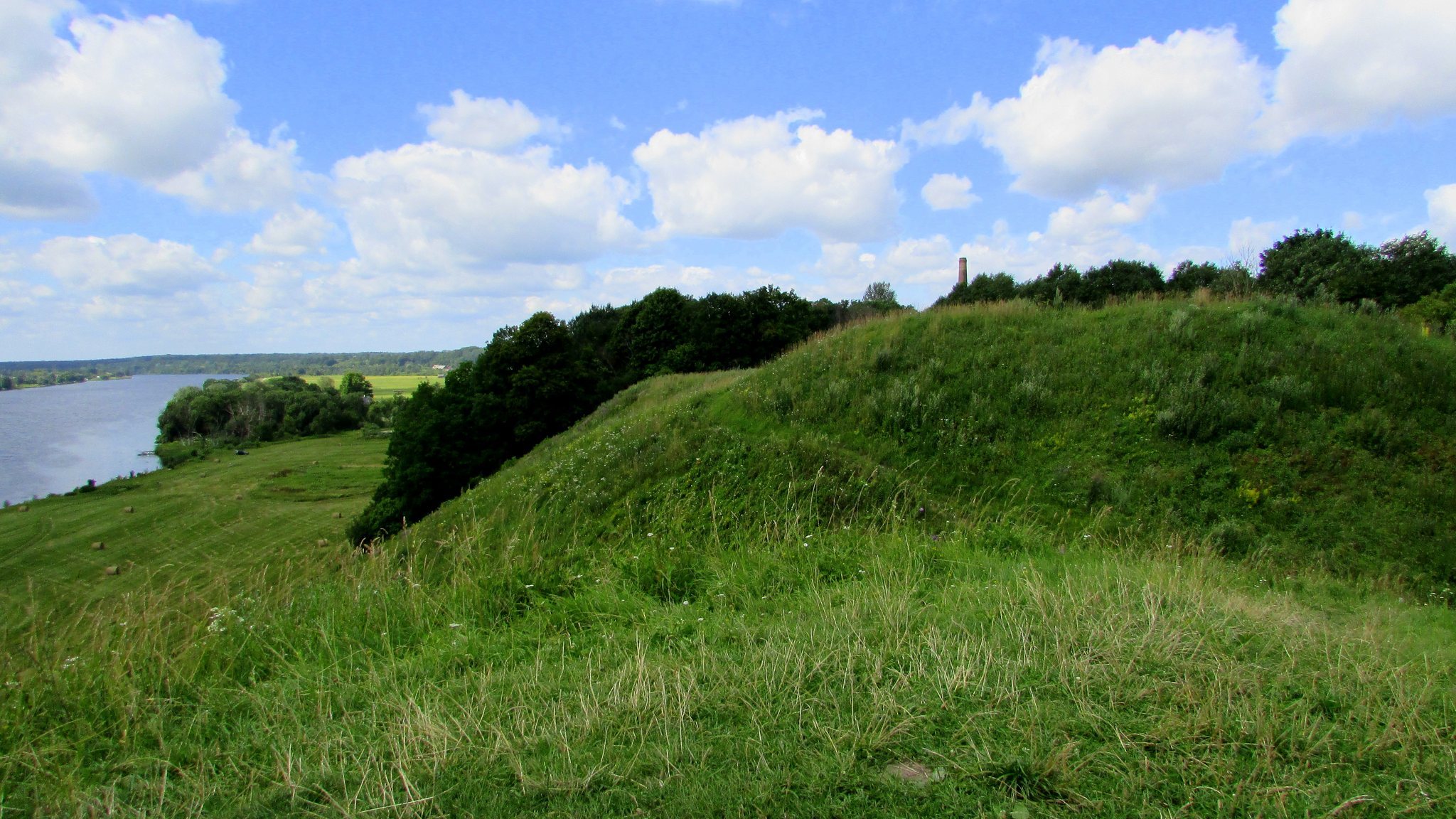
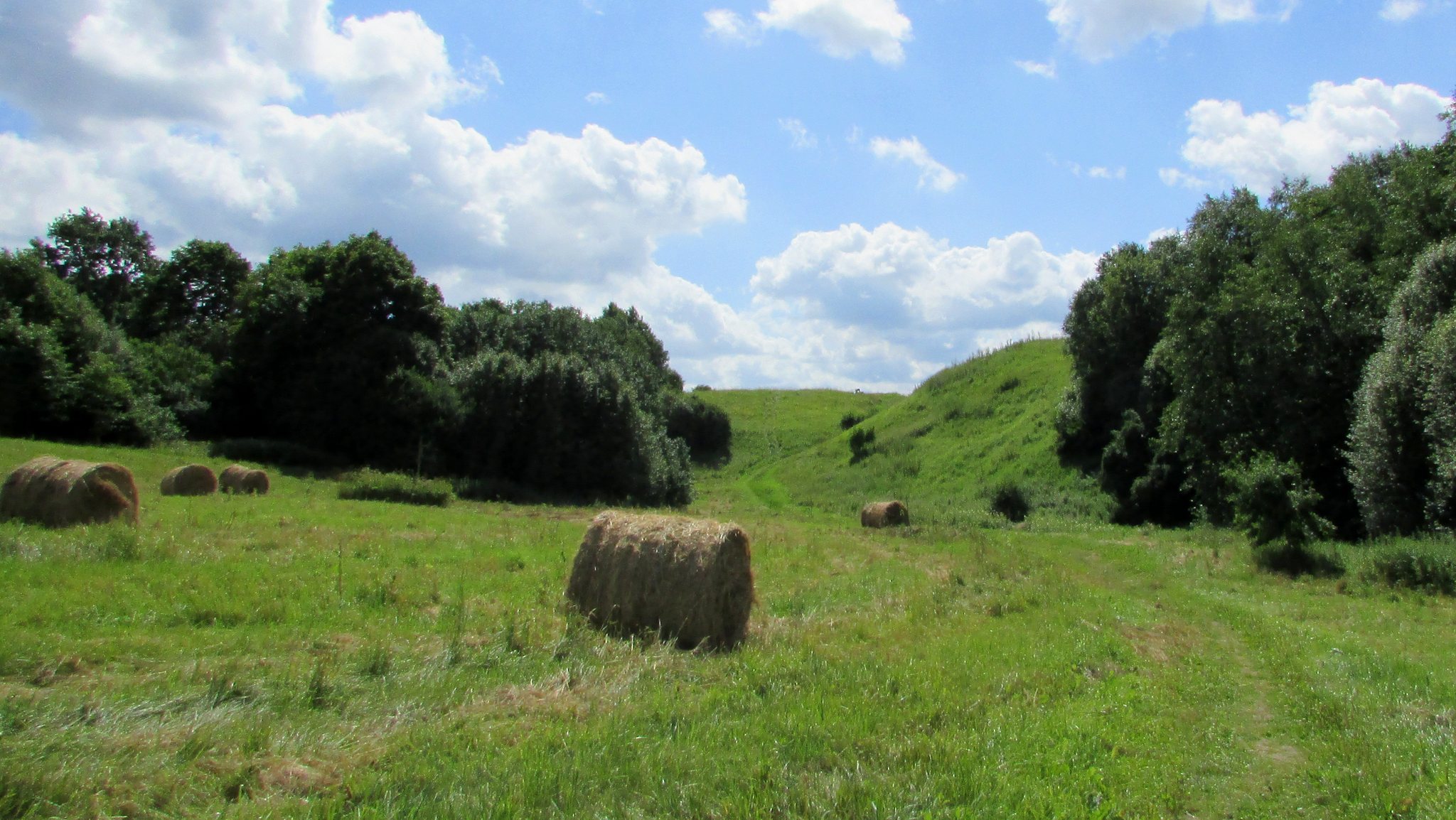
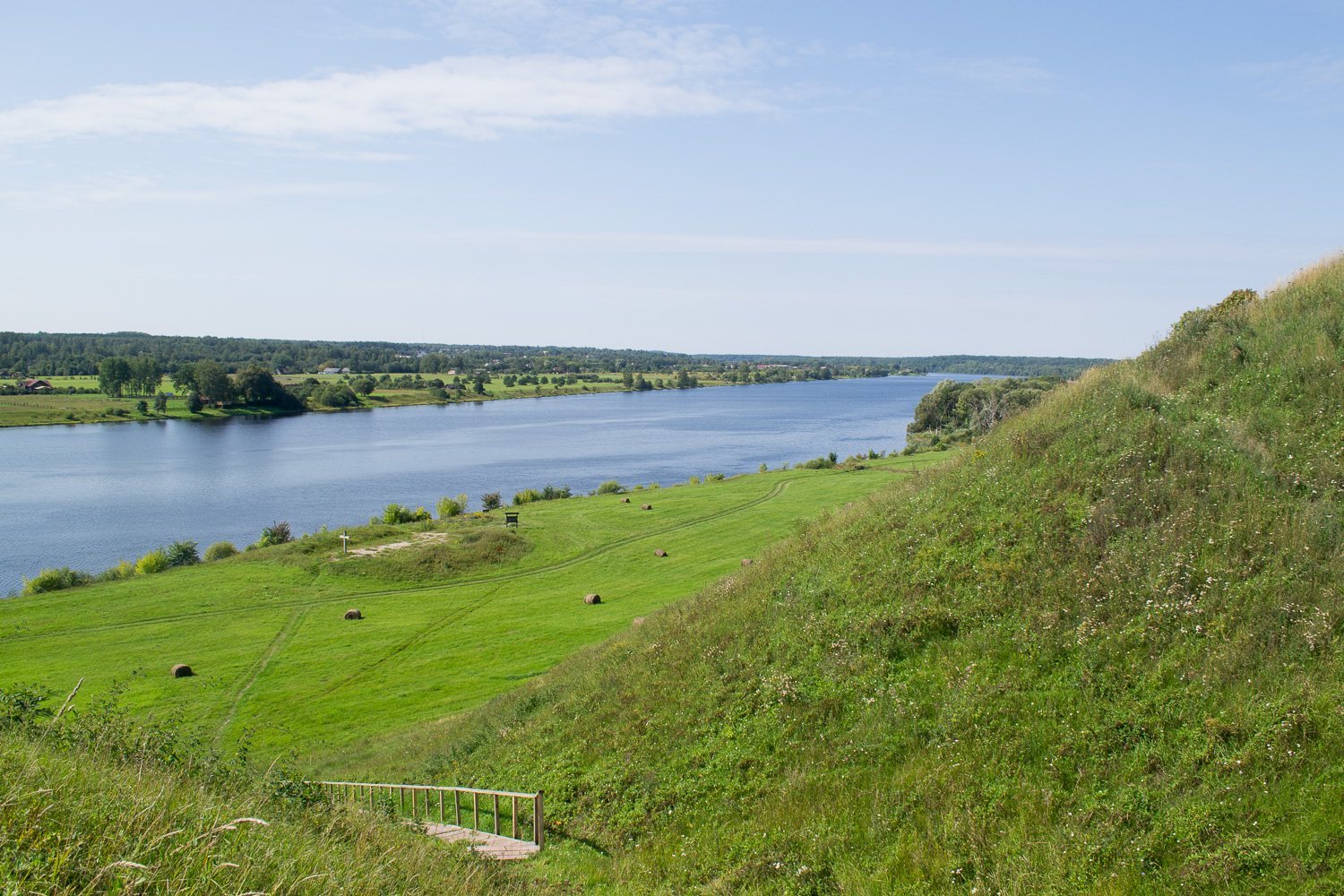
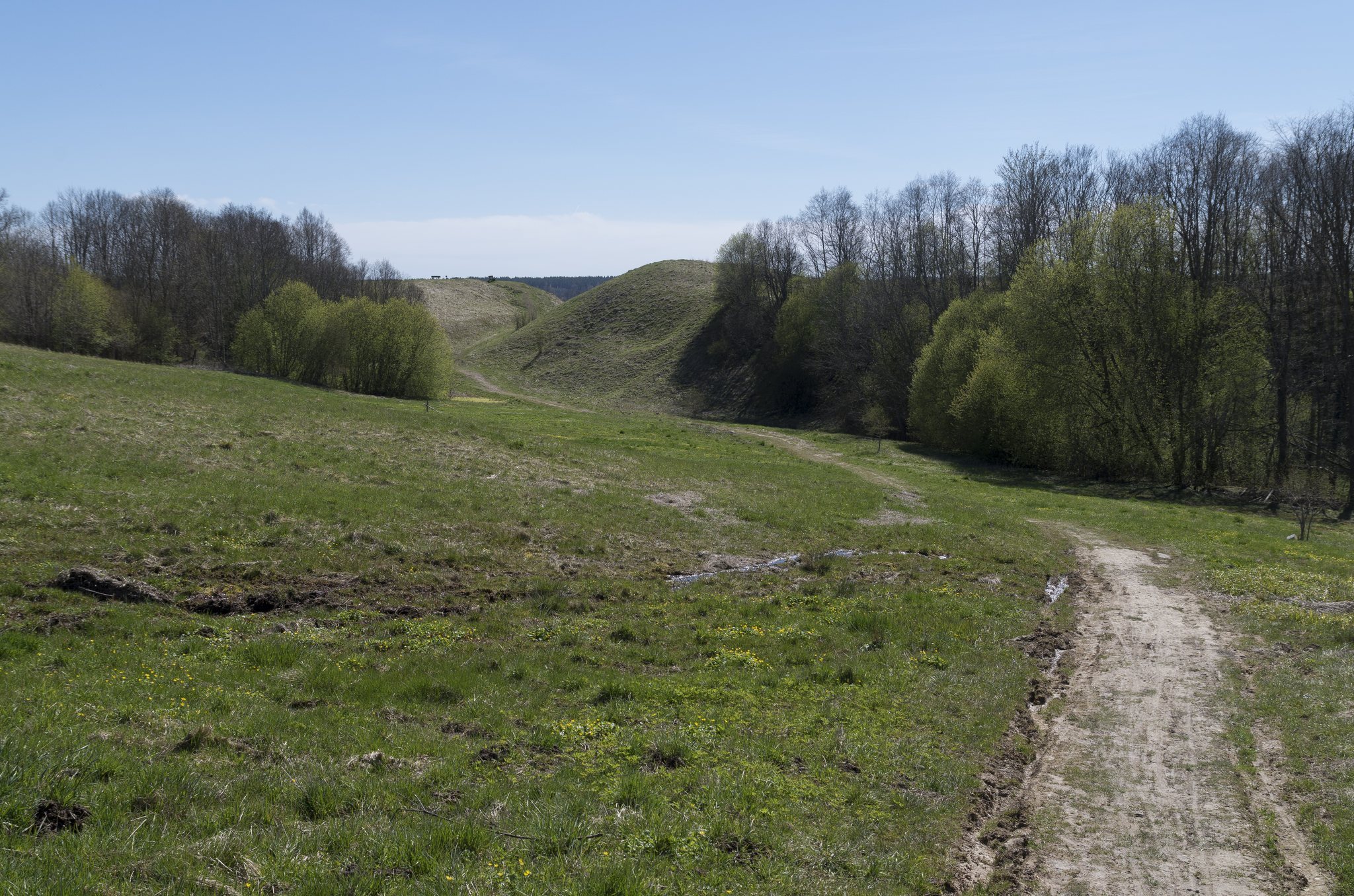
Aizkraukle occupies a naturally protected elevation between the Ašķere and Kraukļupīte streams, which flow into the Daugava. Deep ravines border the hill, while the Daugava valley forms a major natural boundary to the south and low floodplain extends to the north. The hill rises about 40 meters above the river and has a summit plateau of approximately 0.5 hectares. Its steep slopes were reinforced with clay and stones.
Main stronghold
A deep ditch divided the complex into a western main stronghold and an eastern forecourt. The main stronghold measured approximately 100 meters in length and between 45 and 65 meters in width. Defensive walls about 1.5 to 2 meters thick enclosed the plateau, and excavations exposed sections of them.
The walls used shell masonry, a construction method in which large stones formed the outer faces and smaller stones set in lime mortar filled the core. Their foundations differ from the masonry associated with the later medieval order castle. The rampart surrounding the main castle reaches about 4 meters in height.
Forecourt
The forecourt covered about 0.1 hectares and measured approximately 35 to 40 meters by 30 to 40 meters. It has not been excavated. At its southeastern end, an earthen defensive rampart remains about 2 meters high. The wider hillfort complex also included an ancient town of approximately 3 hectares and a river port.
Ancient town and craft areas
Occupation layers and workshops
The hillfort contains a dark occupation layer reaching 2.3 meters in thickness. The ancient town produced almost one hundred ovens and hearths, tens of thousands of antiquities, a jeweler’s workshop, a smithy, an iron furnace, and a potter’s kiln. Together, these features show the range of craft activity carried out within the settlement.
Trade evidence
Long-distance exchange is represented by 189 coins from 30 cities. The coins bear the images of rulers, counts, and bishops from 25 northern European cities, linking the settlement’s archaeological remains with the wider commercial networks of the Daugava.
Church, cemeteries, and later remains
Medieval church and burial grounds
A medieval church and its cemetery occupied part of the ancient-town area. The Aizkraukle and Lejasžagaru cemeteries near the hillfort together contained approximately 100 excavated burials dating from the tenth to the twelfth centuries. The church excavation also produced the grave slab of Andreas von Steinberg, whose death in 1375 is associated with the military history of the Livonian Order.
Order-castle masonry
Masonry wall fragments exposed during excavations in the 1980s may indicate that the first order castle continued in use on the hillfort until a new castle was built near the Karikste during the later medieval period. The precise sequence remains uncertain. Wartime trenches and fortifications cut into the margins of the plateau and were later filled.