Bílá Lhota Castle: A Classicist Manor House in Czechia
Site at a Glance
- Rating
- 4.7
- Popularity
- Low
- Country
- Czechia
- Primary era
- Modern
- External website
- Open
- Eras represented
- Early Modern, Modern
- Civilizations
- Habsburg, Holy Roman Empire, Kingdom of Bohemia
- Site type
- Domestic
- Remains
- Castle
On this page11 sections
History
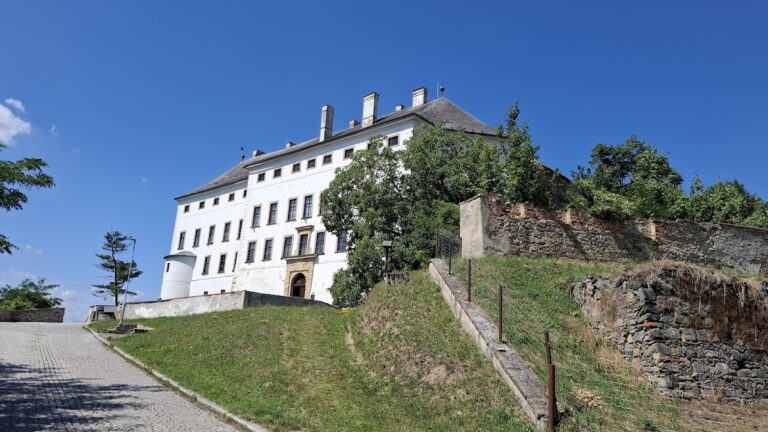
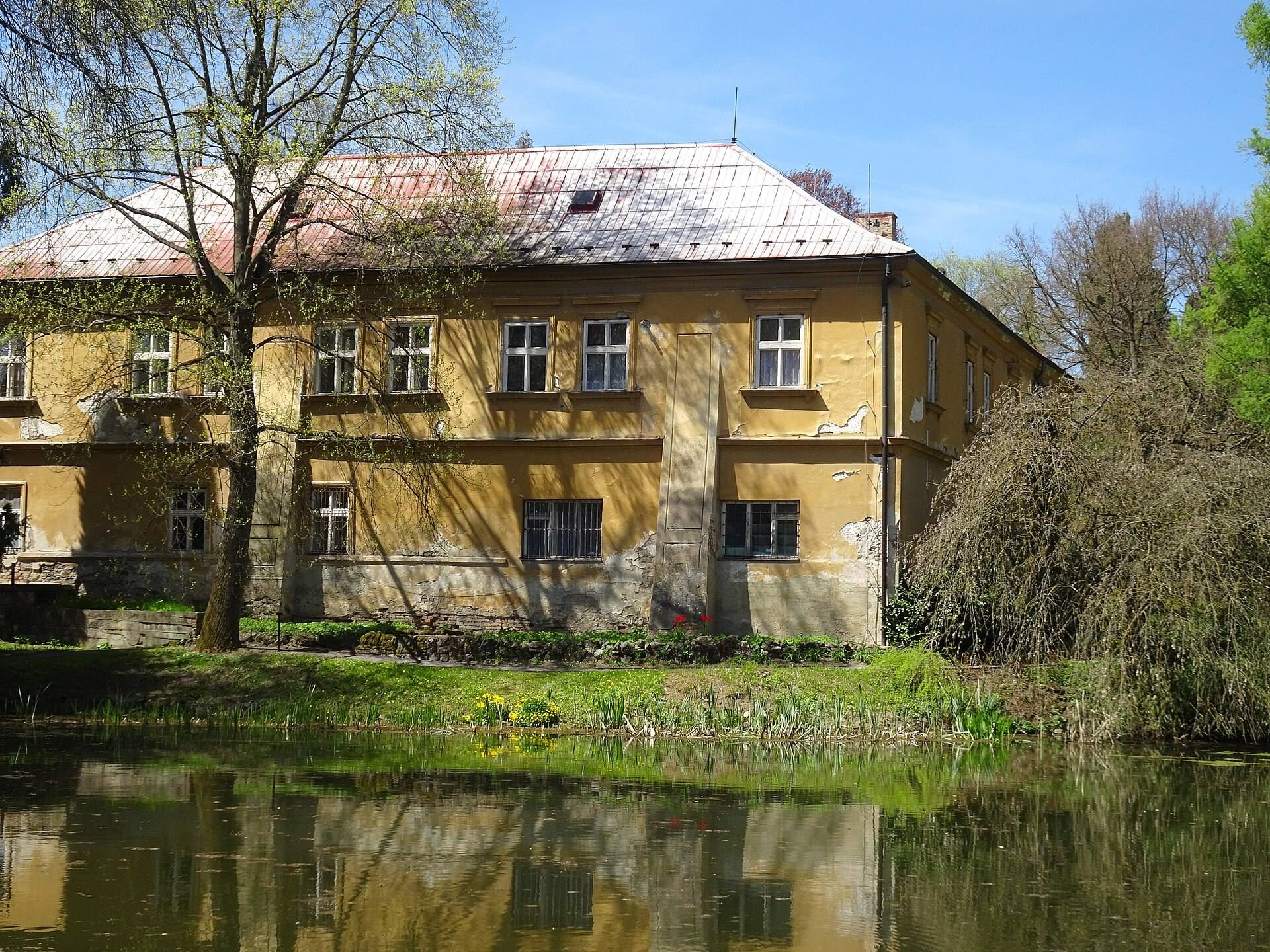
Bílá Lhota Castle is a Classicist manor house with Empire elements in Czechia, whose present appearance dates mainly from the beginning of the nineteenth century. The site developed from a medieval fortified residence and passed through Renaissance and Baroque transformations before becoming a manor residence and later a municipal building.
Medieval Fortified Residence
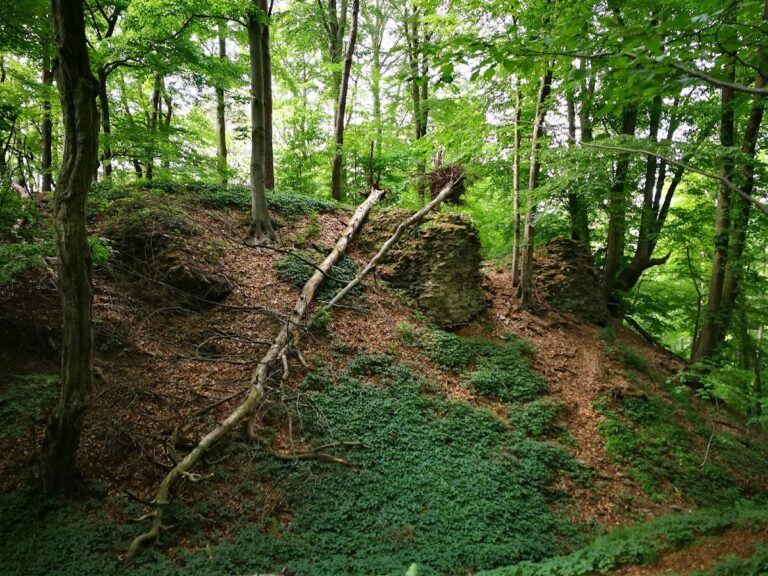
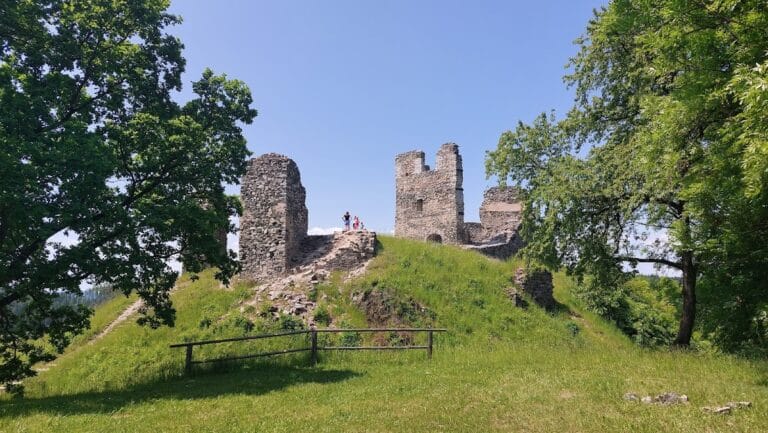
Bílá Lhota was first mentioned in 1356, when the village belonged to the lesser nobles of Řimice. Its first known owner was Zdislav of Řimice, who used the territorial designation Lhotka. A fortified residence stood on the site by 1437, when it belonged to Ješek of Lhota. It probably later disappeared, although its fortified site may survive within the present arboretum, near the riding hall.
In 1464, King George of Podebrady, the fifteenth-century king of Bohemia, transferred the Lhota estate to Karel of Vlašim. The estate included the fortified residence, a manor farm, and five surrounding villages. Karel soon transferred it to Erazim Bítovský of Slavíkovice, whose descendants probably built a new fortified residence. The residence continued to appear in records during the fifteenth and sixteenth centuries, and by the end of the sixteenth century the estate belonged to Mikuláš Kobylka of Kobylí.
Renaissance and Baroque Transformations
Under Jan Záviš Bítovský of Slavíkovice and his wife, Kunka of Kobylí, the residence was rebuilt during the 1660s as a four-wing Renaissance castle. Further seventeenth-century alterations followed. Markvart Hochberg of Hennersdorf acquired the estate in 1720, and the building was repeatedly reconstructed. A Baroque rebuilding during the 1740s largely erased its Renaissance character.
Jan Maxmilián Žižka bought the castle and estate in 1746 and used the building as his manor residence. He soon sold it because of debts. From 1792 to 1840, the estate belonged to the Speil family of Ostheim. Jan Albert Speil’s daughter married Conradin Kreutzer, a German composer and conductor who conducted at the Vienna Opera and worked on the music for Night in Granada during one of his stays at Bílá Lhota.
Riedl Ownership and Modern Use
The Riedl family owned the castle and large estate from 1869 until 1945. Quido Riedl transformed the park into an important area for the study and cultivation of trees and other woody plants. The park suffered extensive damage during the Second World War. After 1965, the Olomouc regional-history institute began its restoration and created an arboretum. The former castle park opened as Arboretum Bílá Lhota in 1968.
After 1947, the property entered state administration and housed government offices and medical facilities. Only small fragments of the original interior decoration survived, while the furnishings were removed. The park is protected as a National Natural Monument, a high-level status for an exceptionally important natural or landscape area, under the name Park in Bílá Lhota. The castle is owned by the municipality and now contains the municipal office, post office, library, and health centre. It forms the boundary of the arboretum but is no longer institutionally connected with it.
Remains
Castle Building
Manor House
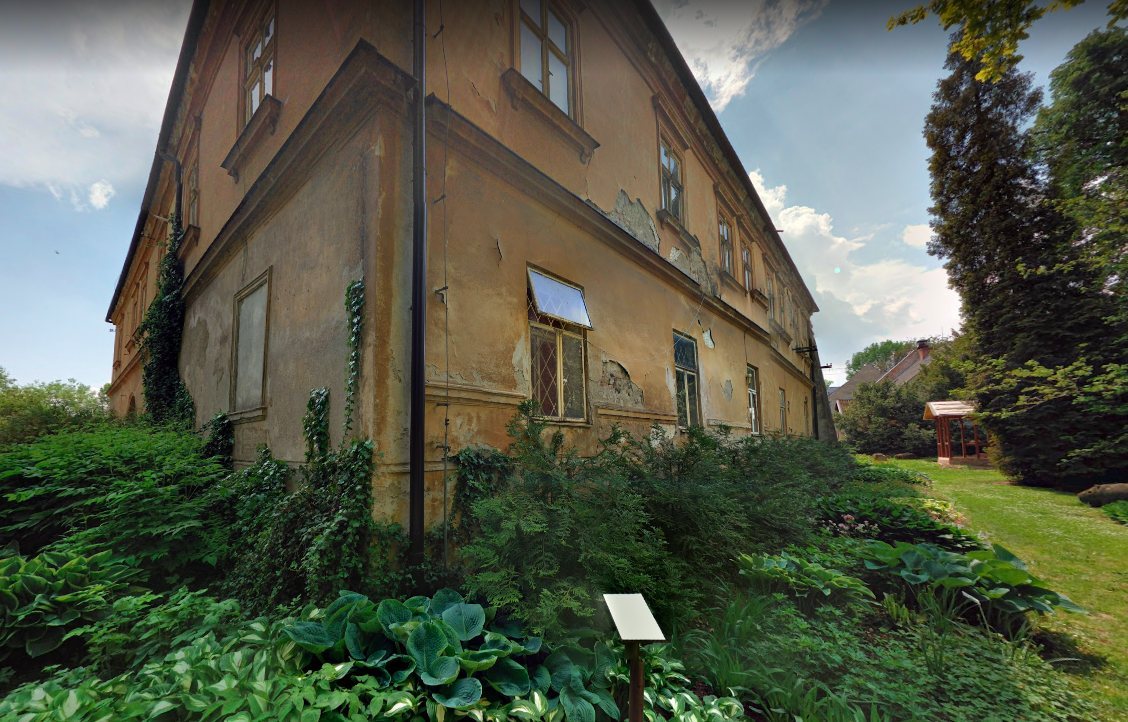
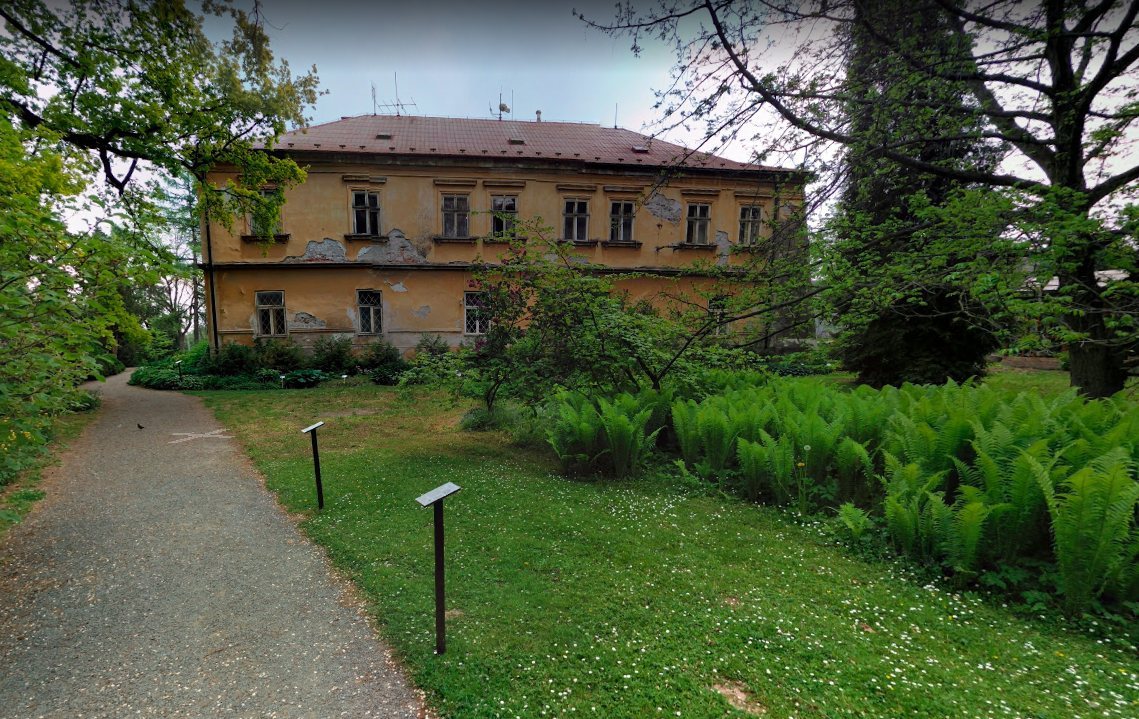
Bílá Lhota Castle is a simple two-storey building arranged in four wings around a small courtyard. Its present form is Classicist, with Empire elements, an early nineteenth-century style associated with the Napoleonic period and formal, monumental design. The structure incorporates the site of the earlier fortified residence. The seventeenth-century rebuilding gave it a Renaissance four-wing form, while Baroque alterations, especially those of the 1740s, substantially changed its appearance.
Earlier Fortified Site
A possible remnant of the medieval fortified site lies within the arboretum in the area now used as a riding hall. A fruit and vegetable garden stood beside the residence by the mid-fifteenth century, providing an early landscape element associated with the castle grounds.
Park and Arboretum
Historic Plantings
An oak grove was established around the turn of the sixteenth and seventeenth centuries in the area of the present riding hall, and many trees planted during that period have survived. A castle park was created around 1700 during renovation of the building. In the first half of the nineteenth century, Jan Vojtěch Speil developed an English-style park beside the castle.
Arboretum Bílá Lhota
Between 1926 and 1945, Quido Riedl expanded and redesigned the park in a mixed French-English style. He assembled several hundred species of ornamental woody plants and later planted a fruit orchard near the park, although severe winters killed most of its trees. The former castle park now forms Arboretum Bílá Lhota, which contains more than 300 species of deciduous, coniferous, and evergreen woody plants from North America, Japan, China, Asia Minor, and other regions, together with native trees. The arboretum occupies the former park, while the castle building marks its boundary.