Iwakiri Castle: A Japanese Mountain Castle in Sendai
Site at a Glance
- Rating
- 3.8
- Popularity
- Very Low
- Country
- Japan
- Primary era
- Medieval
- External website
- Open
- Eras represented
- Medieval
- Civilizations
- Ashikaga shogunate
- Site type
- Military
- Remains
- Castle
On this page9 sections
History
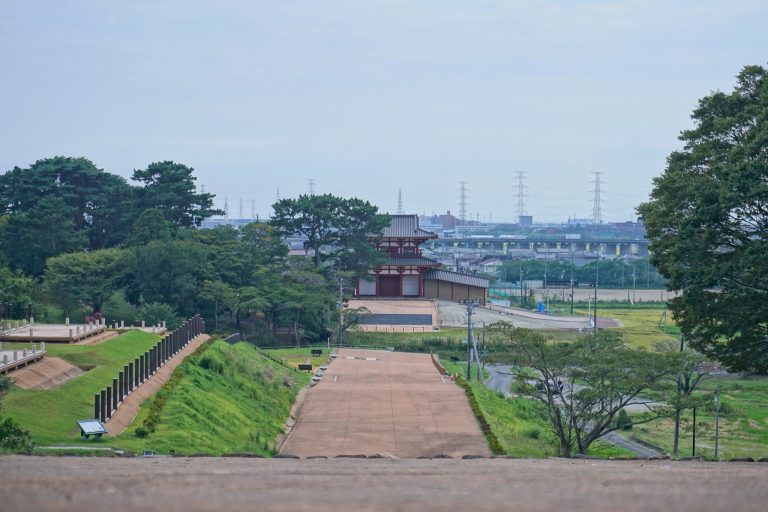
Iwakiri Castle is a Japanese mountain castle in Sendai, Japan, traditionally established by the Isawa clan and built by the Rusu clan during the fourteenth century. Used from the Muromachi period through the Sengoku period, it occupied a strategic position near Taga Castle and controlled communications through an important regional commercial area.
Origins and the Mutsu government
The castle’s exact foundation date is unknown. The Isawa clan, which claimed descent from the Fujiwara clan, served Minamoto no Yoritomo after the destruction of the Northern Fujiwara at Hiraizumi. The family later adopted the surname Rusu and governed the surrounding area for the Kamakura shogunate from Taga Castle.
During the early Nanboku-cho period, the fourteenth-century conflict between Japan’s rival Northern and Southern Imperial Courts, the Southern Court established its Mutsu provincial military government at Taga Castle. Emperor Go-Daigo sent Prince Noriyoshi, later Emperor Go-Murakami, to Mutsu with Kitabatake Akiie and other supporters. Regional leaders included Date Yukitomo and Yuki Munehiro. Iwakiri stood about one ri, approximately 4 kilometers, west of Taga Castle, the provincial capital of Mutsu Province.
The castle’s wider setting gave it value beyond its defenses. It lay near major roads and river crossings, while markets had developed in the area since antiquity. Iwakiri consequently formed part of one of the largest commercial areas in the Tohoku region and helped connect Taga Castle with its hinterland.
Conflict between the Imperial Courts
The Rusu initially supported the Southern Court and pledged allegiance to Kitabatake Akiie, the Chinjufu shogun, a military commander responsible for the northeastern region. After the Southern Court withdrew to Yoshino and the Muromachi shogunate was established, the Rusu changed sides and became retainers of Hatakeyama Kuniuji, who supported Ashikaga Takauji and the Northern Court.
Iwakiri Castle became the seat of Hatakeyama Kuniuji. During the Kannou Disturbance, a mid-fourteenth-century conflict between Ashikaga Takauji and his brother Ashikaga Tadayoshi, Kira Sadaie, who supported Tadayoshi, attacked the castle. Kuniuji was defeated, Iwakiri fell, and he committed suicide. The event formed part of the collapse of the Southern Court-aligned political regime based at Taga Castle. Takauji later defeated the advancing northeastern army at Shirakawa and recaptured Taga Castle.
Rusu rule and abandonment
From the Nanboku-cho period through the Muromachi and Sengoku periods, the castle served as the home castle of the Rusu clan. The clan controlled territory around present-day Iwakiri, Rifu, and Tagajo and gradually strengthened the site. The Rusu later became retainers of the Osaki clan, but the Date clan increasingly eclipsed the Osaki. By about 1500, the Rusu had entered Date service, and Date Harumune’s son Masakage was adopted as head of the clan.
In 1569, after suppressing a rebellion by the Muraoka clan, Rusu Masakage, also known as Date Masakage, moved his seat from Iwakiri Castle to nearby Rifu Castle. Iwakiri was abandoned during 1570–1573 and subsequently fell into ruin. Masakage later became one of Date Masamune’s senior generals and received a fief at Mizusawa Castle. The Rusu clan remained there until the end of the Edo period.
The castle site was designated a National Historic Site of Japan in August 1982. Its former grounds are incorporated into Takamori-yama Park, which forms part of a prefectural forest.
Remains
Iwakiri Castle was a yamashiro, or Japanese mountain castle, spread across the ridges and slopes of 106-meter-high Mount Takamori. The fortified area measured approximately 500 meters from end to end and 400 meters across. Its defenses used the terrain itself, combining leveled ridges and plateaus with earthen ramparts, clay walls, excavated trenches, and dry moats.
Central defensive area
Central and eastern enclosures
The central enclosures were created by cutting and leveling the ridge into three or four stepped terraces. The main enclosure measured about 20 by 80 meters, with secondary enclosures above and below it. Earthen ramparts and dry moats protected this group of terraces. The eastern enclosure was the largest, approximately 80 meters in diameter, and held the principal residential area. It was enclosed by ramparts and dry moats.
Western slope defenses
On the western side, a gentle slope rose through numerous smaller enclosures. Dry moats and clay walls separated these spaces and formed defenses intended to prevent enemy intrusion. Other enclosures occupied connected plateaus and hills divided by ridges and valleys, extending the castle’s defensive organization beyond its central terraces.
Setting and surviving fabric
The castle stood near the junction of the Nanakita and Sunaoishi rivers and close to the Oshu Kaido. This position connected its defensive works with the routes between Taga Castle and the surrounding area. Surviving archaeological features include enclosures, dry moats, and dividing trenches, although the site is now in ruins and only fragments of the ramparts remain.
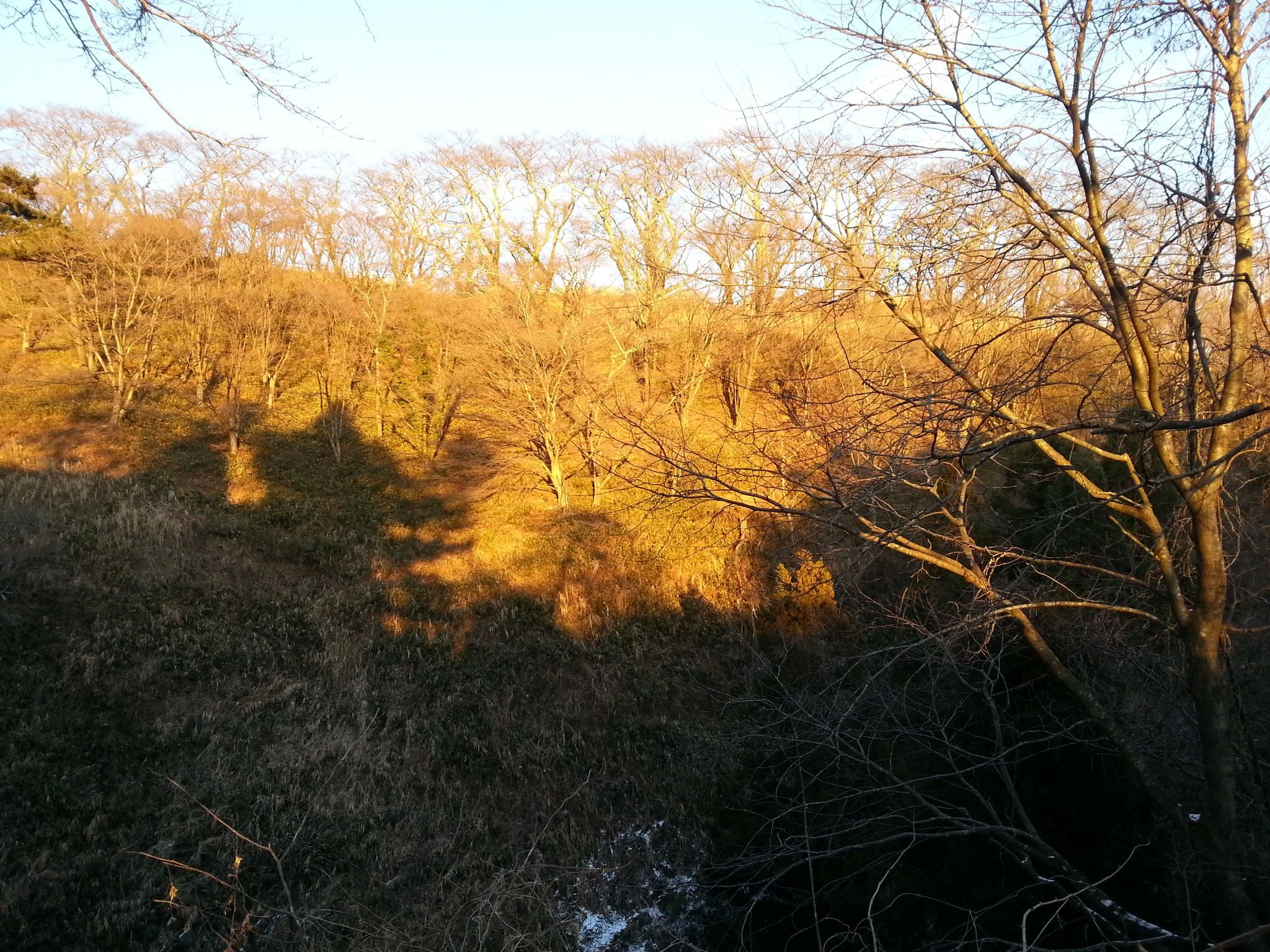
Some archaeological remains collapsed during the Great East Japan Earthquake and were subsequently restored. The former castle area is now Takamori-yama Park, where approximately 400 cherry trees extend from the summit toward the surrounding valleys. The area is also known for its autumn foliage.