San Martín de Albelda: A Medieval Monastery in La Rioja
Site at a Glance
- Rating
- 4.1
- Popularity
- Very Low
- Country
- Spain
- Primary era
- Medieval
- External website
- Open
- Eras represented
- Medieval
- Civilizations
- Kingdom of Navarre
- Site type
- Religious
- Remains
- Monastery
On this page5 sections
History
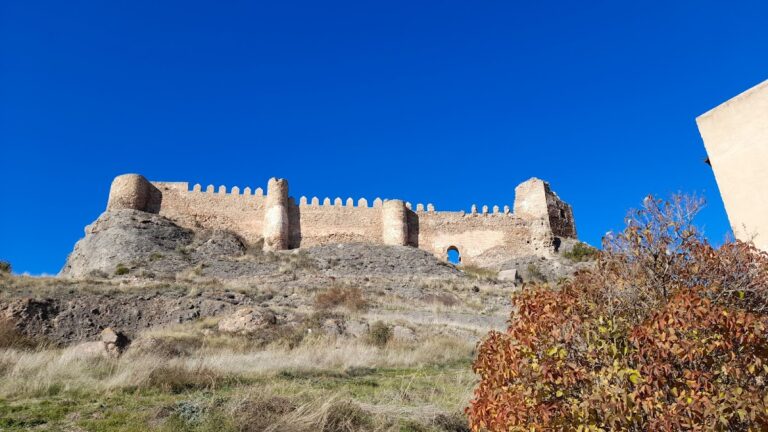
San Martín de Albelda is a ruined medieval monastery in Spain, founded on 5 January 924 by Sancho Garcés I of Navarre and Queen Toda Aznárez. Established during the Christian reconquest of the region, it commemorated the capture of Nájera and Viguera in 923, achieved with Ordoño II of León. The monastery stood on the site of the Muslim fortress of al-Bayadh, a name meaning “the White,” which gave rise to the forms Albaidense and Albaildense used for the community.
Foundation and expansion
The community probably followed the Benedictine Rule, a monastic code associated with Benedict of Nursia. Its first abbot was Peter. A royal privilege dated 5 January 925 names Gabellus as abbot, a change that may reflect an attack during the invasion of Abd al-Rahman III in the previous year.
San Martín prospered as the surrounding region was repopulated. Its position on trade routes connecting Álava, Castile, and Navarre north of the Ebro helped support its growth. By 950, the monastery had 200 monks and had founded the daughter house of San Prudencio de Laturce.
In 950, Godescalcus, bishop of Puy, stopped at San Martín during the first recorded pilgrimage to Santiago de Compostela. His scribes copied De virginitate beatae Mariae, a work by Ildephonsus of Toledo, for him to collect on his return journey.
Ecclesiastical importance
Under Sancho Garcés III of Navarre, the monastery received Clavijo Castle. Albelda later became an episcopal seat, meaning the official center of a bishop’s authority, and its bishops were based at San Martín between 1033 and 1092.
The monastery’s writing workshop, known as a scriptorium, produced the Codex Albeldensis in 976. Also called the Codex Vigilanus, this 430-folio parchment manuscript includes accounts of Christian Spanish events, poems, canon-law material, papal decrees, and civil laws. It contains the earliest known European visual record of the numerals 1 through 9, as well as the earliest known representations of Spanish monarchs, including Sancho Garcés II, Ramiro Garcés, and Urraca Fernández, shown during their lifetimes.
Other manuscript work connected with San Martín included the copying of the Liber Ordinum, a liturgical book of the Mozarabic rite, the historic Christian tradition of the Iberian Peninsula. The manuscript was copied at San Pedro in 1052.
Collegiate church and decline
Between 1167 and 1180, San Martín was converted into a collegiate church, a church served by a college of clergy rather than by monks. The community followed the Rule of Saint Augustine, a religious rule associated with Augustinian foundations.
The monastery began to decline during the twelfth century. In 1435, a bull issued by Pope Eugene IV united it with the Co-cathedral of Santa María de la Redonda, following the advice of Diego López de Zúñiga, bishop of Calahorra. The former monastery is now preserved as ruins within the municipal boundaries of Albelda de Iregua.
Remains
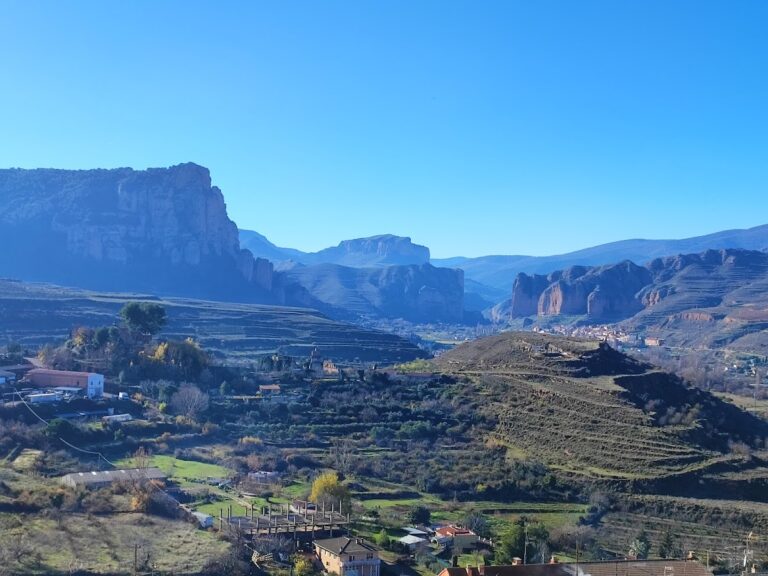
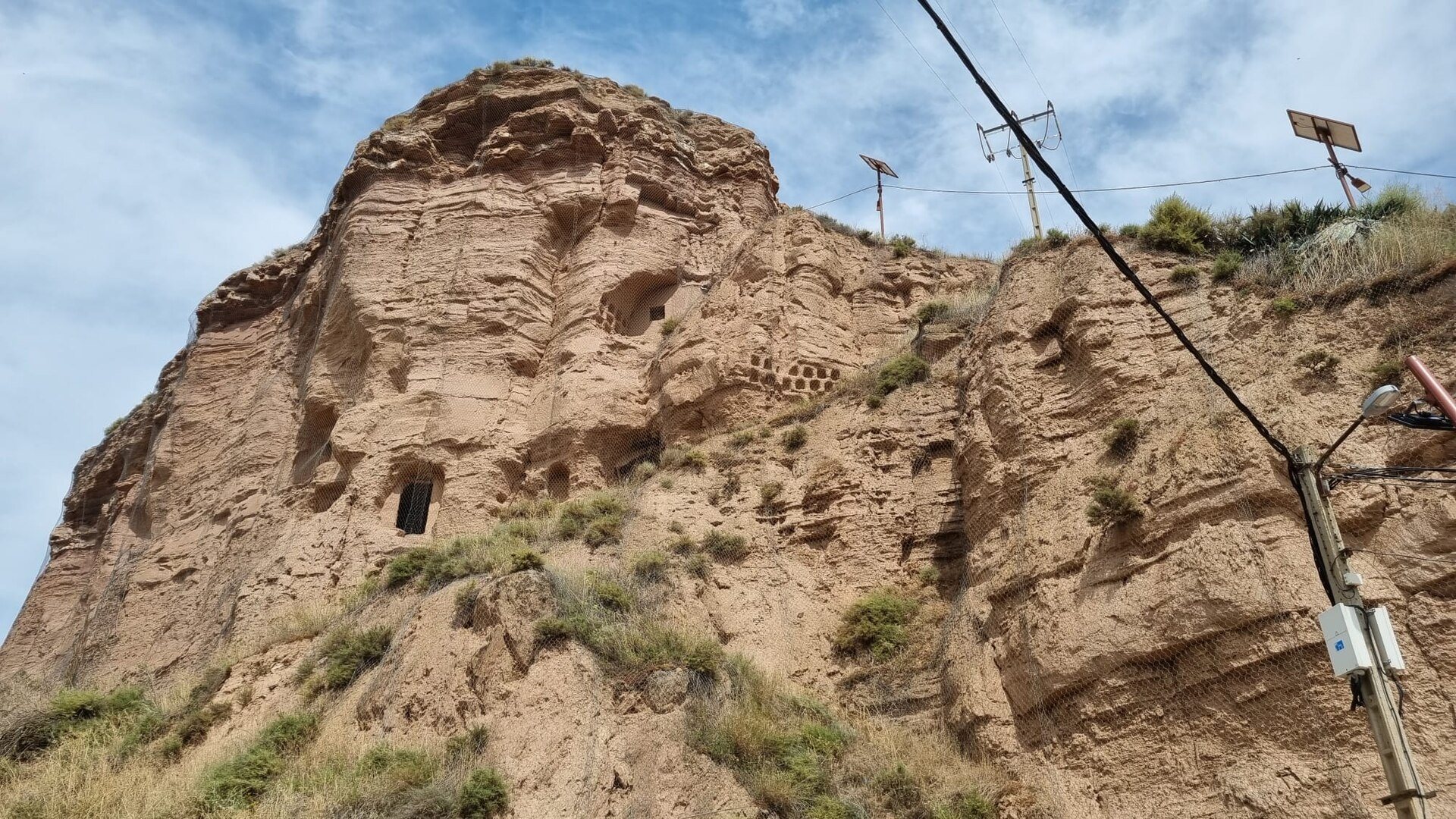
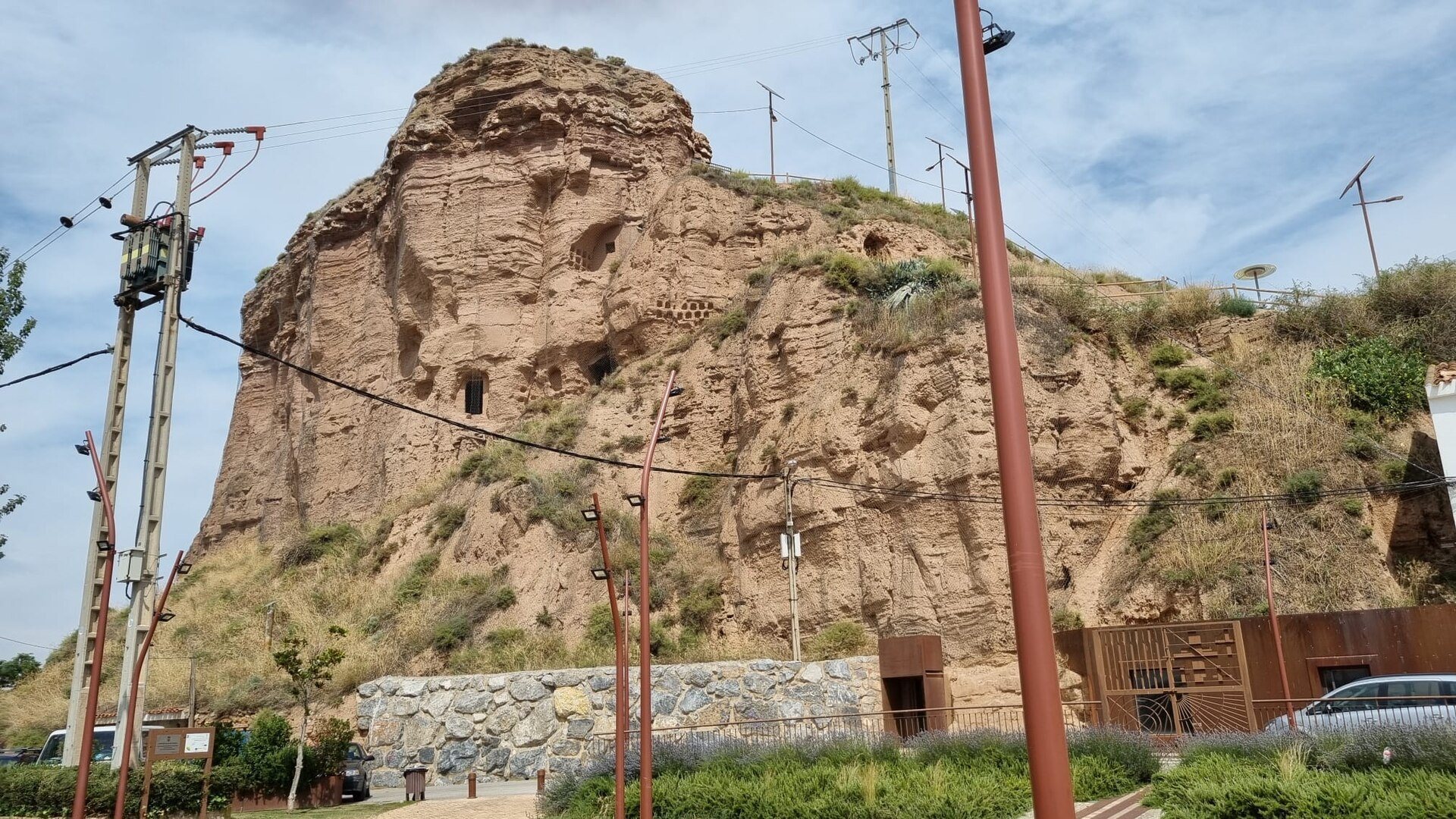
The ruined complex occupies the former site of the Muslim fortress of al-Bayadh. Its layout was oriented westward and excavated into the clay-rich earth, a physical setting that shaped the surviving archaeological remains of the monastery.