Biwazuka-kofun: A Kofun-Period Burial Mound in Japan
Site at a Glance
- Rating
- 4.1
- Popularity
- Low
- Country
- Japan
- Primary era
- Classical
- External website
- Open
- Eras represented
- Classical
- Civilizations
- Yamato
- Site type
- Burial
- Remains
- Burial Mound
On this page6 sections
History
Kofun-period origins
Biwazuka-kofun is a Kofun-period burial mound in Oyama, Japan, built during the first half of the sixth century. The Kofun period, conventionally dated from approximately the third to the sixth centuries, was an era when powerful regional chiefly authorities constructed large burial mounds. Biwazuka-kofun is a keyhole-shaped mound associated with rulers representing the ancient Shimotsuke area, which corresponded broadly to present-day Tochigi Prefecture.
The mound was built on a plateau between the Omoigawa and Sugatagawa rivers, in the central part of the ancient Shimotsuke region. The wider plateau contains numerous large burial mounds. After the area entered the ritsuryo system, Japan’s classical administrative and legal order, it also became the location of a provincial capital and a provincial temple. Biwazuka-kofun and the nearby Marishitenzuka Kofun are regarded as burial mounds of regional rulers. After their construction, other distinctive keyhole-shaped mounds known as the Shimotsuke type continued to be built in the northern part of the plateau.
Protection and investigation
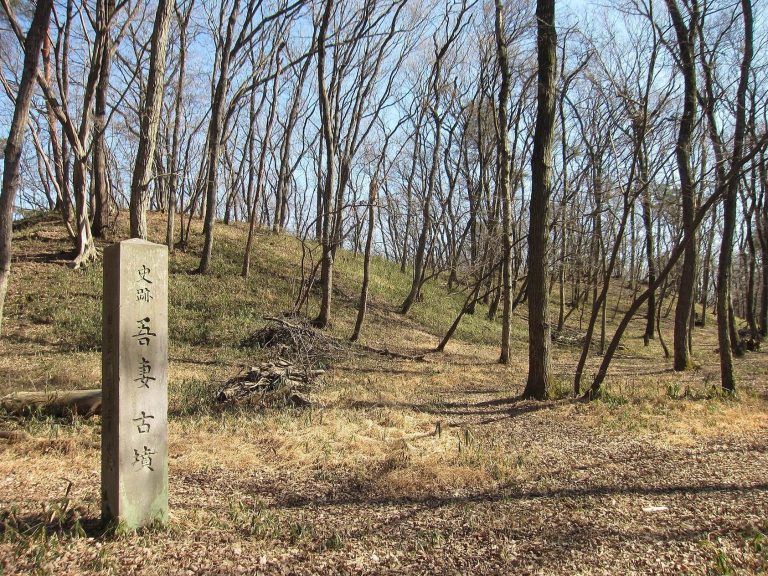
Biwazuka-kofun became a National Historic Site of Japan on February 24, 1926. The designated area was expanded on December 9, 1981, to include additional ground around the mound, including its moat. Archaeological excavations have taken place since fiscal year 2013. These investigations confirmed rows of cylindrical haniwa on the mound’s first and second levels and contributed to the present measurement of approximately 124.8 metres.
Remains
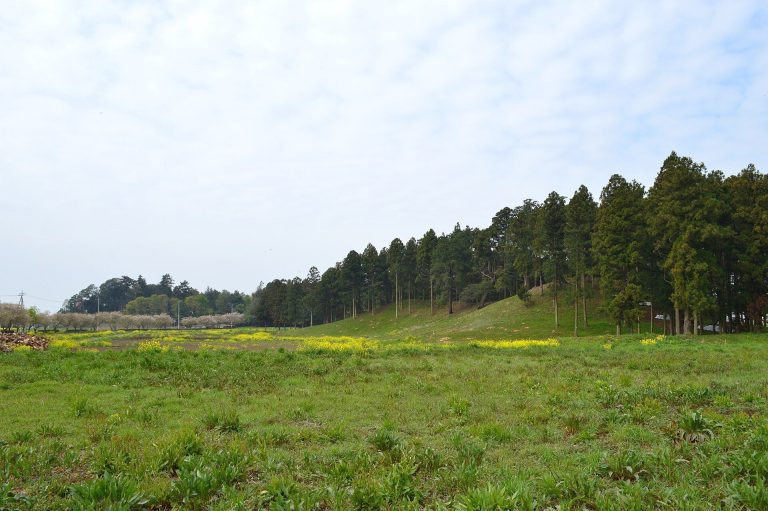
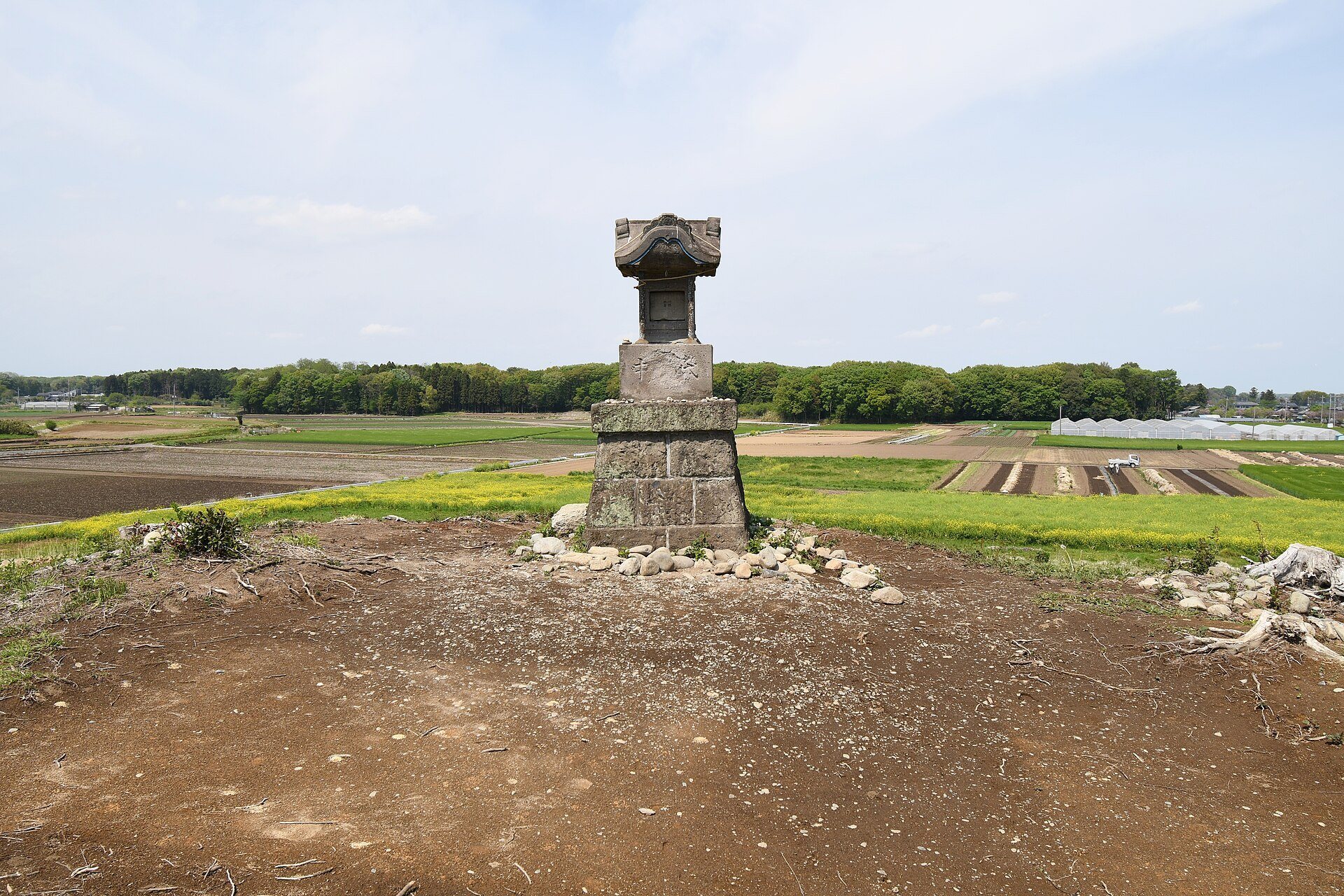
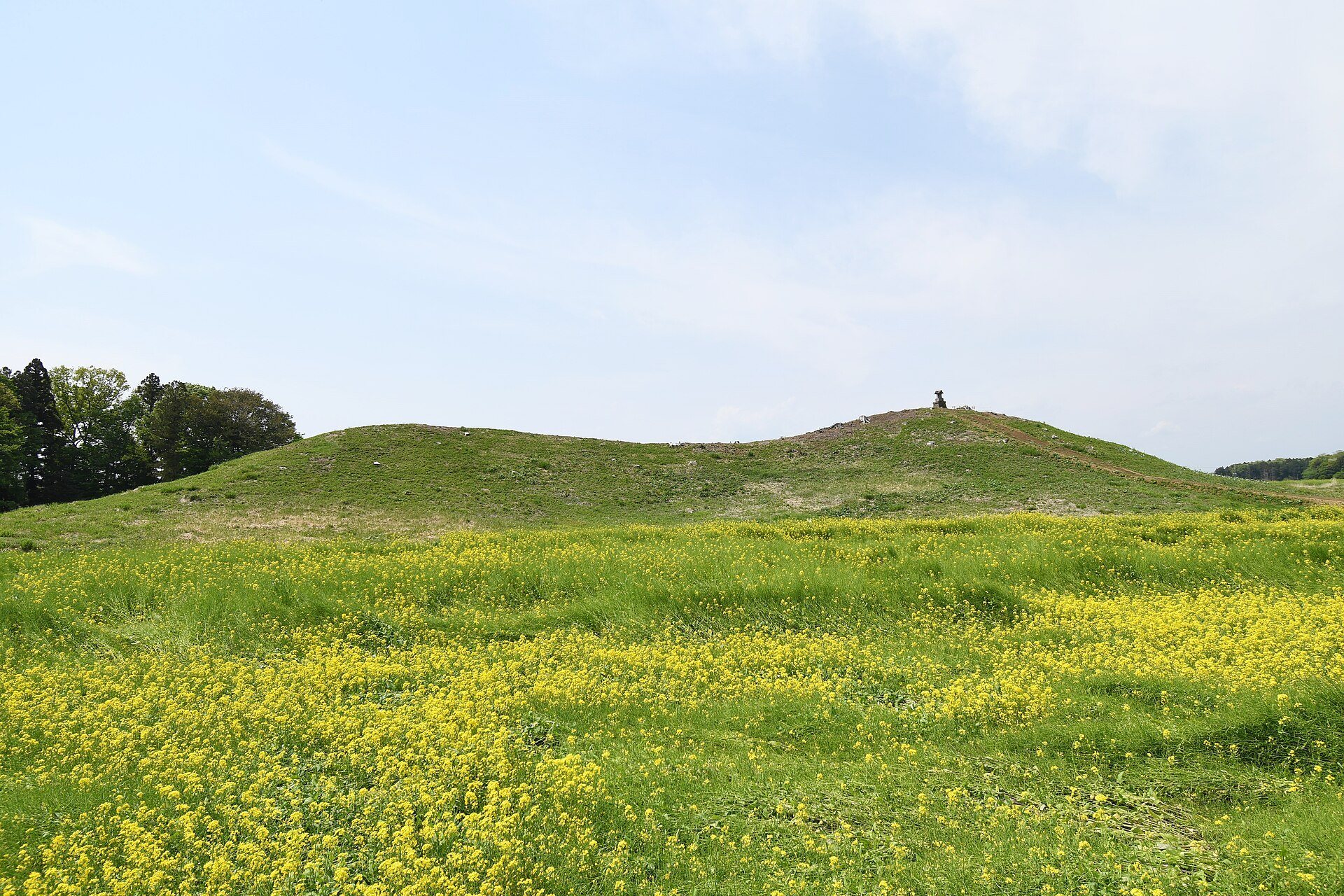
Biwazuka-kofun is organized as a keyhole-shaped mound, or zenpo-koen-fun, a form with a square front joined to a rounded rear when viewed from above. Its front section points south-southwest, and the earthen structure is enclosed by a moat. At approximately 124.8 metres in length, it is the second-largest kofun in Tochigi Prefecture.
Mound and moat
The rear circular section was built in three tiers and measures approximately 75 metres across and 11 metres high. The front section has two tiers, is approximately 70 metres wide, and rises about 9 metres. Construction began with a platform formed from a natural earthen rise, followed by two stages of earthen embankment. A moat approximately 18 to 20 metres wide surrounds the mound, while double moats have been confirmed along its eastern and southern sides. A 1977 excavation measured the mound at approximately 123 metres in length, before later investigations established the current measurement.
Haniwa and related remains
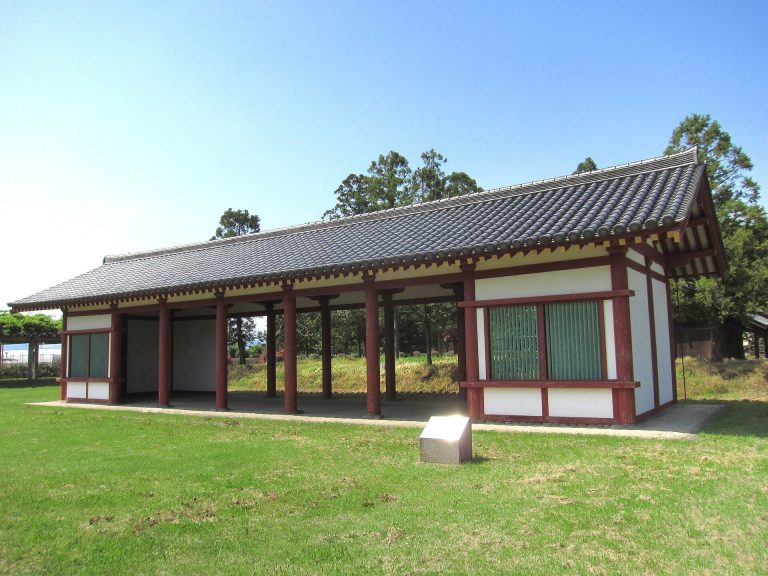
Cylindrical haniwa, clay objects placed in and around burial mounds, formed rows along the first and second levels. Fragments were also recovered from the moat during investigations in 2013. Cylindrical and asagao-shaped haniwa, whose flared form resembles a trumpet, are preserved and displayed at the Marishitenzuka-Biwazuka Kofun Museum in Oyama. The burial facility within Biwazuka-kofun remains unidentified.
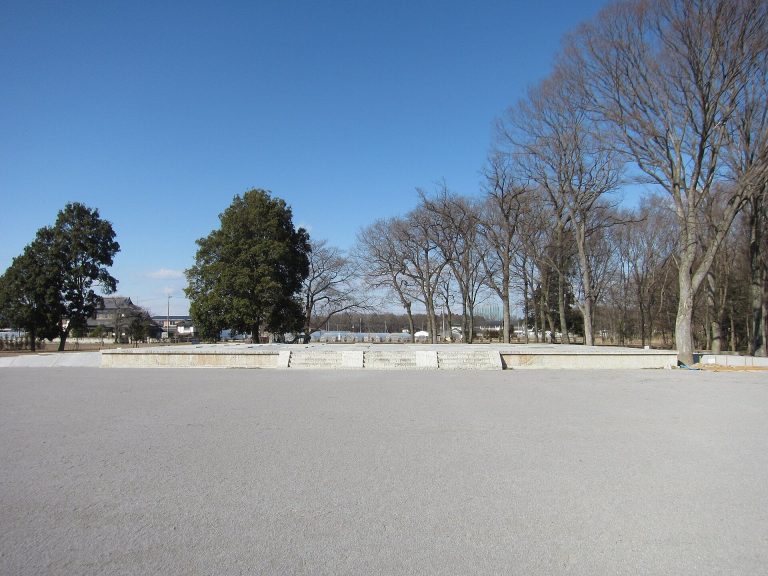
Marishitenzuka Kofun lies south of Biwazuka-kofun. The two large mounds are described as having nearly identical size and orientation, placing them together within the surviving monumental landscape of the ancient Shimotsuke region.