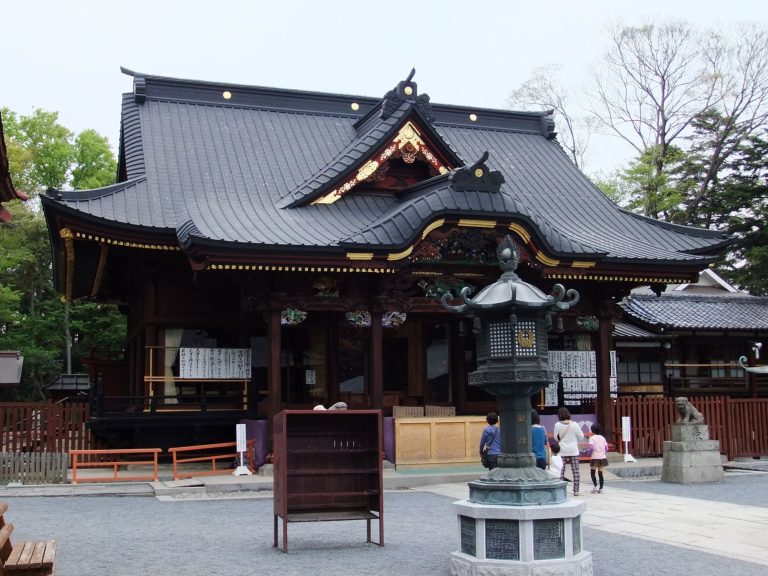
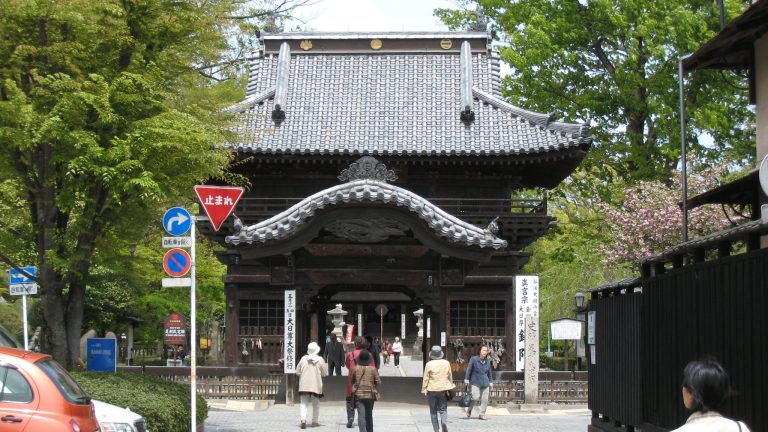
Nitta-no-shō National Historical Site: Remains of a Medieval Japanese Estate
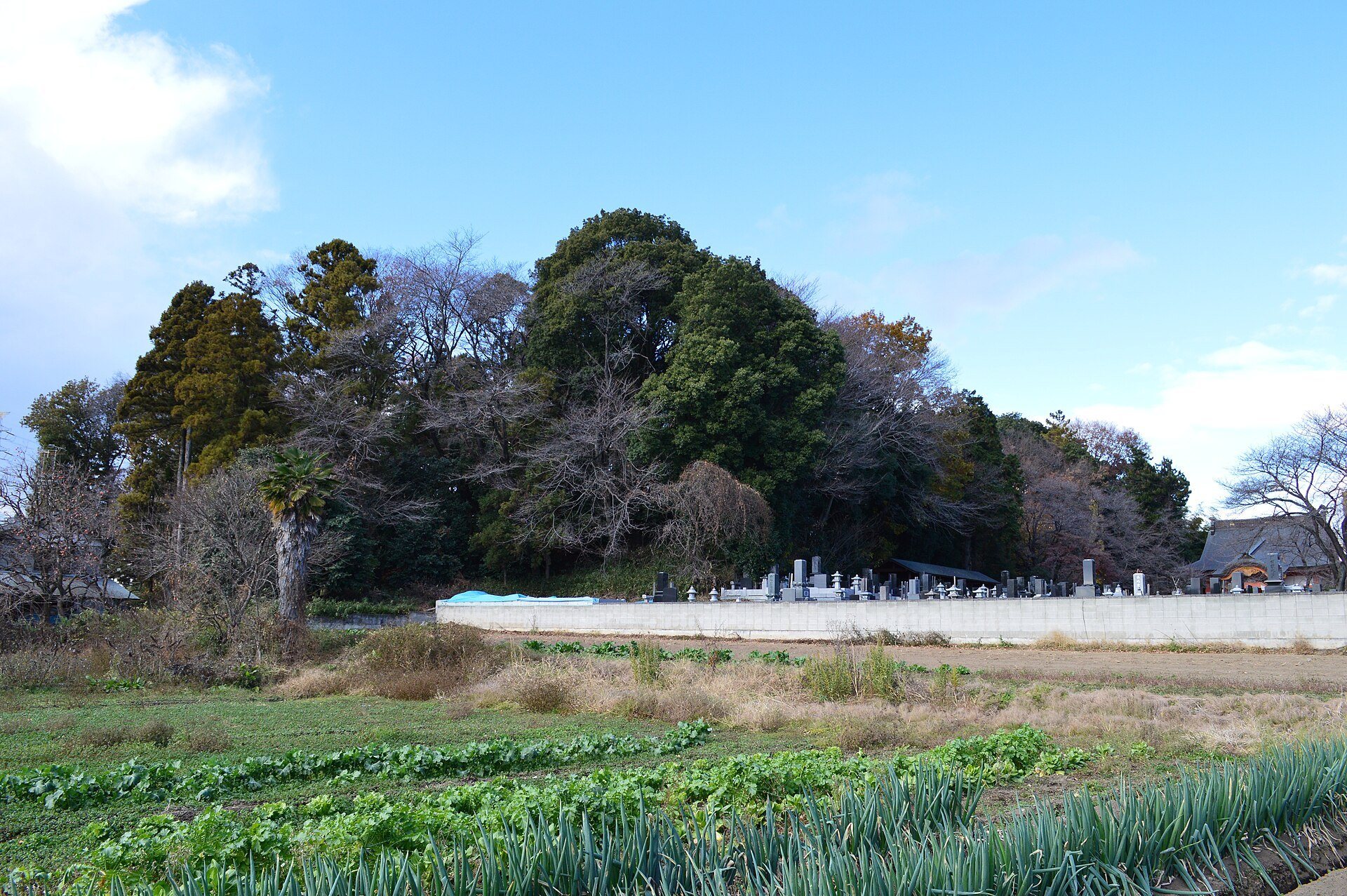
Site at a Glance
- Rating
- 4.5
- Popularity
- Very Low
- Country
- Japan
- Primary era
- Medieval
- Eras represented
- Medieval
- Civilizations
- Unclassified
- Site type
- Civic
On this page6 sections
History
Nitta-no-shō National Historical Site in Ōta, Japan, preserves archaeological remains associated with the medieval Nitta estate, a Japanese shōen established in the twelfth century. A shōen was a medieval estate whose land, revenues, and administrative rights were divided among proprietors, local stewards, and military landholders. The estate became the homeland of the Nitta clan and is unusually well documented through the surviving Chōrakuji and Masaki documents.
Early records and the formation of the estate
The area was already recognized as Nitta District and as the Nitta Station on the Tōsandō route, including its Musashi route, in the mid-Heian Wamyō Ruijushō, a geographical and lexical work recording provincial districts and place names. The district station also appears in the Engishiki, a tenth-century compendium of administrative regulations and shrine procedures.
A major environmental disruption came in 1108, when an eruption of Mount Asama spread volcanic ash known as the Asama B tephra across much of the northern Kantō region. In 1142, Minamoto no Yoshikuni established the Ashikaga estate. He followed this in 1143 by establishing the Yanada imperial kitchen estate, a holding that supplied revenues to the imperial household.
Yoshikuni became involved in a dispute with Fujiwara Saneyoshi of the Ōimikado house in 1150. After Yoshikuni burned Saneyoshi’s residence, imperial censure forced him to withdraw to his retreat residence at Ashikaga in Shimotsuke Province. He and his eldest son, Nitta Yoshishige, then began developing Nitta District. Their work repeatedly brought them into conflict with the neighboring Fujiwara-line Ashikaga clan. Yoshikuni died at Yoshishige’s residence in Nitta District in 1155.
In 1157, nineteen settlements developed by Yoshikuni and Yoshishige were donated to Kongōshin-in, the vow temple of the retired Emperor Toba, as head proprietor, and to Fujiwara Tadamasa of the Kazanin branch of the Northern Fujiwara house as estate proprietor. Nitta estate was thereby formally established, with Yoshishige appointed as its local estate steward. In 1170, the estate expanded to include all fifty-six settlements of Nitta District.
Nitta, Chōrakuji, and competing landholders
Yoshishige transferred his holdings to his eldest son, Nitta Yoshikane, in 1172. He also became involved in a dispute with the neighboring Sonoda imperial kitchen estate. Minamoto no Yoritomo, founder of the Kamakura shogunate, visited Yoshishige’s residence in 1193. In 1205, Yoshikane received the jitō offices for twelve settlements from Minamoto no Sanetomo. A jitō was an estate land steward responsible for local management, revenues, and judicial or administrative authority. Nitta Nun received the offices for three settlements in 1215, while Iwamatsu Tokikane received them for twelve.
Serada Yoshisue founded Serada Chōrakuji in 1221 after inviting the monk Eicho to serve as its founding abbot. The temple became a major religious proprietor within Nitta estate, receiving repeated gifts of residences, rice fields, and other holdings. Iwamatsu Tokikane received the jitō office for Iwamatsu settlement in 1226.
In 1244, Nitta Masayoshi lost both his status and the Nitta clan headship after being accused of entering religious life without the shogunate’s permission while serving in Kyoto. Serada Yorii received the headship, while the Iwamatsu and Serada houses shared proprietor rights over half of Nitta estate. Serada Yoshisue donated Onnazuka settlement to Chōrakuji in 1246.
The balance among the warrior houses continued to change. In 1268, Tokugawa Yoriari adopted Kameōmaru, the eldest son of Iwamatsu Tsunekane, and transferred his holdings to him. Serada Yorii was exiled to Sado Province in 1272 for involvement in the February Disturbance, a political conflict within the Kamakura shogunate. The portion of the Nitta clan headship held by the Serada house then returned to the Nitta main house, headed by Nitta Masauji. The disturbance also accelerated the growth of Tokusō holdings, estates under the direct control of the head of the Hōjō family, within Nitta estate.
Chōrakuji continued to receive land from members of the competing houses. In 1277, Serada Yorii’s daughter, the nun Jōin, donated a residence and rice fields in the Dōgaito area of Kamieda settlement. In 1291, the Kamakura shogunate recognized Nun Nenku’s succession to the holdings of Toriyama Tokishige. In 1318, it granted rice fields in Nitta estate to Ki, the wife of Yura Kagenaga. During the same period, Nitta Yoshisada succeeded to the headship of the Nitta main house, while Yoshisada and Murata Yorichika sold holdings to Chōrakuji.
Conflict and the fall of the Nitta main house
Disputes over land and resources persisted into the fourteenth century. In 1322, Iwamatsu Masatsune and Ōdate Muneuji contested irrigation water in Tajima settlement. Jōin donated residences in Minamionnazuka settlement to Chōrakuji to fund memorial observances for her deceased father. Nitta Yoshisada sold holdings to Ki, wife of Okonogi Morimitsu, in 1324, and Serada Mitsuyoshi donated rice fields and other land in Kotsunoda settlement to Chōrakuji in 1328.
Chōrakuji was destroyed by fire and rebuilt by the monk Ōtani Dōkai in 1332. The following year, Nitta Yoshisada raised troops to overthrow the Kamakura shogunate. Eda Yukiyoshi also donated holdings to Chōrakuji in 1333. In 1334, Myōren, also called Doyōō Gozen, transferred her holdings to her adopted son, Iwamatsu Naokuni.
Ashikaga Takauji, founder of the Muromachi shogunate, confiscated the holdings of Nitta clan members in the Kantō in 1335. In 1338, he donated former Nitta holdings to Chōrakuji and gave additional holdings, including Yaginuma settlement, as memorial lands for the deceased Nitta Yoshisada. Iwamatsu Naokuni received the jitō office for Yura settlement in 1347.
The political changes surrounding the Nanboku-chō wars, the fourteenth-century conflict between the Northern and Southern Imperial Courts, further altered control of the estate. In 1350, the Muromachi shogunate ordered Uesugi Noriaki to transfer former holdings of Serada Ukyo-no-suke and Momonoi Naotsune in Nitta estate to Iwamatsu Naokuni. In 1352, Nitta Yoshioki prohibited soldiers from forcibly entering Chōrakuji and committing violence there, while Takauji confirmed the temple’s land rights at its request. Murata Yorichika sold residences and fields in Shimoeda settlement in 1355.
Ashikaga Motouji granted Eda settlement, formerly held by Serada Yoshimasa, to Iwamatsu Naokuni in 1364. Ashikaga Yoshiakira confirmed Naokuni’s hereditary holdings the following year. Serada Norimasa donated his holdings to Chōrakuji in 1381, and in 1411 the Kamakura government ordered Iwamatsu Mitsukuni to pay one hundred kan of that year’s tax from Nitta estate.
The Iwamatsu family and the end of the estate system
After the Nanboku-chō wars and the extinction of the Nitta main house, the Iwamatsu family inherited the Nitta clan headship. Proprietor rights over the estate passed to the Kamakura government. The Iwamatsu family exercised authority in Nitta District on a broad scale comparable to that of a provincial military governor.
Iwamatsu Mitsuzumi supported the Uesugi Zenshū rebellion in 1416, after which the Iwamatsu family divided into the Reibu and Keichō branches. Iwamatsu Mochikuni sought recognition from Ashikaga Shigeuji for unified control of Nitta estate in 1455. Iwamatsu Ieyoshi reunited the family in 1469 and built Kanayama Castle.
In 1495, the overbearing conduct of the vassal Yokose Kageshige led Iwamatsu Naosumi to retire and Yokose’s candidate, Iwamatsu Masazumi, to take his place. Kageshige’s son, Yokose Yasushige, later killed Masazumi in an act of warrior-house usurpation. The Yura family, formerly known as the Yokose family, subsequently developed into a territorial lordship during the Sengoku period, the era of prolonged civil warfare among competing regional powers. In 1509, the linked-verse poet Sōchō visited Nitta estate and composed a hundred-verse sequence with Iwamatsu Naosumi.
After the conquest of Odawara in 1590, Tokugawa Ieyasu entered the Kantō. The cadastral survey conducted under Toyotomi Hideyoshi brought the estate system to its definitive collapse. In 2000, eleven locations associated with the Nitta clan were designated collectively as Nitta-no-shō National Historical Site and placed under national protection.
Remains
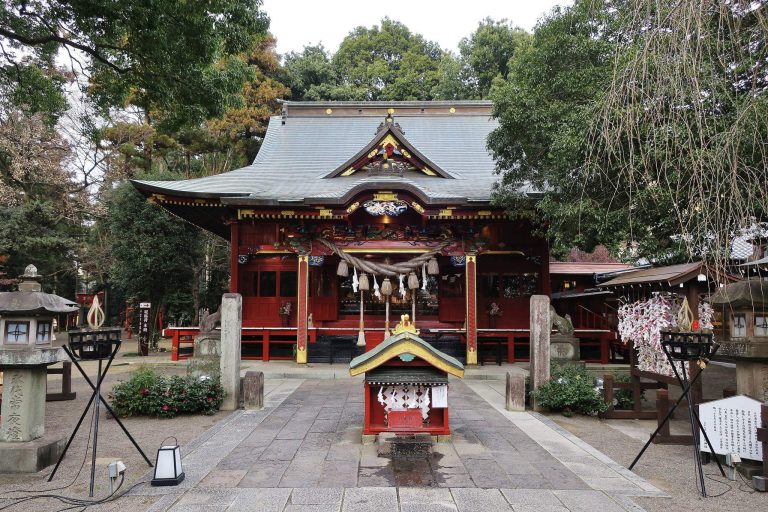
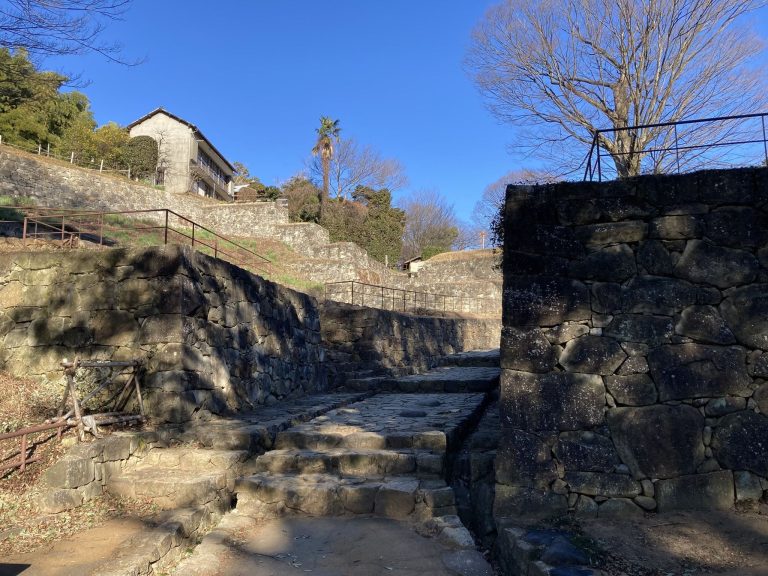
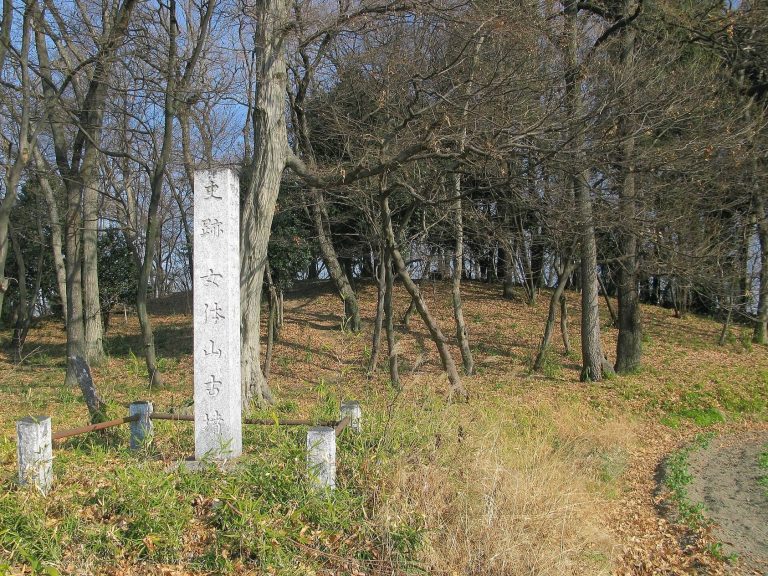
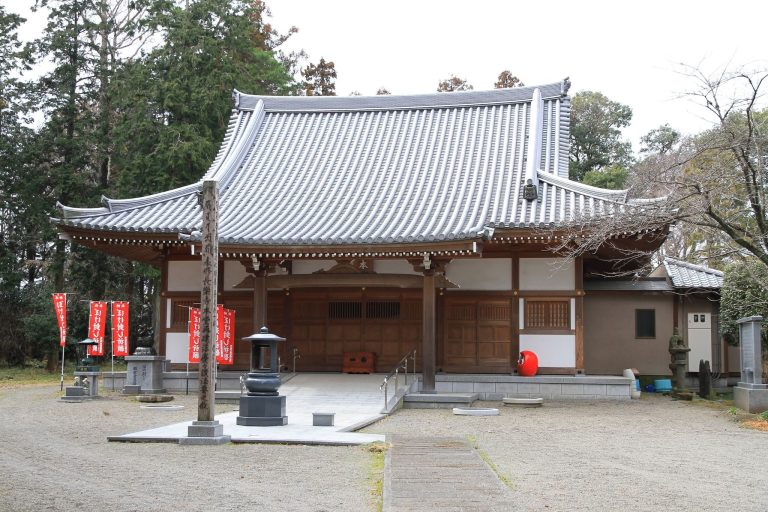
The protected site consists of eleven locations associated with the Nitta clan and represents the former Nitta estate across a broad landscape. Historically, the estate extended through all of former Nitta District and parts of Seta and Sai districts in Kōzuke Province, as well as part of Hanzawa District in Musashi Province. Its physical setting chiefly comprised the Ōmama alluvial fan and the floodplain on the left bank of the Tone River. The surviving protected locations are preserved collectively as Nitta-no-shō National Historical Site, presenting the remains as a dispersed archaeological record of the medieval estate rather than as a single enclosed settlement.