Tomiyama Kofun: A Fifth-Century Keyhole Burial Mound in Japan
Site at a Glance
- Rating
- 3.2
- Popularity
- Very Low
- Country
- Japan
- Primary era
- Classical
- Eras represented
- Classical
- Civilizations
- Yamato
- Site type
- Burial
- Remains
- Burial Mound
On this page6 sections
History
Middle Kofun Period Origins
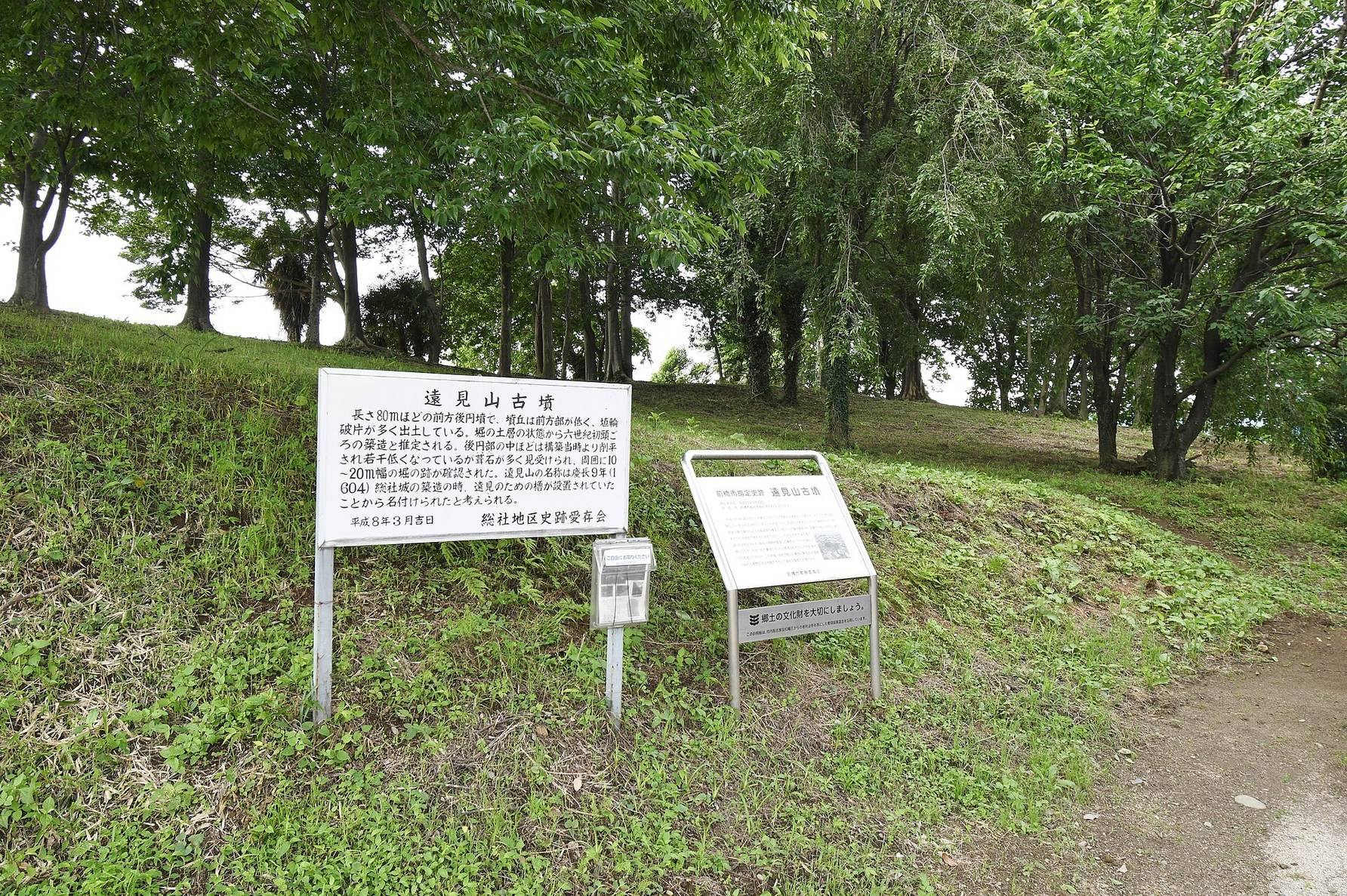
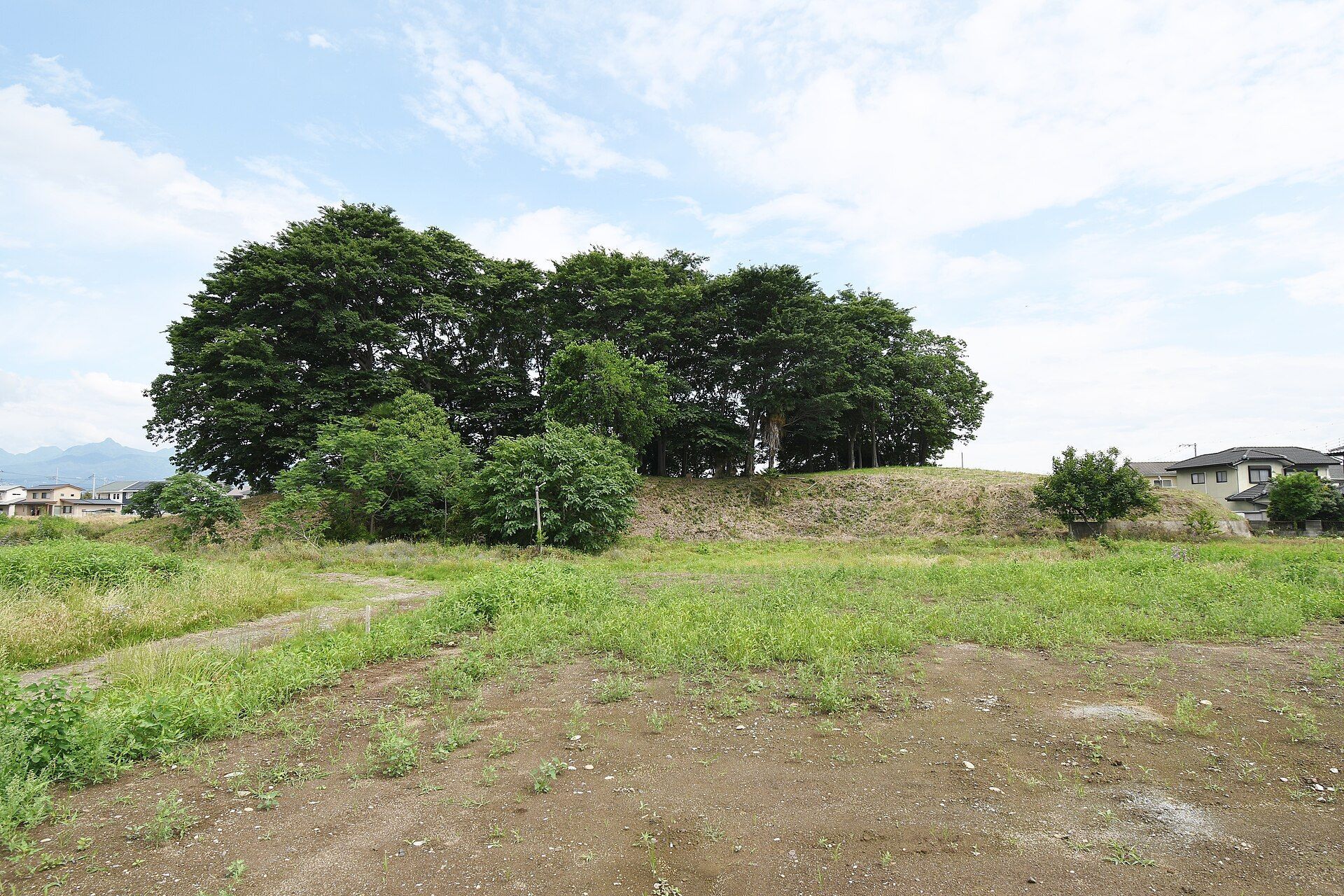
Tomiyama Kofun, also known as Sōja Town No. 6 Mound, is a large burial mound in Japan, at Sōja in Maebashi, Gunma. Built during the second half of the fifth century in the middle Kofun period, the era when elite burial mounds were constructed across ancient Japan, it is regarded as the oldest mound in the Sōja Kofun Cluster. Its date and position within the cluster help explain how the Sōja area developed into a political and cultural center of the ancient Kamitsukeno region, corresponding broadly to the later province of Kōzuke.
Later Use and Investigation
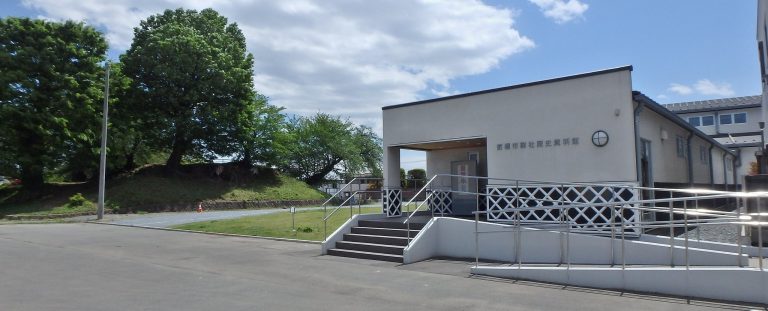
The name Tōmiyama reflects a later military role. During the late Sengoku period, an era of prolonged political and military conflict in Japan, the mound was used as a lookout tower for Sōja Castle, a medieval Japanese castle. Archaeological investigations followed modern development. A confirmation survey connected with housing construction took place in fiscal 1991 and was reported in 1992 as two sites, I and II. A second survey accompanied construction of a community center in fiscal 1994 and was reported in 1995. Range-confirmation surveys followed in fiscal 2017–2018 and fiscal 2021, with their results reported in 2020 and 2023. Maebashi designated the mound a municipal historic site on March 19, 2010. On February 21, 2024, it became a National Historic Site as part of the Sōja Kofun Cluster. Excavated haniwa are displayed at the Maebashi City Sōja Historical Museum.
Remains
Mound and Enclosure
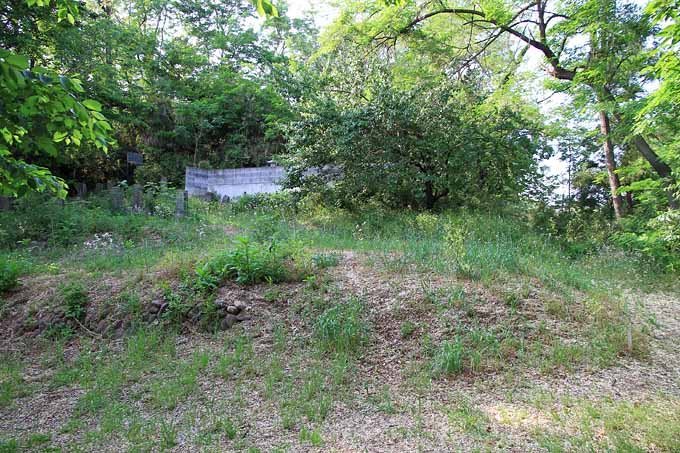
Tomiyama Kofun is a keyhole-shaped mound, a form combining a circular rear section with a square front section when viewed from above. It measures 87.5 meters in length, and the front section points southwest. The mound occupies the Maebashi Plateau at the southeastern foot of Mount Haruna, on the west bank of the Tone River in central Gunma. A moat surrounds it. If an additional outer moat is included in the reconstruction, the total length of the kofun is estimated at approximately 136 meters.
Its outer surface was covered with fukiishi, stones laid over a burial mound, and lined with cylindrical and figurative haniwa. These clay objects included human figures and were arranged on or around the mound. The burial facility is understood as a pit-type stone chamber, although its form remains uncertain.
Ritual Deposit
A ritual deposit was found on the northern terrace of the front section. It comprised 14 Haji ware vessels, an unglazed ancient Japanese pottery type associated here with burial or ritual activity. The group included pedestal dishes, a large pedestal dish, a bowl, and a straight-mouthed jar. Haniwa recovered from the mound are preserved at the Maebashi City Sōja Historical Museum.