Araogawa Shrine: A Historic Shinto Shrine in Miyagi, Japan


Site at a Glance
- Rating
- 4.1
- Popularity
- Very Low
- Country
- Japan
- Primary era
- Unclassified
- External website
- Open
- Eras represented
- Unclassified
- Civilizations
- Unclassified
- Site type
- Religious
- Remains
- Sanctuary
On this page9 sections
History
Araogawa Shrine is a Shinto shrine in Japan, located in Ikezuki, Iwadeyama, in Osaki, Miyagi Prefecture. Traditionally founded in 720, it has served as a regional center of religious devotion and is one of three shrines in the former Tamatsukuri District listed in the Engishiki, a tenth-century compilation of court regulations and ritual procedures. Its former formal rank was that of a village shrine.
Origins and Sacred Associations
The shrine’s grounds have been regarded as sacred since ancient times. A middle Jomon-period ritual site lies within the compound, and Jomon pottery and stone tools have been found around the shrine. The Jomon period was a prehistoric era associated with hunter-gatherer communities and cord-marked pottery. After Araogawa Shrine was established, a Buddhist temple was attached to it, and the site continued to function as an important religious center.
The shrine is also known as the Village Shrine, Thirty-Six Myojin, and Thirty-Six Shrines. It forms a pair with another Araogawa Shrine at Onikobe Onsen in the Naruko hot-spring area. The Ikezuki shrine is known as the Village Shrine, while the Onikobe shrine is the Mountain Shrine, or Inner Shrine. Each has its own hereditary priestly family.
Susanoo and Seoritsuhime are identified as the shrine’s principal deities. Susanoo is a Shinto kami associated in mythology with storms, the sea, and the purification and ordering of the world. Seoritsuhime is a purification kami connected with the Harae tradition, which removes ritual pollution and impurity. The Miyagi Prefecture Shrine Association identifies Omonoimi no Kami as the principal deity, but the shrine’s own historical explanation and information from its chief priest state that Omonoimi is not enshrined at the Village Shrine. The shrine associates Seoritsuhime with the water deity governing the river’s upper reaches, and suggests that the name Omonoimi reflects reverence for the Araogawa’s pure water and the taboo against polluting it.
Warrior Patronage and Medieval Status
During the Former Nine Years’ War, an eleventh-century conflict in northeastern Japan involving the Minamoto military house and regional warrior groups, Minamoto no Yoriyoshi served as governor of Mutsu and commander of the Mutsu Garrison. He sent an envoy to Araogawa Shrine to pray for victory over the Abe clan. Ten pieces of gold and one golden sword were dedicated on that occasion. Minamoto no Yoshiie, Yoriyoshi’s son, is traditionally said to have prayed at the shrine for victory during the Later Three Years’ War in 1086.
In 1170, Fujiwara no Hidehira was appointed commander of the Mutsu Garrison, and Araogawa Shrine was designated the foremost shrine of Oshu. Oshu was the historical name for northeastern Japan, broadly corresponding to Mutsu and Dewa. During the Muromachi period, the era of the Ashikaga shogunate, the Osaki clan controlled the five districts of Osaki and revered Araogawa as the foremost shrine of Osaki District. The shrine received a land endowment valued at thirty kan of mon, a traditional assessment of land or revenue.
Edo-Period Reorganization
During the Edo period, the era of Tokugawa rule, Araogawa Shrine was designated the principal guardian shrine of the district and became the clan deity shrine of the Iwadeyama Date family. In 1743, a shogunal order consolidated thirty-six Myojin shrines in the Eai River basin with Araogawa Shrine. Myojin was an honorific term for a revered kami or shrine, and this consolidation gave the shrine its alternative names, Thirty-Six Myojin and Thirty-Six Shrines.
In 1872, Araogawa Shrine was designated a village shrine, a category in Japan’s prewar shrine-ranking system. Its affiliated shrines include a Mountain Shrine dedicated to Konohanasakuya-hime, a Tenjin Shrine dedicated to Sugawara no Michizane, and a Water-Division Shrine dedicated to Mikumari no Kami. Konohanasakuya-hime is associated with Mount Fuji, flowering trees, childbirth, and human mortality. Sugawara no Michizane was a Heian-period scholar and statesman later venerated as Tenjin, a kami associated with learning. Mikumari no Kami is a water-distribution kami associated with the allocation and control of water.
Remains
The shrine compound combines its principal religious buildings with archaeological evidence of earlier ritual activity. The main sanctuary, worship hall, and offering hall form the principal architectural group, while associated shrines, performance and storage buildings, and smaller sacred features occupy other parts of the grounds.
Principal Shrine Buildings
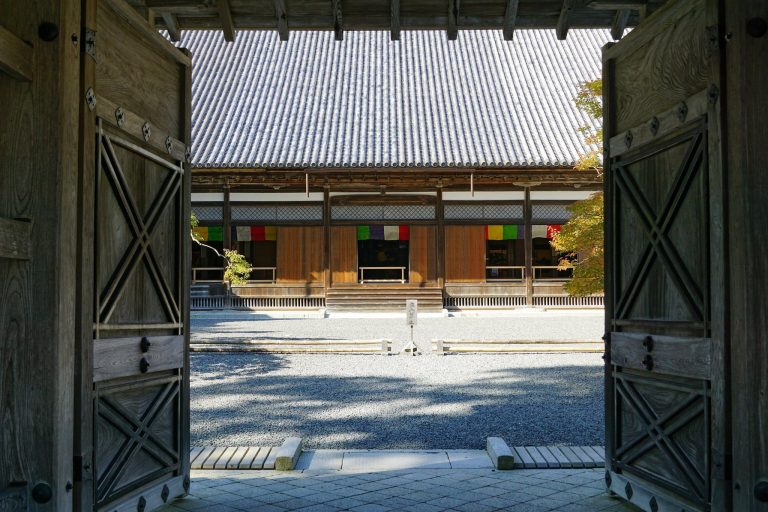
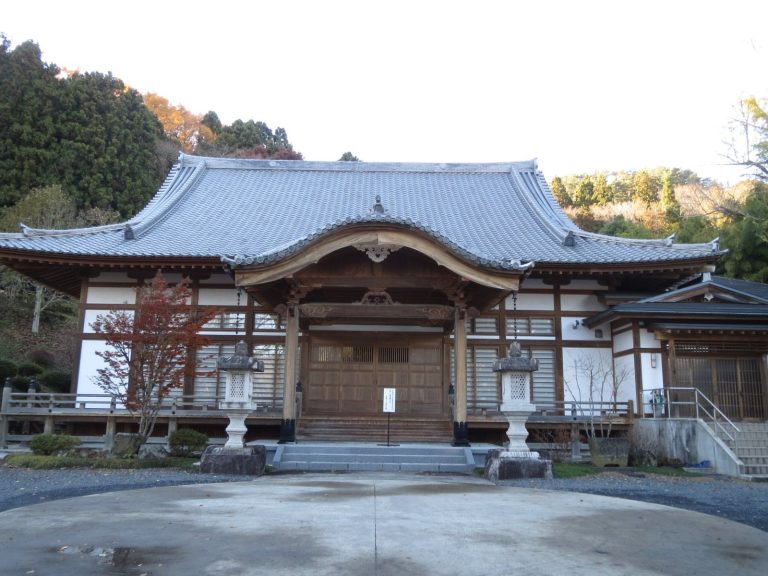
The compound contains a worship hall, an offering hall, and a main sanctuary. The main sanctuary has an irimoya-zukuri roof, a traditional form that combines a hipped roof with gabled sections. These buildings make up the shrine’s central architectural group.
Jomon Archaeological Site
Within the grounds is the Araogawa Shrine Site, an archaeological site dating to the middle Jomon period. The site preserves evidence of ritual activity from prehistoric Japan. Jomon pottery and stone tools have been excavated around the shrine, and the surviving remains include the moss-covered roots of a large tree.
Small Sacred Features and Affiliated Shrines
A small stone shrine contains a stone resembling a frog. It is venerated through prayers for a safe return from travel and for returning home safely after hospitalization. The Mountain Shrine is dedicated to Konohanasakuya-hime and receives prayers for conception and safe childbirth. The Tenjin Shrine honors Sugawara no Michizane and is associated with prayers for success in examinations, while the Water-Division Shrine is dedicated to Mikumari no Kami, a water deity.
Approach and Ancillary Buildings
At the entrance to the approach stand a livestock memorial monument and a stone image associated with prayers for conception and safe childbirth. The grounds also contain a kagura hall, a building for sacred dances and musical performances offered to kami, a storehouse for portable shrines, and an office for distributing religious offerings. The river called Araogawa in the shrine’s name is another name for the Eai River.