Heirin-ji Temple: A Rinzai Buddhist Monastic Center in Japan


Site at a Glance
- Rating
- 4.2
- Popularity
- Medium
- Country
- Japan
- Primary era
- Early Modern
- External website
- Open
- Eras represented
- Early Modern
- Civilizations
- Tokugawa
- Site type
- Religious
- Remains
- Monastery
On this page8 sections
History
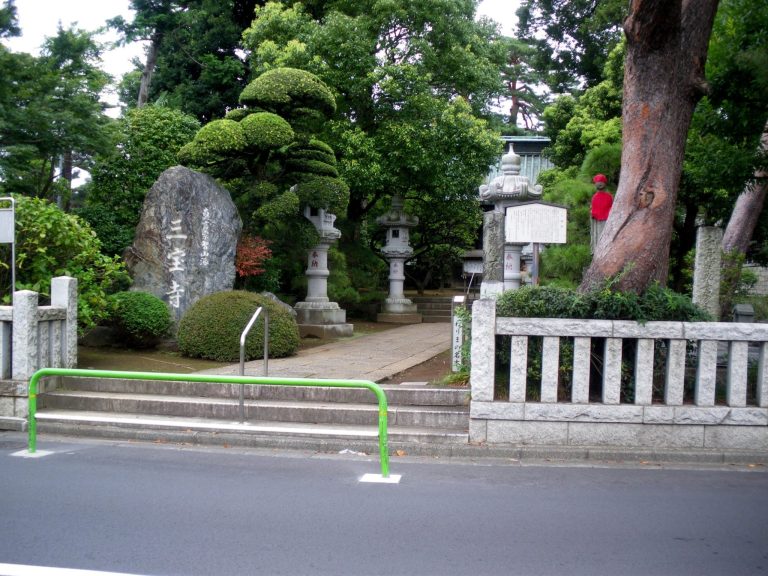
Heirin-ji Temple is a Rinzai Buddhist temple in Niiza, Japan, founded in 1375 during the Northern and Southern Courts period, an era of competing imperial courts that lasted broadly from 1336 to 1392. Its principal deity is Shaka Nyorai, and the temple is regarded as a major center for monastic training in the Kanto region.
Foundation and sectarian affiliations
The temple was established at Kaneshige Village in Shibue District, Musashi Province, in the area now known as Heirin-ji, Iwatsuki Ward, Saitama. Its founding master was Sekishitsu Zenkyu, a fourteenth-century Zen monk who served as abbot of several major temples, including Engaku-ji, Tenryu-ji, and Shofuku-ji. The founding patron was Ōta Shami Untaku. Shami was a Buddhist religious designation, while Untaku was treated as a religious name. His precise identity remains uncertain. He was probably a lay samurai, and the proposed identification with Ōta Dōshin, the father of Ōta Dōkan, is considered unlikely.
Heirin-ji initially belonged to the Kencho-ji branch of Rinzai Buddhism, a Zen tradition emphasizing disciplined monastic training and meditation. It later passed through the Daitoku-ji branch before becoming affiliated with the Myoshin-ji branch, a major Rinzai network of temples.
Destruction and relocation
In May 1590, during the conflict surrounding the attack on Iwatsuki Castle in the Odawara Campaign, fire destroyed most of the temple complex. Heirin-ji subsequently became unoccupied.
In 1663, the temple was moved to Nobidome at the request of Matsudaira Nobutsuna, a prominent seventeenth-century feudal lord and lord of Kawagoe. His son, Terutsuna, restored Heirin-ji as the family temple and invited Tetsuzan Sōdon from Rinzai-ji in Suruga to lead its revival.
Later religious and conservation history
In 1718, Kō Gendai established the Taikeidō Hall, placed the personal Buddhist image of Ingen Ryūki there, and composed an inscription for an associated monument. A monastic training hall opened at Heirin-ji in 1903, reinforcing the temple’s continuing role in Zen practice.
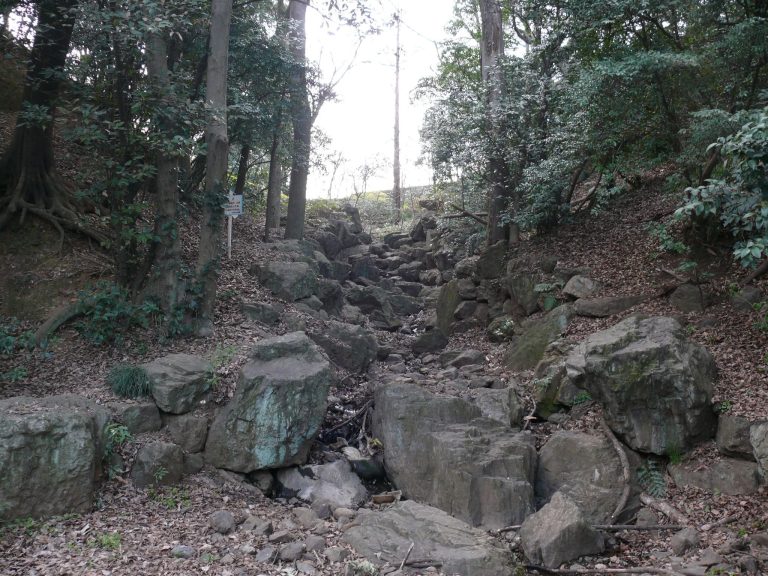
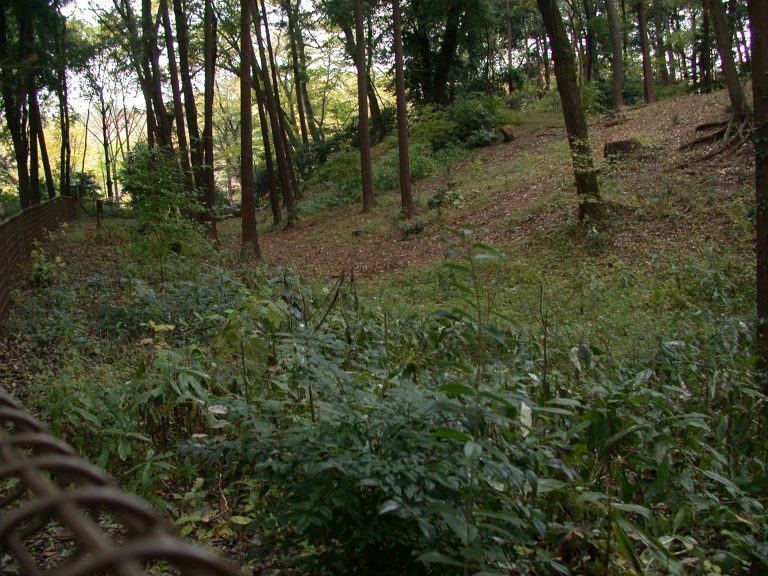
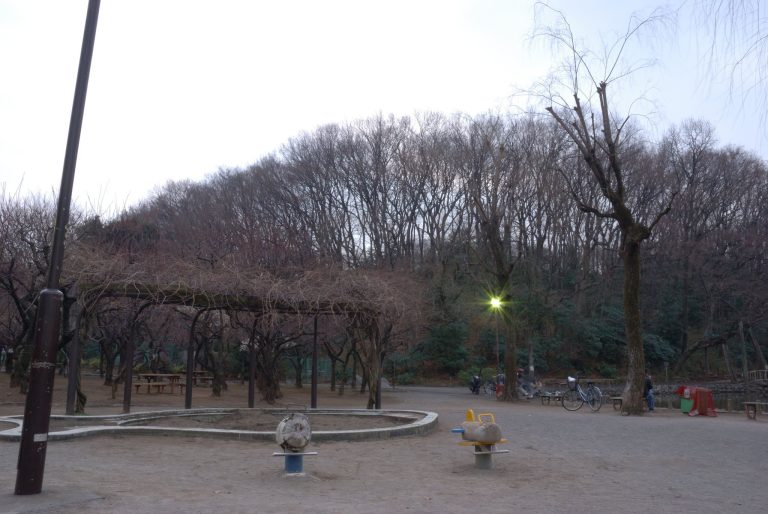
The temple precinct forest received designation as a national natural monument in 1968 because it preserves a scientifically valuable remnant of the secondary woodland characteristic of the Musashino region. About one hectare on the southeastern side was added in 1976 after a plan to build restaurants along the road in front of the main gate prompted efforts to protect the woodland.
In fiscal year 1979, the temple precinct and surrounding woodland, together with 48.50 hectares of the Nobidome Irrigation Canal watershed, became a Saitama Prefecture Hometown Green Landscape Area. A wider wooded area of 68 hectares centered on Heirin-ji was also designated a suburban green-space conservation area under Japan’s Suburban Green-Space Conservation Law. The area incorporating the canal, temple, coppice woodland, and farmland is treated as a cultural landscape under the Cultural Properties Protection Law.
Niiza’s conservation-management plan, begun in fiscal year 2014, established a fifteen-year program to address changes in the forest’s appearance and vegetation. The deciduous broad-leaved woodland was divided into three sections for selective felling, undergrowth cutting, coppice regeneration, shelterwood management, natural seeding, and supplementary planting. Emperor Akihito and Empress Michiko visited Heirin-ji for autumn leaf viewing on November 26, 2009, their second visit after an earlier one in 1977, when Akihito was crown prince.
Remains
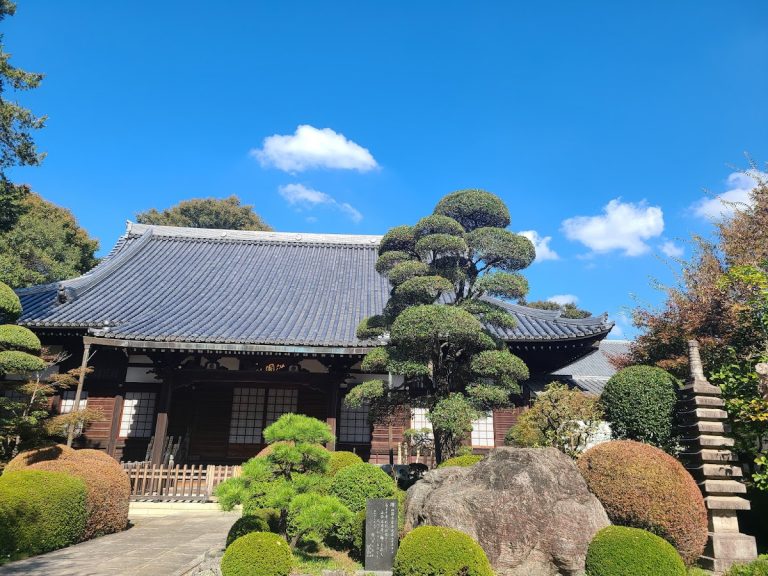
Heirin-ji occupies about 40 hectares on the Nobidome Plateau. Its principal buildings stand in a straight line, an arrangement characteristic of many Zen temples. The main gate, mountain gate, Buddha Hall, and inner gate form the central sequence of the complex, and all four were designated Saitama Prefecture tangible cultural properties in March 1973.
Temple buildings and religious features
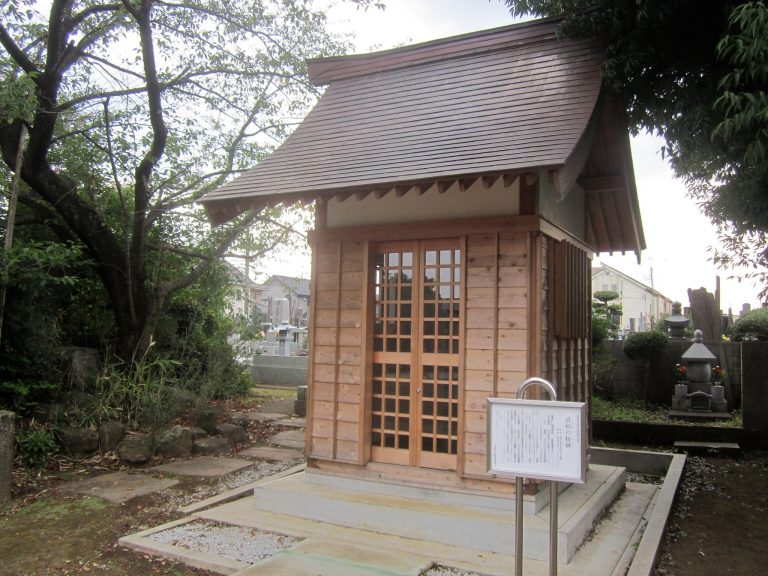
The temple’s mountain name is Kinpōzan. Tradition connects the name with the words for “gold” and “phoenix” in the name of Baoning Temple on Phoenix Terrace Mountain in Jinling, near present-day Nanjing, where Sekishitsu Zenkyu trained. The Taikeidō Hall, built in 1718, contains Ingen Ryūki’s personal Buddhist image and an associated monument bearing an inscription composed by him.
Musashino woodland
The precinct forest consists mainly of surviving Musashino secondary woodland. Its historic appearance was shaped by coppice management, in which trees were cut for firewood and charcoal when their trunks reached roughly 15 to 20 centimeters in diameter, then renewed by raising new stems from the stumps. Cutting took place on cycles of about fifteen years.
The woodland formed part of a wider agricultural cycle. Fallen leaves were collected for fertilizer, which helped maintain relatively small, low trees and limited ground vegetation. Changes in energy use and the spread of purchased fertilizer disrupted that system, producing poorer ground vegetation and altering the forest’s appearance. Current restoration combines high-tree felling, undergrowth cutting, coppice regeneration, shelterwood management, natural seeding, and the planting of additional saplings.
Bell, plantings, and habitat
The former temple bell carries an inscription naming Shami Untaku as Heirin-ji’s principal patron. It is now held by Daiho Hachimangu in Shimotsuma. Maple trees in the grounds are especially notable in autumn, while ume trees flower in early spring. The image of the temple bell with ume blossoms inspired Toshi Yoshida to create a woodblock print. The surrounding woodland provides habitat for animals including raccoon dogs and serves as a roost for large numbers of Japanese crows.