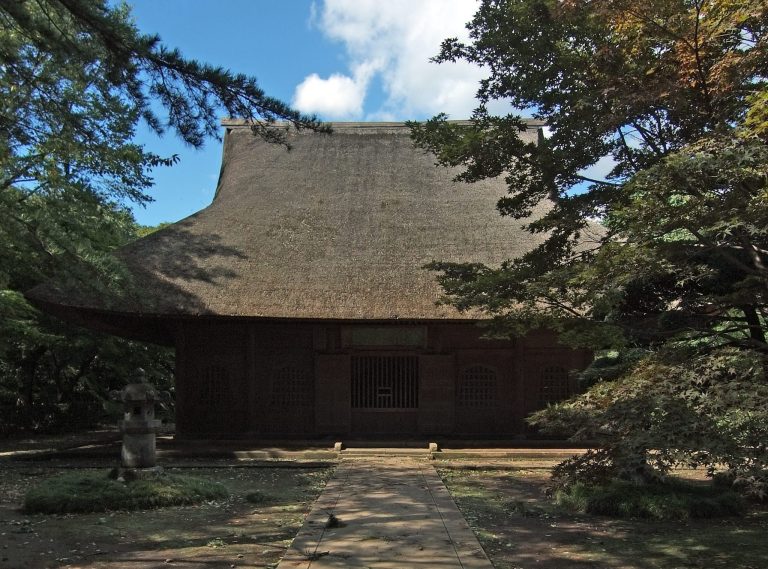
Shōgetsu-in Temple: A Soto Zen Temple in Tokyo


Site at a Glance
- Rating
- 4.1
- Popularity
- Low
- Country
- Japan
- Primary era
- Medieval
- External website
- Open
- Eras represented
- Medieval
- Civilizations
- Unclassified
- Site type
- Religious
On this page12 sections
History
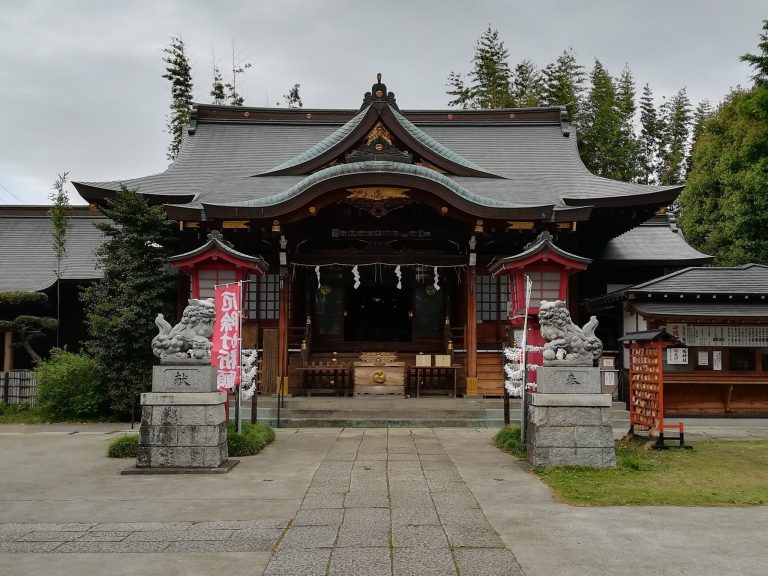
Shōgetsu-in Temple is a Soto Zen temple in Tokyo, Japan. Its formal name is Bankizan Hōji-ji Shōgetsu-in, and its mountain name is Bankizan. Soto Zen is a major Japanese school of Zen Buddhism centered on seated meditation and disciplined monastic practice. The temple’s history is linked to Chiba Yoritane, a warrior who moved from Ichikawa in present-day Chiba Prefecture to Akatsuka Castle in 1456.
Foundation and Chiba family connections
In 1492, Chiba Yoritane designated the older Hōji-ji as his family mortuary temple, an institution responsible for memorial and funerary rites for a lineage. He donated land to the temple and had it renamed Shōgetsu-in. This association with the Chiba clan remains central to the temple’s historical identity.
Edo-period protection and artillery training
During the Edo period, Tokugawa Ieyasu recognized Shōgetsu-in and granted it a 40-koku shuinchi. A shuinchi was a land grant confirmed by a shogun’s vermilion-seal document, while koku expressed institutional income through an established measure of rice yield. Later shoguns also protected the temple, helping it develop.
In 1841, the artillery expert Takashima Shūhan used Shōgetsu-in as the headquarters for Western-style artillery training at nearby Tokumaru-ga-hara, in the area now called Takashimadaira. The exercises surprised contemporary daimyō, the regional lords of early modern Japan, and enhanced Takashima’s reputation. They also made the temple widely known.
Modern historical associations
During the Meiji period, the former Akatsuka village office was temporarily established within the temple precincts. Shōgetsu-in later became known as one of Itabashi’s historically established temples and was selected as one of the Itabashi Eight Views. Its wider associations include materials connected with Takashima Shūhan and the Chiba clan, preserved in Shōhōkaku, the temple’s treasure museum. The temple also administers the adjacent Shōgetsu-in Kindergarten.
A memorial stone commemorates Shōgetsu-in’s selection among the New Eight Scenic Places of Tokyo. The selection followed a public-vote initiative organized by the Hōchi Shimbun in 1932, after Tokyo expanded through the merger of neighboring municipalities. Shōgetsu-in ranked fifth in the vote.
Akatsuka Daidō
Shōgetsu-in administers nearby Akatsuka Daidō, a hall traditionally dated to the Daidō era from 806 to 810. It is regarded as the oldest temple foundation in Itabashi and became a Tokyo Metropolitan Historic Site on March 28, 1955. Historically, Akatsuka Daidō formed a large complex with seven principal halls. It is said to have burned during Nagao Kagetora’s attack on Odawara in the Eiroku era, a period from 1558 to 1570 within Japan’s prolonged Sengoku warfare among competing regional lords.
Remains
The surviving features associated with Shōgetsu-in and Akatsuka Daidō include graves, memorials, a museum, an Amida Hall, and a medieval temple bell. An Amida Hall is a Buddhist hall dedicated to Amitabha Buddha. Together, these features preserve the site’s connections with the Chiba family, Takashima Shūhan, and the earlier religious complex administered by Shōgetsu-in.
Shōgetsu-in precincts
Chiba and Shimomura graves
Chiba Yoritane’s grave stands within the temple precincts. The novelist Shimomura Kōjin, known for Jiro Monogatari, is also buried there. He particularly admired the landscape around Akatsuka, incorporated Akatsuka into his novel, and frequently visited Shōgetsu-in.
Memorials and Shōhōkaku
The grounds contain a memorial monument to Takashima Shūhan and the memorial stone for the New Eight Scenic Places of Tokyo. Shōhōkaku exhibits materials associated with Takashima and the Chiba clan, giving the temple’s surviving historical associations a physical presence within the precincts.
Akatsuka Daidō remains
Amida Hall
An Amida Hall survives from the Akatsuka Daidō complex. Its dedication to Amitabha Buddha reflects the hall’s Buddhist ritual function and connects the surviving building with the long history traditionally assigned to Akatsuka Daidō.
Medieval temple bell
The Akatsuka Daidō bell was cast in 1340 during the Ryakuō era and is regarded as the oldest bell in Tokyo. It was recognized as an Important Art Object on May 28, 1949. A temple bell is a large suspended bell used in ritual practice, particularly to mark time and announce ceremonies.
The bell’s inscription identifies it with Akatsuka’s Senpukuji and Shinpukuji temples. It recalls the former prosperity of the two institutions and explains that the bell was cast through the efforts of Kaiken, an ajari, or Buddhist teacher and ritual master. The inscription is dated to the eighth day of the fourth month of 1340, identifies its calligrapher by a court-rank title, and names the bell founder.
The text gives the bell a spiritual purpose as well as a ritual one. It describes its sound spreading through the Buddhist world and continuing into the distant future, comparing its voice with a whale’s roar and thunder. It also presents the bell as a means of dispelling darkness, awakening deluded minds, and guiding people toward understanding.