Shinodanomori Kuzunoha Inari Shrine: A Shrine Associated with the Kuzunoha Story

Site at a Glance
- Rating
- 4.2
- Popularity
- Low
- Country
- Japan
- Primary era
- Unclassified
- External website
- Open
- Eras represented
- Unclassified
- Civilizations
- Unclassified
- Site type
- Religious
- Remains
- Sanctuary
On this page5 sections
History
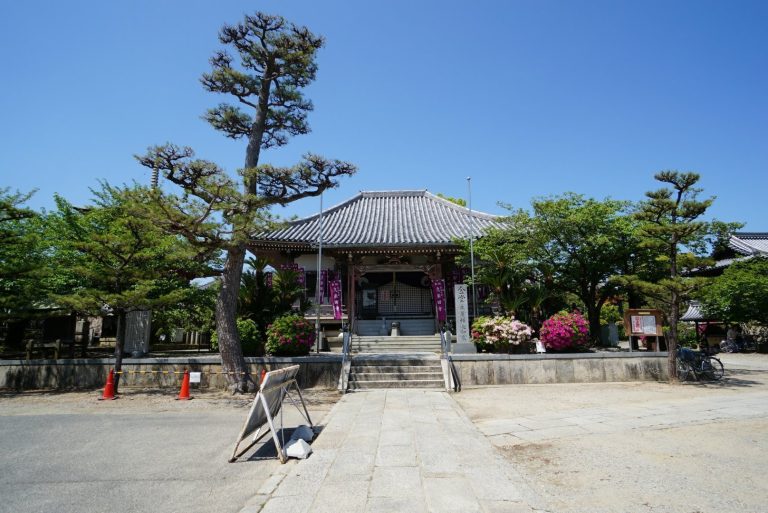
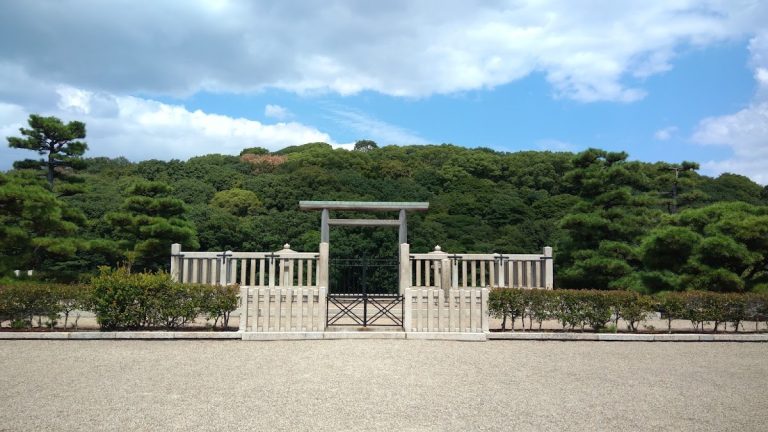
Shinodanomori Kuzunoha Inari Shrine is a Shinto shrine in Izumi, Osaka, Japan, traditionally associated with Abe no Seimei and the Kuzunoha Story. Abe no Seimei was a prominent onmyoji, a practitioner of court divination and esoteric cosmology traditionally linked with the Heian period. The shrine is identified as the setting of the legend in which a white fox takes human form, becomes Seimei’s mother, and later parts from him.
Early Foundation and Inari Worship
The institution began as a shrine regarded as a subsidiary of Hijiri Shrine. The village headman Morita later incorporated it into his household as a family tutelary shrine. Around 1740, the Inari deity was invited to the site, which then became known as Shinodanomori Kuzunoha Inari Shrine. Inari is a Japanese kami associated with rice, agriculture, fertility, prosperity, and commerce.
The shrine was privately owned by the Morita family. It belonged to neither the Yoshida nor Shirakawa houses of Shinto and did not enter the tutelage of the Tsuchimikado house. Its formal registered religious-corporation name is Shinoda Mori Shrine, while Kuzunoha Inari Shrine and Shinodanomori Kuzunoha Inari Shrine remain alternative names. The shrine formerly held the status of a village shrine.
Kuzunoha and Literary Tradition
The addition of “Kuzunoha” to the shrine’s name is considered to have been influenced by Genroku-period kabuki. Genroku was a late seventeenth- and early eighteenth-century cultural period associated with the growth of urban literature and kabuki. The Kuzunoha Story became known through literature and kabuki, strengthening the shrine’s association with the white fox’s home in Shinoda Forest.
Literary scholar Yoichi Katagiri proposed that the Morita family created the site beside its garden as a literary monument modeled on the white fox’s former home in the parting story. The shrine is sometimes counted among the Seven Shrines of Japan, also called the Seven Inari Shrines, and among the Three Great Inari Shrines of the Kansai region.
Its subsidiary shrines support forms of worship connected with fertility, good harvests, commercial prosperity, academic achievement, auspicious marriage, safe childbirth, having children, relief from children’s night crying, and traffic safety. The principal deities are Ukanomitama no Kami, Okuninushi no Mikoto, Omiya-hime no Mikoto, Susanoo no Mikoto, Sarutahiko no Mikoto, and Wakamiya Kuzunoha-hime.
Remains
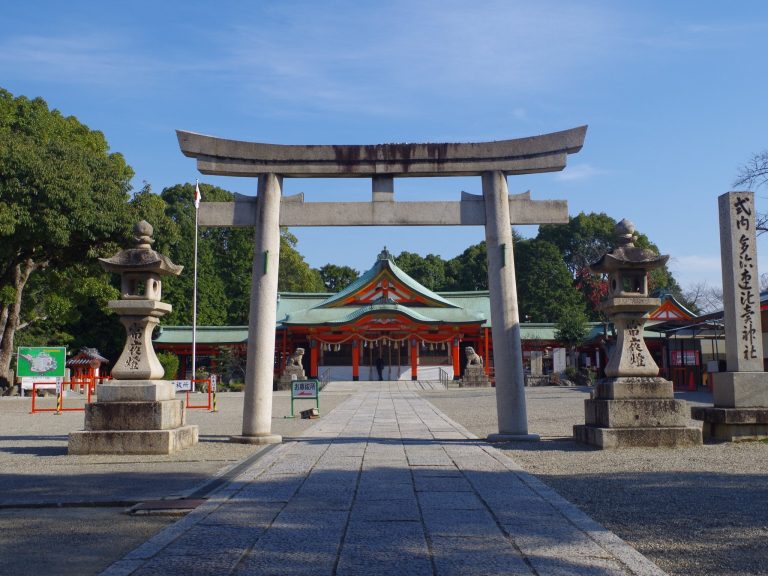
The precinct contains numerous subsidiary shrines and is reached by an approach from the west exit of Kitashinoda Station. Four torii gates stand along this approach. A torii is a traditional gateway marking entry into a Shinto sacred area.
Chie no Kusunoki
Within the shrine precinct stands Chie no Kusunoki, also called Kusunoki Daimyojin. This camphor tree is estimated to be approximately 700 years old and was designated an Izumi City natural monument in 2003.