Chibatake Kofun: A Sixth-Century Keyhole-Shaped Burial Mound in Japan
Site at a Glance
- Rating
- 4.2
- Popularity
- Very Low
- Country
- Japan
- Primary era
- Medieval
- External website
- Open
- Eras represented
- Medieval
- Civilizations
- Yamato
- Site type
- Burial
- Remains
- Burial Mound
On this page8 sections
History
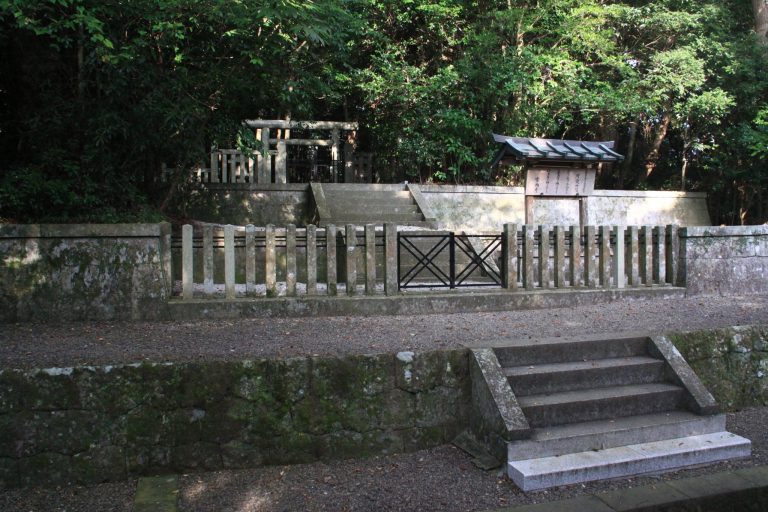
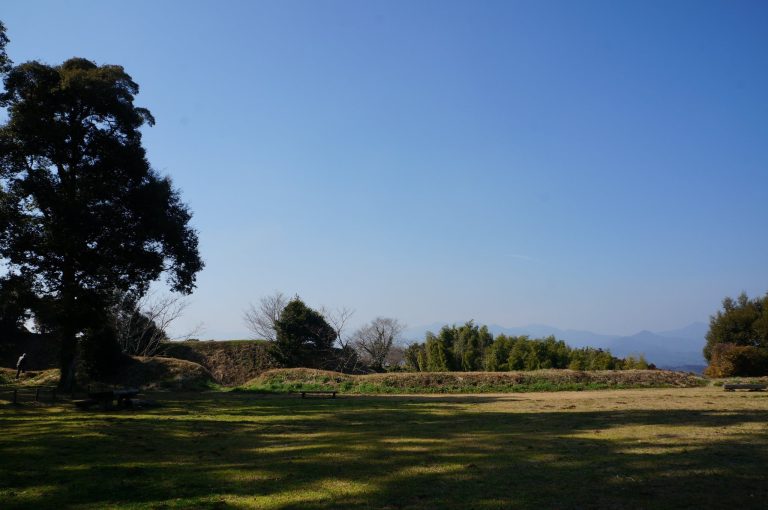
Chibatake Kofun is a Japanese Kofun-period burial mound in Saito, Miyazaki, Japan, built in the latter half or at the end of the sixth century. The Kofun period was an ancient era when ruling elites were buried in large earthen mounds. Chibatake Kofun belongs to the TK43 phase, an archaeological dating category based particularly on pottery types, and occupies the southern edge of the Chausubaru Plateau beside the north bank of the Hitotsuse River.
The Chausubaru burial landscape
The mound formed part of the Chausubaru Kofun Cluster, which includes three keyhole-shaped tombs and 52 round burial mounds. More than 50 corridor-type tombs are distributed through the surrounding area, while another group lies about 100 metres to the east on the slope at the foot of the plateau. A keyhole-shaped mound, called a zenpo-koen-fun, has a rounded rear section joined to a squarer front section when viewed from above.
On the opposite side of the Hitotsuse River lies the Saitobaru Plateau and its own Kofun Cluster. Together with Oni no Kutsu Kofun across the river, Chibatake Kofun is regarded as one of the large stone tombs in the Hitotsuse River basin.
Opening and protection
The stone chamber was opened and excavated during the Bunsei era, between 1818 and 1829, by the local figure Kodama Sanemitsu. The excavation was described in the 1884 work Hyuga Geography. The chamber had reportedly been robbed during the Edo period. Chibatake Kofun was designated a National Historic Site on 1 May 1934.
Remains
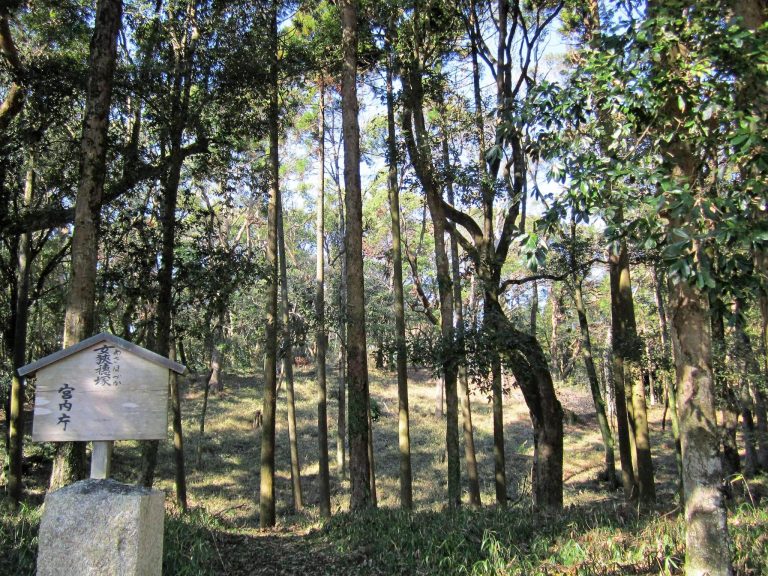
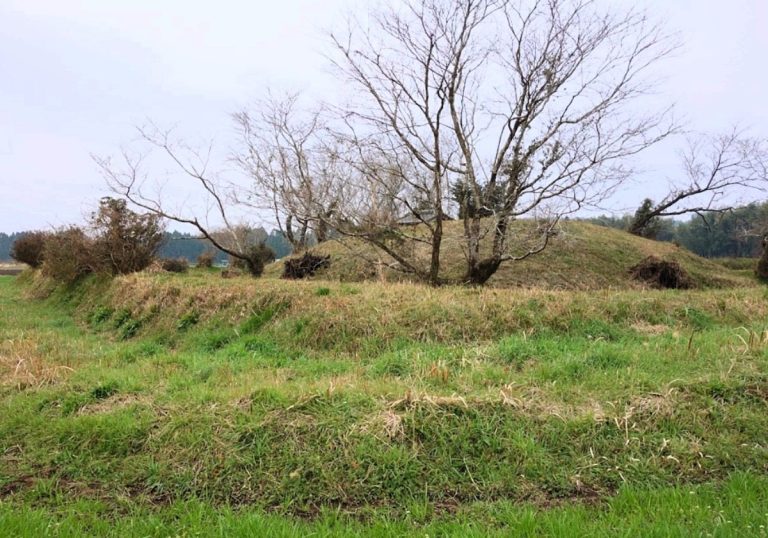
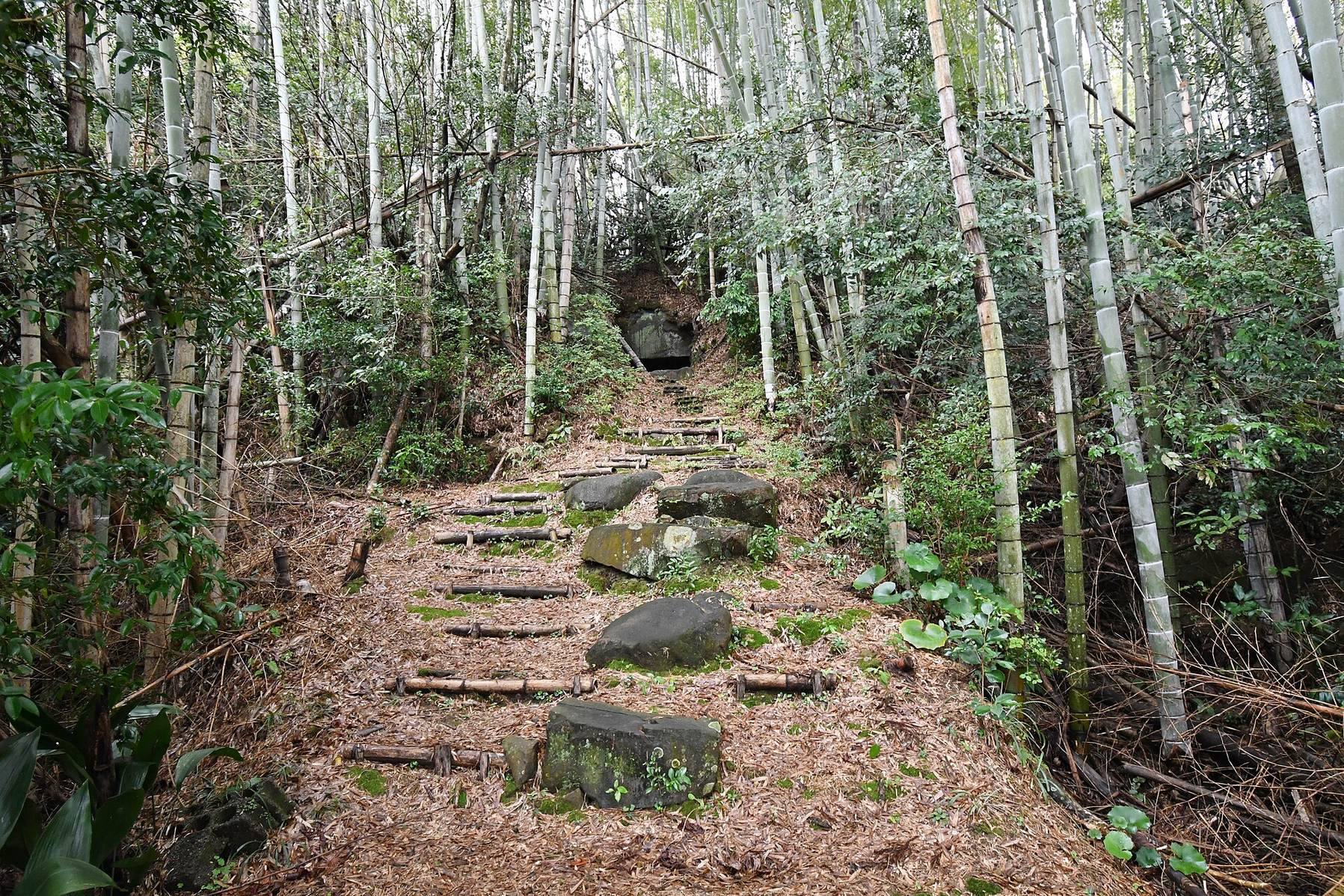
Chibatake Kofun is a keyhole-shaped mound aligned east to west, with its rectangular front section facing east. It is about 60 metres long. The circular rear section measures approximately 30 metres across and 4.5 metres high, while the front section is about 30 metres long, 25 metres wide, and 2.5 metres high. The mound appears to have been formed partly by reshaping the natural terrain, although the original arrangement of its terraces remains uncertain. Dense bamboo growth has made precise topographical measurement difficult.
Mound and burial chambers
Rear section
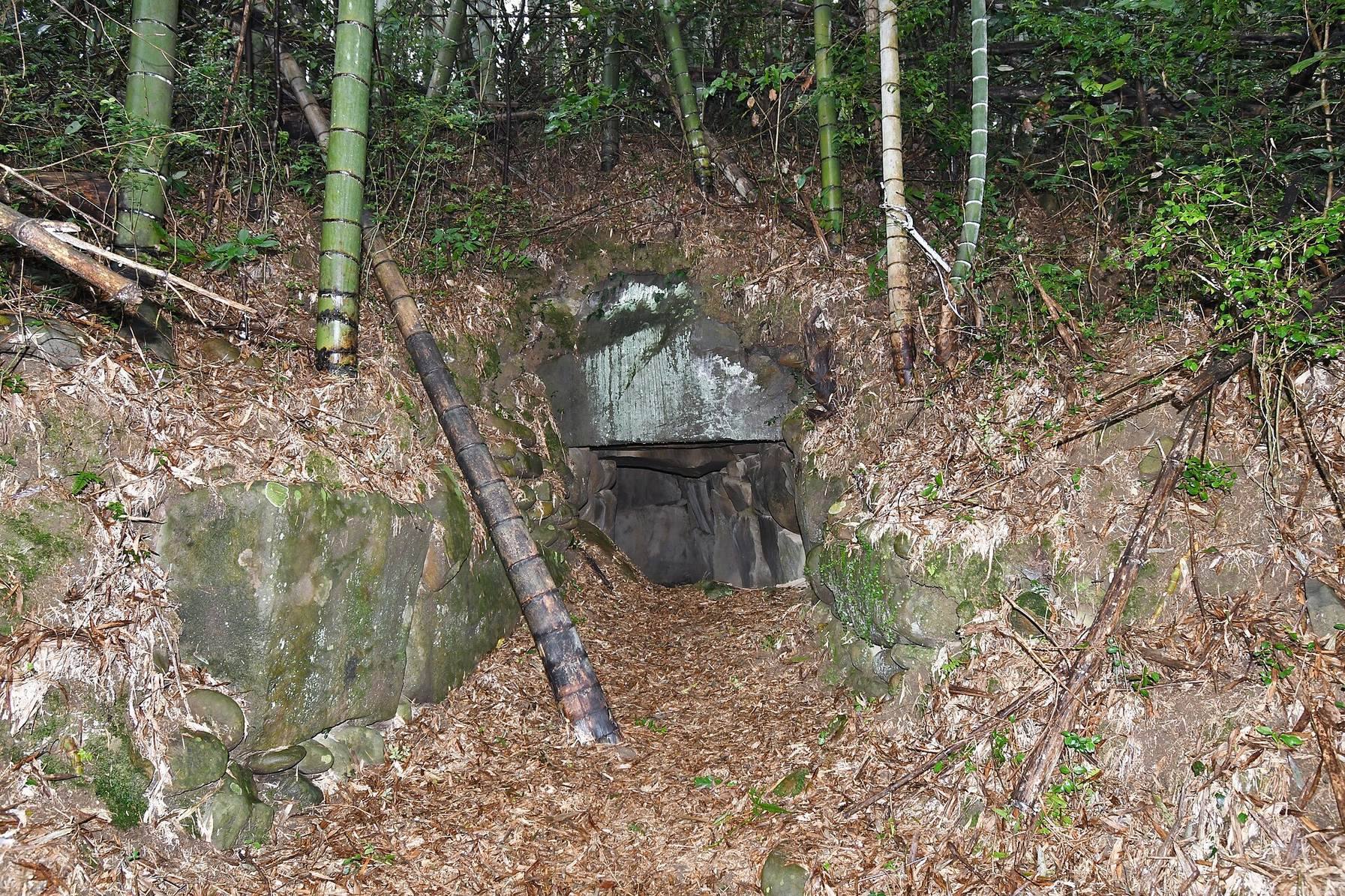
The rear section contains a nearly complete horizontal stone chamber. A horizontal stone chamber is a burial room entered through a passage cut into the side of a mound. This chamber is a large, single-room structure with projections on both sides of the passage entrance, a design known as a double-sleeved chamber. It opens to the south and measures about 12.4 metres from the chamber’s rear to the entrance.
Front section
A second horizontal chamber was built in the rectangular front section. It has been destroyed, leaving its stones scattered and its original form unclear. The surviving evidence places one chamber in each principal section of the mound, while the rear chamber provides the clearest indication of the tomb’s construction.
Surviving stone chamber
The rear burial room is approximately 5.4 metres long. It is about 2.8 metres wide at the rear, 2.6 metres wide at the front, and 2.8 metres high in its present condition. Its passage is roughly 7 metres long, 1.6 metres wide, and 1.5 metres high. The passage meets the burial room near the centre of its front wall before bending toward the west partway along its course.
Split sandstone blocks form the main structure, while diorite boulders from Mount Osuzu were used in part of the passage. The rear wall has four courses of large stones. The side walls have a lower course of horizontally laid stones with four further courses above it. The rear and side walls incline sharply inward through corbelling, while the upper part of the front wall remains vertical. Two ceiling stones cover the burial room, and three cover the passage. Stones once used to close the entrance are scattered near the opening.
The surviving rear chamber is among the largest of its type in Miyazaki Prefecture. Its scale is comparable with the chambers of Oni no Kutsu Kofun in Saito and Kitsunezuka Kofun in Nichinan.