Shah-Do Shamshira Mosque: A Historic Mosque and Shrine in Kabul
Site at a Glance
- Rating
- 4.4
- Popularity
- Low
- Country
- Afghanistan
- Primary era
- Modern
- Eras represented
- Modern
- Civilizations
- Unclassified
- Site type
- Religious
- Remains
- Mosque
On this page9 sections
History
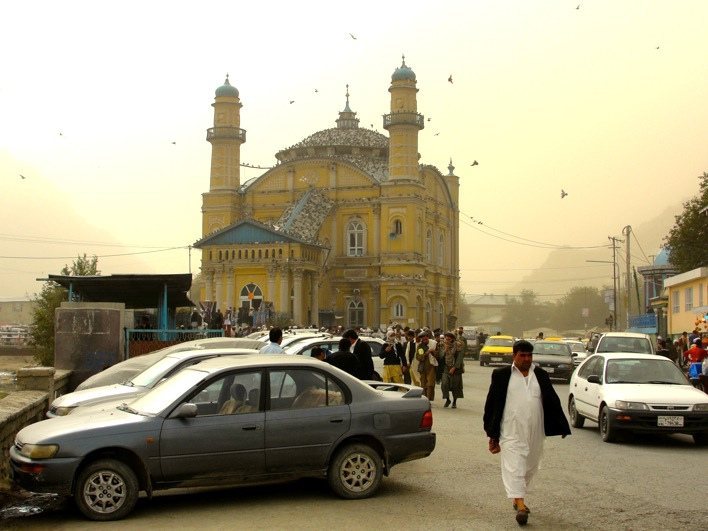
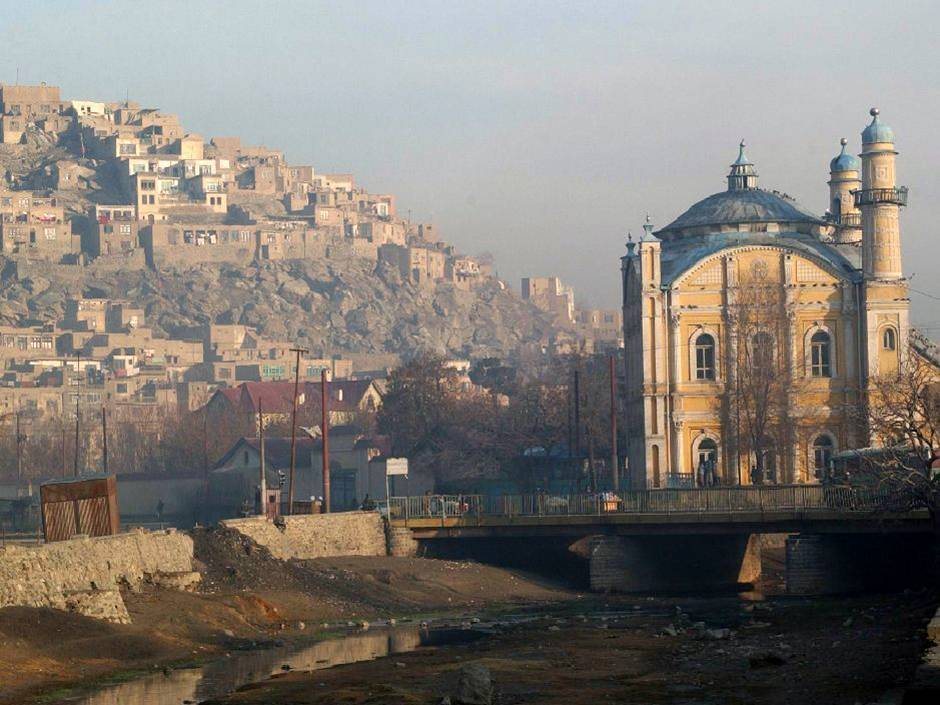
Shah-Do Shamshira Mosque is an Islamic mosque and shrine in Kabul, Afghanistan, whose present form is generally associated with major rebuilding in the 1920s during the reign of Amanullah Khan. The yellow, two-story building is described as an example of “Afghan Baroque” and stands as a historically important religious landmark in central Kabul.
Early burial traditions
The name Shah-Do Shamshira means “Mosque of the King of Two Swords.” Tradition connects the shrine with Laith ibn Qays ibn Abbas, an Arab commander said to have fought with two swords during the Arab campaign against Kabul. He was reportedly killed there in 36 AH, and the tomb is sometimes described more generally as the grave of an Arab who died during that campaign.
The identification with Laith ibn Qays is disputed. A brass plaque names him as the son of Qays ibn Abbas, although Abbas is not known to have had a son named Qays. Historian Azam Sistani proposed that the tomb may instead have belonged to a Zunbil ruler whose grave was later given an Islamic identity.
Another tradition associates a second burial at the shrine with Abd al-Rahman ibn al-Ash’ath. After his defeat by al-Hajjaj, Abd al-Rahman reportedly sought refuge with Ayaz ibn Hisham. The ruler of Kabul seized him, later sent his head to al-Hajjaj, and buried his body beside the grave associated with Qays. This tradition places Abd al-Rahman’s natural death in 703.
Formation and rebuilding
Traditions differ on the site’s earliest religious function. One account holds that it had neither a shrine nor a mosque until the period of Yaqub al-Layth’s attack. A mosque may have been established after commercial relations developed between Kabul and Arab Muslims, while another tradition says that an earlier temple dedicated to sky deities was converted into a mosque. The building may have received a more elaborate reconstruction during Yaqub al-Layth’s period.
The mosque and shrine were destroyed and rebuilt several times. An inscription records that Amir Habibullah authorized new construction beside the tomb. The final major rebuilding is generally placed in the 1920s, during the rule of Amanullah Khan, who governed Afghanistan from 1919 to 1929. Different traditions attribute the work to Amanullah’s mother or to Queen Soraya, his wife and a prominent figure in his reign.
Religious and modern history
Shah-Do Shamshira remains a place of Islamic prayer and worship. Friday and Eid sermons, together with other religious ceremonies for Kabul residents, are held at the shrine.
The shrine was the site of the murder of Farkhunda Malikzada on 19 March 2015. The site is said to have escaped damage during Afghanistan’s recent wars and civil conflicts, and it was fully renovated in June 2021.
Remains
Architectural form
Two-story mosque
The present mosque is a yellow, two-story structure built principally of stucco, a plaster-like material used for architectural surfaces and decoration. It has a blue dome and two minarets, or towers traditionally associated with a mosque. Its design was modeled on the Ortakoy Mosque, a nineteenth-century imperial mosque beside the Bosphorus in Istanbul. Italian-style decorative stucco gives the building an unusual appearance within Islamic religious architecture.
Shrine and associated tombs
The mosque complex incorporates the shrine associated with Laith ibn Qays. The mosque was developed beside the tomb, and the former shrine was converted into a place of worship. The building also stands next to the tomb of Chin Timur Khan, identified as a Mughal general. The Mughals were a Muslim dynasty founded in South Asia by Babur, a Central Asian conqueror from the Timurid tradition.
Setting and inscriptions
Shah-Do Shamshira Mosque stands on Andarabi Road in Kabul’s central District 2, beside the Kabul River and the Shah-Do Shamshira Bridge. A historical plaque is installed on the right side of the entrance. It bears a Quranic verse calling on believers to bow, prostrate themselves, worship God, and do good so that they may prosper.
Numerous white pigeons are observed around the shrine.