Tomb of Timur Shah Durrani: A Durrani Mausoleum in Kabul
Site at a Glance
- Rating
- 4.1
- Popularity
- Very Low
- Country
- Afghanistan
- Primary era
- Modern
- Eras represented
- Modern
- Civilizations
- Durrani
- Site type
- Burial
- Remains
- Tomb
On this page7 sections
History
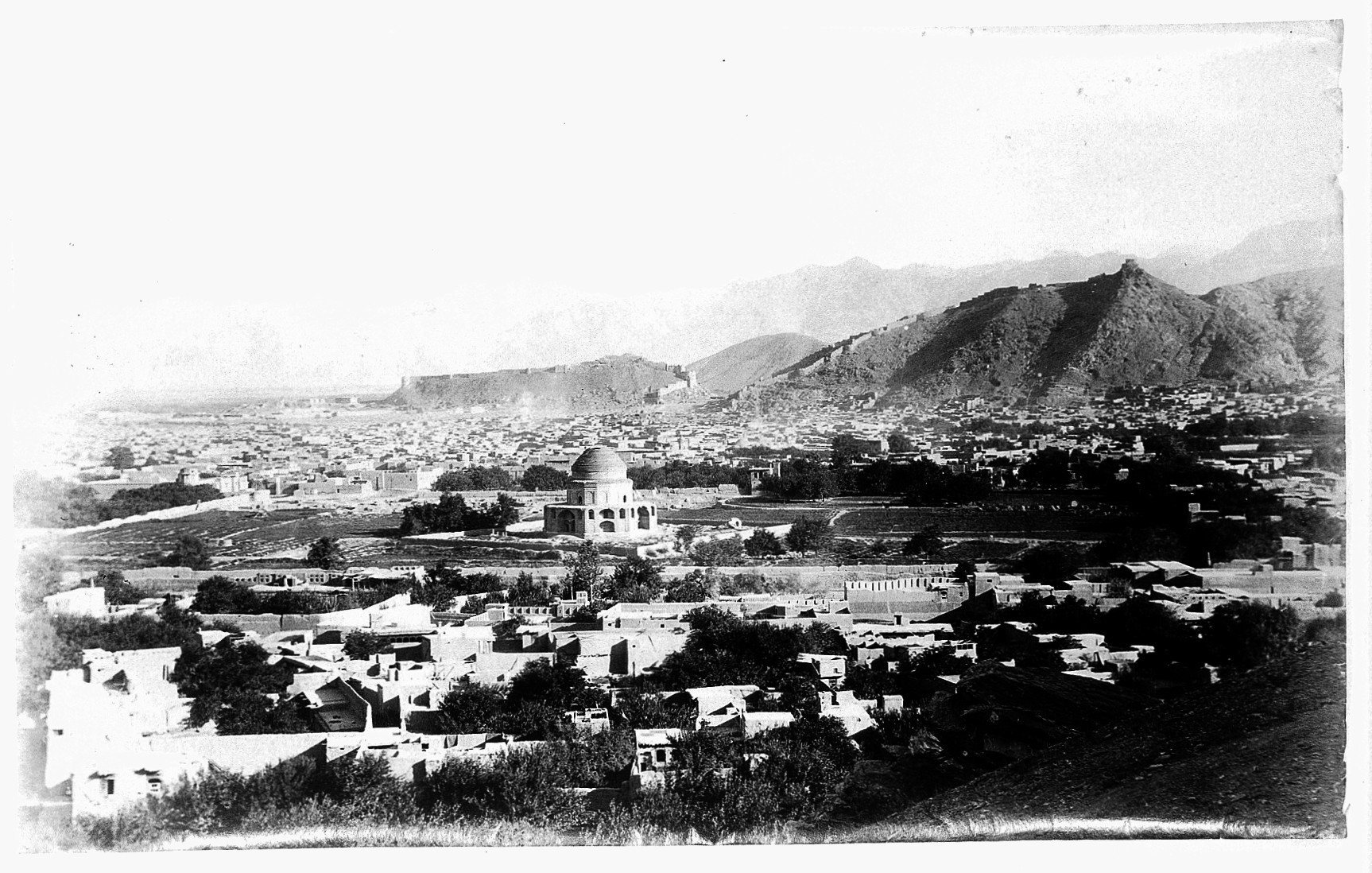
The Tomb of Timur Shah Durrani is an 1815 mausoleum in Kabul, Afghanistan, built for Timur Shah Durrani, the second ruler of the Durrani Empire. The Durrani Empire was an Afghan imperial state founded in the eighteenth century and initially centered on Kandahar. Timur Shah ruled from 1772 to 1793 and is particularly associated with moving Afghanistan’s capital from Kandahar to Kabul in 1776.
The Durrani Mausoleum
Timur Shah died at Char Bagh in 1793. His son and successor, Zaman Shah Durrani, commissioned the mausoleum, which was completed in 1815. Timur Shah’s remains were later buried there, giving the building its role as a dynastic memorial in the capital he had chosen.
Damage and Restoration
The mausoleum suffered heavy damage during the Afghan Civil War of the 1990s. The building and its gardens were fully restored in 2012 with assistance from the Aga Khan Development Network, a group of development institutions associated with Aga Khan IV that supports cultural preservation and social development. The restoration returned the complex to use as a preserved historical site.
Remains
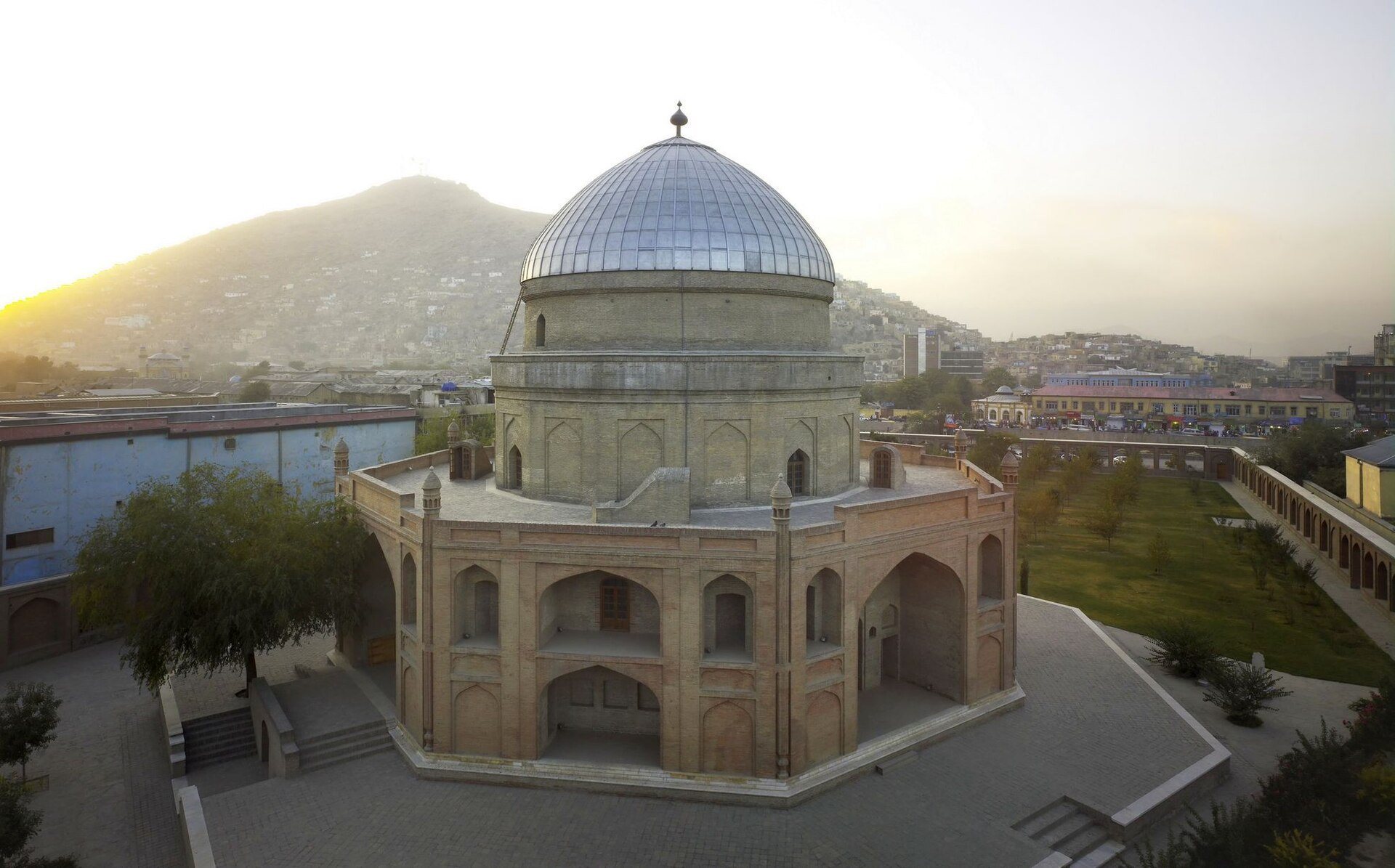
The site is organized as a mausoleum set within a historical park of approximately 1 hectare, or 2.5 acres. The park and building stand beside the Kabul River on Timur Shah Road, within a busy shopping area of Kabul. The surviving complex consists of the central tomb building and its associated gardens, which together form the physical setting of the memorial.
Park and Mausoleum
The Mausoleum
The mausoleum is the central feature of the park and houses the burial place of Timur Shah Durrani. It is a memorial building dating from 1815, erected several years after his death for the interment of his remains.
The Gardens
The gardens form the landscaped setting associated with the tomb. They occupy part of the approximately 1-hectare historical park beside the Kabul River and remain physically connected to the mausoleum as part of the restored complex.