Nabi Habeel Mosque: An Ottoman Mosque and Shrine in Syria
Site at a Glance
- Rating
- 4.3
- Popularity
- Very Low
- Country
- Syria
- Primary era
- Early Modern
- Eras represented
- Early Modern
- Civilizations
- Ottoman
- Site type
- Religious
- Remains
- Mosque
On this page4 sections
History
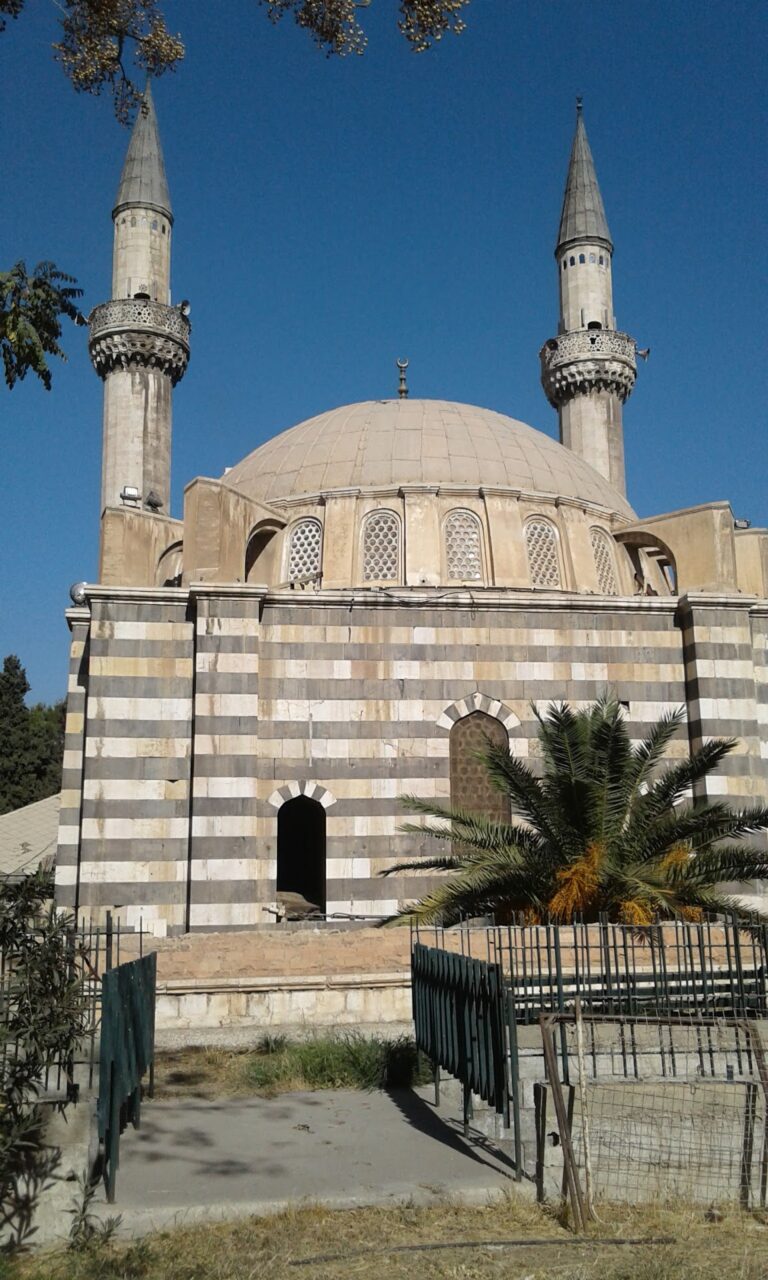
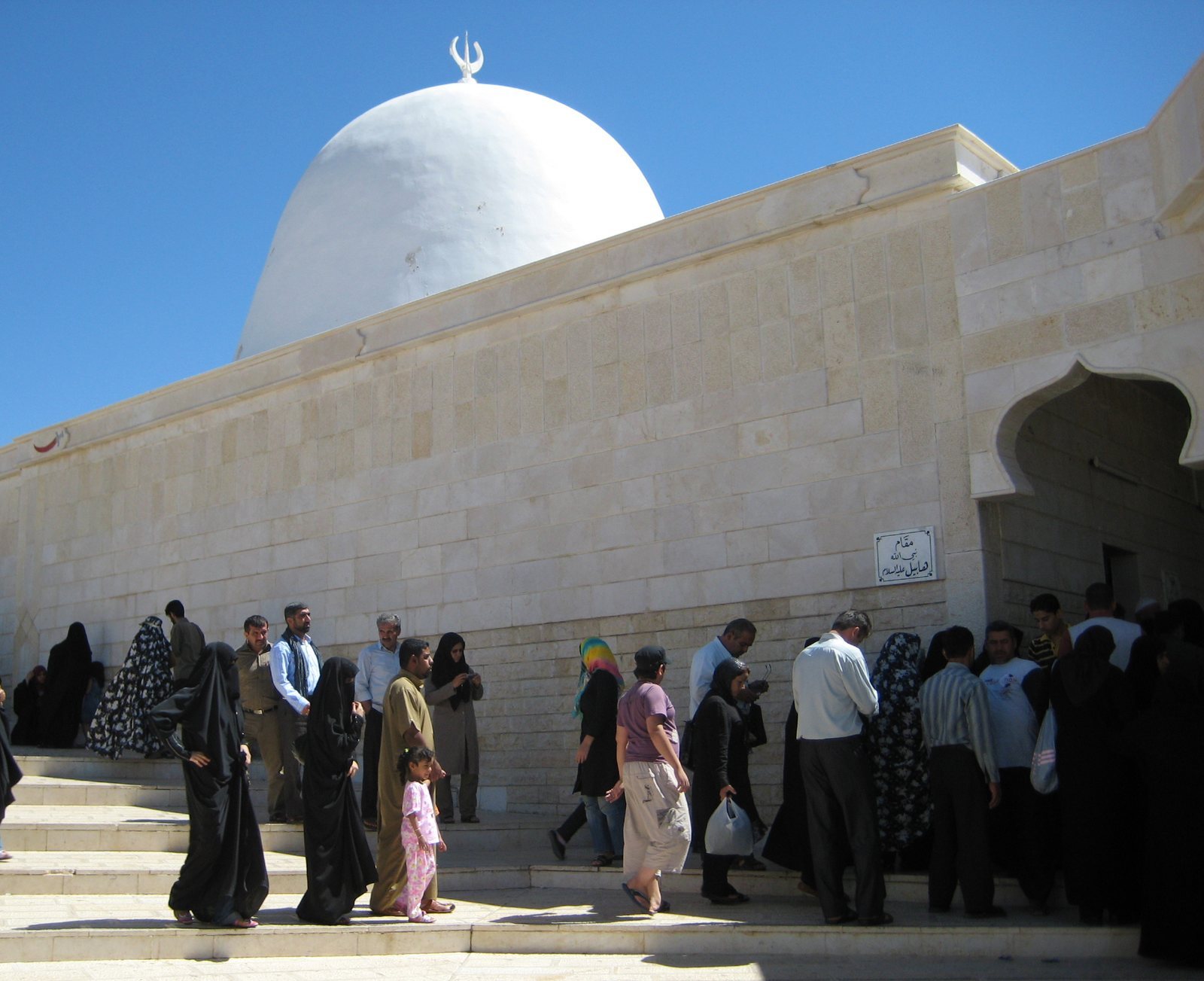
Nabi Habeel Mosque is an active Islamic mosque and shrine in Syria, built in 1599 by Ahmad Pasha ibn Ridwan, an Ottoman wali, or senior provincial governor. The shrine is dedicated to Habeel, the Islamic name for Abel, and is believed to contain his grave.
In Islamic tradition, Habeel was killed by his brother Qābīl, known in English as Cain. Their story concerns the first homicide in human history. Local traditions also associate the site with the world’s first builders, including Habeel. The mosque serves as a religious place for the Druze, a distinct monotheistic community whose faith developed in the medieval Middle East.
Remains
Mountain Setting
The mosque stands in the western mountains of Damascus near the Zabadani Valley, overlooking villages in the Barada River valley. These include Souk Wadi Barada, Burhlyia, Kafer Alawammed, Alhusinia, Der Kanon, Kfir Alzayt, Der Mkareen, Ein Alfiga, Ein Alkadra, Bascima, Alashrafia, Jdaida Alshaybani, Alhameh, Kudsaia, and Dummer.
Prayer Hall and Shrine
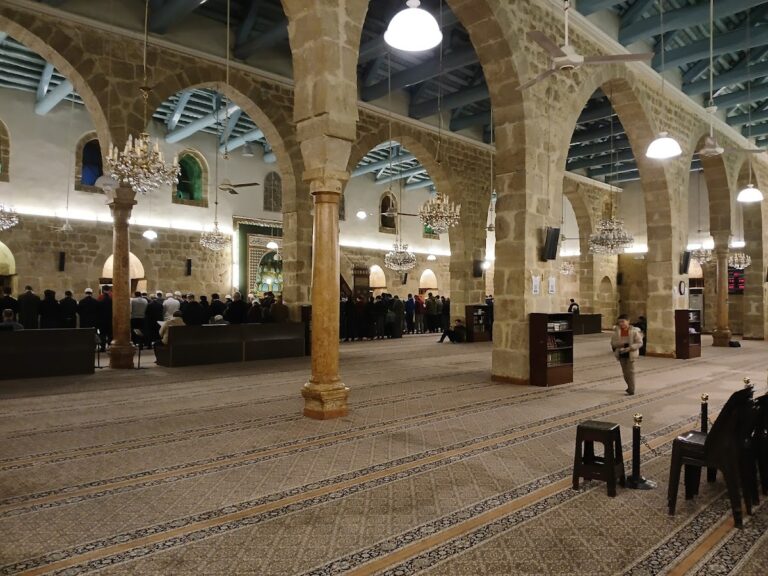
The mosque is traditionally said to contain 40 mihrabs, prayer niches indicating the direction toward the Kaaba. Inside is a 7-metre-long sarcophagus, approximately 23 feet in length, covered with green silk tapestry inscribed with Qur’anic verses. It is believed to mark Habeel’s grave, although this identification is a religious belief rather than a confirmed archaeological conclusion.