Bokar Fortress: A Defensive Outpost of Dubrovnik
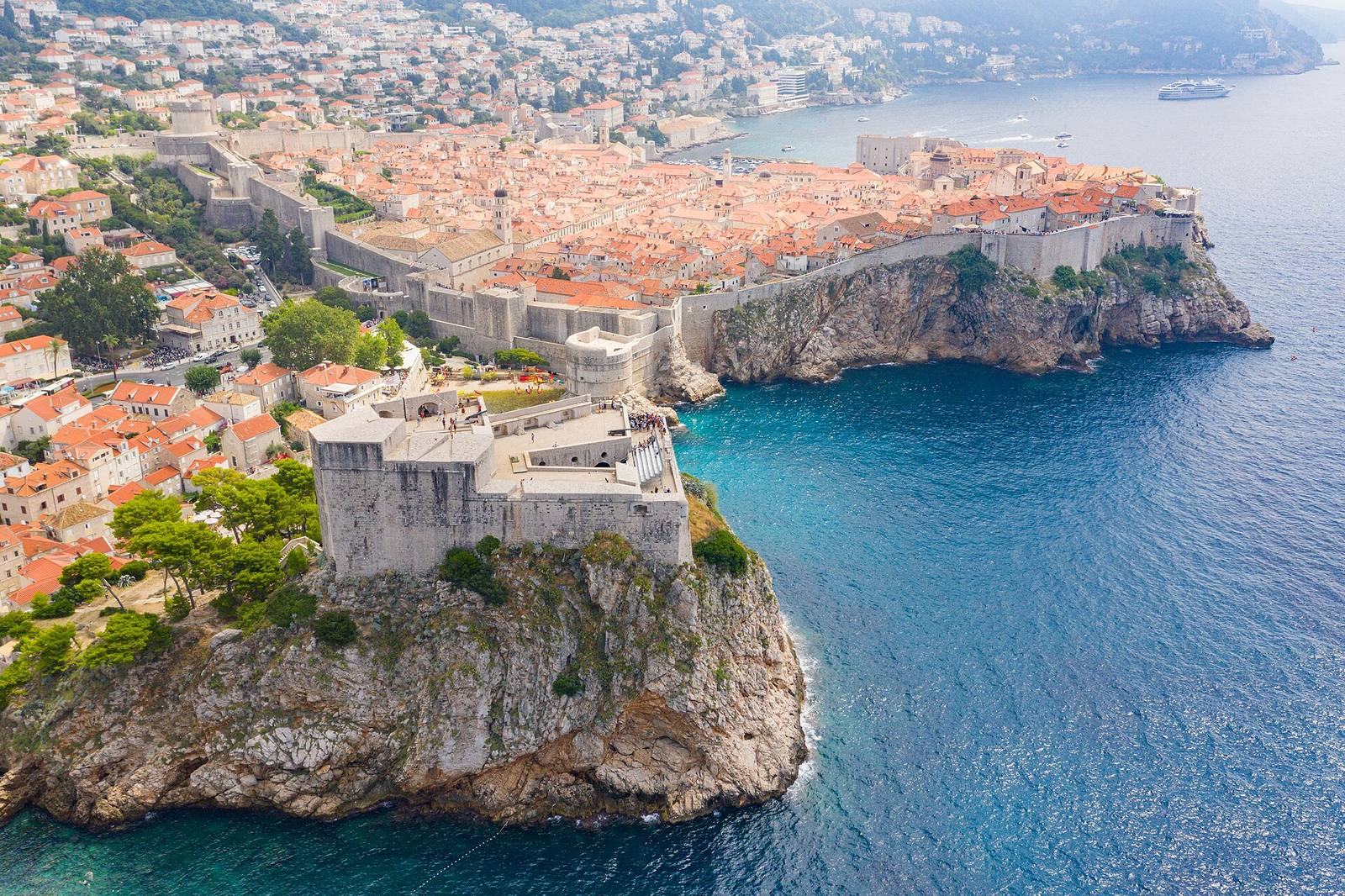
Site at a Glance
- Rating
- 4.8
- Popularity
- Low
- Country
- Croatia
- Primary era
- Medieval
- External website
- Open
- Eras represented
- Medieval, Early Modern
- Civilizations
- Republic of Ragusa
- Site type
- Military
- Remains
- Fort
On this page4 sections
History
Bokar Fortress, also called Bokar, is a 15th-century fortress in Dubrovnik, Croatia. Construction began in 1461 to designs by the Italian Renaissance architect Michelozzo di Bartolommeo, and the work was completed in 1570. As part of Dubrovnik’s city walls, it formed the westernmost outpost of the Old Town and helped protect the city’s most important western entrance.
The fortress was built primarily to defend Pile Gate, together with its moat and bridge. Its artillery also covered access from the sea, particularly the possibility of an enemy landing or occupation in Pile cove. Alongside the city walls and other defenses, Bokar contributed to the protection of the former Republic of Dubrovnik.
Tradition holds that test firings took place from Bokar in 1463, including experiments to establish cannon range. A debate over the importance of completing the project followed in 1470. A roof was added in 1555, and final works in 1570 gave the fortress its present form. Bokar Fortress is administered or owned by the City of Dubrovnik.
Remains
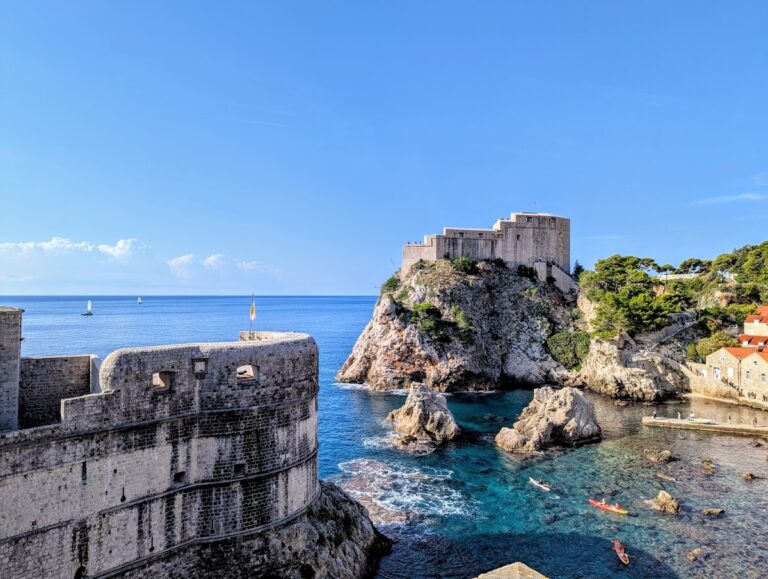
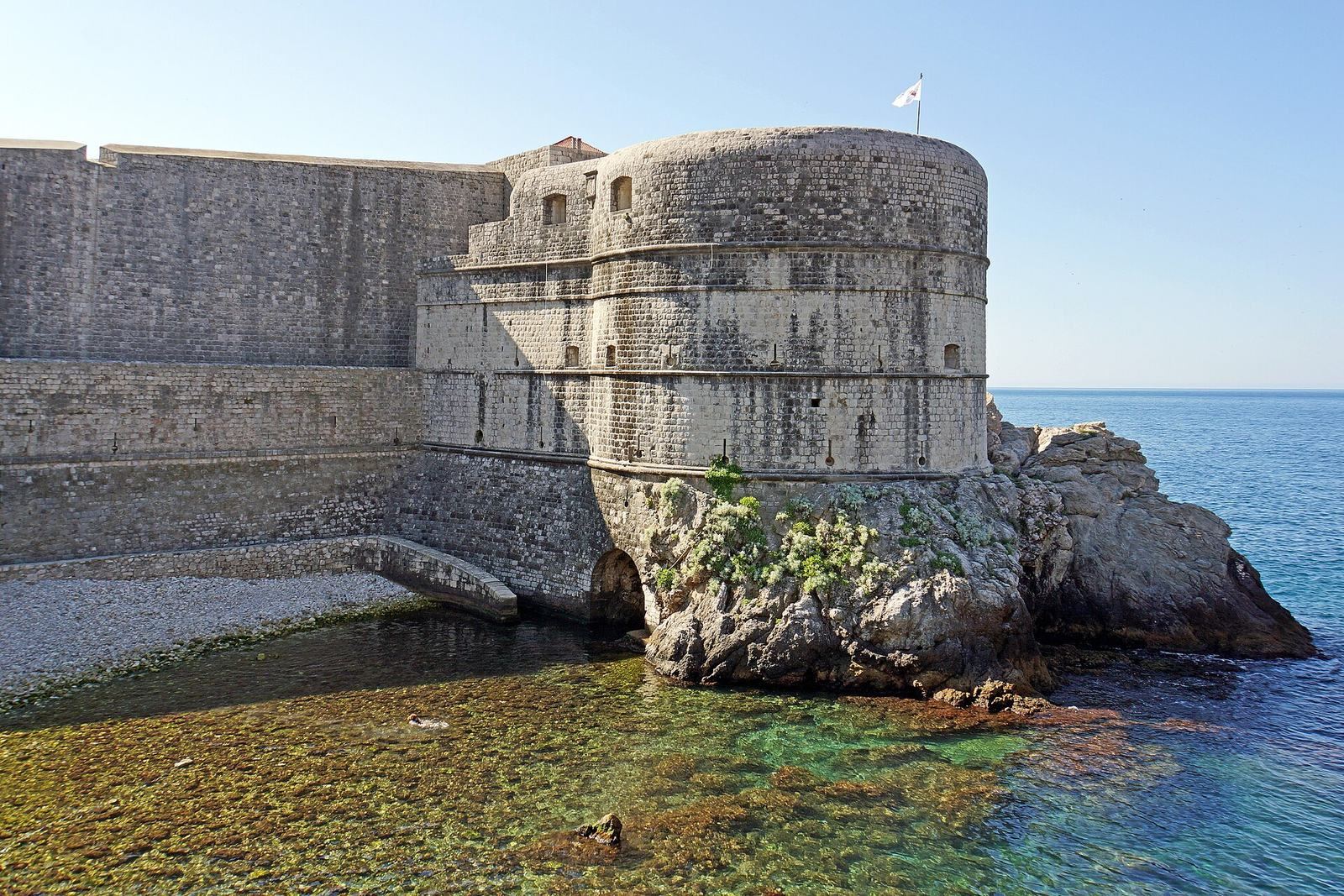
Bokar stands at the western end of Dubrovnik’s walls, where they leave the shoreline and turn inland. The fortress occupies a small rocky promontory projecting into the sea, across Pile cove from Lovrijenac Fortress. Its most projecting section rests on rock, while a vaulted arch bridges the gap between the rock and the mainland and reinforces the structure.
Fortress Form
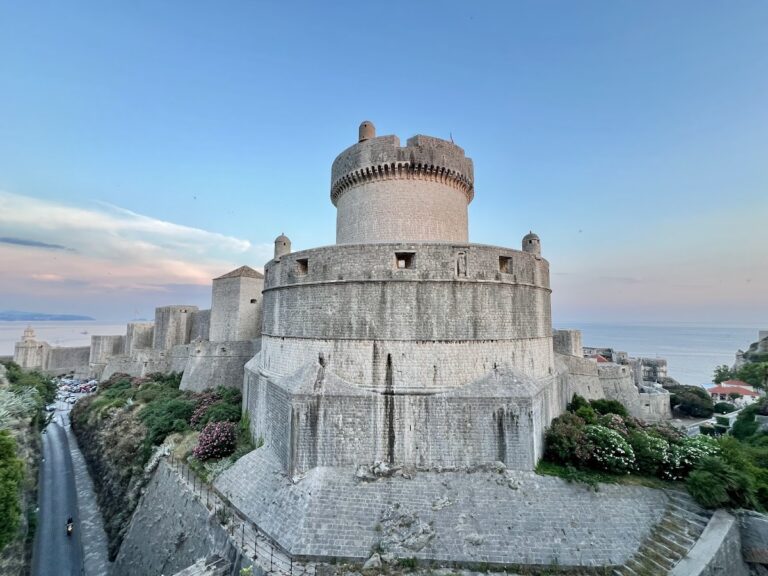
Built of limestone, Bokar has a horseshoe-shaped plan and a rounded mass arranged through three cornices. It is a multi-level fortress with terraces and openings for cannons. The design brought the projecting rock and the adjoining mainland structure together within a compact defensive form.
Casemates and Artillery Defenses
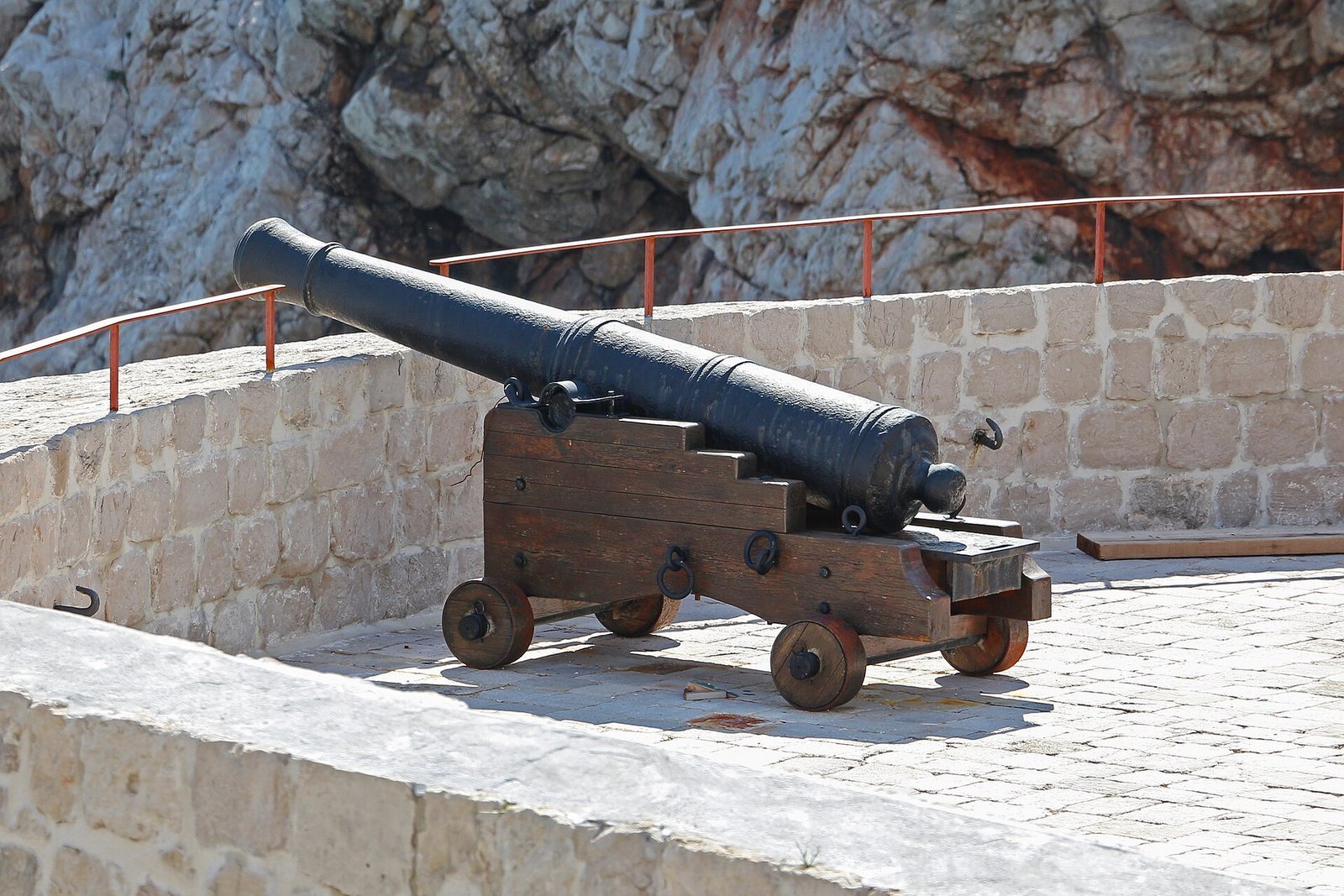
The fortress contains casemates, fortified chambers used for protected storage or the operation of weapons. These spaces held ammunition, weapons, gunpowder, and smaller cannons, supporting Bokar’s role in the defense of Pile Gate and the sea approach.