Aliartos Tower: A Late-Medieval Fortified Tower in Greece
Site at a Glance
- Rating
- 4.3
- Popularity
- Low
- Country
- Greece
- Primary era
- Medieval
- External website
- Open
- Eras represented
- Medieval
- Civilizations
- Crusader
- Site type
- Military
- Remains
- Tower
On this page4 sections
History
Aliartos Tower, also known as the Tower of Moulki, is a late-medieval fortified tower near Aliartos in Greece. Its construction is more probably Frankish, placing it within the period when western European rulers and military powers controlled parts of Greece after the Fourth Crusade. The tower has also been interpreted as part of a late Byzantine defensive system along Lake Copais and the Boeotian Cephissus, the principal river associated with the Boeotian plain and the former lake.
Remains
Fortified tower
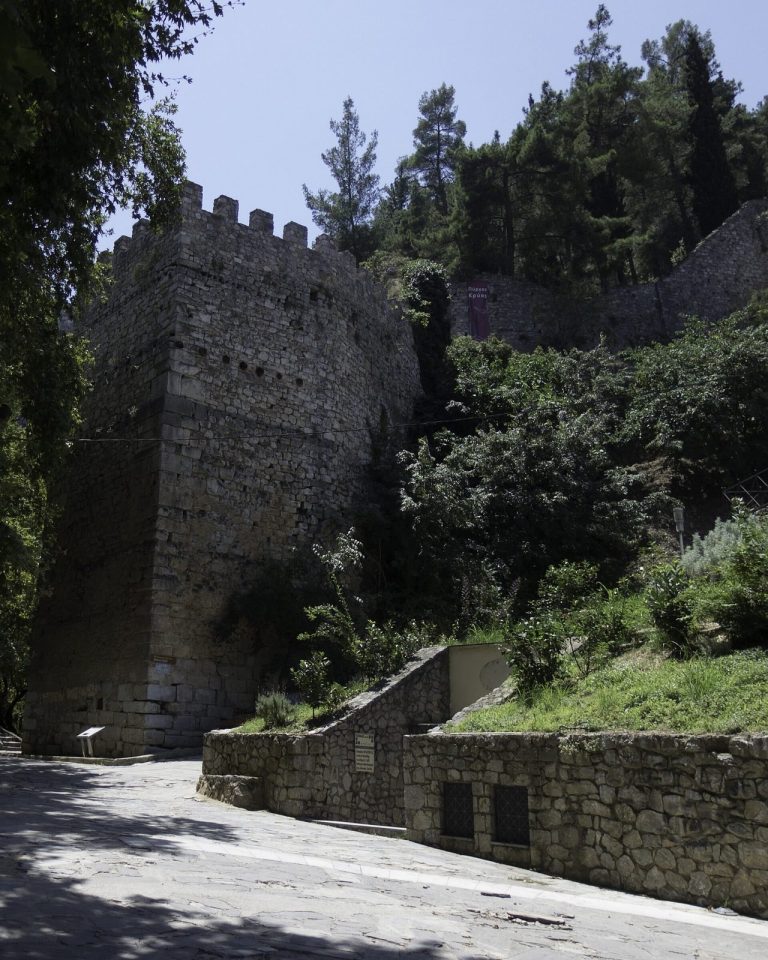
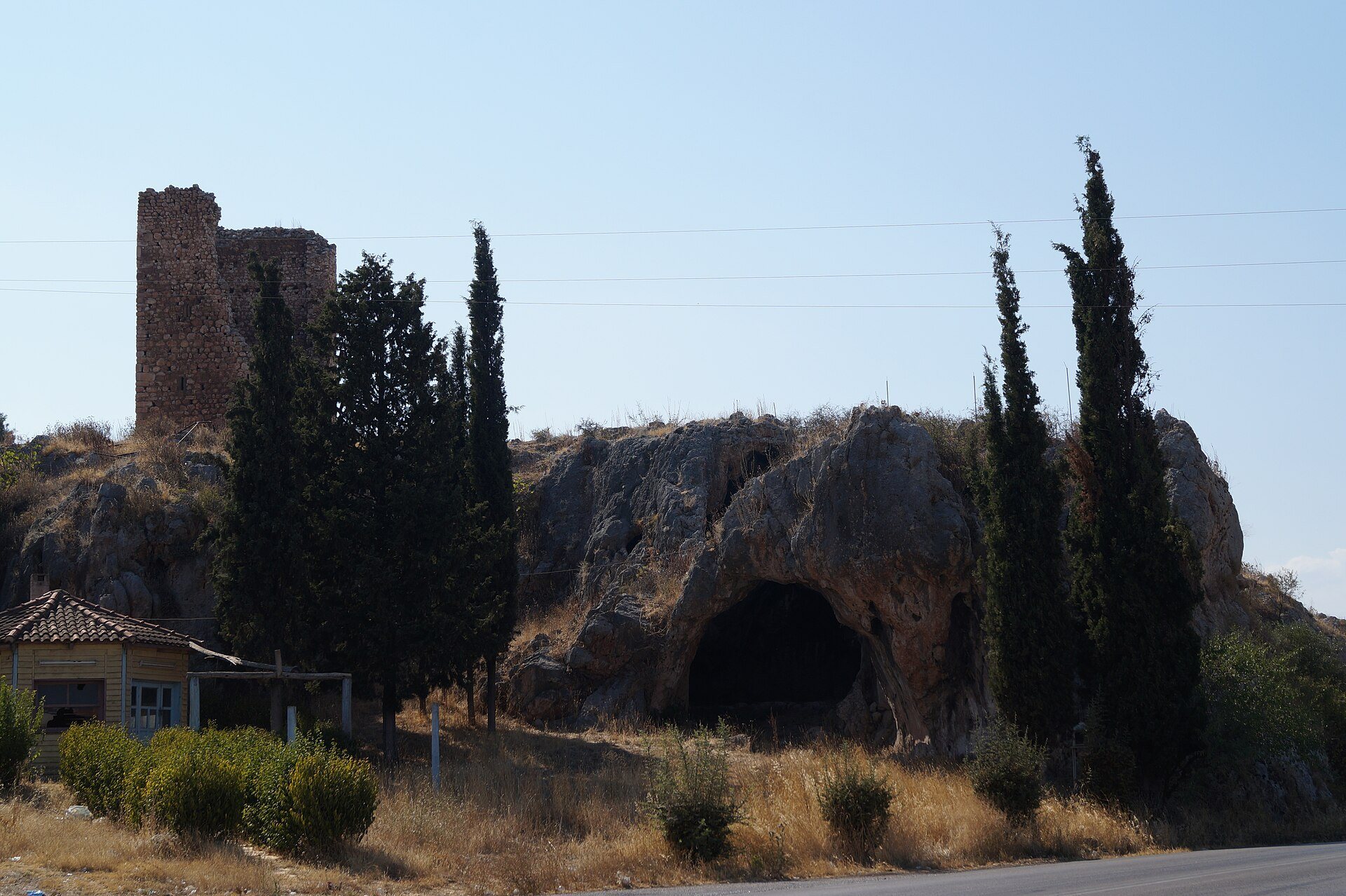
The tower stands on a cliff on the southern shore of the ancient Lake Copais, near the modern national road between Thebes and Livadeia. Its nearly square base measures approximately 7.8 by 7.9 metres, while the walls are about 1.65 metres thick. The surviving structure rises to approximately 15 metres. It is built from hewn stone that is mostly undressed but laid in relatively regular courses. Dressed quoins form the corners, and some incorporate spolia, reused architectural elements from the nearby acropolis of ancient Haliartos. The courses become smaller toward the top.
The tower originally had four floors. The ground-floor chamber measures about 3.5 metres on each side and is covered by a semicircular arch. Each of the two middle floors contains eight narrow window slits, with two on each wall. The upper floor had a vault reinforced by a double arch, although that vault has collapsed. A modern opening now appears at the base, while the original entrance seems to have been high above ground on the southern facade, at the level of the second floor. Putlog holes, openings used to support scaffolding or fixed wooden construction, indicate that a wooden staircase was attached to the tower.
Cliff caves
Several caves occur along the edge of the cliff beneath the tower. Their date and relationship to the fortification remain uncertain. They may be medieval features associated with the tower, or they may have formed more recently through lime burning.