Holy Mother of God Church: A Medieval Armenian Apostolic Church in Noratus

Site at a Glance
- Rating
- 5
- Popularity
- Very Low
- Country
- Armenia
- Primary era
- Medieval
- Eras represented
- Medieval
- Civilizations
- Armenian
- Site type
- Religious
- Remains
- Church
On this page6 sections
History
Holy Mother of God Church is a medieval Armenian Apostolic church in Noratus, Armenia. Built in the ninth century in the Armenian architectural tradition, it belongs to the historic Christian tradition of the Armenians, with its own hierarchy and liturgy. The church is associated with Sahak, identified either as Prince Sahak Syunetsi or as a figure connected with Gegharkunik.
Destruction and rebuilding
The church was destroyed in the fourteenth century and rebuilt in the fifteenth century. Its later history also includes the arrival of immigrants from Alashkert, a historic Armenian town and region in the Armenian highlands, who covered the collapsed hall with wooden beams.
Modern restoration
Restoration took place in 1974–1975, while a second restoration began in 2011–2012. The building is still standing, although its current religious status is uncertain.
Remains
Church building
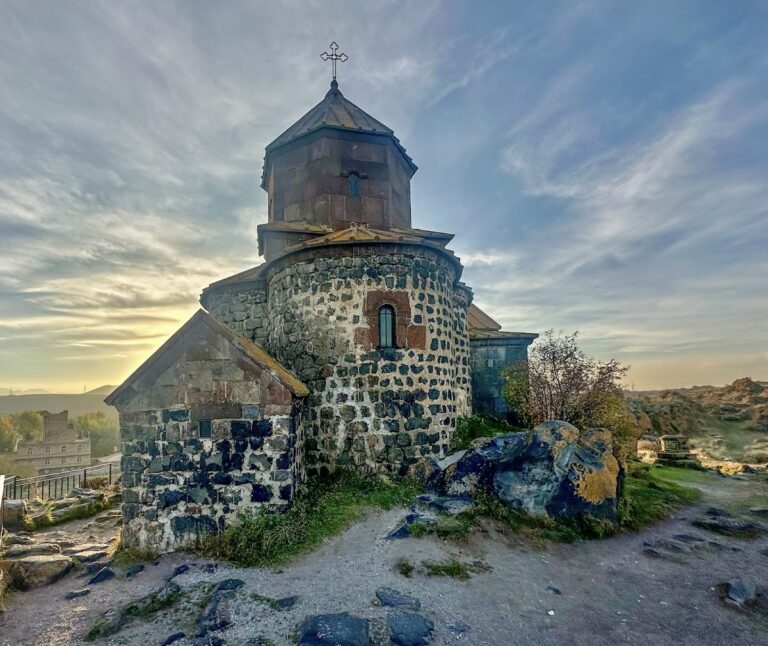
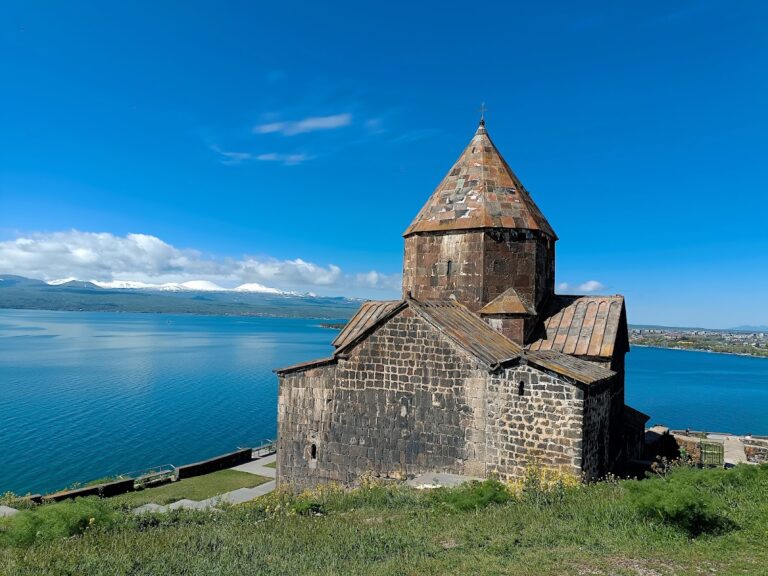
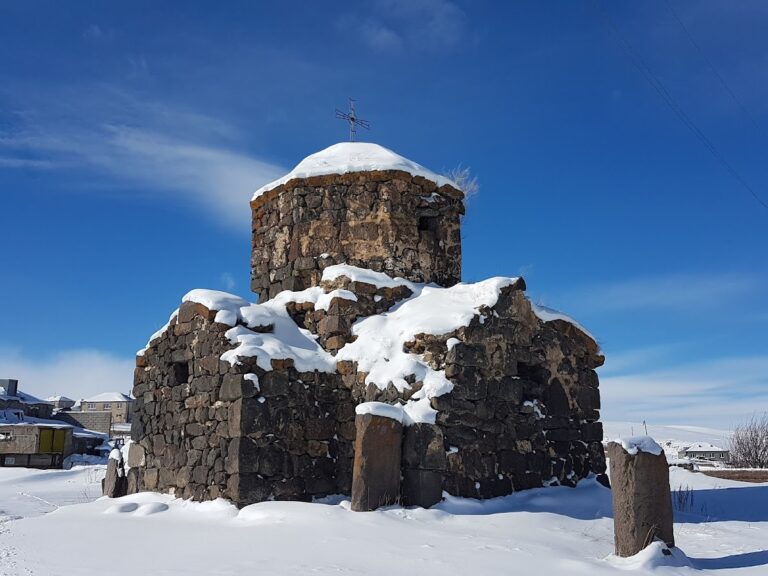
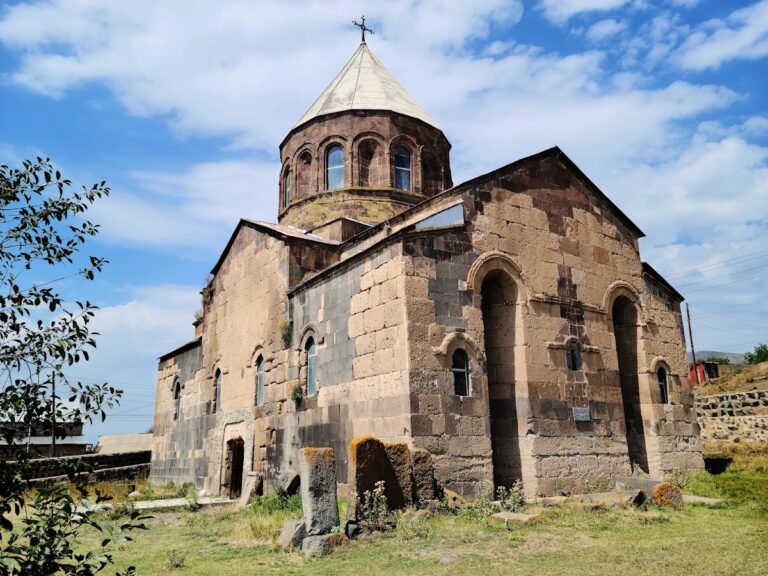
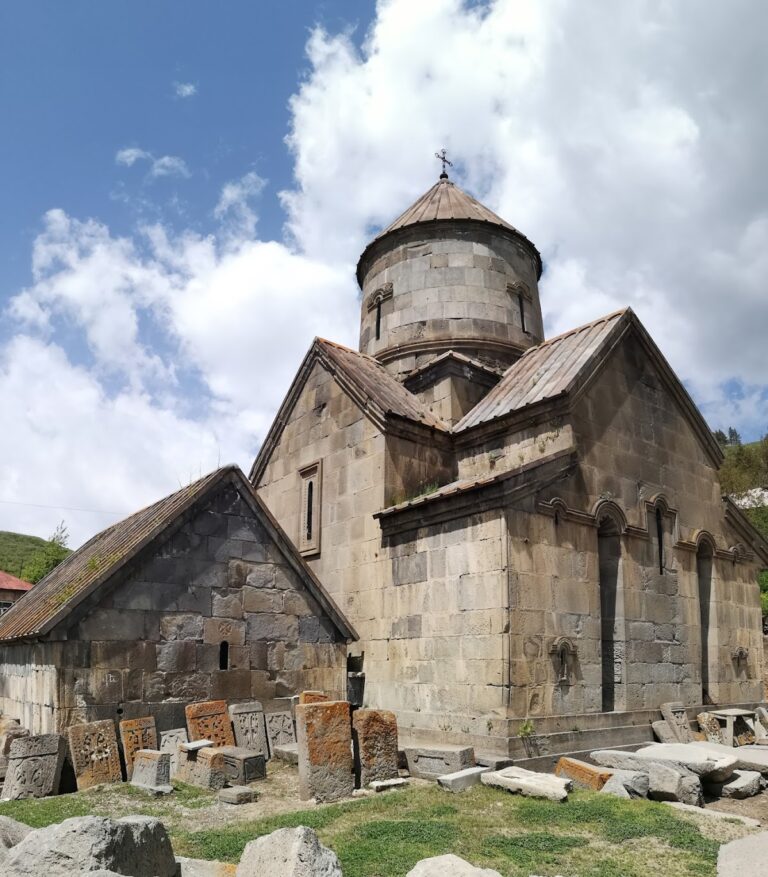
Holy Mother of God Church is built from large blocks of finely dressed stone. Its original form was a domed hall, a church design in which the dome rises over the main hall rather than over a separate central crossing. The domed hall later collapsed, and the structure was covered with wooden beams. These interventions form part of the building’s surviving physical character.
Khachkars and cemetery
Numerous khachkars stand within the church enclosure. These are Armenian carved stone cross monuments, often decorated with intricate geometric and plant ornament. The oldest khachkar is dated by its inscription to 996 and is now held by the History Museum of Armenia.
A cemetery beside the church dates from the ninth to the seventeenth centuries. It contains approximately 43 khachkars from different periods, placing the church within a long-lived funerary and commemorative landscape.