Hersekzâde Ahmed Pasha Mosque: An Ottoman Mosque in Keşan


Site at a Glance
- Rating
- 4.7
- Popularity
- Low
- Country
- Turkey
- Primary era
- Early Modern
- Eras represented
- Early Modern
- Civilizations
- Ottoman
- Site type
- Religious
- Remains
- Mosque
On this page4 sections
History
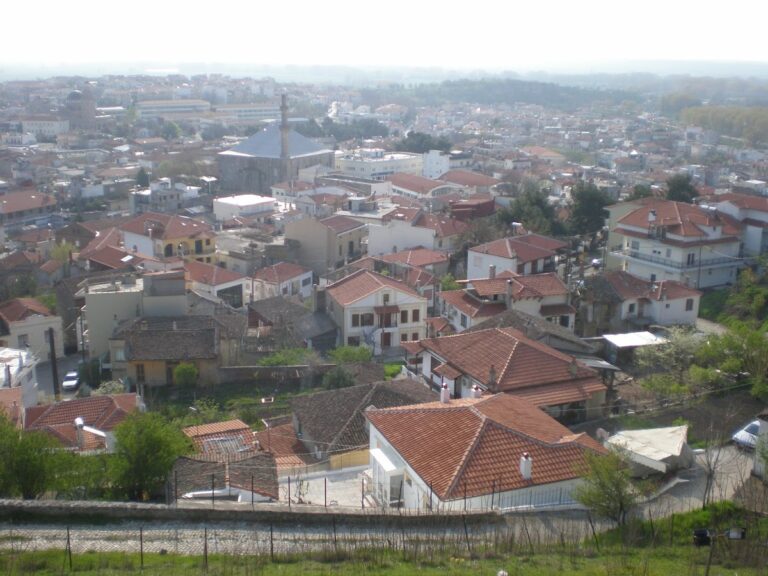
Hersekzâde Ahmed Pasha Mosque is a historic Sunni mosque in Keşan, Türkiye, built by the Ottoman Empire in 1511. Its founder, Hersekzâde Ahmed Pasha, served as grand vizier, the empire’s chief minister and highest-ranking official below the ruler. The building is an example of Ottoman architecture and formed part of the religious landscape of the town.
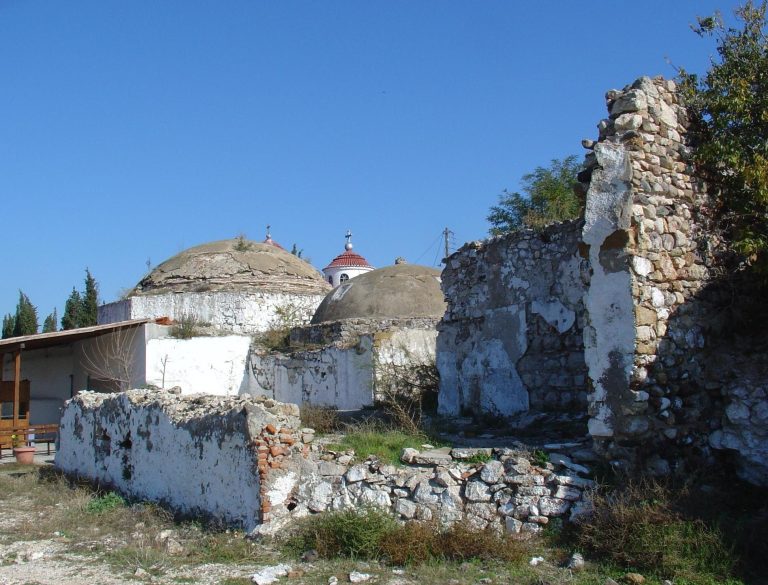
The mosque is generally identified with the small prayer building, or mescid, mentioned in the 1515 endowment deed for the village of Rus, also known as Ros. An endowment deed was a legal document assigning property and revenues to support a religious or charitable institution. Over time, the mosque deteriorated into a semi-ruined state and was closed for worship. Restoration began in 2022, with the aim of returning the building to religious use.
Remains
Plan and Dome
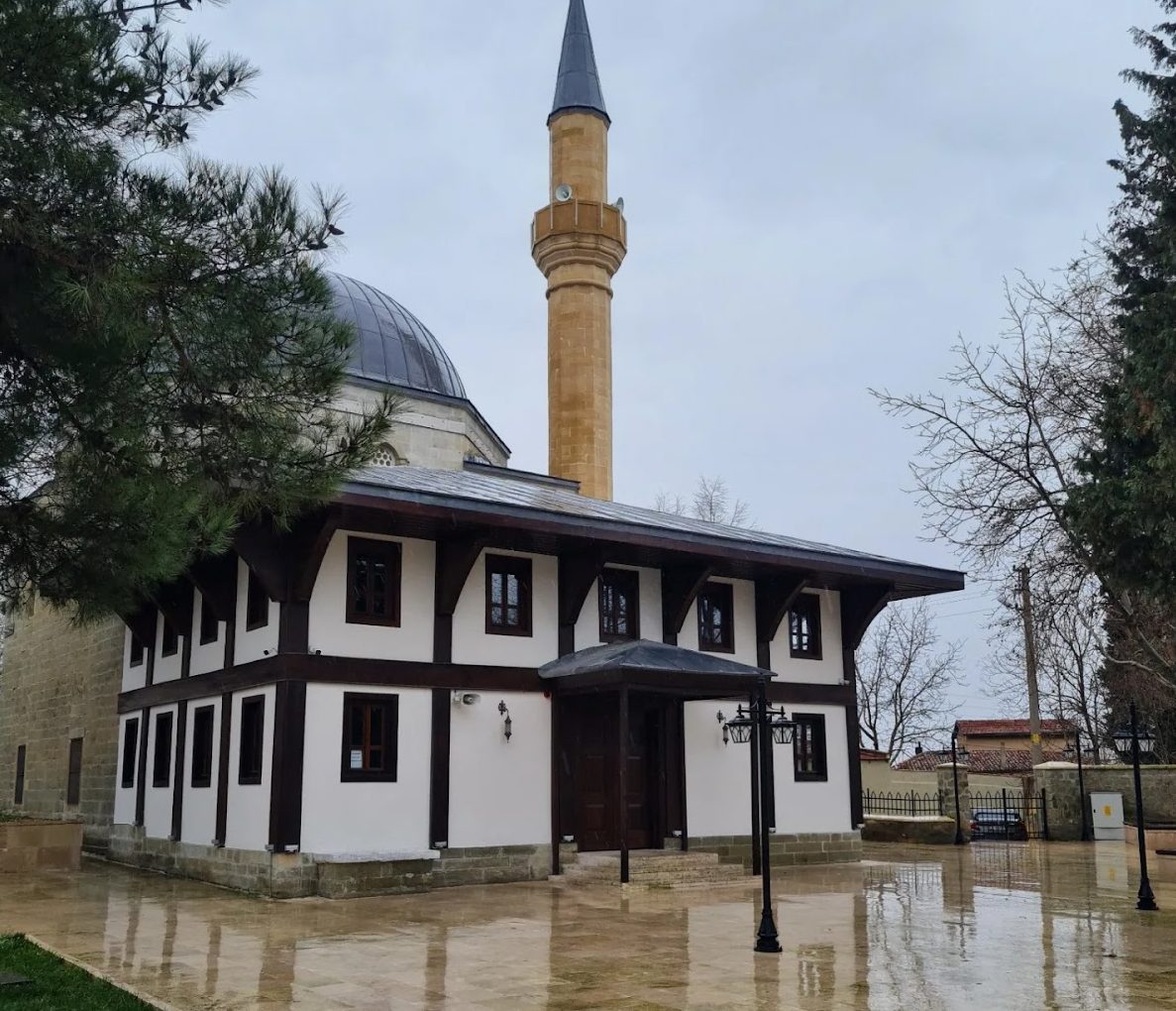
The mosque has a square plan measuring 12 by 12 metres. A lead-clad dome, 9.5 metres in diameter, covers the main prayer space and gives the building its central architectural form. Together, the compact plan and domed roof express the Ottoman design of this early sixteenth-century mosque.
Portico and Minaret
The original entrance portico was formed by three domed sections. A later extension altered the portico area in a civil-architectural style, distinguished by a very broad eave. The mosque also retains a single minaret, completing the principal surviving elements of its religious architecture.