Aslan Pasha Mosque: An Ottoman Mosque and Museum in Ioannina


Site at a Glance
- Rating
- 4.5
- Popularity
- Medium
- Country
- Greece
- Primary era
- Early Modern
- Eras represented
- Early Modern
- Civilizations
- Ottoman
- Site type
- Religious
- Remains
- Mosque
On this page6 sections
History
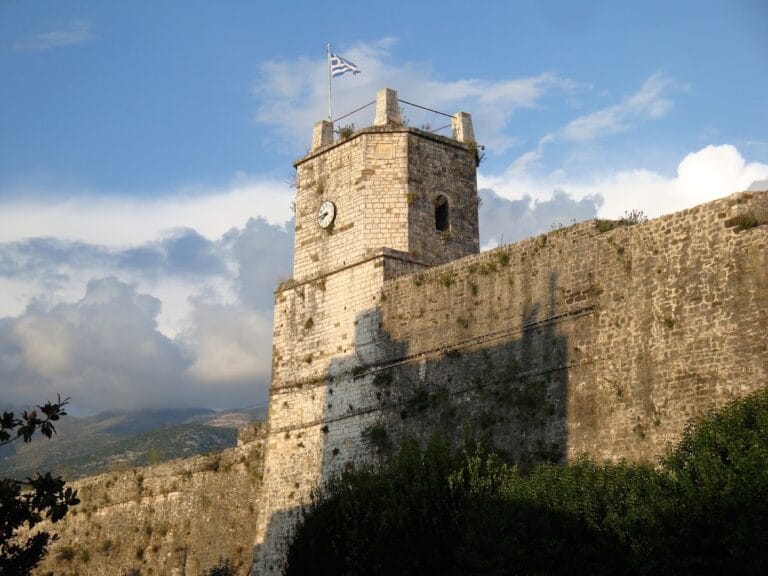
Aslan Pasha Mosque is an Ottoman building in Ioannina, Greece, constructed in 1618 during the Ottoman period at a high point within Ioannina Castle. It replaced the former Church of Saint John, demolished after the failed anti-Ottoman revolt of 1611 led by Dionysius the Philosopher, a Greek Orthodox monk who headed the uprising. The mosque formed part of a complex established by Aslan Pasha, the sanjak-bey, or governor of an Ottoman administrative district, of the Tırhala Sanjak.
Ottoman foundation and later use
The mosque belonged to Ioannina’s Ottoman landscape and was associated with the authority of Aslan Pasha. In 1670, the Ottoman traveler and writer Evliya Çelebi visited Ioannina and included information about the building in his travelogue, providing a seventeenth-century description of the mosque.
Aslan Pasha Mosque ceased to function as a mosque in the 1920s. Following the population exchange between Greece and Turkey, the building was converted in 1933 into the Municipal Ethnographic Museum of Ioannina, also described as the city’s municipal historical museum. In September 2018, a Mediterranean tropical-like cyclone accompanied by severe winds damaged the minaret, including the collapse of its conical cap. Restoration began in August 2019.
Remains
Ottoman mosque structure
Main building
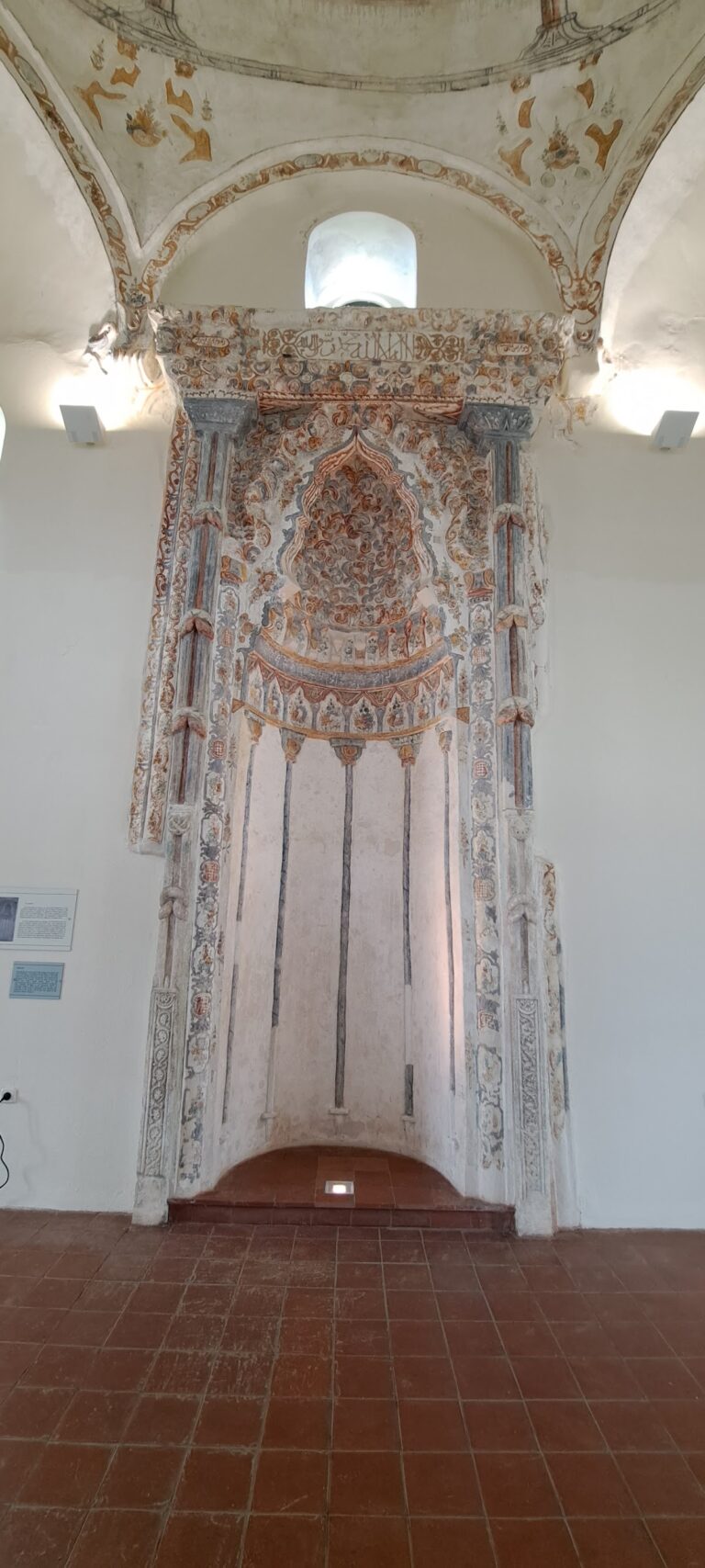
The mosque has a square plan and is covered by a single dome. Its Ottoman-style design and position at a high point within Ioannina Castle define the principal surviving form of the building. The structure’s later conversion to a municipal museum gave the former religious building a new civic use.
Minaret
One minaret belongs to the mosque. Severe winds during the September 2018 cyclone caused its conical cap to collapse and left the minaret damaged. Restoration of the affected structure began in August 2019.