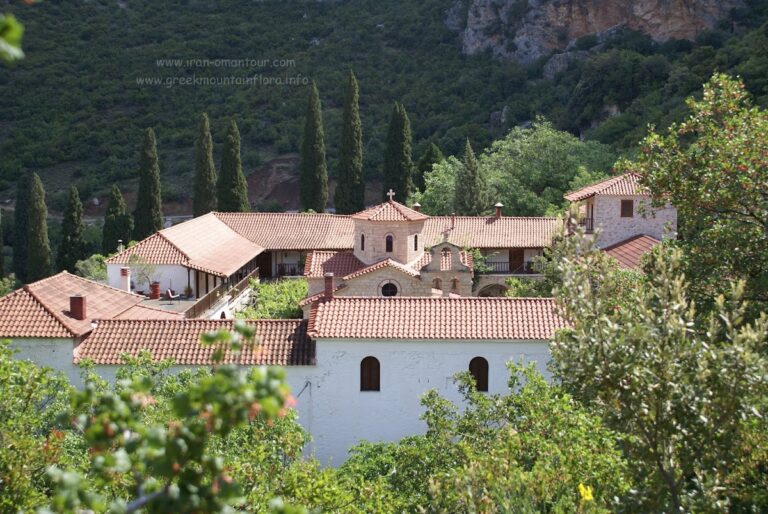
Episkopi Church at Tegea: A Byzantine Church over the Ancient Theatre


Site at a Glance
- Rating
- 4.8
- Popularity
- Low
- Country
- Greece
- Primary era
- Medieval
- External website
- Open
- Eras represented
- Classical, Medieval
- Civilizations
- Byzantine, Seleucid
- Site type
- Religious
- Remains
- Church
On this page9 sections
History
Episkopi Church at Tegea is a Byzantine church in Greece, built around AD 1000 in a transitional architectural period between the Early Christian domed basilica and the Middle Byzantine cross-in-square church. It stands within the area of ancient Tegea, where archaeological finds span the Archaic, Hellenistic, Roman, and Byzantine periods.
Tegea as an Episcopal Centre
Tegea was an episcopal seat from the fifth century. Its bishop took part in the Council of Chalcedon in AD 451, a major Christian council that addressed questions of doctrine and church organization. From the seventh century, the settlement was known as Amykion or Nyklion and later entered a period of considerable prosperity.
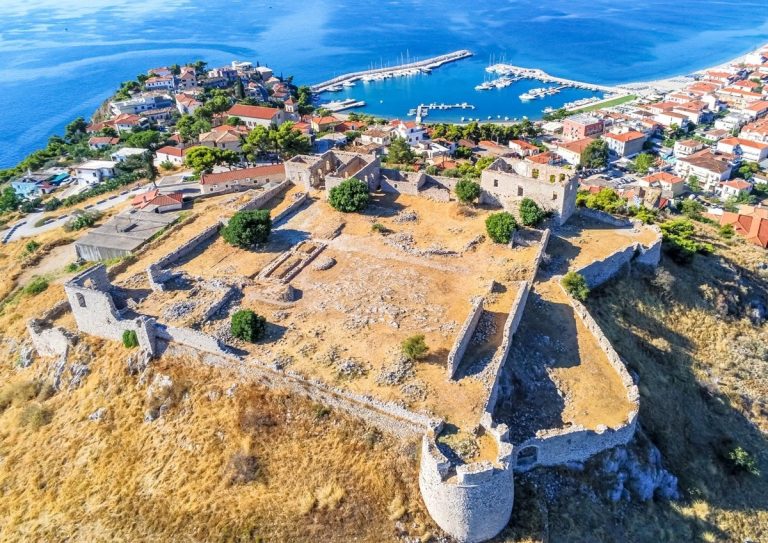
The surrounding area also preserves remains of a medieval castle. Tegea later declined and suffered destruction during wars and earthquakes. Episkopi Church remained in use for many years, but the earlier building eventually collapsed and stood in ruins until the nineteenth century.
Restoration and Religious Tradition
The present church was restored in 1888 at the expense of the Tegaean Association. The work was carried out by the German architect Ernst Ziller. The church is dedicated chiefly to the Dormition of the Theotokos, the Christian feast commemorating the death of the Virgin Mary, and is also associated with Saint Spyridon and the Life-Giving Spring, a traditional title of the Virgin Mary connected with a holy spring and healing.
Its principal festival is held on August 15. During the celebration, an icon of the Theotokos is carried in procession through the surrounding park. Until 1851, the area also hosted the Kallous Festival, a matchmaking custom regarded as a survival of late Archaic pairing practices.
Remains
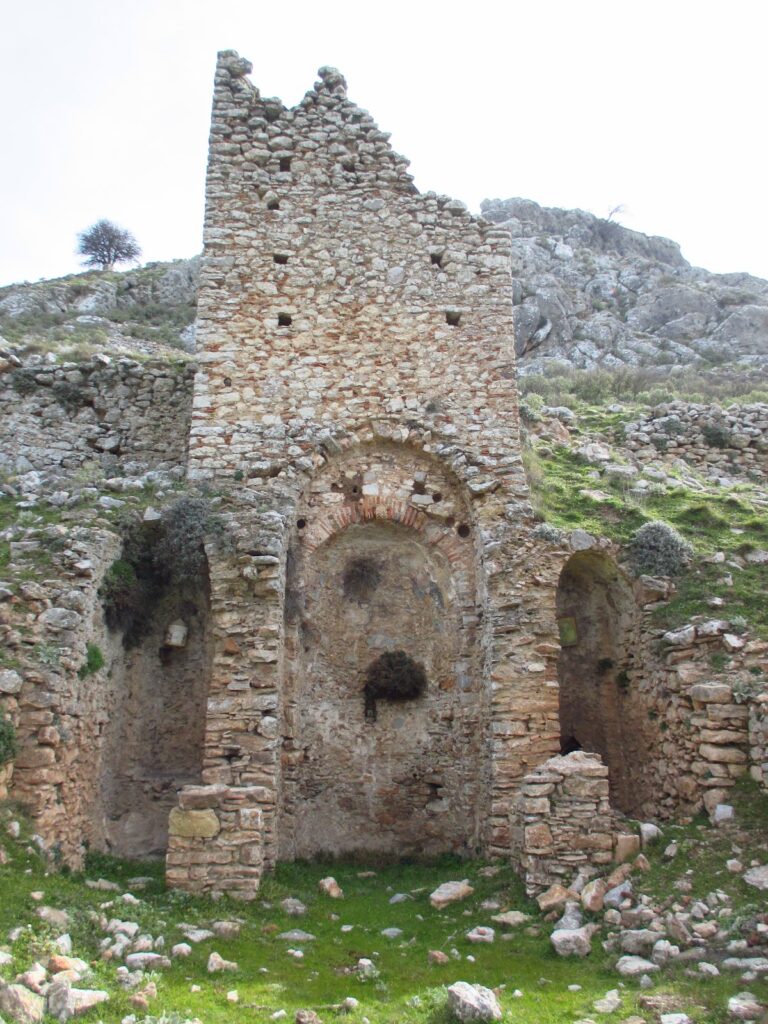
The church, also known as Old Episkopi, occupies an open, tree-shaded archaeological landscape within ancient Tegea. It stands over the curved seating area, or cavea, of the ancient theatre. The building combines features of an earlier basilica with the centralized arrangement of a cross-in-square church, while earlier architectural elements were reused in its masonry.
The Church Building
Episkopi’s plan gives the impression of a three-aisled basilica, but its aisles are divided by walls rather than open colonnades. Its transitional design links the Early Christian domed basilica with the Middle Byzantine cross-in-square form, which organizes the interior around a central space marked by a cross within a nearly square building. Numerous architectural pieces from ancient buildings at Tegea, together with elements from nearby Byzantine structures, were incorporated into the church’s walls.
Ancient Structures Beneath and Near Episkopi
Ancient Theatre
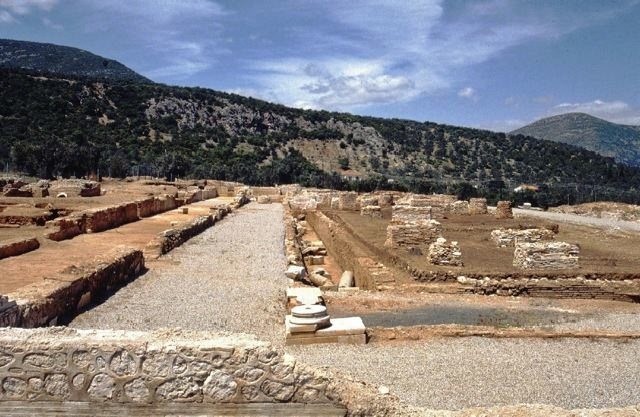
The remains of Tegea’s theatre survive beneath the church sanctuary. The theatre was constructed in the second century BC with the patronage of Antiochus Epiphanes, the epithet of Antiochus IV, a Hellenistic ruler of the Seleucid dynasty. Its cavea forms the ancient architectural foundation over which the church was built.
Sixth-Century Basilica
A sixth-century basilica survives near Episkopi. Its mosaics represent the months of the year and the four rivers of Paradise, preserving both calendar imagery and a Christian vision of the sacred landscape.
Interior Decoration
The interior contains wall paintings produced in 1935–1936 by the painter Agenor Asteriadis. These paintings form part of the church’s later visual fabric, alongside the restored structure and the reused architectural material embedded in its masonry.