Church of Saint John the Apostle in San Giovanni Bianco
Site at a Glance
- Rating
- 4.7
- Popularity
- Very Low
- Country
- Italy
- Primary era
- Modern
- Eras represented
- Medieval, Modern
- Civilizations
- Habsburg, Italian
- Site type
- Religious
- Remains
- Church
On this page11 sections
History
The Church of Saint John the Apostle is the principal Roman Catholic church in San Giovanni Bianco, Italy, dedicated to Saint John the Apostle and Evangelist. The present Romanesque-style building was reconstructed between 1857 and 1864, replacing a much older religious structure that had served the community in the upper Brembana Valley.
The medieval parish church
The earlier church included a nave dating at least to the fourteenth century. On 19 April 1447, Polidoro Foscari, Bishop of Bergamo, dedicated the church to Saint John the Evangelist. Giovanni Barozzi, another Bishop of Bergamo, raised it to parish status in 1451. During a 1575 episcopal visitation, Saint Charles Borromeo, the reforming Archbishop of Milan, recorded a building with two naves and eleven altars.
Nineteenth-century reconstruction
The church was entirely rebuilt from 1857 to 1864 according to designs by Giuseppe Berlendis. The formal completion of the high altar took place on 26 July 1864, when Pietro Luigi Speranza, Bishop of Bergamo, set its altar stone in position. Work continued after the main reconstruction. On 29 March 1895, Francesco Tavani, Bishop of Mindo, consecrated the altars dedicated to Saint Joseph and Saint Luigi Gonzaga.
Twentieth-century completion and devotion
The facade was completed during the first decade of the twentieth century from designs by Luigi Broggi and the engineer Cesare Nava. Luigi Angelini designed the sacristy, completed during the second decade of the century. In 1914, Nino Nespoli painted the cupola fresco, the Glory of Saint John, and the presbytery fresco, the Transfiguration of Jesus. Giovanni Munzio later added the chapel of the Sacred Thorn. Maintenance and finishing continued through the twentieth century, including renewal of the heating system.
The church has preserved the Sacred Thorn relic since 1495. Christian tradition identifies the relic as part of the Crown of Thorns worn by Jesus before the Crucifixion. It became a particular object of devotion because tradition holds that it changes in years when the Feast of the Annunciation on 25 March falls on Good Friday.
Remains
Churchyard and facade
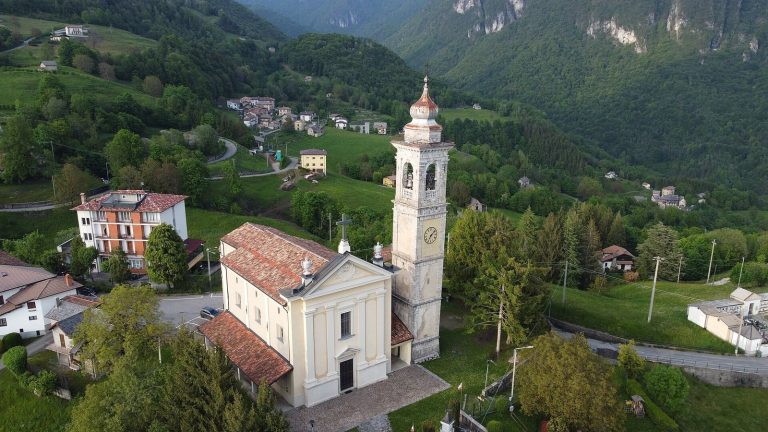
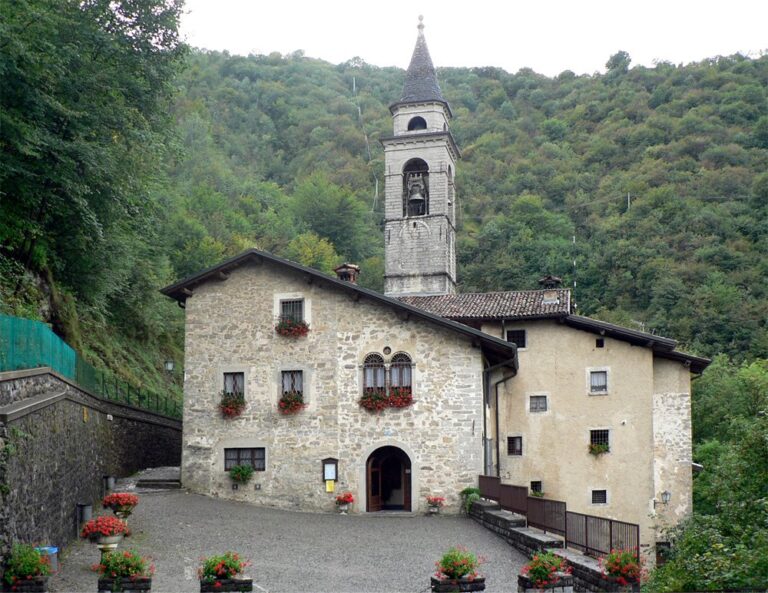
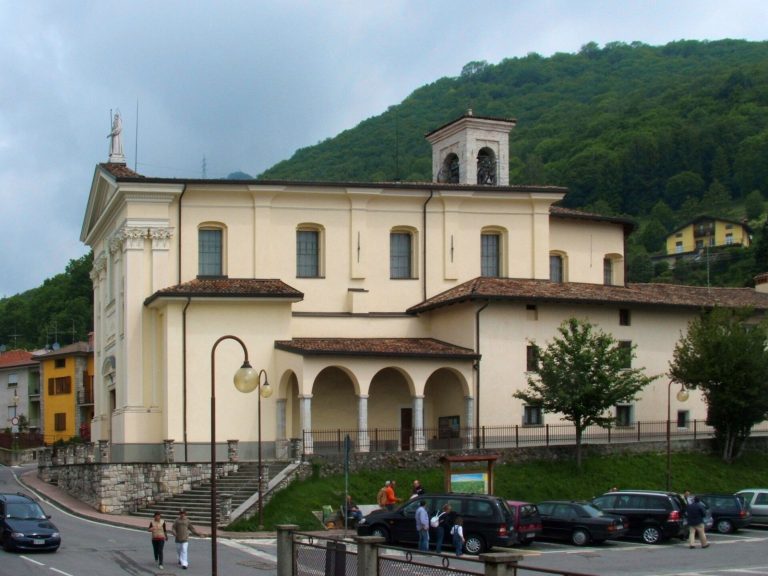
The church follows an east-west orientation and stands beside a churchyard bordered on one side by the state road. A large pronaos, or covered entrance porch, projects before the facade. Open on three sides, it is formed by arches and pilasters and ends in a broken semicircular pediment. Behind it, the main facade has three entrances, with the central doorway larger than the others. Statues of Saint John the Apostle, Saint Francis of Assisi, Saint Anthony of Padua, and Saint Roch decorate the front, which is crowned by a triangular pediment.
Surviving medieval fabric
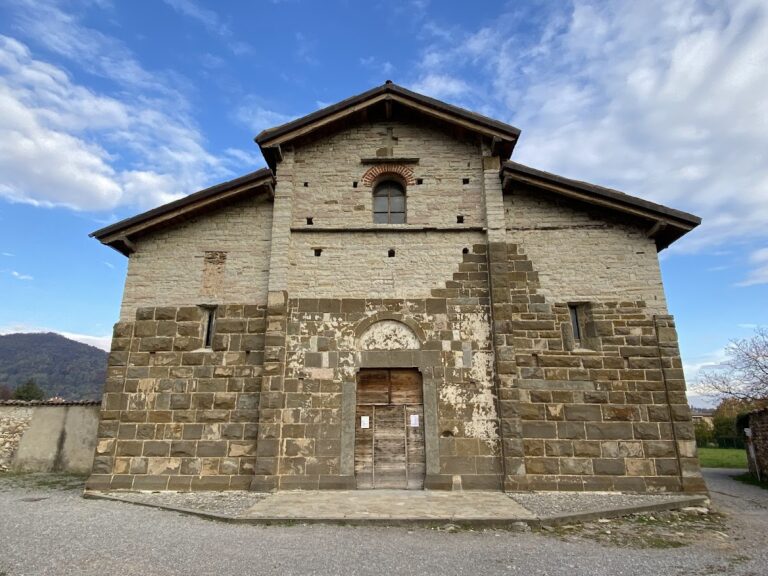
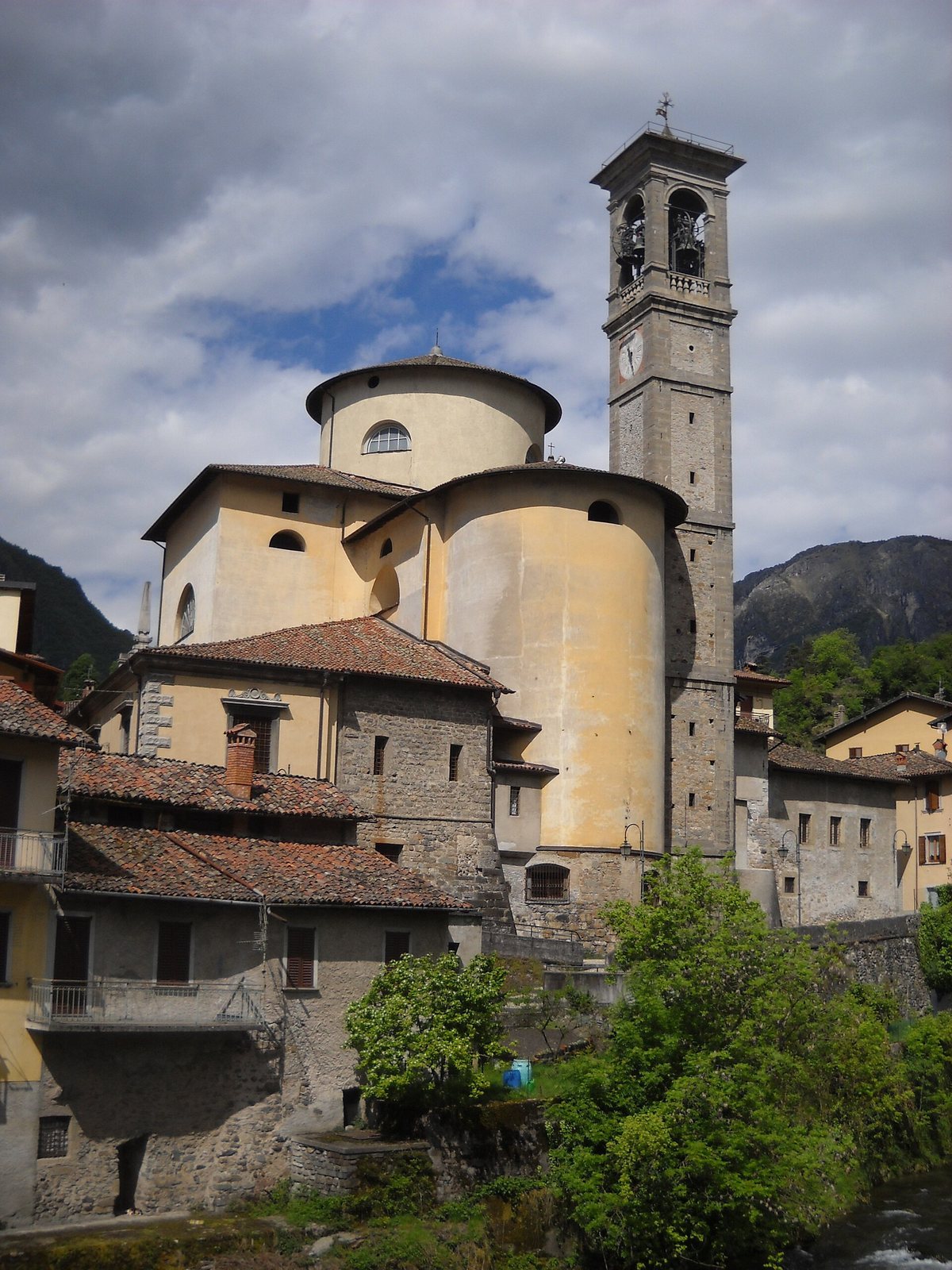
Parts of the fourteenth-century church remain within the later building. They include the scurolo, a crypt-like lower space beneath the presbytery, the apse, and part of the Boselli tower. The surviving section of the tower now serves as the sacristy, linking the present church with its earlier architectural phases.
Naves and central dome
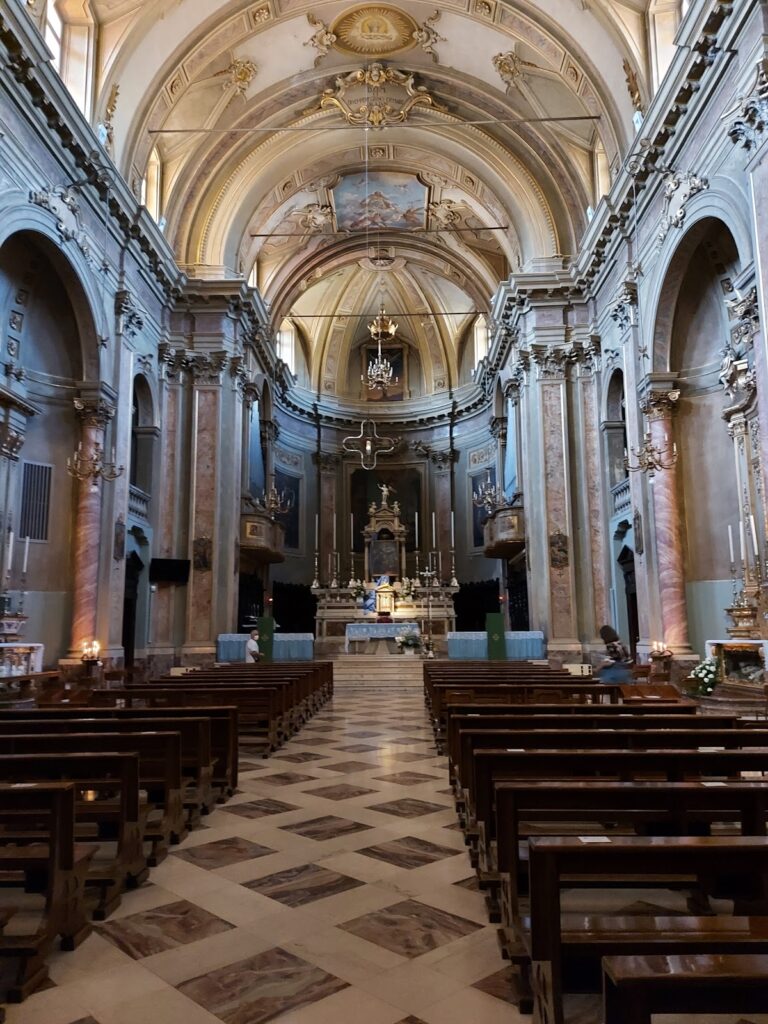
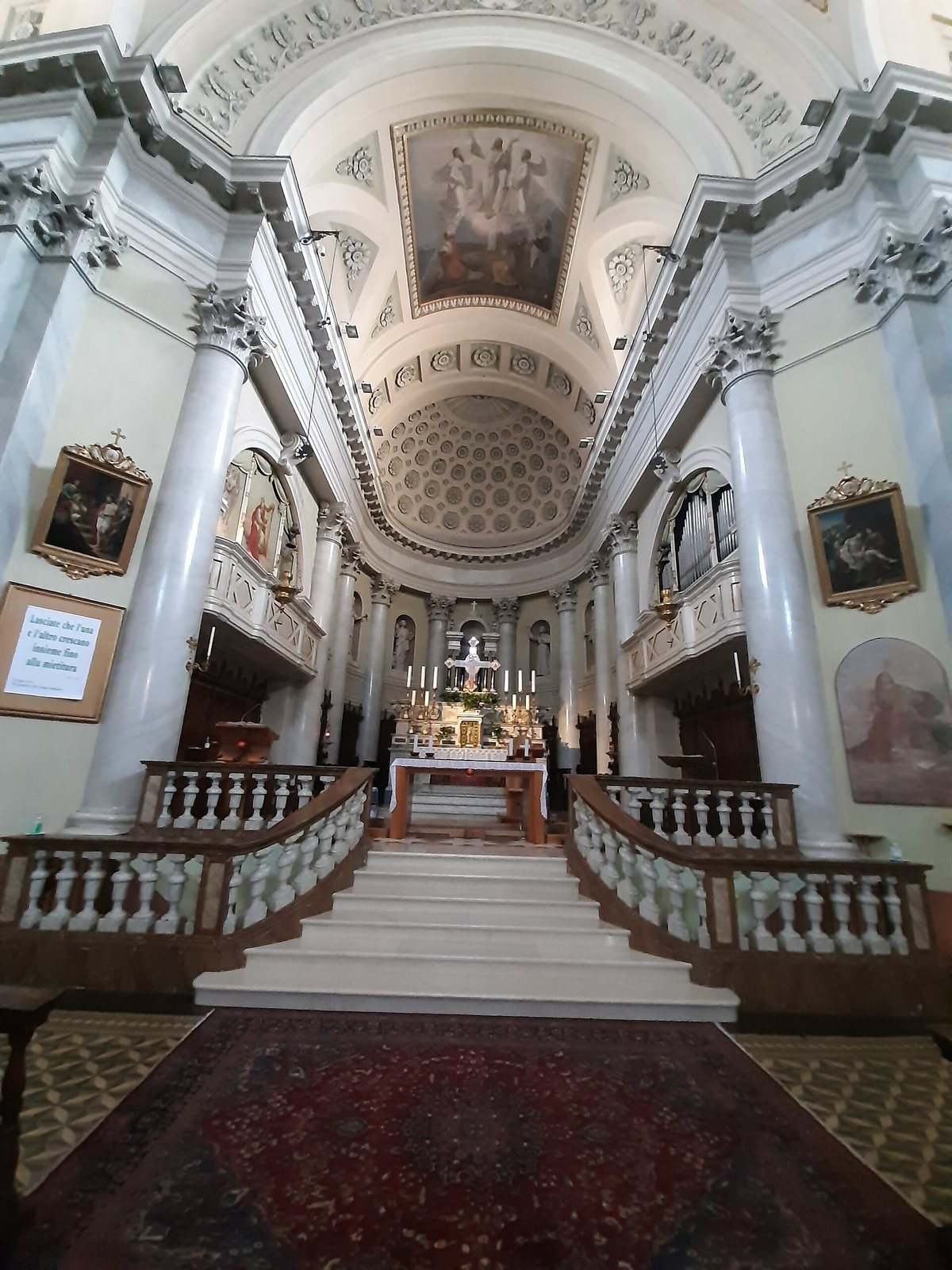
The interior is arranged in three naves covered by a coffered barrel vault. Large marble columns with Corinthian capitals divide the spaces and carry a cornice that runs around the main hall. The transept cupola forms the junction between the naves. Its upright drum, the wall supporting the dome, has four openings, while its pendentives, curved triangular surfaces connecting the bay to the circular dome base, are painted with the Four Evangelists. Three round-headed windows in the rear wall of the church also illuminate the interior.
Presbytery and apse
The presbytery, the area reserved for the principal altar and clergy, is narrower than the main hall and raised above it. A six-step staircase leads up to the space and ends in a sloping balustrade. Beneath it lies the scurolo, one of the oldest parts of the church. Two lunette windows light the presbytery, while the choir separates it from the apse. Corinthian columns line the apse walls, and the same column design appears in the tribune, an elevated architectural platform. The altar is made of white Carrara marble with polychrome panels.
Devotional chapels
The Sacred Thorn chapel stands in front of the presbytery. Columns support its small dome, and a grille encloses the chapel. Its walls are faced with marble, while the altar combines occhiadino marble with red Verona marble. The relic is kept within the altar. Opposite this chapel is the chapel of the Madonna of the Rosary, which also has columns supporting a small dome. Its altar contains a statue of the Virgin set in a niche.
Baptistery and paintings
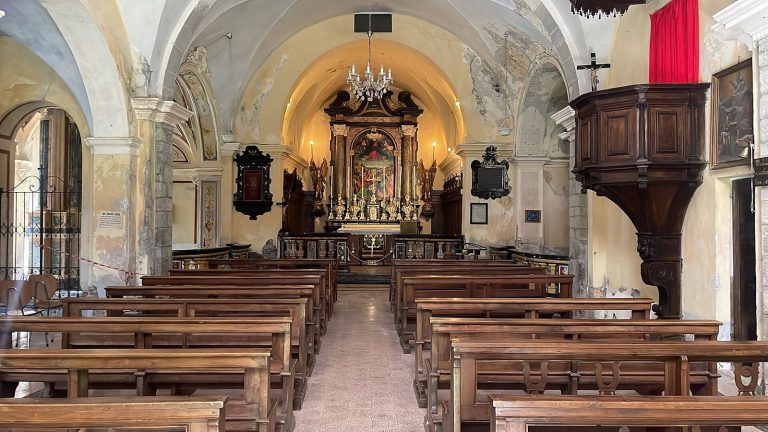
The baptistery occupies the first bay of the main hall, with a crucifix positioned opposite it on the right. Confessionals fill the next two bays. The sacristy preserves two canvases from the early career of Carlo Ceresa, who was born in San Giovanni Bianco. The earlier painting, made before 1630, shows the Madonna in Glory with Saint Anthony of Padua, Saint Anthony Abbot, and a bishop. It is an oil painting on canvas measuring 161 by 138 centimetres, arranged in a pyramidal composition associated with Counter-Reformation art, the Catholic artistic culture shaped by response to the Protestant Reformation. The second canvas, dated 1633, depicts the Madonna in Glory with Saint Apollonia, Saint Nicholas of Tolentino, Saint Lucy, and donors, and measures 250 by 180 centimetres.