Ramsåsa Church: A Medieval Lutheran Church in Sweden
Site at a Glance
- Rating
- 4.4
- Popularity
- Very Low
- Country
- Sweden
- Primary era
- Medieval
- External website
- Open
- Eras represented
- Medieval, Early Modern, Modern
- Civilizations
- Danish
- Site type
- Religious
- Remains
- Church
On this page11 sections
History
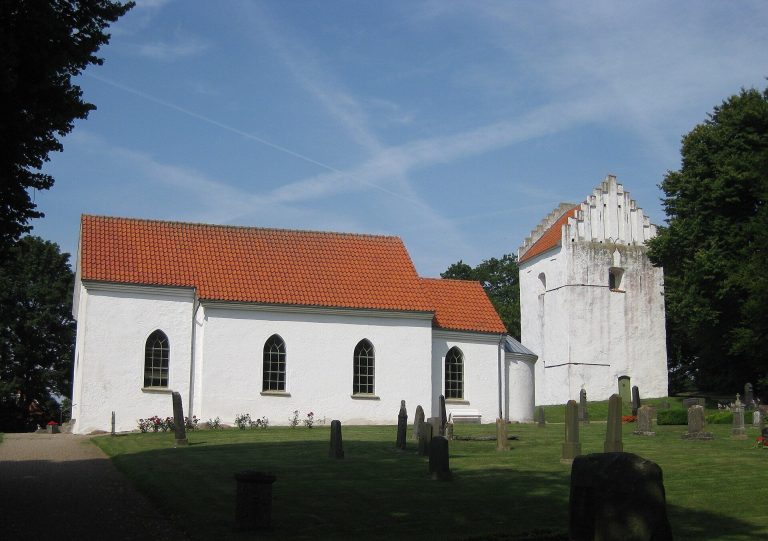
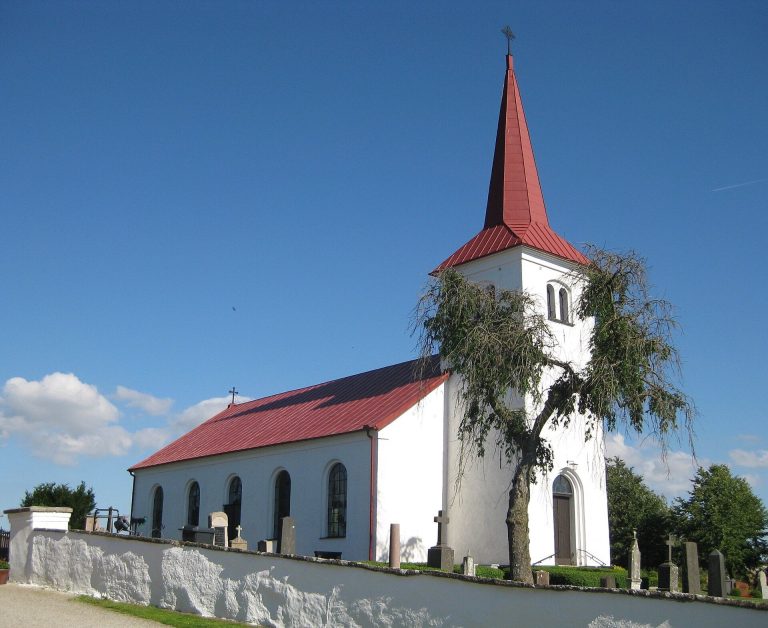
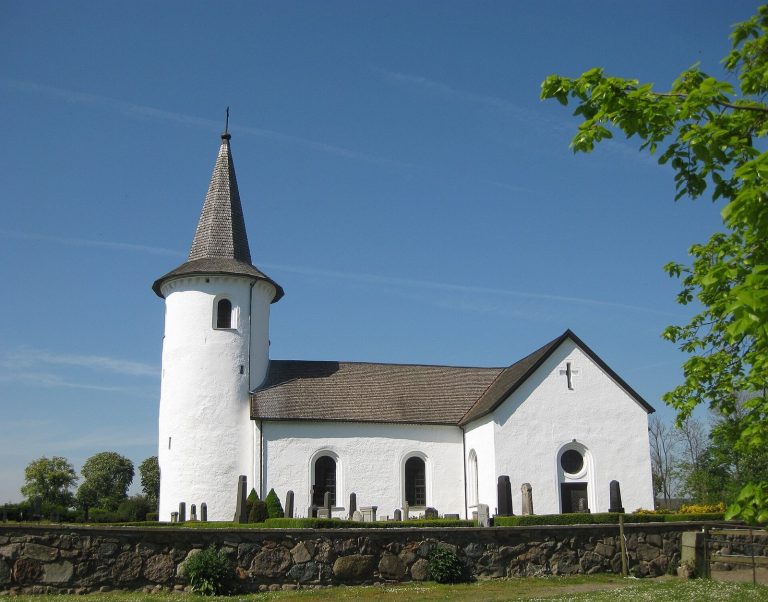
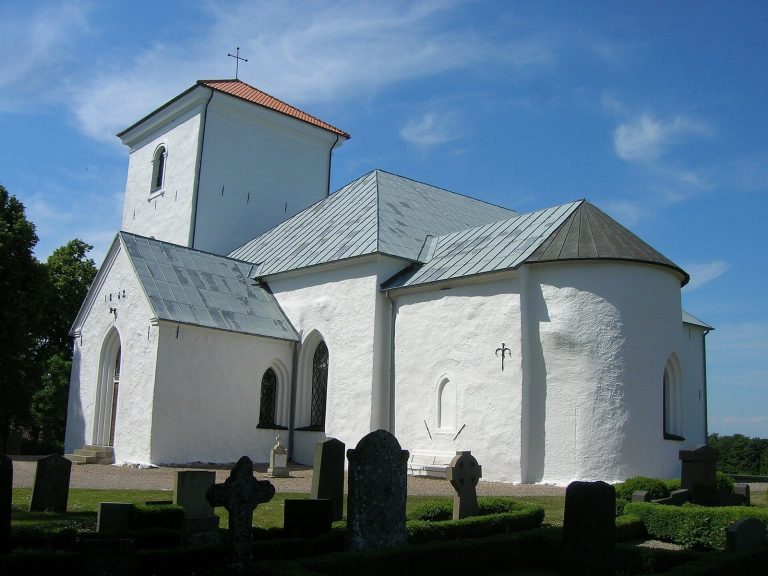
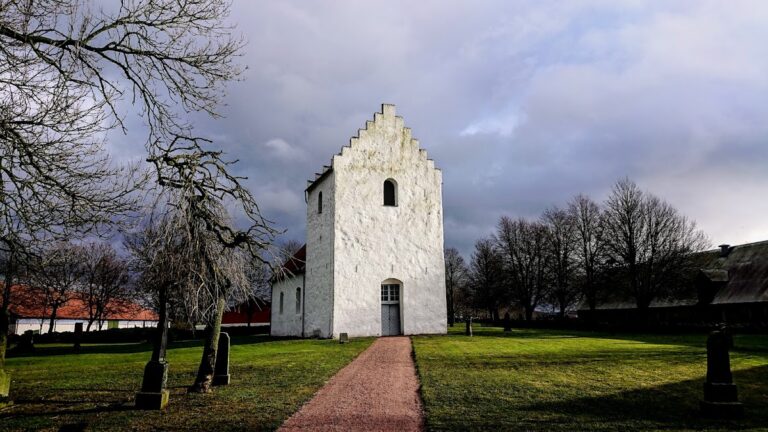
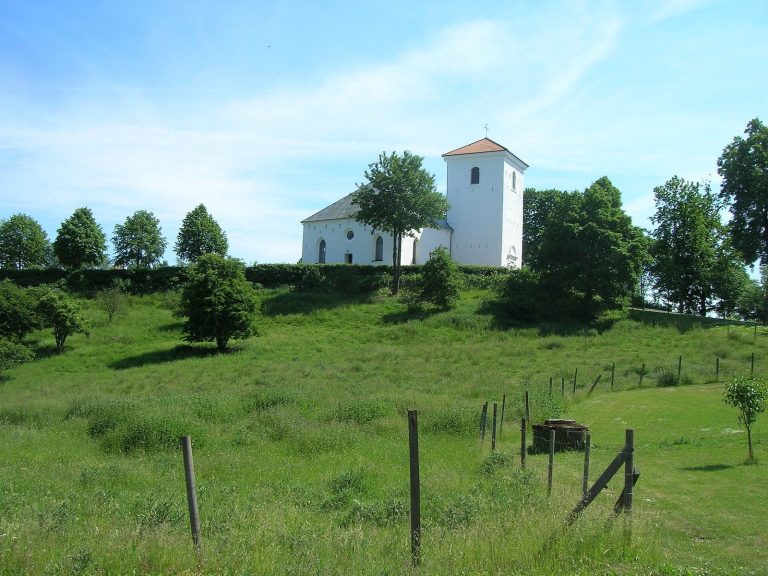
Ramsåsa Church is a medieval Lutheran church in Ramsåsa, Sweden, built around 1200 in the Romanesque style. It belongs to the Church of Sweden, Sweden’s Evangelical Lutheran church, and forms part of Tomelilla parish in the Diocese of Lund, the regional church district that includes Ramsåsa.
Medieval foundation and alterations
The church was founded in the thirteenth century. Its original building comprised a nave and a chancel ending in an apse, the rounded or polygonal eastern end of a church. The building’s early Romanesque character belongs to a medieval style associated with heavy masonry, rounded arches, and simple geometric forms.
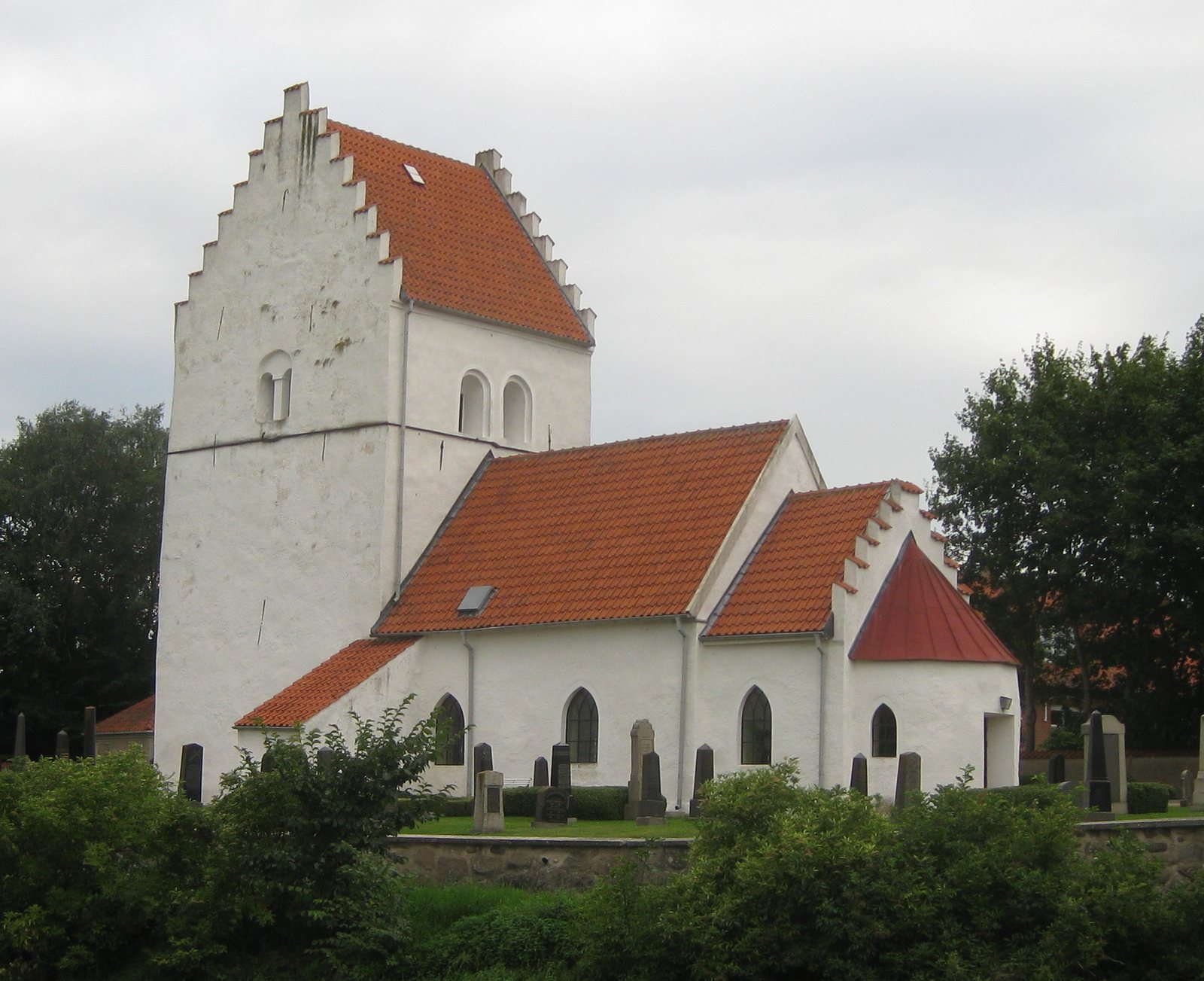
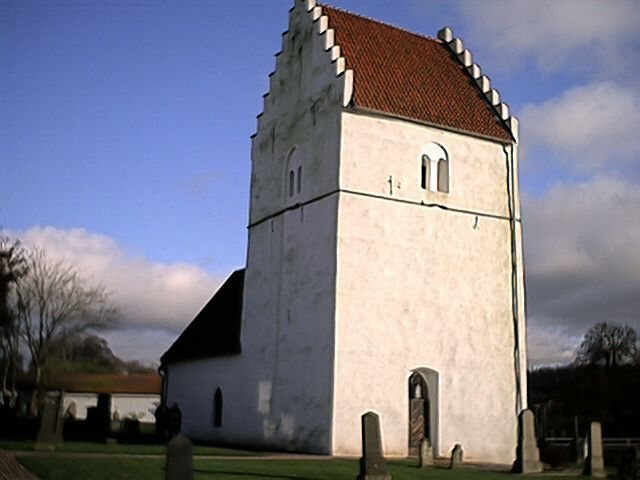
A tower was added in the fifteenth century. During the same period, the interior was remodeled and received a vaulted ceiling. The tower was later altered in 1846, and the church was reconstructed in 1852 and 1853 according to designs by Carl Georg Brunius, a Swedish architect, architectural historian, and restorer.
Discovery and conservation
Medieval murals were uncovered in 1954. The entire church then underwent major repairs between 1958 and 1961. Work carried out in 1986 protected the murals in the apse from further deterioration. The church remains part of the Church of Sweden and retains its Lutheran affiliation.
Remains
Ramsåsa Church retains a medieval nave, chancel, apse, and a large fifteenth-century tower. The tower is almost as high as the nave is long, giving it a dominant place in the church’s overall appearance. The interior combines the original Romanesque structure with later vaulting, painted decoration, medieval sculpture, and furnishings from the seventeenth through twentieth centuries.
Medieval architecture and decoration
Nave and chancel paintings
The church has a thirteenth-century late-Romanesque ceiling. The ribs of the chancel vault carry purely decorative paintings from the late Middle Ages. On the north wall of the nave, fourteenth-century murals show Saint Christopher and the Wheel of Fortune. Saint Christopher was traditionally associated with carrying travelers safely across water, while the Wheel of Fortune represented the changing nature of worldly status and fortune. This subject is unusual among medieval mural paintings in the Nordic region.
Apse mural
The apse contains a thirteenth-century Romanesque image of Christ in Majesty, a representation of Christ enthroned or glorified. Christ appears within an unusually square mandorla, an almond-shaped or aureole-like frame surrounding a sacred figure. Conservation work in 1986 helped protect this mural from further deterioration.
Rood cross
Above the altar is a late-Romanesque rood cross from the thirteenth century. A rood is a crucifix or crucifix group traditionally placed near the boundary between the nave and chancel. The sculpture presents Christ as triumphant rather than suffering, with open eyes, an upright head, and thin arms and legs. Its original crown was replaced by a crown of thorns in the fifteenth century, when the arms of the cross were probably also altered.
The uppermost part of the rood cross was sawn off before 1907. The cross was found in the church attic during the early twentieth century and was held by the Historical Museum of Lund University until its return to the church in 1954.
Furnishings and liturgical objects
Font, pulpit, and altar
A late-medieval baptismal font made of sandstone remains in the church. The pulpit dates from the seventeenth century and was extensively altered in the eighteenth century, when wooden sculptures of the Evangelists by the master Anders Ro were added. The modern altarpiece was installed in 1961, and an old reliquary, a container for a religious relic, stands on the altar.
Later furnishings
Other surviving furnishings include an eighteenth-century powder chair in the sacristy, the room used to store vestments and other objects for worship, and a seventeenth-century donation box. The present pneumatic organ, which produces sound with compressed air, was built in 1954 by the A. Mårtensson Organ Factory.