Chapelle de Saint-Martin-la-Vallée: A Romanesque Chapel in France
Site at a Glance
- Rating
- 4.4
- Popularity
- Very Low
- Country
- France
- Primary era
- Medieval
- Eras represented
- Medieval, Early Modern
- Civilizations
- Duchy of Burgundy, French
- Site type
- Religious
- Remains
- Chapel
On this page10 sections
History
Chapelle de Saint-Martin-la-Vallée is a Romanesque Catholic chapel in France, in the hamlet of Saint-Martin-la-Vallée, now part of Semur-en-Brionnais in Saône-et-Loire. Built from the late eleventh to the early twelfth century, it belongs to the group of Romanesque churches shaped by the influence of Cluny and its network of religious institutions in the Brionnais region.
Medieval parish origins
Saint-Martin-la-Vallée was probably an independent parish by the tenth century. Its territory included the hamlets of Rochefort, La Fay, Les Cours, Vernay, and La Cray. The church belonged to the baron of Semur, linking the religious community with the local lordship.
The dedication reflects the widespread Burgundian cult of Saint Martin of Tours, a fourth-century Christian bishop whose name was given to many regional parishes. The parish church served its community until 1274, when the creation of the chapter of Semur-en-Brionnais, a body of clergy attached to a church for shared religious and administrative duties, reduced Saint-Martin to a subordinate chapel of Saint-Hilaire in Semur-en-Brionnais.
Later changes and local administration
The building was altered during the sixteenth and seventeenth centuries. These works included the addition of wall paintings and the replacement of the original round-arched main doorway with a rectangular entrance.
During the French Revolution, a period of major political and administrative change in France, Saint-Martin became a commune. It retained that status until 1825, when it was merged with Semur-en-Brionnais. The former parish territory also included a mill on the Grozélier stream, known locally as the Merdasson, and a spring whose water was described as mildly purgative.
Recognition and restoration
The chapel was entered on the register of historic monuments by an order dated 29 March 1971. Restoration carried out between 1999 and 2014 brought monumental wall paintings to light, particularly in the choir, adding important evidence for the building’s successive periods of decoration.
Remains
Church layout and painted choir
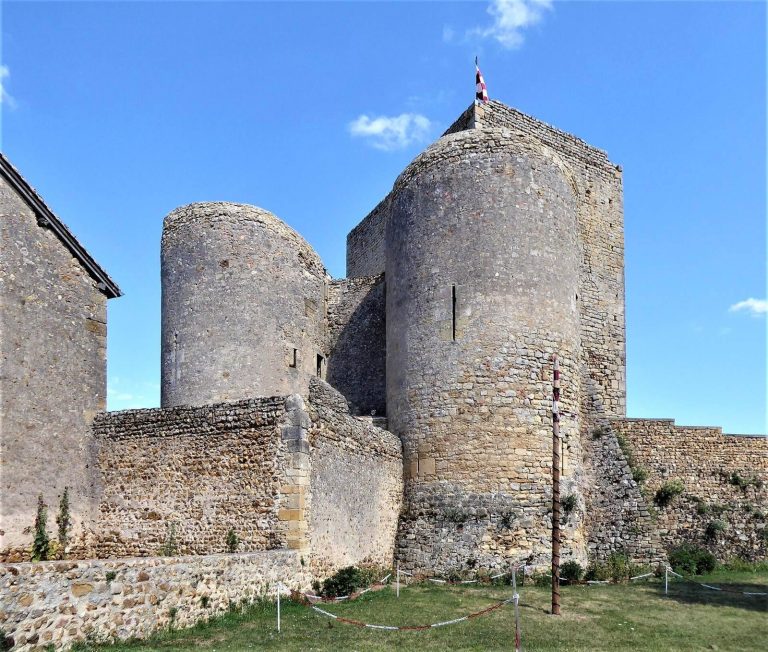
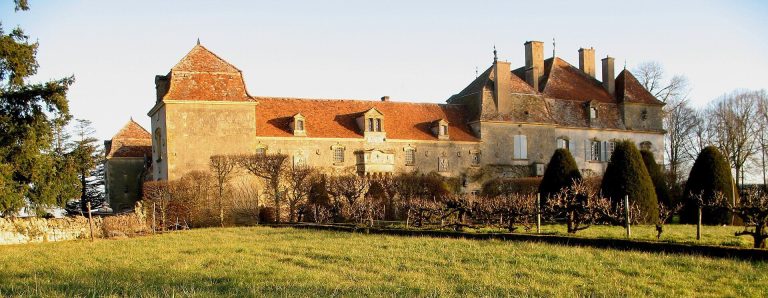
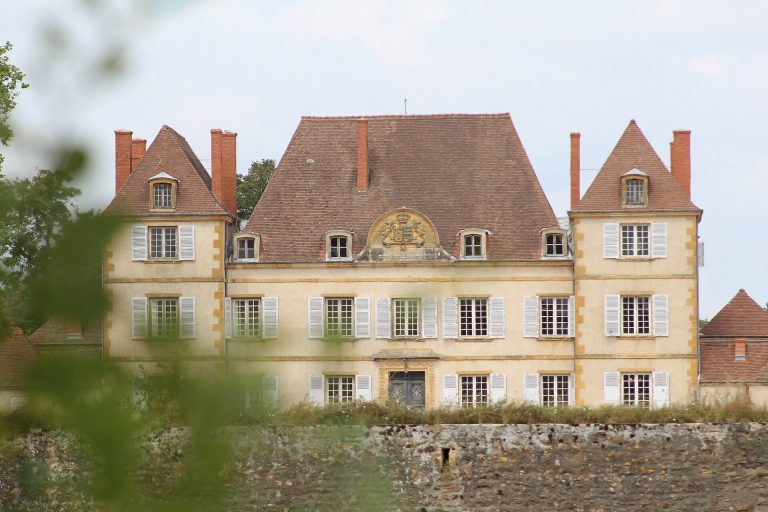
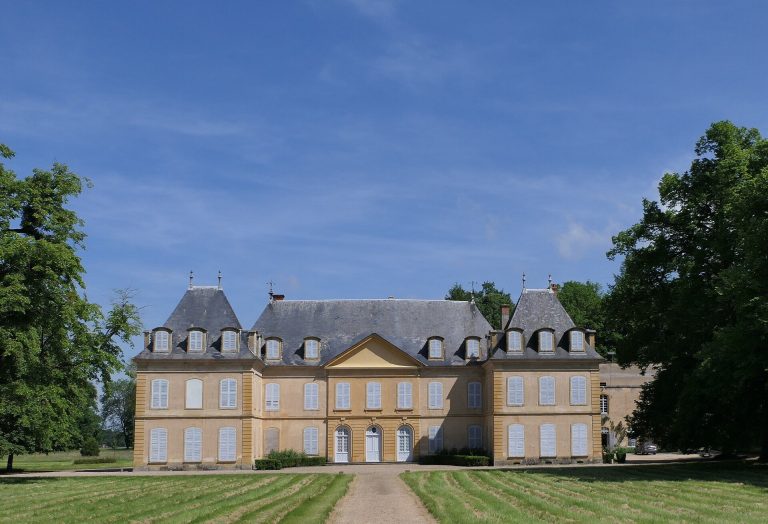
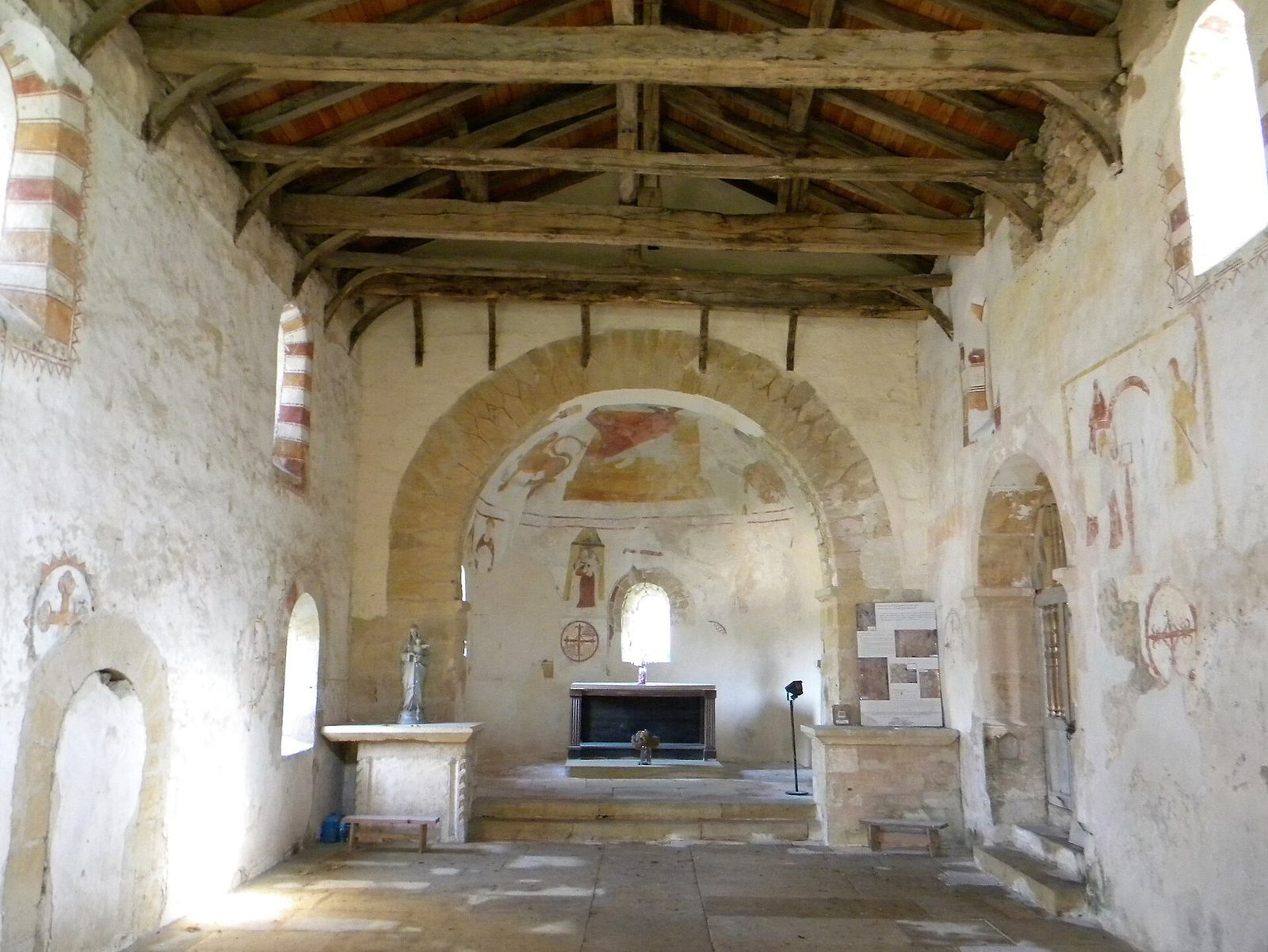
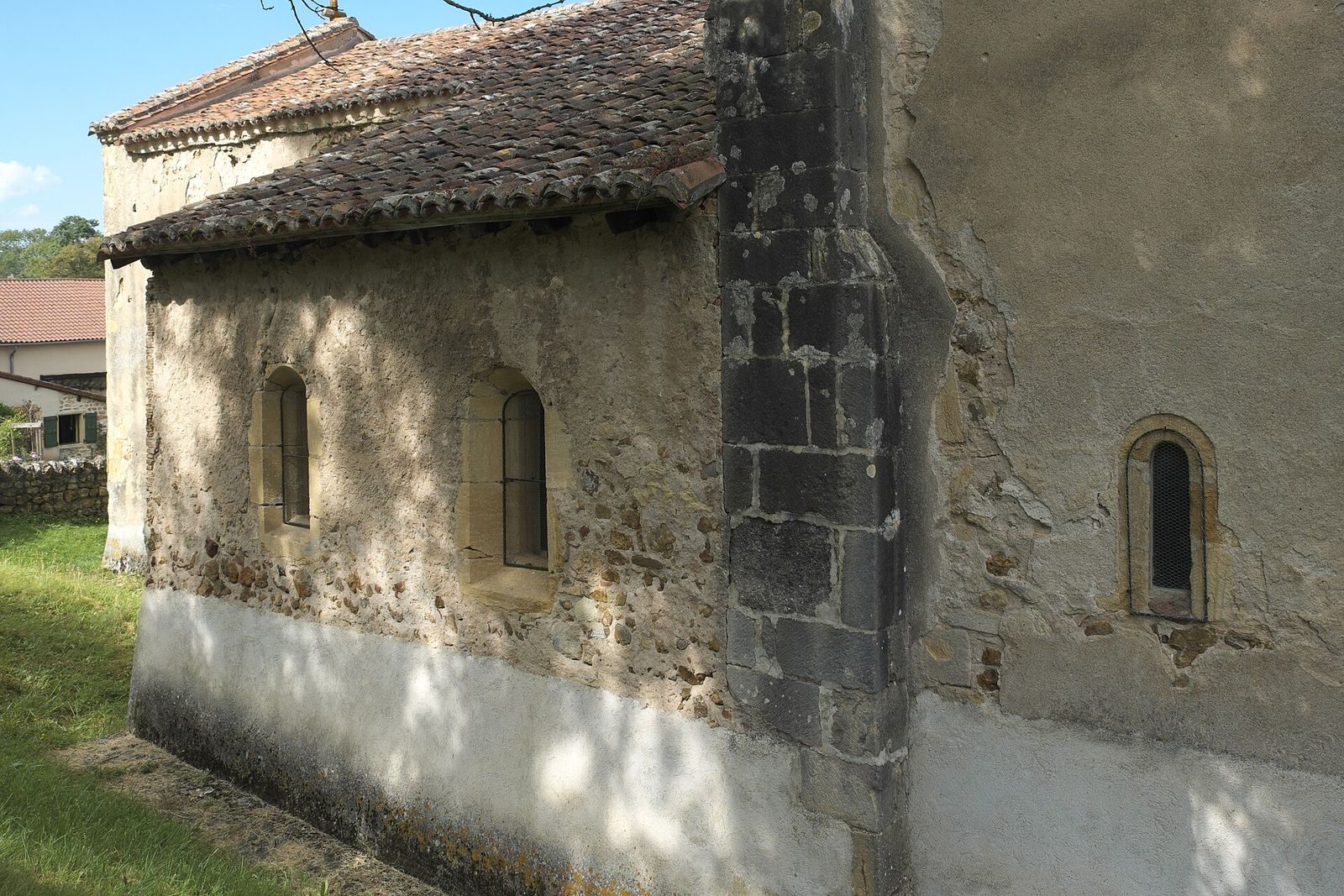
The chapel is a Romanesque structure with a single nave and an exposed roof structure. The nave opens through a rounded arch into the choir, which ends in a semicircular apse covered by a half-dome vault. The chapel stands on elevated ground between the historic center of Semur-en-Brionnais and Marcigny. Its setting includes views toward monuments in Semur-en-Brionnais, notably Saint-Hugues Castle and Saint-Hilaire Church, while the hamlet also contains Valley Castle.
Nave and choir
The choir apse contains a monumental image of Christ in Glory surrounded by the tetramorph, the symbolic group of the four Gospel Evangelists represented by a human or angelic figure, a lion, an ox, and an eagle. The paintings belong to two periods, the twelfth to thirteenth centuries and the Renaissance in the sixteenth century. Their survival in the choir reflects the successive decoration of the medieval chapel and its later transformation.
Bell tower and eastern addition
Detached bell tower
The bell tower stands south of the choir rather than above the main body of the church. This arrangement also occurs at the churches of Saint-Maurice-les-Chateauneuf and Saint-Martin-du-Lac. The tower has an open lower section, an upper stage pierced by openings, and a four-sided spire covered with slate.
Eastern side chapel
An apsidiole, or small side apse, was added east of the bell tower. The tower may have been built after the main church, and its small room may possibly have served as a chapel for the lords of Semur. That interpretation remains a possibility rather than a confirmed attribution.