Gjerpen Church: A Medieval Parish Church in Skien, Norway
Site at a Glance
- Rating
- 4.5
- Popularity
- Very Low
- Country
- Norway
- Primary era
- Medieval
- External website
- Open
- Eras represented
- Medieval, Early Modern, Modern
- Civilizations
- Danish, Norwegian
- Site type
- Religious
- Remains
- Church
On this page7 sections
History
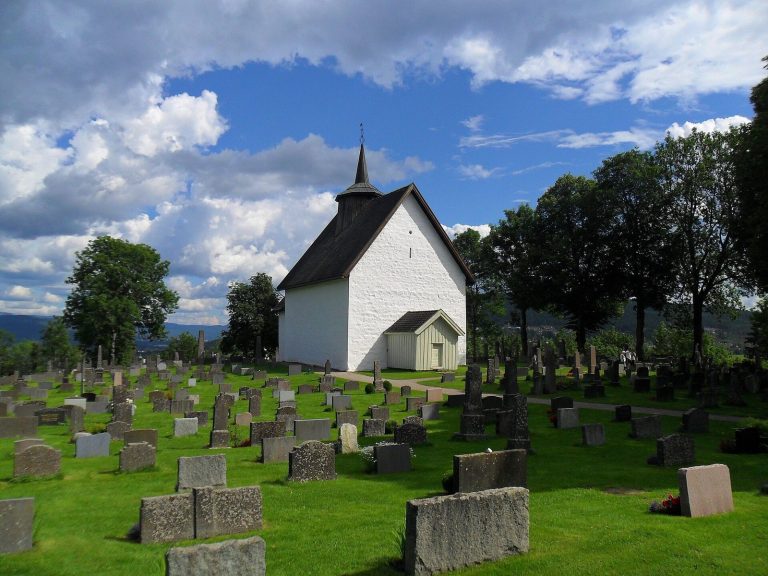
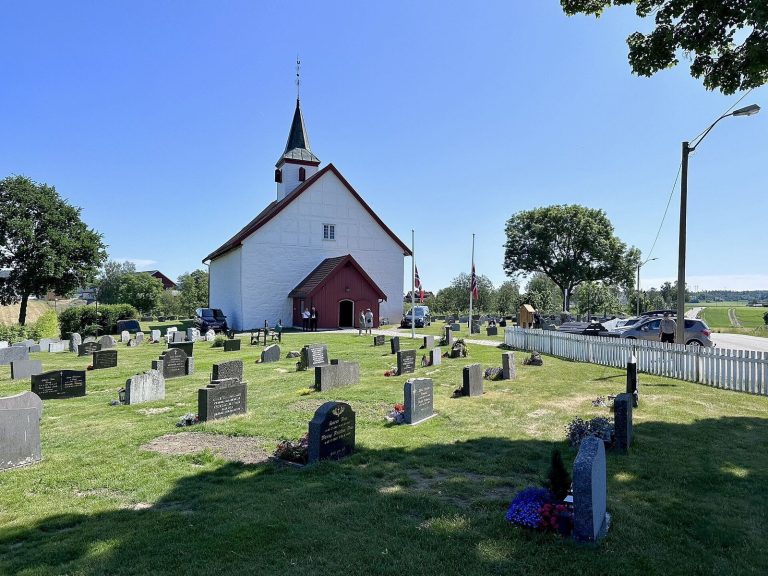
Gjerpen Church is an active parish church in Skien, Norway, belonging to the Evangelical Lutheran Church of Norway. It originated as a Romanesque stone church in the 12th century and is regarded as one of Norway’s oldest surviving churches, as well as one of the few medieval Norwegian buildings still in use.
Medieval origins
The church site has been occupied for more than 1,000 years. An eleventh-century wooden post church stood here before being demolished around 1150 and replaced by a stone church. That building was probably consecrated on 28 May 1153, or close to that date, and was dedicated to the apostles Saint Peter and Saint Paul. The earliest surviving written record of the church dates from 1398.
Constitutional history and later expansion
In 1814, Gjerpen Church served as an election church and polling station during Norway’s first national elections. The parish chose electors who later took part in selecting members of the Norwegian Constituent Assembly, the body that drafted and adopted Norway’s Constitution at Eidsvoll Manor later that year.
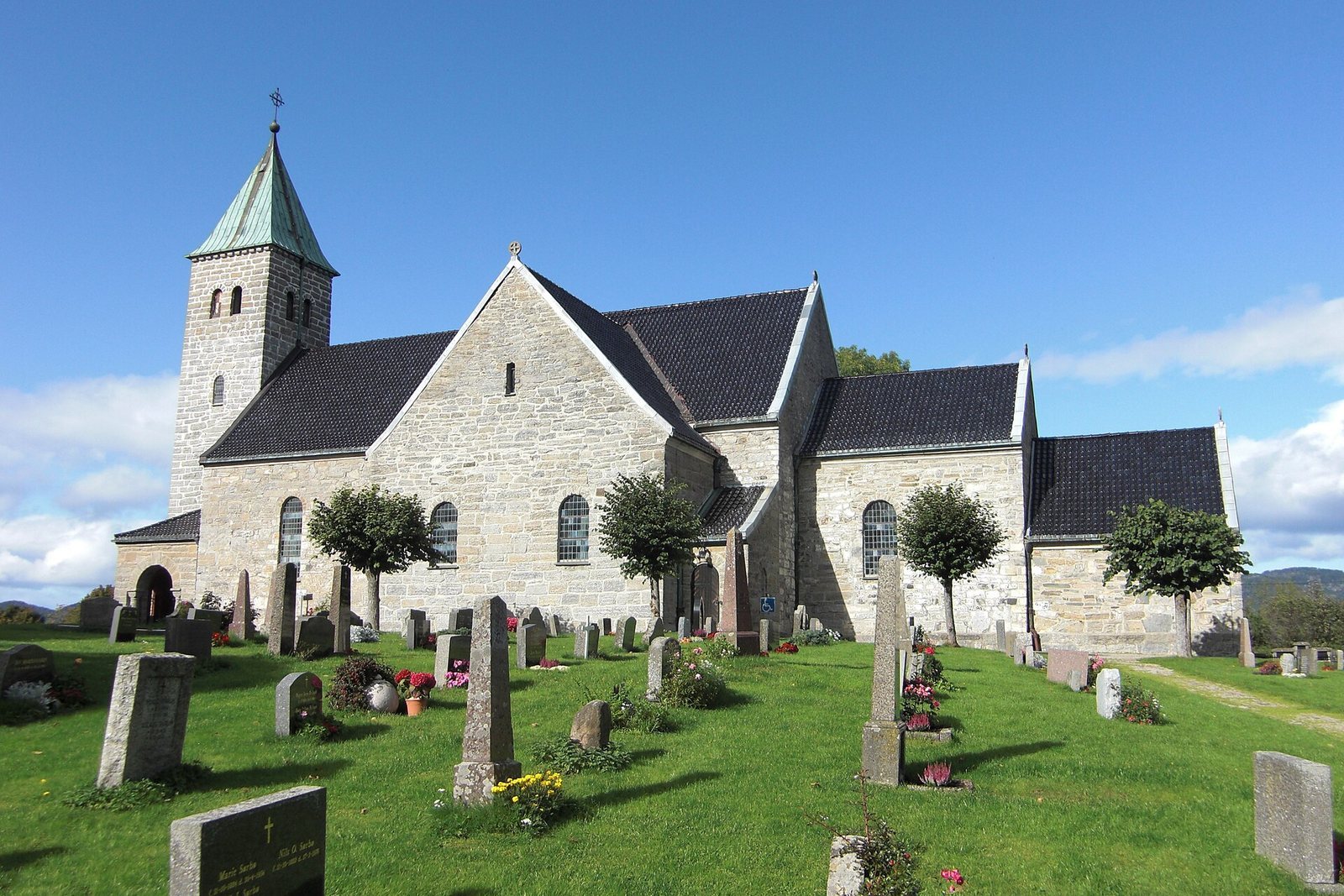
The building was enlarged in several stages. In 1781, the nave was extended westward by 10 metres, and the work included a new entrance and bell tower. From 1871 to 1873, architect Christian Christie directed a further enlargement. North and south transepts were added across the nave, giving the church a cruciform plan, and a taller tower was constructed.
Restoration, fire, and continued use
Harald Bødtker led a major renovation and restoration between 1919 and 1921. Emanuel Vigeland designed the interior scheme, which included a mosaic showing the return of the prodigal son, glass paintings, a pulpit, a baptismal font, benches, lamps, and a bronze relief made in the 1920s. The Løvenskiold family, which owned the church for several years, paid for these additions.
In 2002, the Norwegian Directorate for Cultural Heritage reported that moisture and mold damage required restoration. The church’s 850th anniversary was marked in 2003, but on 13 November that year arson caused severe interior damage and destroyed the organ. The building was subsequently restored and rebuilt, reopening in 2004. It is automatically protected as a Norwegian cultural heritage site under heritage identification number 84252.
Remains
Cruciform stone church
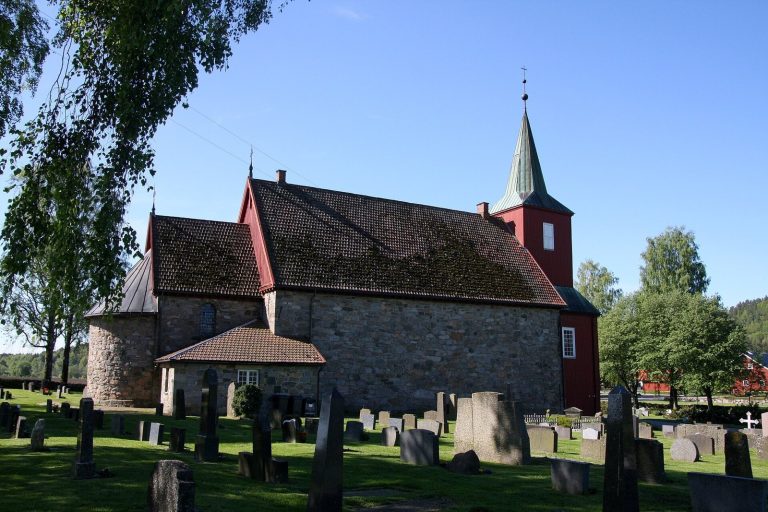
Gjerpen Church stands on the northeastern edge of Skien in the historic Gjerpen area. It is a tan stone building whose present cruciform layout incorporates the form of an earlier Romanesque long church. The medieval core consisted of a rectangular nave and a narrower rectangular chancel with an internal apse, a rounded or polygonal space projecting from the end of the church. The later westward extension added the entrance and bell tower, while the transepts and taller tower created the building’s current cross-shaped arrangement.
The church accommodates approximately 485 people according to one specification. Another description gives approximately 450 seats, with space for up to 600 people. A more modern chapel is used together with the historic church for ceremonies, and the graveyard remains in use and is maintained.
Interior furnishings and decoration
The interior scheme created during the early twentieth-century restoration includes Vigeland’s mosaic of the return of the prodigal son and glass paintings. The pulpit, baptismal font, benches, lamps, and bronze relief form part of the same later interior furnishing tradition. These elements remain associated with the restored church interior after the fire and subsequent rebuilding.