Michaeliskirche in Erfurt: A Historic University and Parish Church
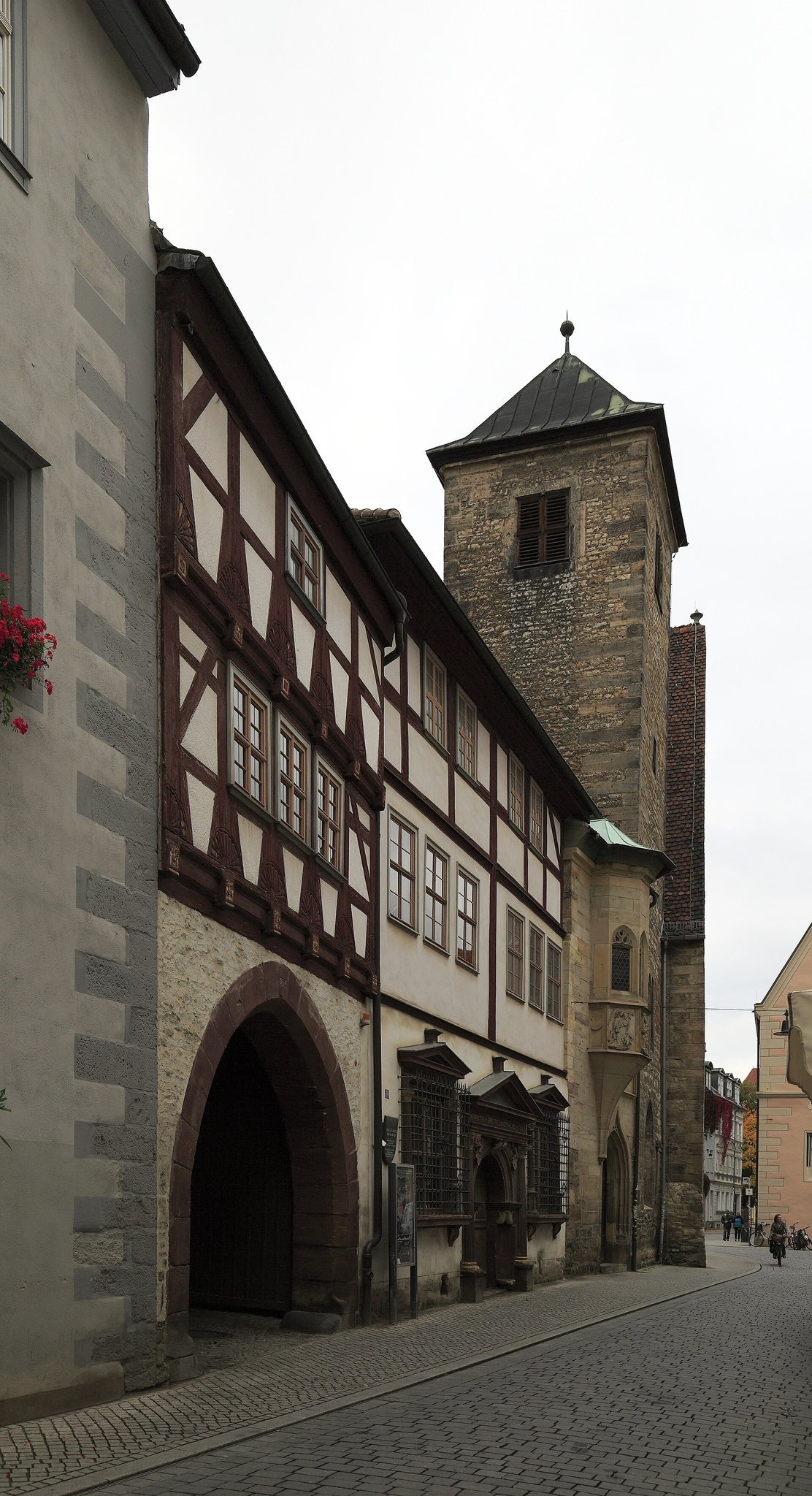
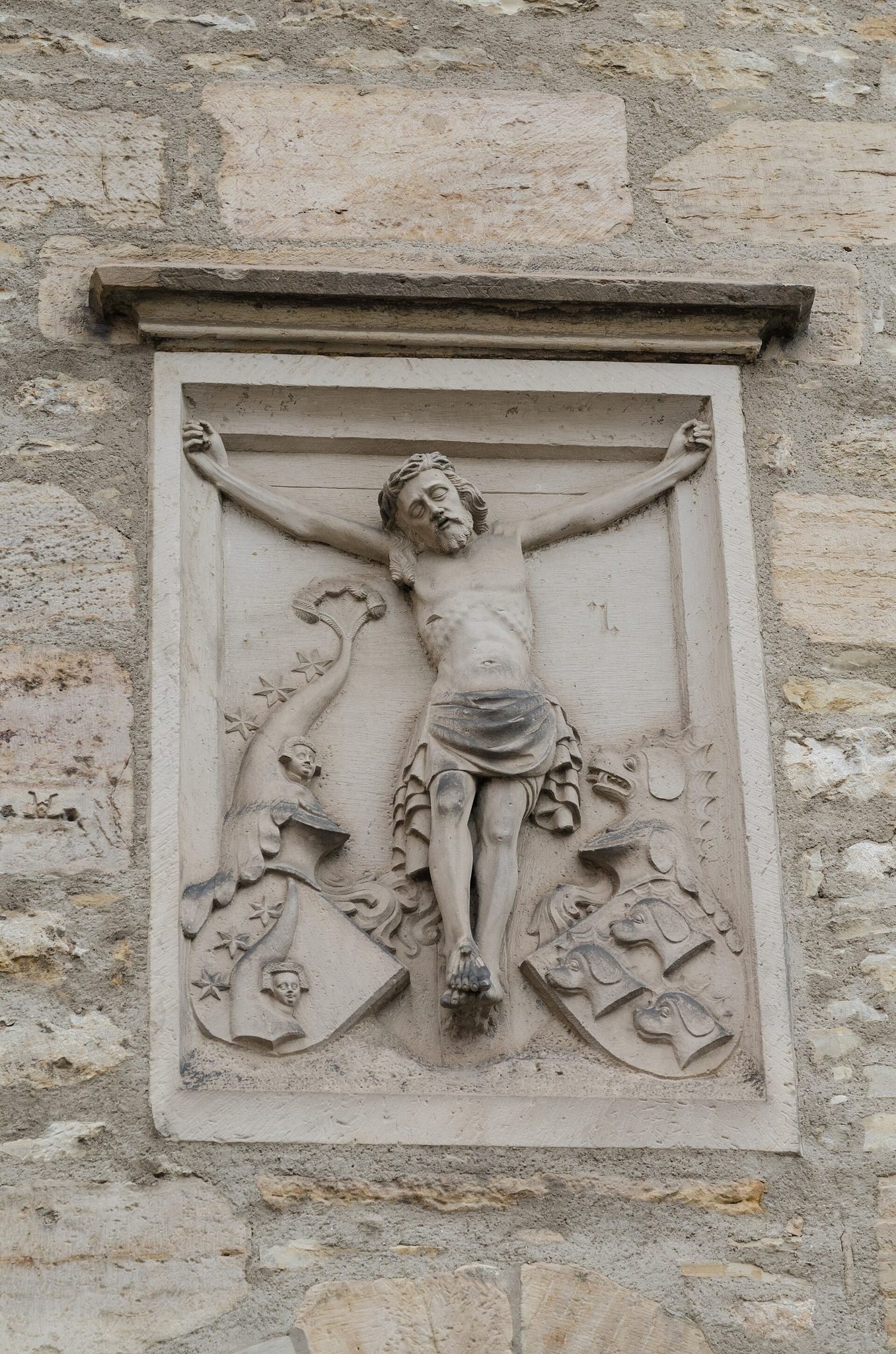
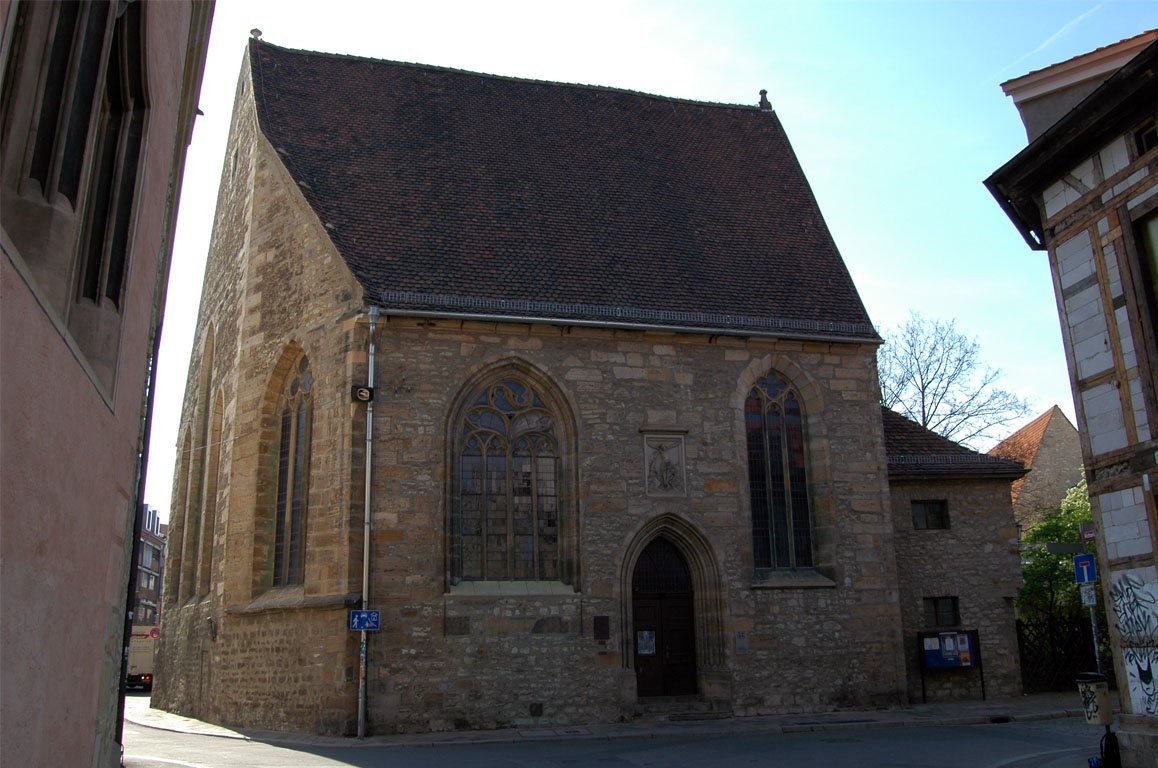
Site at a Glance
- Rating
- 4.7
- Popularity
- Very Low
- Country
- Germany
- Primary era
- Medieval
- Eras represented
- Medieval, Early Modern, Modern
- Civilizations
- German, Holy Roman Empire, Kingdom of Prussia
- Site type
- Religious
- Remains
- Church
On this page12 sections
History
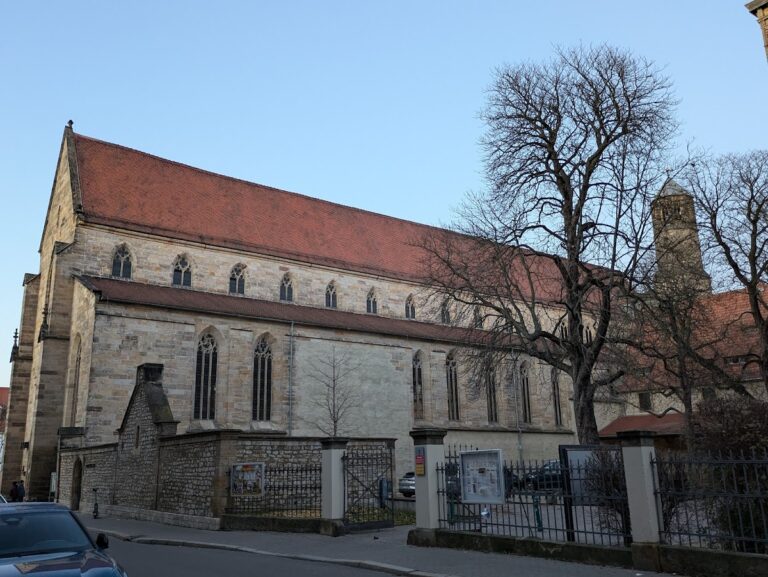
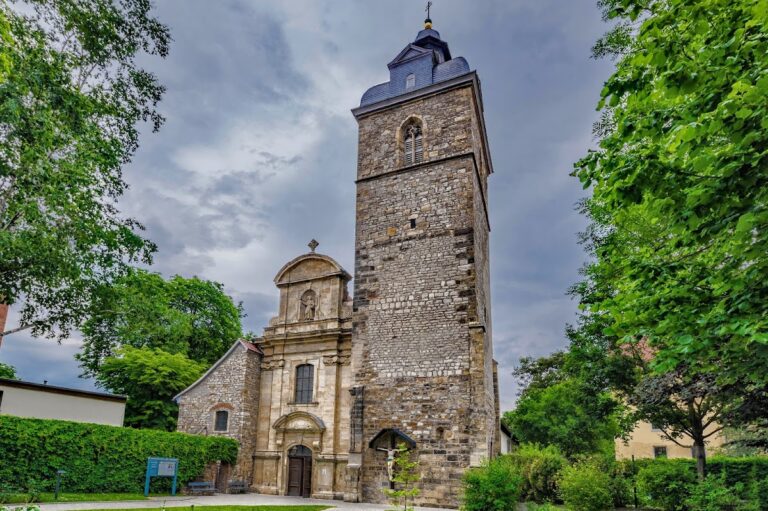
Michaeliskirche is a historic church in Germany whose present form combines late Romanesque, Gothic, and later Gothic Revival elements. A first church was built on the site around 1183 beside the Via Regia, the major medieval east-west route across central Europe, and next to Erfurt’s Jewish quarter. The building was founded by the patricians Walter Kerlinger and Dietrich Hotermann, together with Conrad Brun and Heinrich de Stalberg.
The medieval church and university
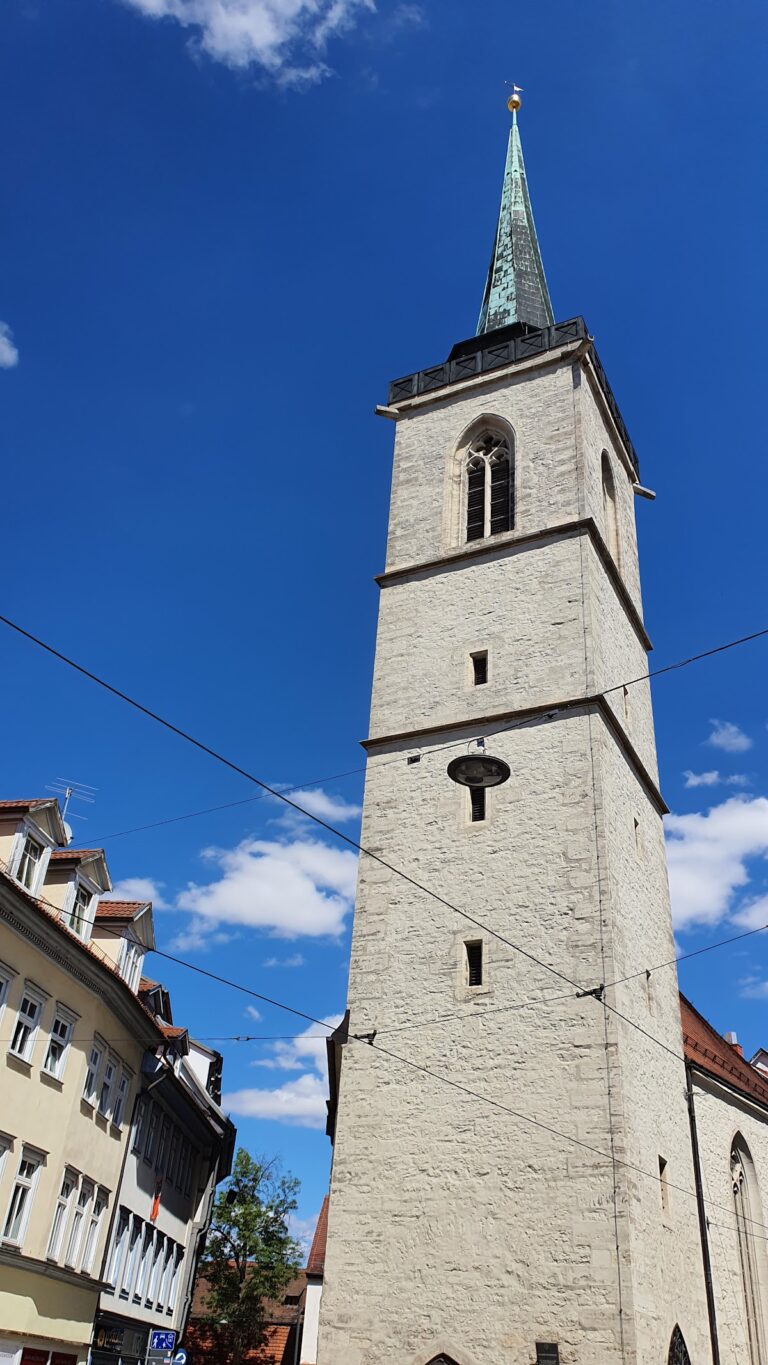
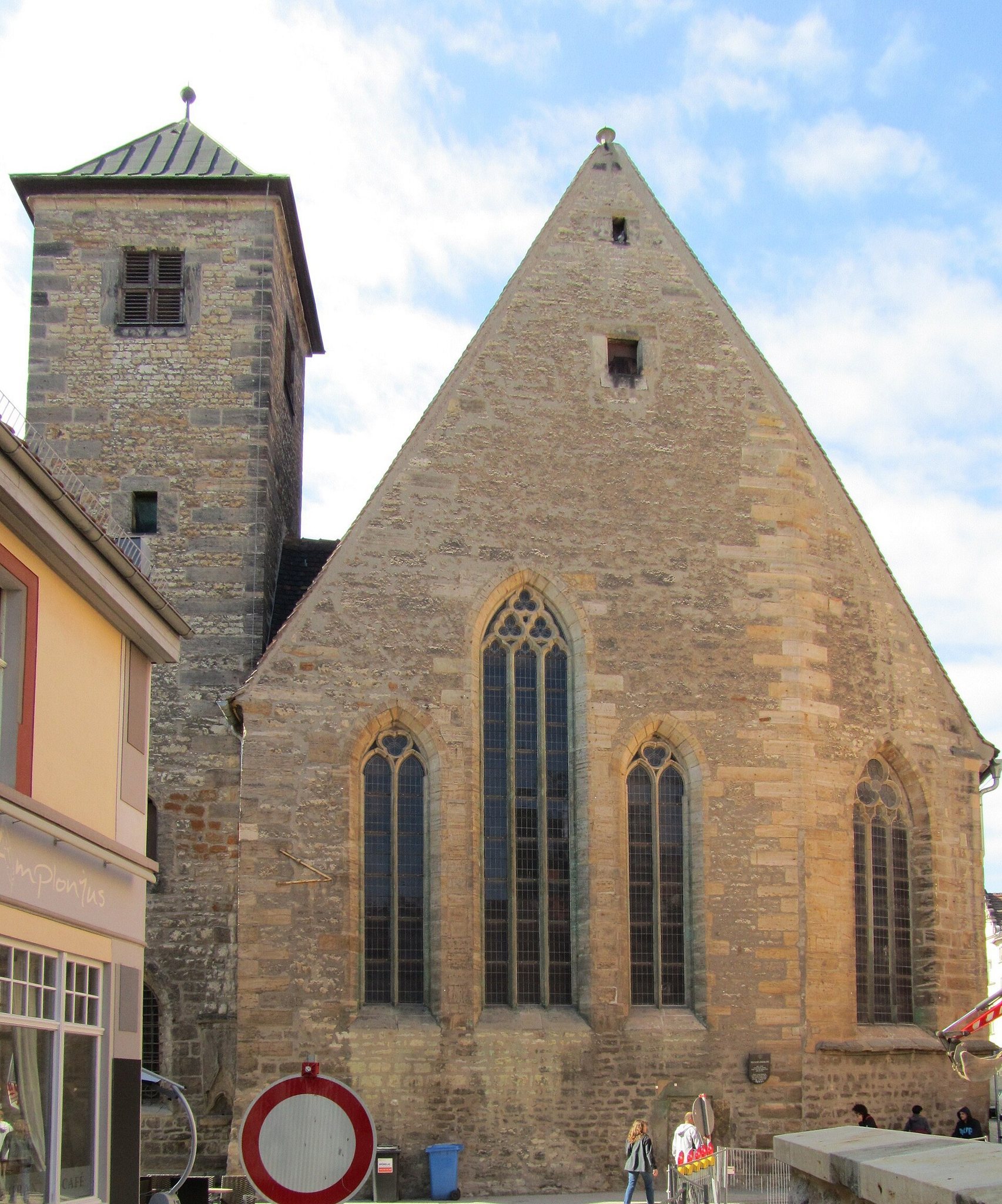
Between 1278 and 1290, during the long pastorate of Heinrich Bauso, a choirless Gothic hall was constructed. This hall became the central body of the present church, while the lower storeys of its tower retained elements of the earlier late Romanesque building. In 1392, Michaeliskirche became the university church of the University of Erfurt. Teaching buildings stood directly opposite, including the later Collegium Maius.
The church was enlarged in the fifteenth century. A northern side nave and galleries were added in 1451, and the Trinity Chapel was completed around 1500 through the patronage of Johannes Bonemilch von Lasphe. Bonemilch was pastor, theology professor, dean, university rector, and auxiliary bishop, and his connection with the church continued into the early Reformation.
Martin Luther and the Reformation
Martin Luther studied in Erfurt from 1501 to 1505 and regularly attended Mass at Michaeliskirche. Johannes Bonemilch ordained him as a priest in 1507, probably on 3 April. The church later became a setting for the Reformation in Erfurt: the city’s first Protestant sermon was preached there in 1521, and Luther preached in the church on 21 October 1522.
Johannes Lang, Luther’s close associate and a leading reformer in Erfurt, preached at Michaeliskirche from 1530. He was buried there in 1548. These associations place the church within the religious changes that helped initiate the Protestant Reformation.
Alterations, war damage, and changing use
The pointed barrel vault was renewed in 1681, followed by further overhaul work between 1742 and 1750. After the University of Erfurt closed in 1816, Michaeliskirche became a parish church. It was remodelled in the Gothic Revival style in 1819 and 1820, a nineteenth-century movement that revived medieval Gothic forms.
A west-side extension was added in 1928. At the same time, the Gothic Revival interior was removed and replaced with a New Objectivity design, a restrained twentieth-century German approach that emphasized functional forms. A United States Army Air Forces raid on Erfurt’s old town on 9 February 1945 severely damaged the roof and interior and badly affected the organ. The building was secured to prevent it becoming a ruin, and restoration carried out between 1958 and 1960 returned it to use. An epitaph for the council master Heinrich Ilgen, who died in 1633, was moved from the Predigerkirche and adopted as the altar retable.
Modern religious and civic history
Since 1973, Michaeliskirche has been administered by the Evangelische Stadtmission Erfurt. During the German Democratic Republic period, it hosted the 1987 exhibition City-appropriate Traffic, Traffic-appropriate City, which opposed a planned extension of the city ring road through Erfurt’s old town. Further exhibitions on the environmental themes Creation Element Water and Creation Element Air followed between 1987 and 1989.
Another exterior and interior renovation took place from 1989 to 1995. Michaeliskirche was redesignated as the University of Erfurt’s university church in 2002, and the first university service after that change was held in 2007. Since Pentecost 2007, the building has also served as a worship station for the Old Catholic Community of West Thuringia and Erfurt, which holds services there on the second and fourth Sundays of each month. The church belongs to the Evangelische Stadtmission Erfurt and is designated a cultural monument in Thuringia.
The organ
The church’s musical history includes several successive instruments. The earlier organ deteriorated after the organist and builder Balthasar Kühn suffered a fatal accident while repairing it in 1648. Ludwig Compenius then made a new organ using material from the older instrument and from the demolished Georgskirche. Completed in 1652, it helped establish Michaeliskirche as an important musical centre. The Wagner brothers renewed and enlarged the organ in 1753, and the Wilhelm Rühlmann company of Merseburg built a new pneumatic instrument in 1896, reusing only parts of the earlier organ. That instrument was moved to the present gallery and rebuilt in 1928. After wartime damage, the Rühle workshop of Moritzburg reconstructed it in 1999 and 2000.
Remains
Michaeliskirche preserves a layered building in which the late Romanesque lower tower, the choirless Gothic hall, later medieval additions, the 1928 west extension, and the renewed pointed barrel vault belong to different phases of construction and alteration. The surviving complex also includes the northern side nave, galleries, Trinity Chapel, tower, churchyard, altar retable, bell, and reconstructed organ.
Church structure and commemorative features
Church building
The lower storeys of the tower belong to the late Romanesque phase of the first church. The main body is the choirless Gothic hall built between 1278 and 1290. Its later form incorporates the northern side nave and galleries added in 1451, the Trinity Chapel completed around 1500, and the west-side extension of 1928. The pointed barrel vault was renewed in 1681. Within the church, the epitaph of Heinrich Ilgen serves as the altar retable.
Tower bell
The tower contains Katharina, Erfurt’s oldest bell, cast in 1380.
Churchyard monuments
The Michaelis churchyard contains 24 erected grave monuments dating from the seventeenth to the nineteenth centuries. They originated on the floor of the church and now form part of the churchyard’s surviving historical fabric. Two further historical gravestones date from the fifteenth and sixteenth centuries. The churchyard has been described as an especially notable example of late Gothic architecture.
Compenius organ
The reconstructed Compenius organ retains large parts of its original case and 27 painted façade pipes. It is tuned in meantone temperament at chorus pitch. Its couplers are II/I, operated with a sliding coupler, and I/P.