Michaelskirche: A Medieval Parish Church in Birkenfeld, Germany
Site at a Glance
- Rating
- 4.3
- Popularity
- Very Low
- Country
- Germany
- Primary era
- Modern
- Eras represented
- Medieval, Early Modern, Modern
- Civilizations
- Duchy of Württemberg, German, Holy Roman Empire
- Site type
- Religious
- Remains
- Church
On this page14 sections
History
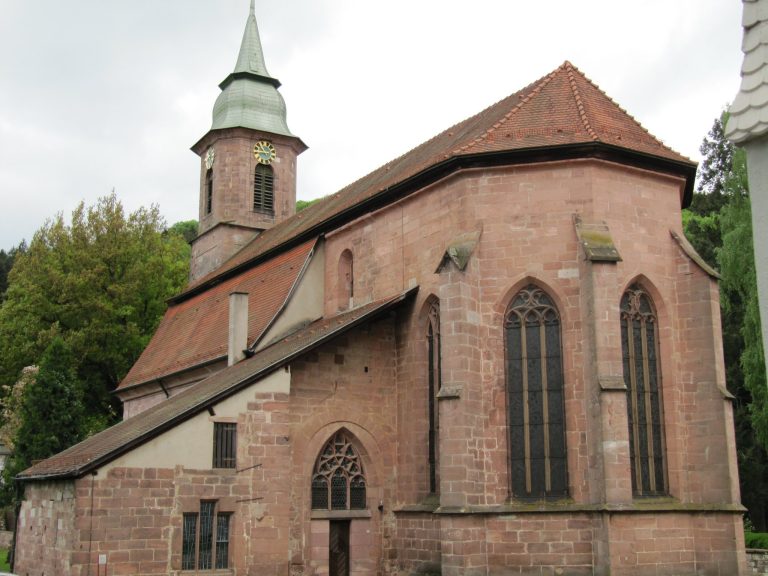
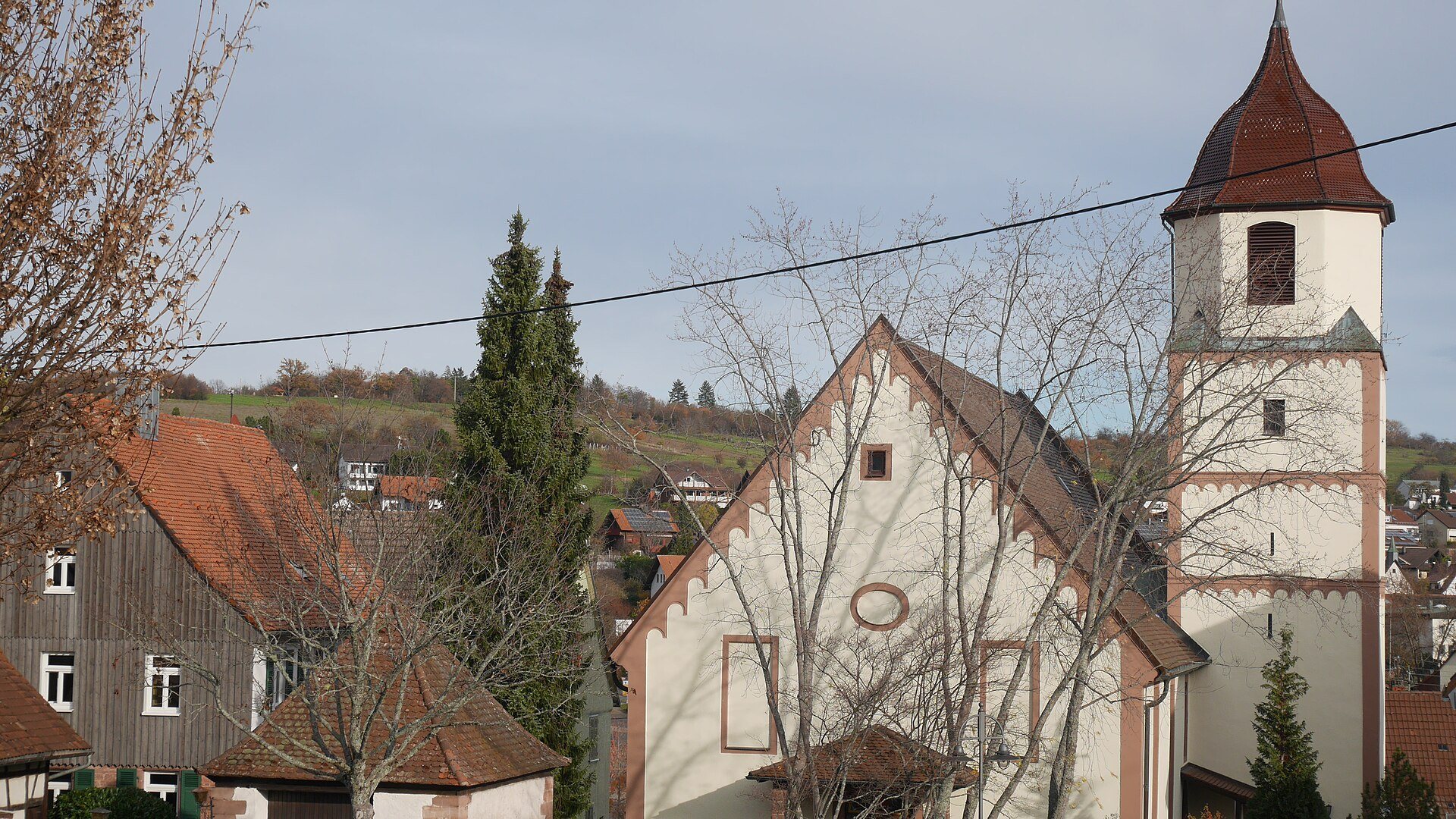
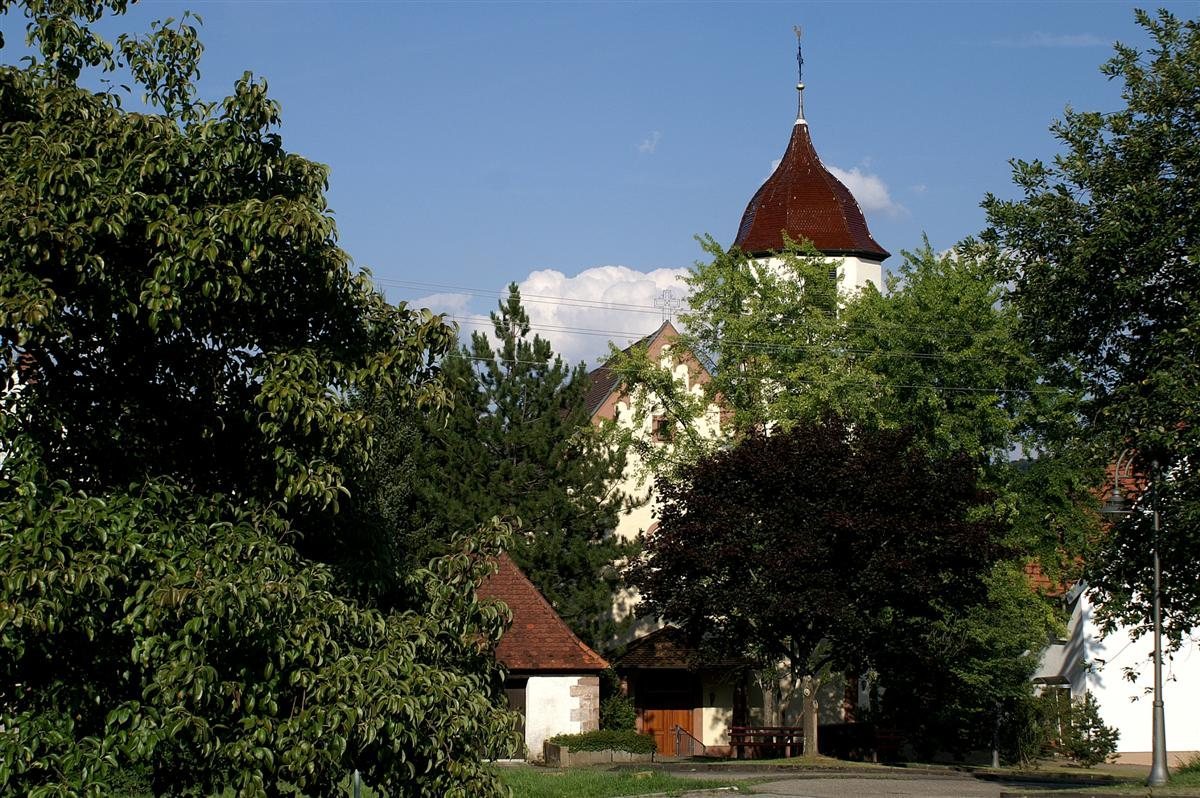
Michaelskirche is an evangelical church in Gräfenhausen, now a district of Birkenfeld, Germany. Its origins lie in the High Middle Ages, and its Romanesque tower dates from the twelfth century. A lost inscription, preserved through several historical documents, credited Ruprecht of Straubenhardt with founding the parish and building its first church in 1108. The parish became a mother church for a relatively large area extending southwest as far as Dobel.
Medieval origins
The twelfth-century tower was probably first constructed as a defensive tower, before becoming part of the church complex. Around 1300, a vaulted choir was built and later incorporated in part into successive church buildings. Sections of its south and east walls survived the major rebuildings of 1607 and 1745, allowing elements of the medieval structure to remain within the present church.
Rebuilding and musical furnishings
The church was rebuilt and enlarged in 1607. During the wars of the seventeenth century, its bells were stolen in 1682. An organ was installed in 1724, followed by another rebuilding in 1743. The work proved defective because the walls could not permanently carry the roof structure, so extensive corrections were undertaken in 1744.
In 1778, Johannes Weinmar of Bondorf built a new organ. He also rebuilt the former instrument, which was later transferred to the Remigius Church in Mühlen am Neckar. In 1791, the church council’s master builder Goez repaired the deteriorated roof structure and renewed the tower’s bell chamber. The galleries were enlarged, and covered outside stairways leading to them were added on the south and north sides.
The nineteenth and twentieth centuries
A fundamental rebuilding in 1823 chiefly addressed defects in the roof and ceiling construction and brought the church into its present structural form. The major renovation of 1972 to 1974 shortened and reduced the older galleries, recovered grave slabs from the church floor, and placed them against the walls. The work also rediscovered and restored valuable Gothic frescoes in the choir.
The 1778 Baroque organ, an instrument built in the musical and architectural tradition of the Baroque period, was comprehensively restored, reinstated, and enlarged in 1995. Its pipes, mechanism, and case were included in the restoration. The present bells combine an older survivor with three postwar instruments. The Peace Bell was cast in 1767, while the other three bells were made in 1949 to replace older bells surrendered during the world wars.
Remains
Medieval structure
Romanesque tower
The church’s medieval fabric includes the twelfth-century tower and parts of the south and east walls belonging to the vaulted choir built around 1300. The tower’s original entrance is about six metres above ground level and opens into the roof space of the nave. Its elevated position reflects the tower’s probable early defensive function and remains a distinctive feature of the building.
Vaulted choir
The choir preserves sections of its medieval south and east walls within the later church. Its surviving fabric provides the setting for late-medieval wall paintings and for the former choir floor, from which several grave slabs were recovered during the twentieth-century renovation.
Choir paintings
The choir contains a narrative cycle of Apostles and Prophets based on the Creed. On the east wall, standing apostles are accompanied by individual articles of the creed written in Latin on curved scrolls. Fully preserved figures include Saint Matthew, an apostle carrying an axe, and Saint Matthias. Above them are half-length prophets identified as Joel, Malachi, Moses, Daniel, and another figure whose name can no longer be read.
Higher on the walls, scenes from the Passion of Christ, meaning the suffering and death of Jesus, include a fragmentary Entry into Jerusalem, a fragmentary Washing of the Feet, and the Prayer in the Garden of Gethsemane. The cycle continues on the south wall with Christ before Pilate. Only fragments remain of the Crowning with Thorns, while the Entombment and Resurrection survive as preparatory underdrawings. The Resurrection is the Christian image of Christ rising from the dead.
Beside the sacrament niche, a small recess used for the liturgical storage or display of the Eucharist, Christ is shown in the realm of the dead leading Adam and Eve from death into life. The well-preserved Crucifixion on the south wall includes Mary, John, and Mary Magdalene and dates from after the 1607 rebuilding. The rediscovered choir frescoes are generally dated to approximately 1440 to 1630 and include scenes from both the Old and New Testaments.
Furnishings and reused stone
Roman spolia
Several Roman motif stones are built into the church as spolia, architectural or sculptural elements reused in a later building. They include a stone depicting Hercules with a club, a piece probably taken from a Roman giant column and showing Minerva, and another reused stone incorporated into the east pier.
Baptismal font
The present baptismal font is a late-Gothic work dating from about 1500. Its decoration uses fish-bladder tracery, a flowing pattern of flame-like curved shapes. An octagonal probable predecessor was temporarily used as a flower planter before being rediscovered and returned to the church.
Organ and bells
The 1778 organ by Johannes Weinmar retains its historic pipes, mechanism, and case following the comprehensive restoration and enlargement of 1995. The Peace Bell, cast in 1767 by Christian Ludwig Neubert in Ludwigsburg, weighs 650 kilograms, measures 1,060 millimetres in diameter, and has a striking note of G-sharp. Its decoration includes interlace work, rocaille motifs, and round mouldings. An inscription on its flank names the founder, the casting year, and contemporary Gräfenhausen dignitaries.
The three bells cast in 1949 by Heinrich Kurtz in Stuttgart weigh 231, 326, and 1,166 kilograms. Together with the Peace Bell, they represent the present bell group, following the replacement of older bells surrendered during the world wars.
Grave slabs
The recovered grave slabs are displayed along the side walls. One commemorates Chaplain Jodocus Hußner, who died on 18 August 1515 or 1518. It was later reused for Abraham Sautter, a Gräfenhausen pastor from Tübingen who died on 12 December 1758. The major church renovation of 1745 took place during Sautter’s tenure.
Another slab commemorates former local lords and founders of the parish, including a member of the Schöner von Straubenhardt family who died in 1544. The stone bears the heraldic shields of the Schöner von Straubenhardt and Seldeneck families, connecting the surviving memorials with the medieval foundation traditions of the parish.