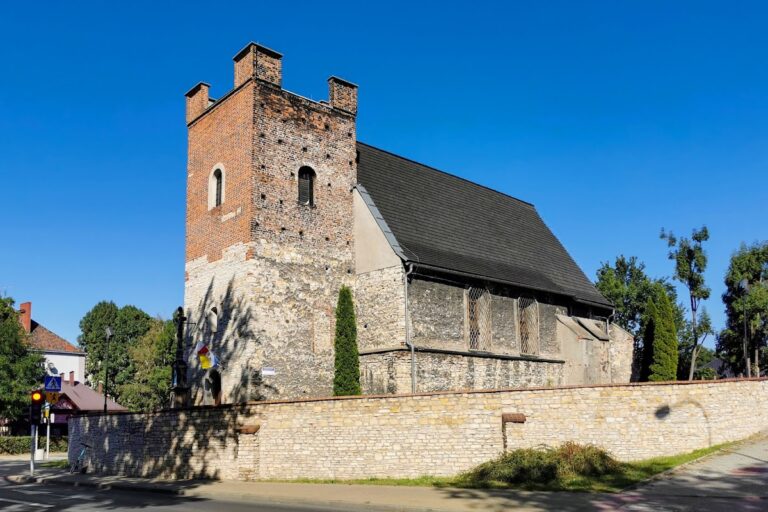
Ruda Śląska Castle: A Medieval Castle and Neo-Gothic Palace


Site at a Glance
- Rating
- 4.3
- Popularity
- Low
- Country
- Poland
- Primary era
- Medieval
- External website
- Open
- Eras represented
- Medieval, Early Modern, Modern
- Civilizations
- German, Holy Roman Empire
- Site type
- Military
- Remains
- Castle
On this page6 sections
History
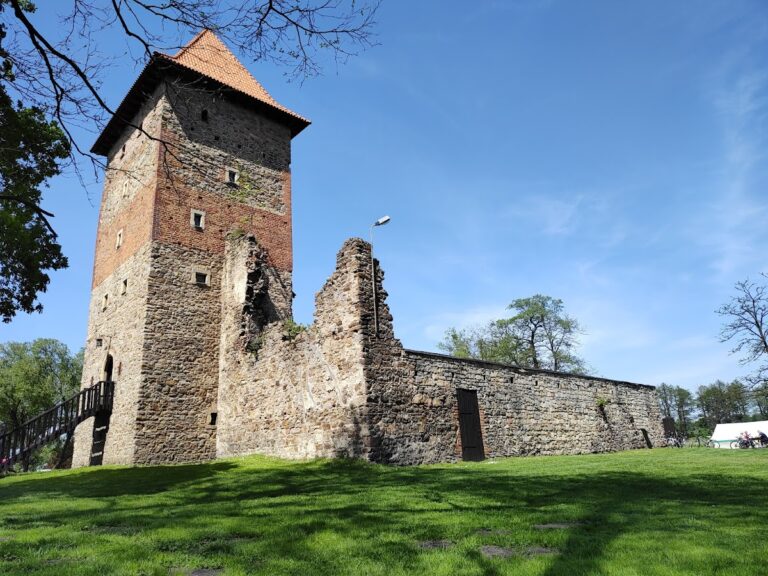
Ruda Śląska Castle is a ruined medieval castle in Poland, probably built by the Rudzki family in the late fourteenth century. Members of that family are recorded as its owners in 1401, and the castle was mentioned again in 1497. The complex later developed into a small palace and was remodelled in the Neo-Gothic style, a nineteenth-century revival of medieval Gothic forms.
Medieval origins and early owners
The castle probably originated as a residence of the Rudzki family. From 1543, it probably belonged to Jan Gierałtowski, who also owned Chudów Castle. These early ownership records place the complex within the changing network of noble estates in the region.
A local tradition attributes the castle to the Knights Templar, a medieval Catholic military-religious order associated with protecting pilgrims and with military and financial activity. This connection remains a legend rather than an established historical fact.
Destruction and transformation
The Thirty Years’ War, a European conflict fought from 1618 to 1648 amid political and religious struggles in and around the Holy Roman Empire, brought destruction to the castle in the first half of the seventeenth century. A document from 1665 already described the building as dilapidated.
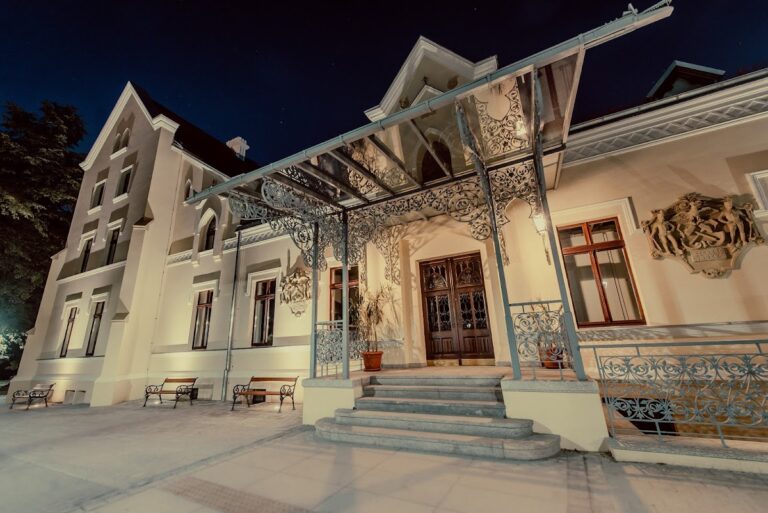
Rebuilding took place gradually in the following years, changing the former castle into a small palace. A chapel within the building was in use in 1754. During the nineteenth century, the palace was remodelled in the Neo-Gothic style and remained in that form until the Second World War. The Ballestrem family also owned the property during its later history.
Destruction and modern preservation efforts
In 1945, during the final phase of the Second World War, Red Army soldiers burned the building. The Red Army was the armed force of the Soviet Union, whose soldiers entered much of Central Europe during the war’s closing stages. The castle was then abandoned and left unrepaired, eventually becoming a ruin.
On 30 December 2009, the city transferred the castle and the nearby house associated with Karol Godula to the Chudów Castle Foundation. Godula was a nineteenth-century Silesian industrialist linked with the region’s industrial development. The foundation planned to revive the complex through renovation and public access, beginning with archaeological work because original building plans had not survived. It also considered the possibility of rebuilding the complex, while an earlier Karol Godula Foundation had attempted to prepare initial plans.
Remains
Surviving fabric
The ruins stand in Ruda, a district of Ruda Śląska, near Wiktora Bujoczka Street. Surviving fragments of the castle’s stone walls reach up to 3 metres in thickness, providing physical evidence of the complex’s medieval origin. The building’s later development from castle to small palace, followed by its nineteenth-century Neo-Gothic remodelling, is reflected in the layered history of the ruin. The grounds remained overgrown with shrubs and trees for many years, while the surviving fabric deteriorated after the 1945 fire and subsequent abandonment.
A chapel functioned within the building in 1754, when the complex had already become a palace. The site’s physical history therefore includes both the defensive medieval structure and its later residential and religious use. Archaeological work was planned to clarify the remains and guide the proposed renovation of the complex.