Yoka Shrine: A Historic Shinto Shrine in Saga, Japan


Site at a Glance
- Rating
- 4.2
- Popularity
- Low
- Country
- Japan
- Primary era
- Early Modern
- External website
- Open
- Eras represented
- Medieval, Early Modern
- Civilizations
- Tokugawa
- Site type
- Religious
- Remains
- Sanctuary
On this page11 sections
History
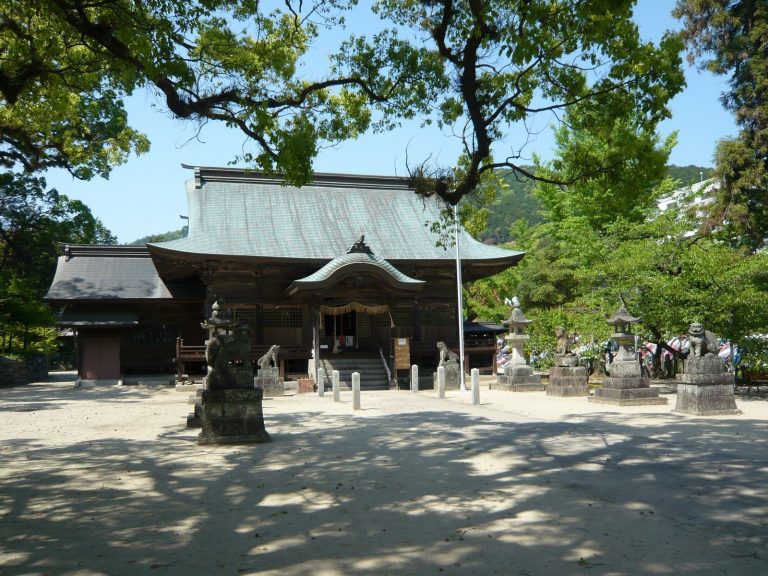
Yoka Shrine is a Shinto shrine in Japan, located in Saga, whose foundation tradition places its establishment in 564 during the reign of Emperor Kinmei, a traditional emperor conventionally associated with sixth-century Japan. It is thought to have begun as a tutelary shrine for land development, and its main sanctuary is a five-bay building in the nagare-zukuri, or flowing-style, tradition, with a curved roof projecting over the entrance.
Foundation and Medieval Development
One tradition traces the shrine to the transfer of Tsukahara Daimyojin from Ozu West District. It was first known as Ashihara Daimyojin, then received the divine title Yodohime Daimyojin from the imperial court and became a place where prayers were offered for the imperial house. During the Kamakura period, an era conventionally dated from the late twelfth to the fourteenth century, Yoka Shrine was regarded as the guardian shrine of Yoka Estate.
Tradition holds that Hōjō Yoshitoki reconstructed the sanctuary in 1212. Hōjō regents were hereditary military officials who exercised effective authority over the Kamakura shogunate in the shogun’s name. In 1245, the regent Hōjō Tsunetoki is said to have established the shrine’s ritual forms by imperial order. A record from 1251 names Sōni Sukeyoshi, then the jitō, or medieval estate steward responsible for local administration and revenue collection, as the donor of a large temple bell.
The Sōni, Ryūzōji, and Nabeshima Periods
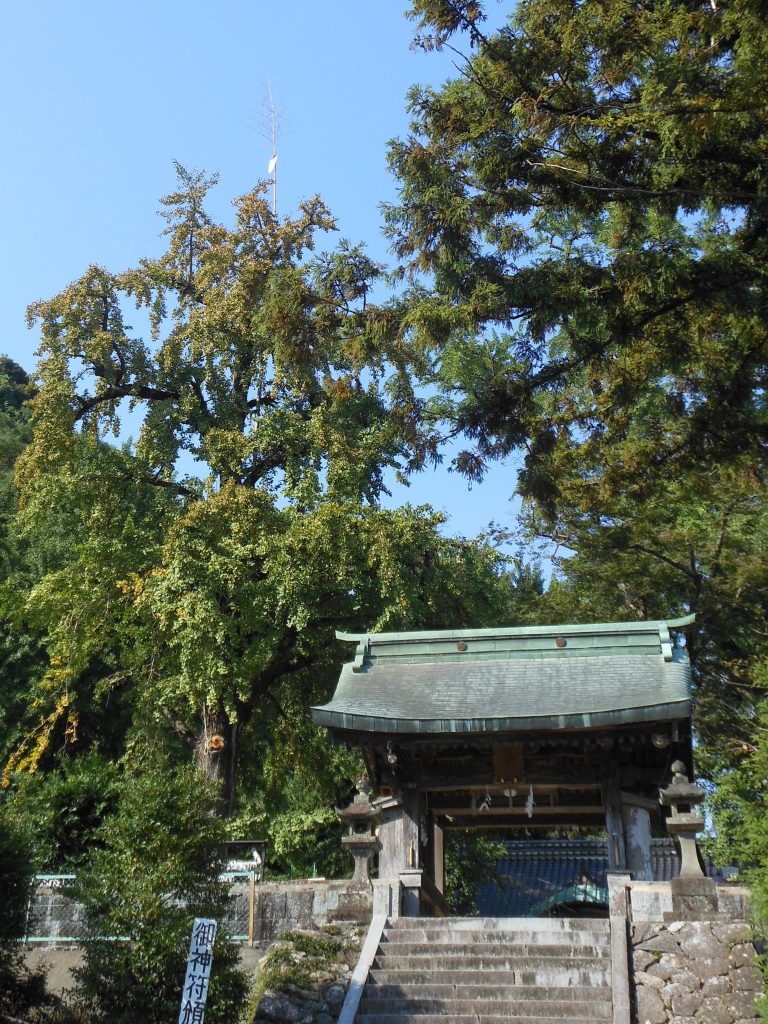
In 1482, Sōni Masasuke fled to the area after his defeat by the Ōuchi clan. His father, Sōni Noriyori, had formerly maintained a residence there. Masasuke built Yoka Castle, repaired the shrine, and made it the castle’s guardian on the northeast, a direction traditionally associated with protection from misfortune. The two-story gate erected during this rebuilding is regarded as one of the earliest surviving buildings of its type in Saga Prefecture.
After the Sōni clan declined, the ruling Ryūzōji and Nabeshima warrior houses continued to support and worship at the shrine. Nabeshima Naoshige prayed there for success and safety during the Japanese invasions of Korea. After returning safely, he donated a sanctuary, worship hall, portable shrine, and other objects in thanksgiving. Nabeshima Katsushige, the first lord of the Saga domain, supplied 120 laborers each year to clean the shrine and granted it an estate allotment assessed at 65 koku and 5 to of rice. The shrine’s rank within the system of divine titles was raised to the highest level in 1513.
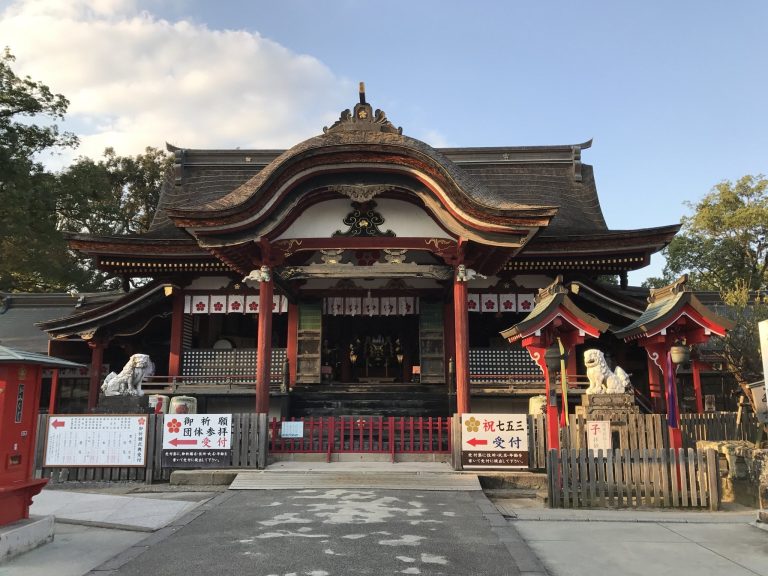
The present main sanctuary and worship hall were constructed in 1758 by the father-and-son rulers Nabeshima Munenori and Nabeshima Shigemochi. Yoka Shrine’s principal deity is Yodohime no Kami, identified by the shrine with Toyotamahime no Mikoto. She is presented as the daughter of a sea deity, a princess of the Dragon Palace, and the grandmother of Emperor Jimmu. In this tradition, the two names refer to the same Shinto deity, who is associated with the sea and with the imperial line.
Associated Shrines and Continuing Observances
Saga Ebisu Shrine began in 1904, when local volunteers received and enshrined a divided spirit from Nishinomiya Shrine in Hyōgo Prefecture. Its Tōka Ebisu Grand Festival takes place on January 9 and 10 and forms part of Saga’s Ebisu-centered community identity. Sōni Shrine was established in 1952 after repairs to the important cultural-property gate. It enshrines Sōni Masasuke in memory of his role in the shrine’s revival and local development, and a Sōni Festival is held annually on May 30.
The principal annual observance is the Okunchi festival, held on the fourth Sunday of October. Other major rites include the spring festival and prayer-for-the-year rite on April 19, the summer festival and summer purification rite on July 29, the Tanabata Festival on August 7, and the Niiname Festival on December 6. The Niiname Festival is a Shinto harvest thanksgiving rite associated with offerings of newly harvested rice.
Yoka Shrine is a former prefectural shrine. Its precinct, subsidiary shrines, old trees, guardian statues, stone lanterns, and other stonework are collectively designated as important buildings and structures under Saga City’s Urban Landscape Ordinance. The two-story gate, third torii, and stone bridge hold national Important Cultural Property status. The hanging scroll Tanabata Star Festival Picture was restored through a Sumitomo Foundation cultural-property maintenance and restoration grant, with the work completed in 2015.
Remains
Yoka Shrine is organized along Hacchō Baba, a shrine approach extending for more than 1,000 meters. Three Hizen torii stand along its length. Hizen torii are a regional form associated with the former Hizen area, now principally Saga and Nagasaki prefectures. The approach leads toward the shrine precinct, where the main shrine stands with Saga Ebisu Shrine and Sōni Shrine, old trees, guardian statues, stone lanterns, and other stone objects.
Approach and Entrance Structures
Third Torii and Stone Bridge
The third torii is a stone myōjin torii, a gateway whose upper lintel curves gently. It is regarded as an early example of the Hizen torii type and bears the inscription “Saga Estate, Senior First Rank, Yodohime Daimyojin.” Nabeshima Naoshige’s wife, known as Yōtai-in, donated it. Beyond the torii, a stone arched bridge crosses a small stream. The bridge has six supports formed from eighteen posts, ten finials, and a balustrade. Its finials carry an inscription dated 1606. The torii and bridge were dedicated to celebrate Naoshige’s safe return from the invasions of Korea and display regional characteristics of the Momoyama period, the late-sixteenth-century era known for distinctive regional and elite architectural forms.
Two-Story Gate
The vermilion-painted two-story gate stands beyond the front torii. It was constructed during Sōni Masasuke’s rebuilding of the shrine in 1482 and is regarded as one of the earliest buildings of this type in Saga Prefecture. Its repair was commemorated by the establishment of Sōni Shrine in 1952.
Main Shrine and Treasures
Main Sanctuary
The main sanctuary is a five-bay nagare-zukuri structure. This style is characterized by a curved, projecting front roof over the entrance. Together with the worship hall, it belongs to the rebuilding undertaken in 1758 by Nabeshima Munenori and Nabeshima Shigemochi.
Painted Scroll and Wooden Plaque
The shrine’s treasures include the Tanabata Star Festival Picture, a hanging scroll made in the early Edo period by Ohara Yūkansai, an official painter of the Saga domain. The Edo period followed the Momoyama period and lasted from the early seventeenth to the mid-nineteenth century. The scroll is displayed in the sanctuary during the August 7 Tanabata rite. Another treasure is a wooden plaque made by Soejima Taneomi.