Whitestaunton Manor: A Fifteenth-Century Hall House
Site at a Glance
- Popularity
- Medium
- Country
- United Kingdom
- Primary era
- Medieval
- Eras represented
- Classical, Medieval, Early Modern
- Civilizations
- English, Roman
- Site type
- Domestic
- Remains
- Manor House
On this page8 sections
History
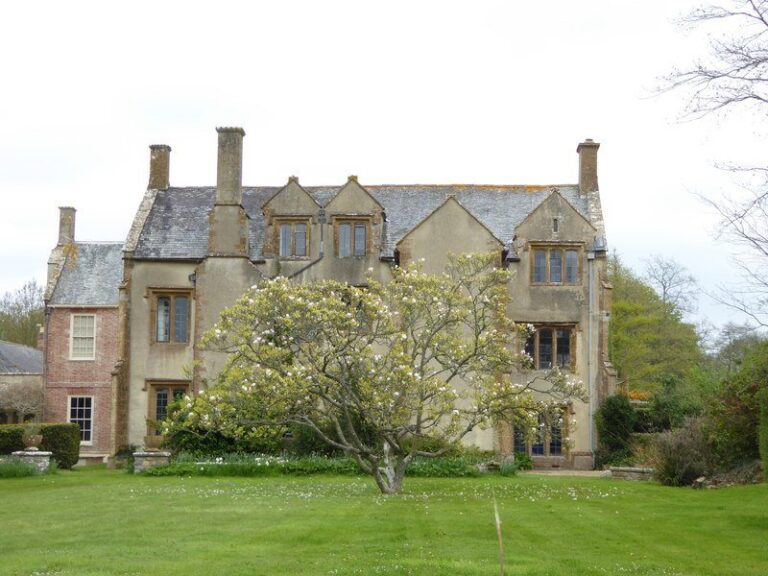
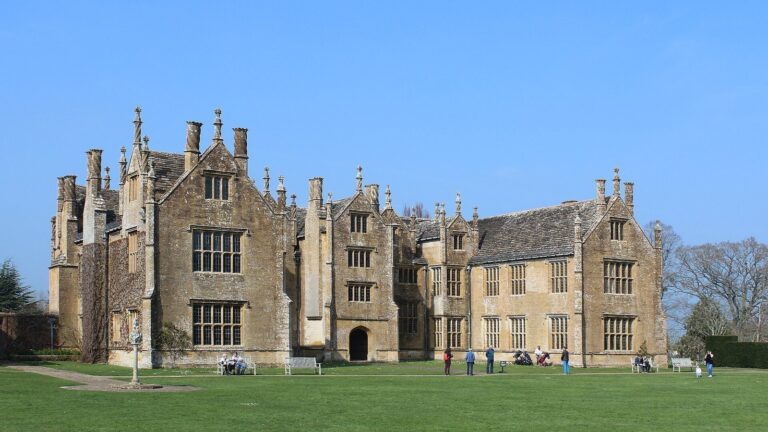
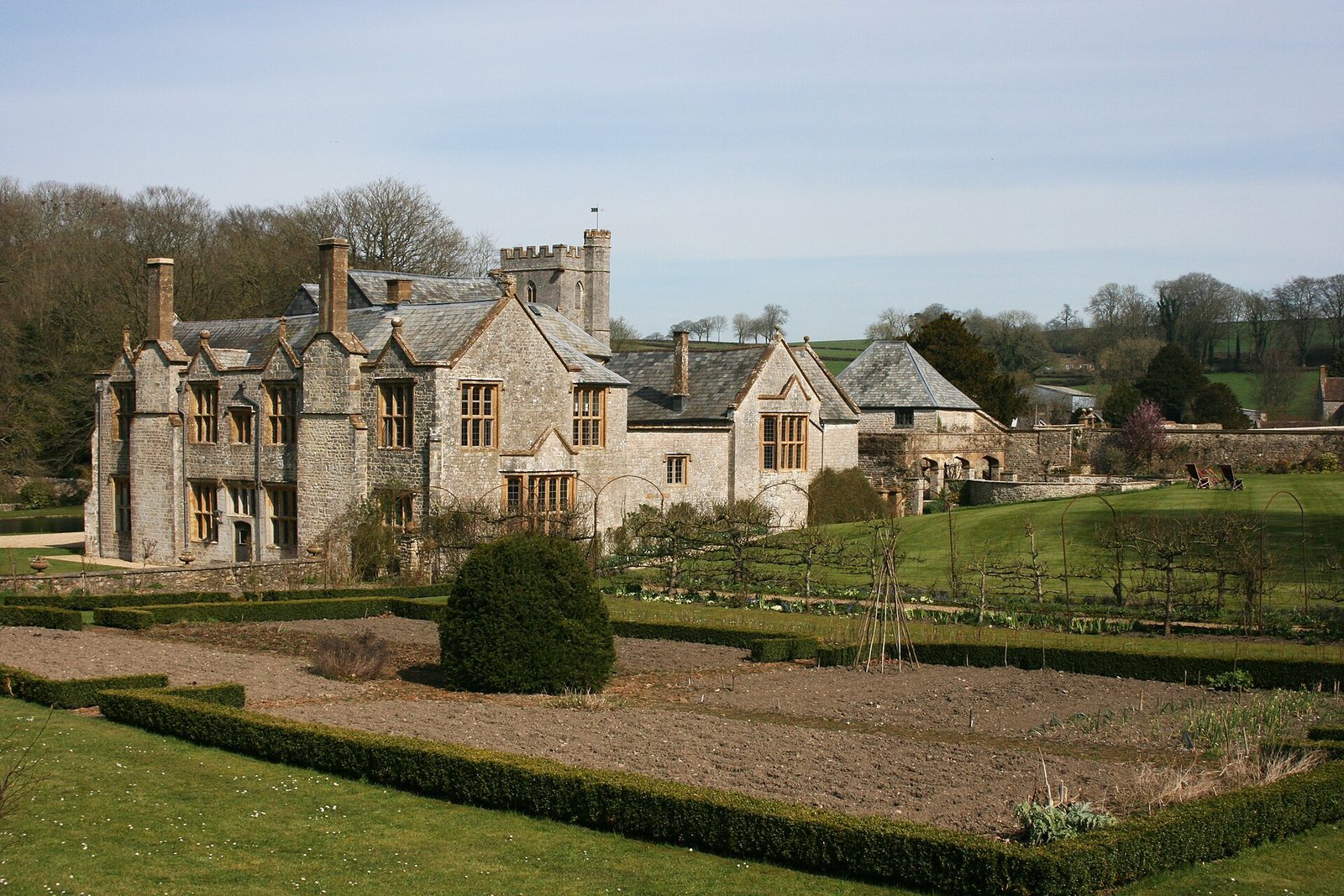
Whitestaunton Manor is a fifteenth-century hall house in the United Kingdom, a medieval home organized around a central hall. It is a Grade I listed building, a category reserved in England for buildings of exceptional interest.
Fifteenth- and sixteenth-century development
The manor’s first recorded mention dates to 1479. It was enlarged several times, including a major expansion in the 1570s.
Archaeological investigations
Excavations in the grounds took place in 1882, while Charles Elton owned the manor, and further archaeological work followed in 2003. An excavated building was designated a Scheduled Monument, a site or monument protected by law for its national importance.
Remains
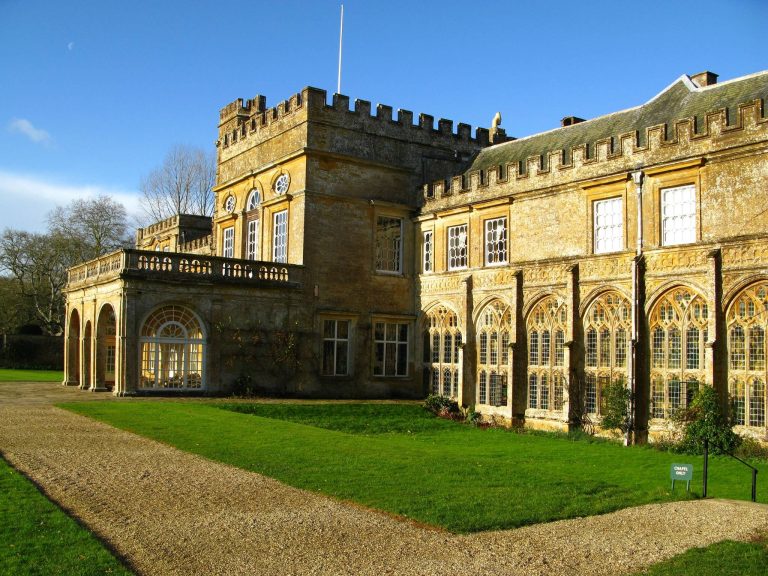
The complex includes the manor house, associated buildings, and archaeological remains in its grounds.
The manor house
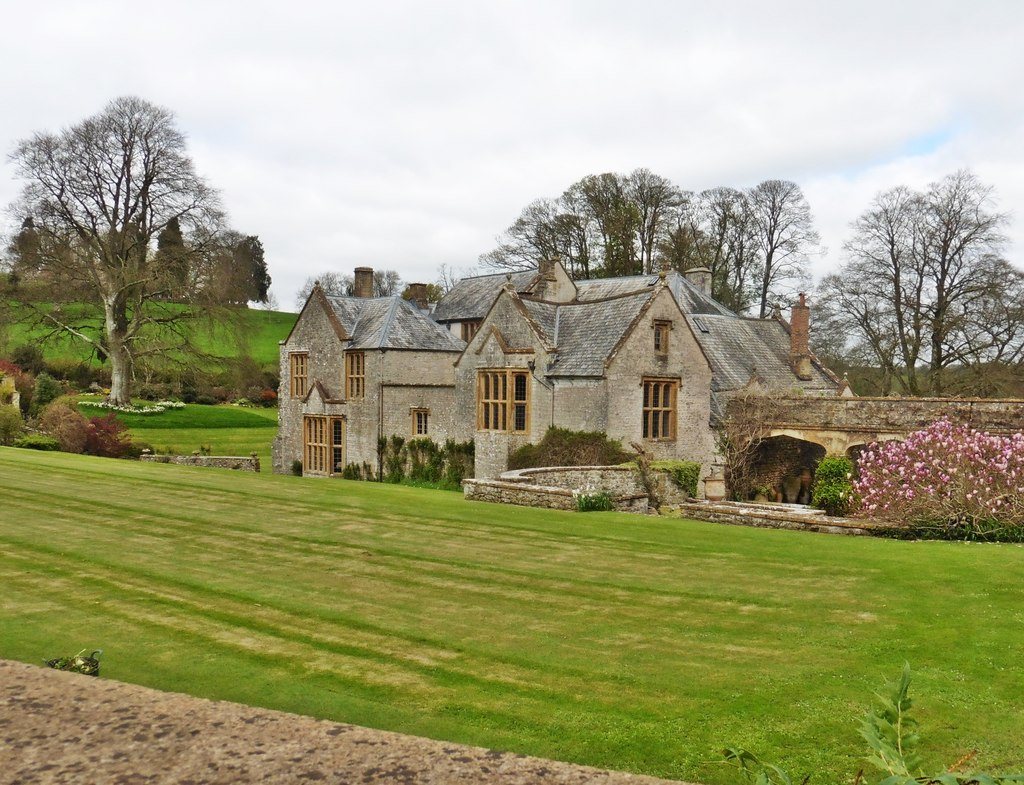
The house consists of an east-west range and two wings added later. Restoration between 2000 and 2011 uncovered a hammerbeam roof above a Georgian ceiling. This roof type uses projecting horizontal beams and braces to support the structure; its timbers date to the mid-to-late fifteenth century. Deathwatch beetle had damaged the roof. The restoration also involved removing and repairing wooden panelling damaged by deathwatch and common furniture beetles.
Associated buildings and archaeological remains
Stables and coach house
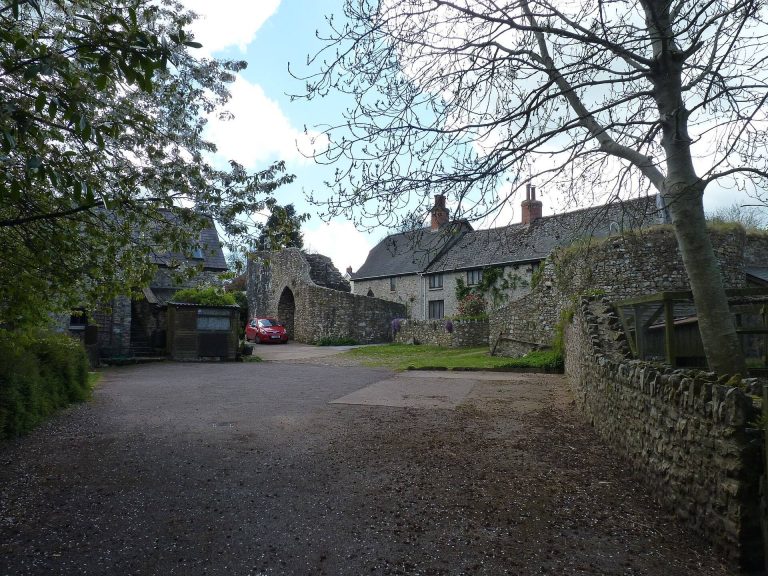
The manor’s associated stables and coach house were built in the sixteenth century.
Roman remains
One excavated building in the grounds has been interpreted as a possible Roman villa. A Roman bath house was also discovered there.