Werden Abbey: A Benedictine and Imperial Abbey in Germany
Site at a Glance
- Rating
- 4.7
- Popularity
- Low
- Country
- Germany
- Primary era
- Medieval
- External website
- Open
- Eras represented
- Medieval, Early Modern, Modern
- Civilizations
- Carolingian, Holy Roman Empire, Kingdom of Prussia
- Site type
- Religious
- Remains
- Monastery
On this page15 sections
History
Werden Abbey is a Benedictine monastery in Essen, Germany, founded around 799 by Saint Ludger, the first bishop of Münster, who became its first abbot. Its first church, dedicated to Saint Stephen, was completed in 804, while the surviving abbey church was rebuilt in the late Romanesque style between 1256 and 1275. The foundation became a major religious, economic, and political center on the Ruhr.
Foundation and Liudgerid Rule
After Ludger died in 809, the abbacy remained within his family. His brother Hildegrim I led the monastery from 809 to 827, followed by the Liudgerid abbots Gerfried, Thiatgrim, Altfried, and Hildegrim II. Werden was connected in personal union with the bishopric of Münster and later with the bishopric of Halberstadt, linking the monastery to the wider ecclesiastical organization of Saxony and Westphalia.
Under Hildegrim II, the East Frankish king Louis the Younger granted Werden royal protection, immunity, and the right to elect its abbot freely in a privilege traditionally dated to 877. When Hildegrim died, the monks elected his successor themselves in 886. This marked the monastery’s transition from a family foundation to a royal and then imperial abbey. A foundation charter attributed to Charlemagne and dated 802 later became well known, although the document is a forgery.
Land, Town, and Medieval Reform
By about 1100, Werden controlled roughly 60 principal estates and 1,150 hides, a unit of land whose area varied by region. More than 200 hides lay around Werden, while other holdings extended across the Lower Rhine, the Netherlands, Friesland, and West Saxony. The abbey also possessed the extensive estate at Friemersheim and the daughter monastery of St Ludgeri at Helmstedt. Property grew through gifts, purchases, exchanges, donations, forest clearance, and the support of the Liudgerid bishops, the Carolingian rulers, and later Saxon kings.
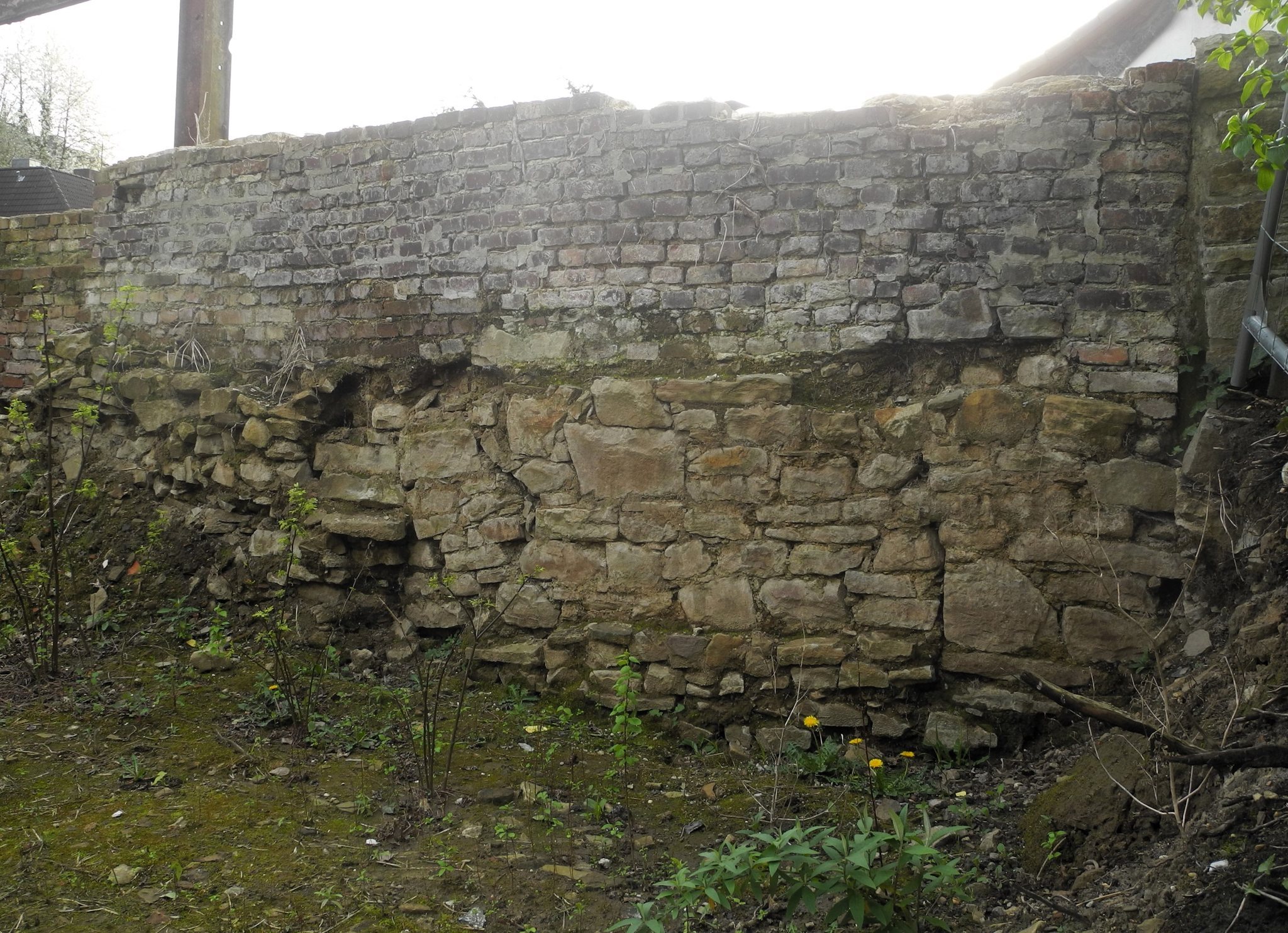
The settlement beside the monastery developed into a town of markets, merchants, and craftspeople. By the twelfth century it was described as a civitas, or organized town, and it had a wall. The abbey’s authority was gradually limited by privileges granted to the citizens and by the increasing influence of the lay advocate and the municipal council. A Vogt, or advocate, was responsible for a monastery’s military and legal interests, but the office could also give a neighboring ruler considerable power over the community.
Werden’s estates declined over time through sales and lost income. The Frisian possessions were sold in 1282, and later sales helped pay for an increasingly costly way of life. The community also changed internally. Originally aristocratic and concerned with educating or supporting noble families, it came under the influence of the Gorze Reform around 1015 and of the Cluniac reform during the second quarter of the twelfth century. These movements sought stronger discipline, communal observance, and greater institutional independence.
During the thirteenth and fourteenth centuries, the community became increasingly secular in its organization. Monks held private property, sometimes lived in separate houses, and followed a canonical rather than strictly monastic way of life. The foundation was described as a collegiate institution, and the number of monks fell. Financial difficulties, the accumulation of offices, delegated administration, the use of secular clergy for worship, and the loss of property weakened the abbey further.
The Bursfeld Congregation, a late-medieval network of reformed Benedictine monasteries, introduced reform at Werden in 1474. The Cologne abbot Adam Meyer administered the abbey from 1474 to 1477 and stabilized it. Under Abbots Dietrich Hagedorn and Antonius Grimholt, the institutional basis for its continued existence was restored. Thereafter, abbots generally came from bourgeois families, the number of noble monks was restricted, and visitations became more frequent. Werden later helped reform other monasteries by supplying monks and abbots.
Territorial Power and Religious Conflict
Werden’s political position was repeatedly challenged by neighboring rulers. The counts of Berg, the counts of Altena and Isenberg, the archbishops of Cologne, and the counts and later dukes of Mark all exercised or claimed advocacy rights. After the Battle of Worringen in 1288, Werden increasingly aligned itself with the counts of Mark, who thereafter held de facto advocacy rights.
In 1609 the Protestant Elector Ernest of Brandenburg acquired the advocacy. The transfer of protection to a Protestant power intensified the religious and political tensions created by the Reformation. In 1547, Abbot Hermann of Holten moved important treasures from the Helmstedt monastery to Werden to protect them from Protestant iconoclasm, including the Helmstedt Cross and the chalice associated with Saint Ludger.
During the Thirty Years’ War, the conflict that divided much of Europe through warfare between Catholic and Protestant powers, Abbot Hugo Preutaeus also held the title of Imperial General War Commissary and preserved the Catholic community. From the second half of the seventeenth century, the Protestant Brandenburg advocate and the Catholic abbot shared power over the territory.
Imperial Abbey and Secularization
In the early modern period, Werden was an imperial abbey within the Lower Rhenish-Westphalian Imperial Circle. An imperial abbey was directly subject to the king or emperor rather than to an intervening territorial lord. Its abbot held a seat in the Imperial Diet through the Rhenish College of Imperial Prelates and became the college’s director in 1653. Werden never achieved complete exemption from the authority of the archbishop of Cologne, although it acquired a small territory between Kettwig, Heisingen, Bredeney, and Heidhausen.
The eighteenth century brought renewed economic activity. Baroque rebuilding, textile manufacture, and coal mining shaped the abbey’s economy under Abbots Coelestin von Geismar, Benedikt von Geismar, and Anselm Sonius. The abbey and its territory were secularized in 1803 under the Reichsdeputationshauptschluss, the imperial settlement that transferred many church territories to secular states, and were assigned to Prussia. The territory became part of the Grand Duchy of Berg in 1808 and returned to Prussia in 1815 as part of the Rhine Province.
After secularization, the abbey church became a parish church. Werden was incorporated into the city of Essen in 1929. Since 1945, the former abbey buildings have housed the main site of the Folkwang University of the Arts. A fire damaged the east wing in February 2008, after which the treasury was reopened.
Remains
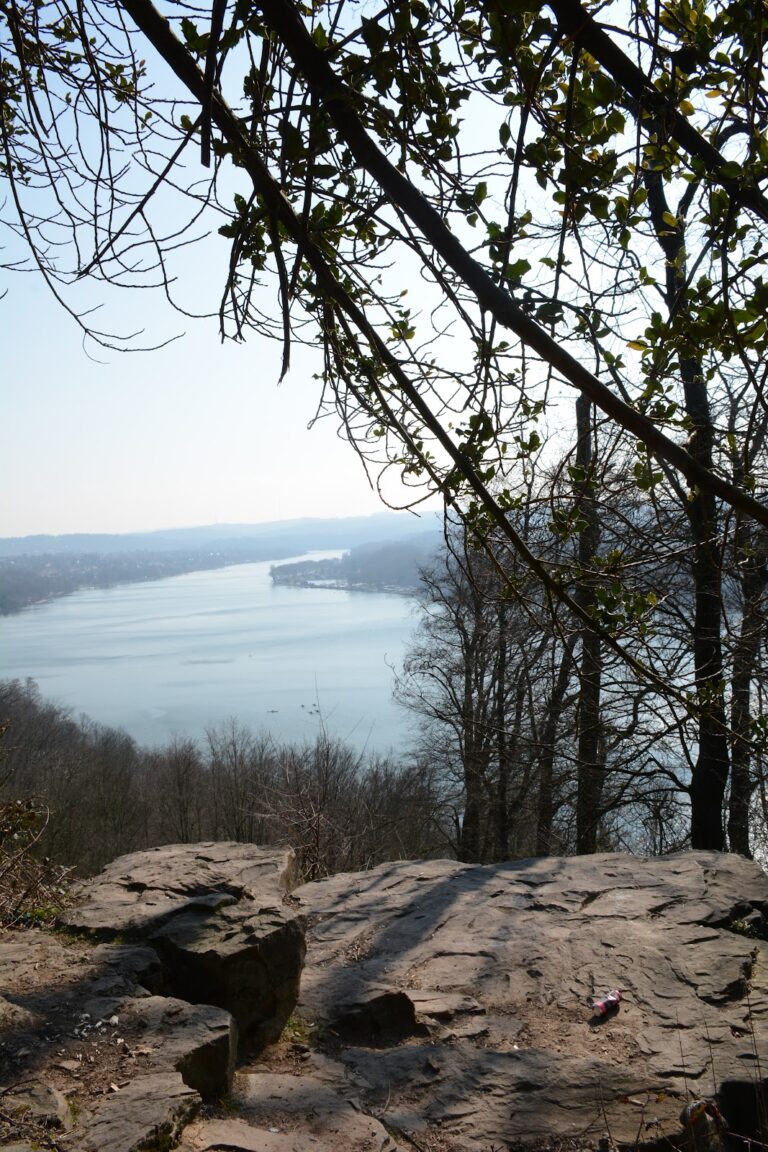
Werden Abbey stands on the left bank of the Ruhr, on an expanded flood-free valley floor leading into a side valley crossed by streams including the Klemensborn. The Ruhr runs here approximately north to south, and the crossing connected the abbey with routes associated with the medieval north-south Cologne Road and the east-west Hellweg. The Lower Berg hills rise south and east of the site to more than 140 metres above sea level. This position shaped the abbey’s connections with regional roads and the territory around it.
Church and Sacred Treasures
Abbey Church
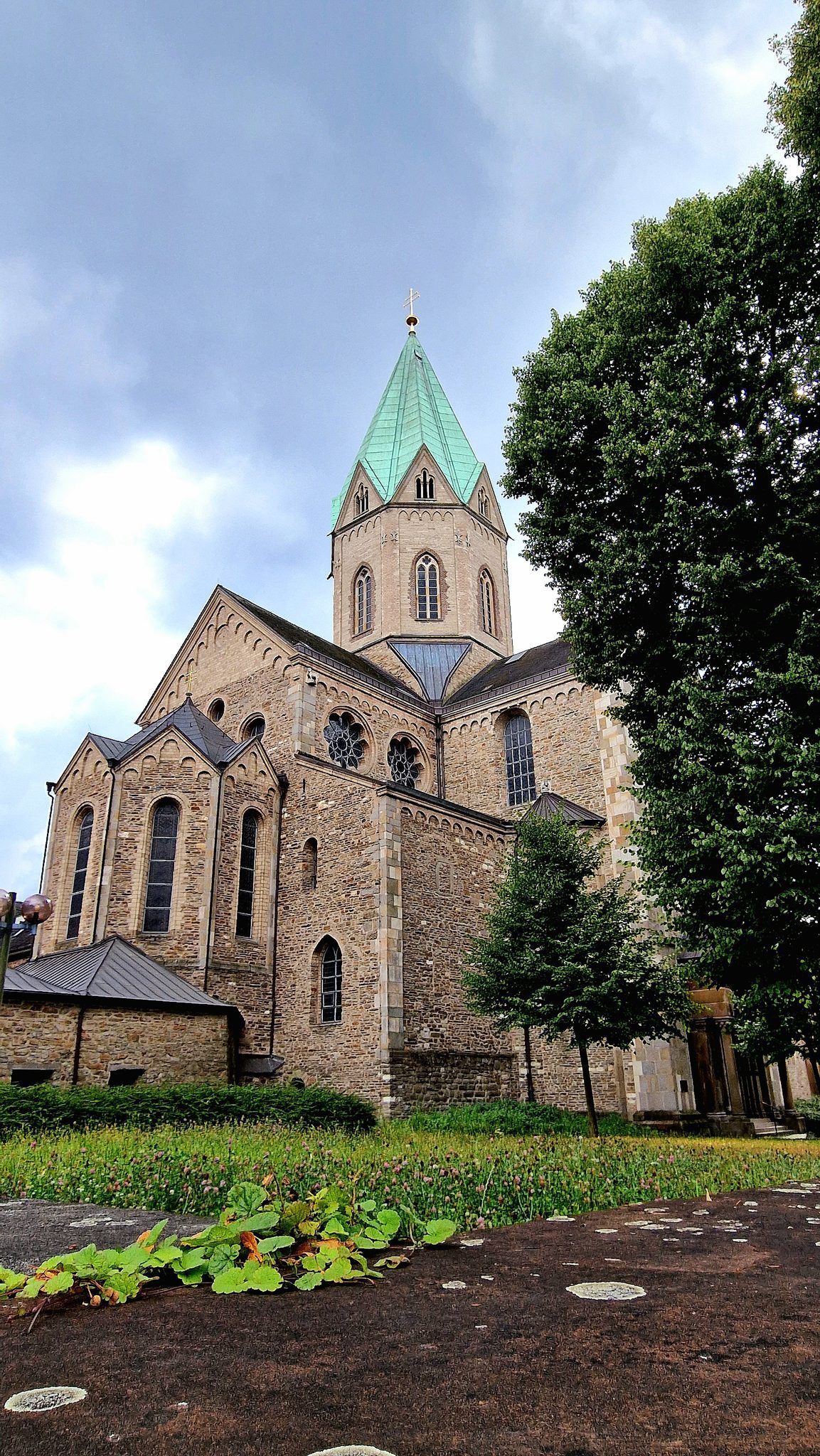
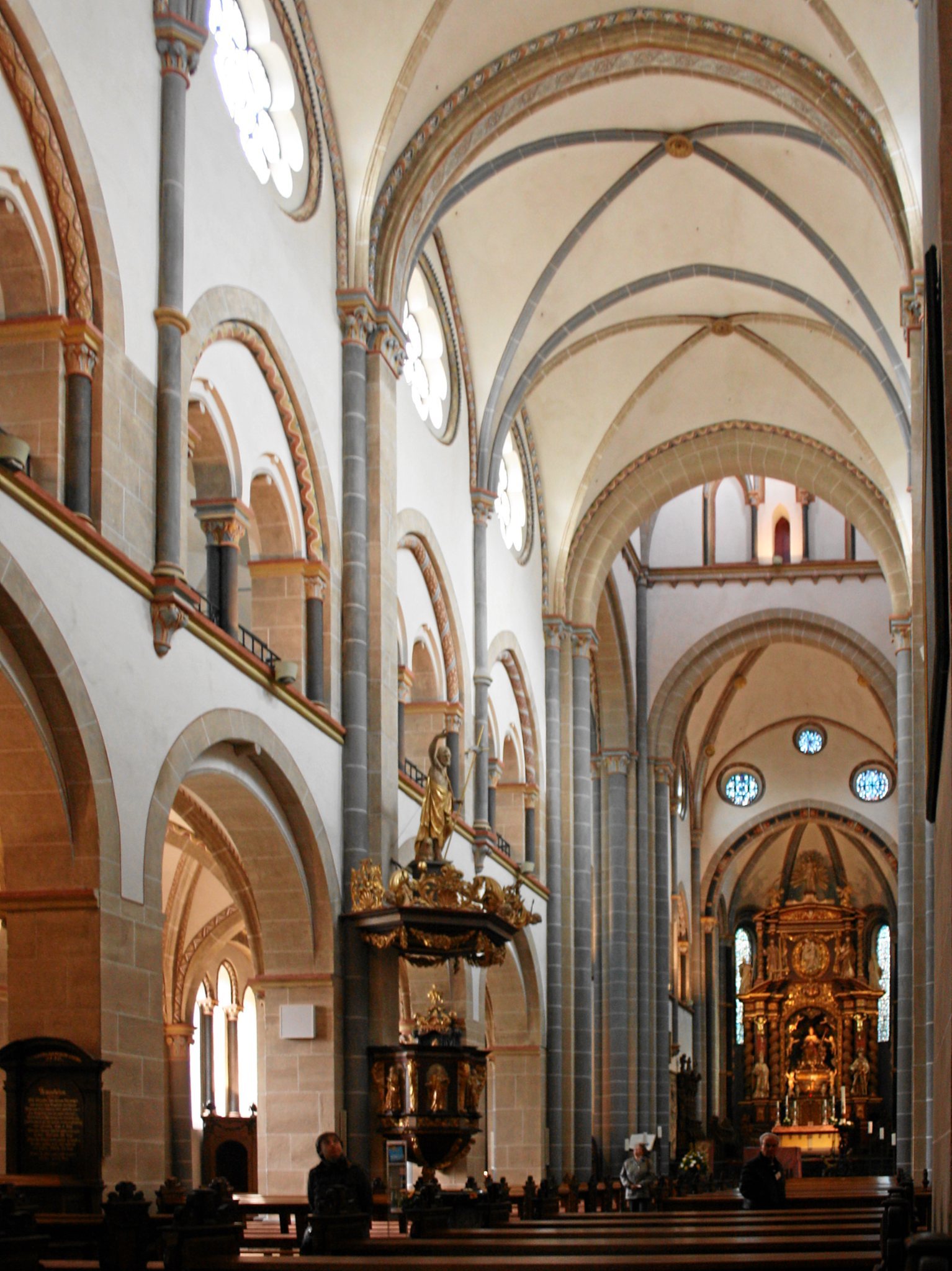
The first abbey church was built with the monastery around 799. Ludger’s small church was dedicated to Saint Stephen and completed in 804 before later taking the dedication of Saint Ludger. After several major fires, the church was rebuilt between 1256 and 1275 in the late Romanesque, also called Rhenish transitional, style. It was reconsecrated in 1275 and now contains a Baroque high altar and paintings by the Werden painter Theodor Mintrop. Since 1993 it has held the title of papal minor basilica.
Crypts
A Carolingian ring crypt, arranged around the central space beneath the church, contains the burial remains of Saint Ludger. An adjoining external crypt, known as the Liudgerid Crypt, contains the remains of members of the Liudgerid family. Together, the crypts preserve the connection between the church and the family that shaped Werden’s earliest history.
Treasury
The attached treasury contains the Helmstedt Cross, a work dated to about 1060 that marks the transition from Ottonian to Romanesque sculpture. It also preserves the Ludgerus Shrine, a Baroque reliquary shrine designed to contain and display a saint’s remains or relics. The shrine is used annually in the Ludgerus procession.
Abbey Buildings and Written Records
Former Abbey Complex
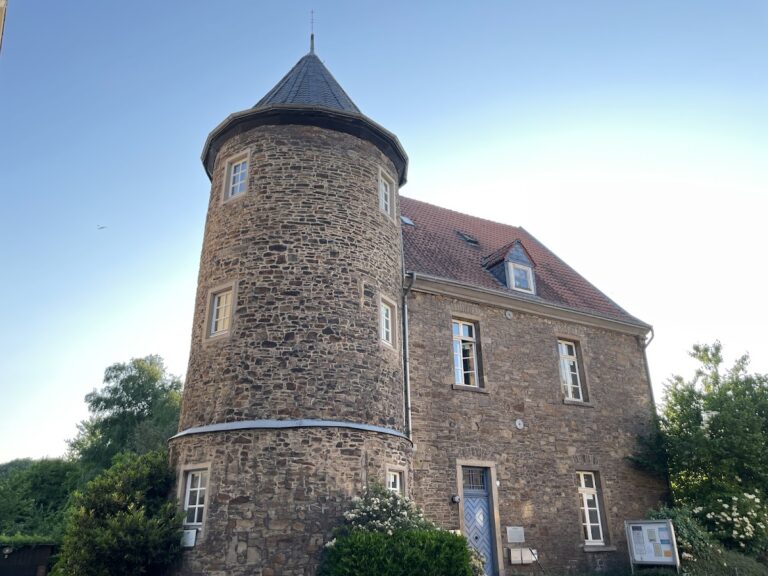
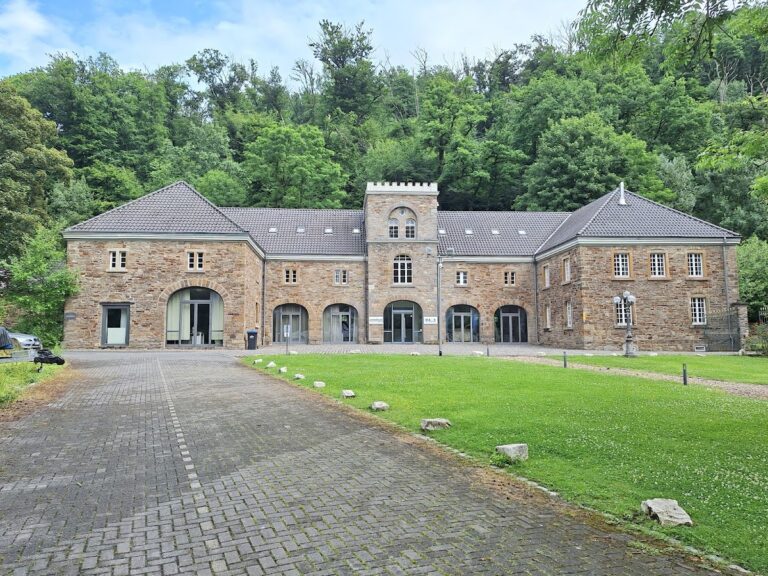
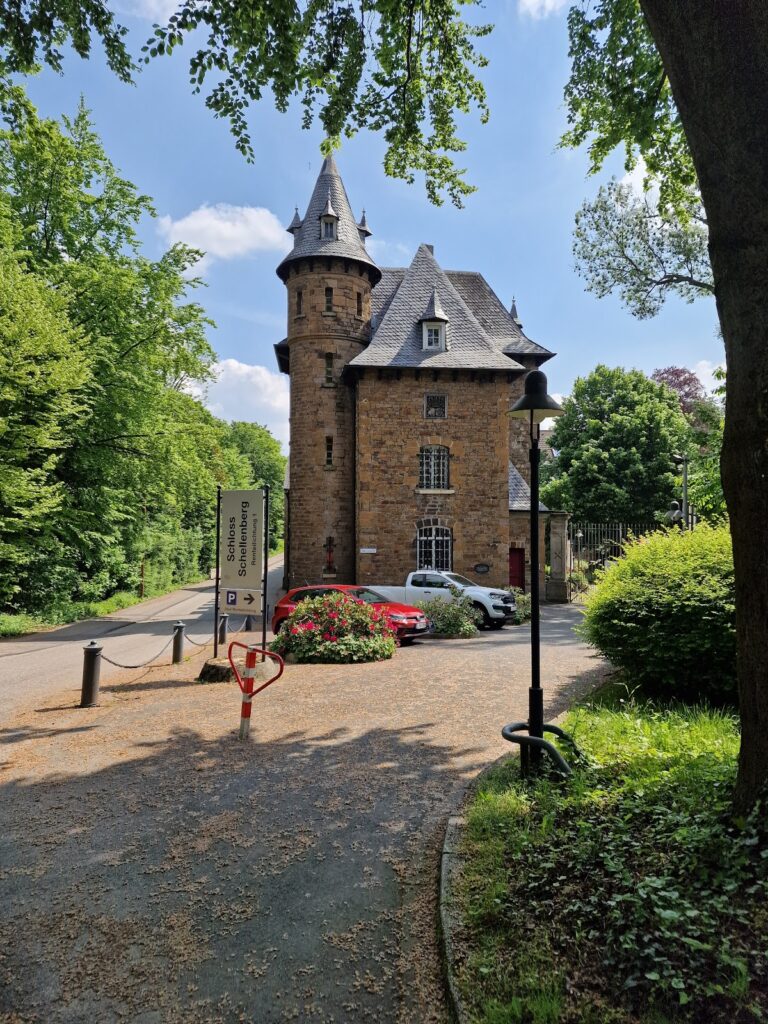
The former abbey complex includes a gatehouse at the entrance to the courtyard, a Baroque main building, and the nineteenth-century building known as the Prussian Wing. The latter is now associated with the Folkwang University of the Arts. These structures preserve the layered development of the monastery after its medieval rebuilding and its later transformation into a secular institution.
Urbar A
The oldest Werden land register, Urbar A, began before 900. It contains 39 parchment leaves, smaller slips, and later additions, bound in leather. The leaves measure approximately 15.5 to 18.5 by 24 centimetres. Its earliest handwriting dates from around 900, while entries continued to be added in later centuries.
Urbar A lists estates, rights, services, dues, donations, and dependent people in Werden, Westphalia, East Frisia, the Netherlands, and the area around Helmstedt. Its entries include Friemersheim, Lüdinghausen, Friesland, the Ems delta, and many Westphalian estates. The register preserves Latin and Old Saxon material and was assembled from several originally independent registers. Property lists and collection records were supplemented by corrections, additions, extracts, and marginal notes, while the exact origin of every section remains uncertain.
Urbar B
Urbar B continued Urbar A and was used for approximately 150 years. It consists of gatherings, individual leaves, and slips concerning abbey property around Werden, in Westphalia, East and West Frisia, the Netherlands, and Helmstedt. Its entries also cover services, dues, accommodation rights, provisions for monks, and administrative obligations.
Seals
Werden’s medieval seals portray Saint Ludger in several forms. The earliest surviving type shows him without a headdress or attributes. Later seals represent him with a crozier, an open book, episcopal insignia, and a model of a church. A chapter seal also displays the Werden shield with its cross emblem.