Wasmer-Palais: A Baroque Urban Palace in Glückstadt
Site at a Glance
- Popularity
- Medium
- Country
- Germany
- Primary era
- Early Modern
- Eras represented
- Early Modern
- Civilizations
- Danish, Holy Roman Empire
- Site type
- Civic
- Remains
- Palace
On this page6 sections
History
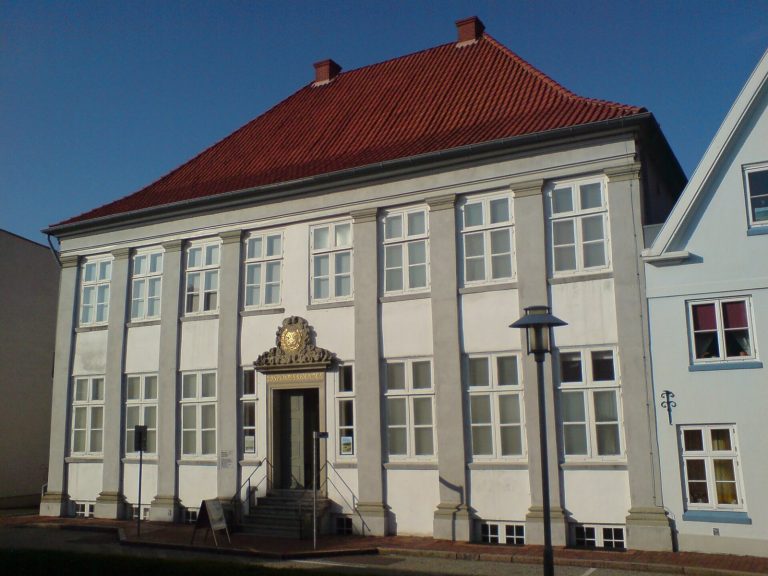
The Wasmer-Palais is a Baroque urban palace in Glückstadt, Germany, built in stages from 1700 to 1728 as a residence for the Wasmer family. Its later use for Danish government and regional justice gave the private residence a wider public role.
Residence and royal administration
The palace housed conference councillors Conrad Wasmer (1627–1705) and Jacob Johann von Wasmer (1671–1741), senior council officials, as well as Jacob’s wife, Anna Johanna, née von Rosenschild (1683–1751). In 1752, it was bought at auction for Frederick V, king of Denmark and Norway, and became the government chancellery’s seat. The chancellery had been based since 1700 at Palais Quasi non Possidentes. An apartment was also prepared for possible visits by members of the Danish royal family. Glückstadt Castle had been demolished in 1710 after falling into disrepair.
High court and later uses
In 1806, the Wasmer-Palais became the home of the Holstein High Court, the region’s highest administrative and judicial authority. After the Second Battle of Copenhagen, Denmark declared war on England at the palace on 31 October 1807. The building was then the seat of the highest Danish authority that remained intact.
The palace became a boys’ school in 1876 and now houses the local adult-education centre and music school. After deterioration that included façade damage and fungal infestation, a comprehensive restoration began in 2008 and was completed in 2009.
Remains
Exterior and courtyard
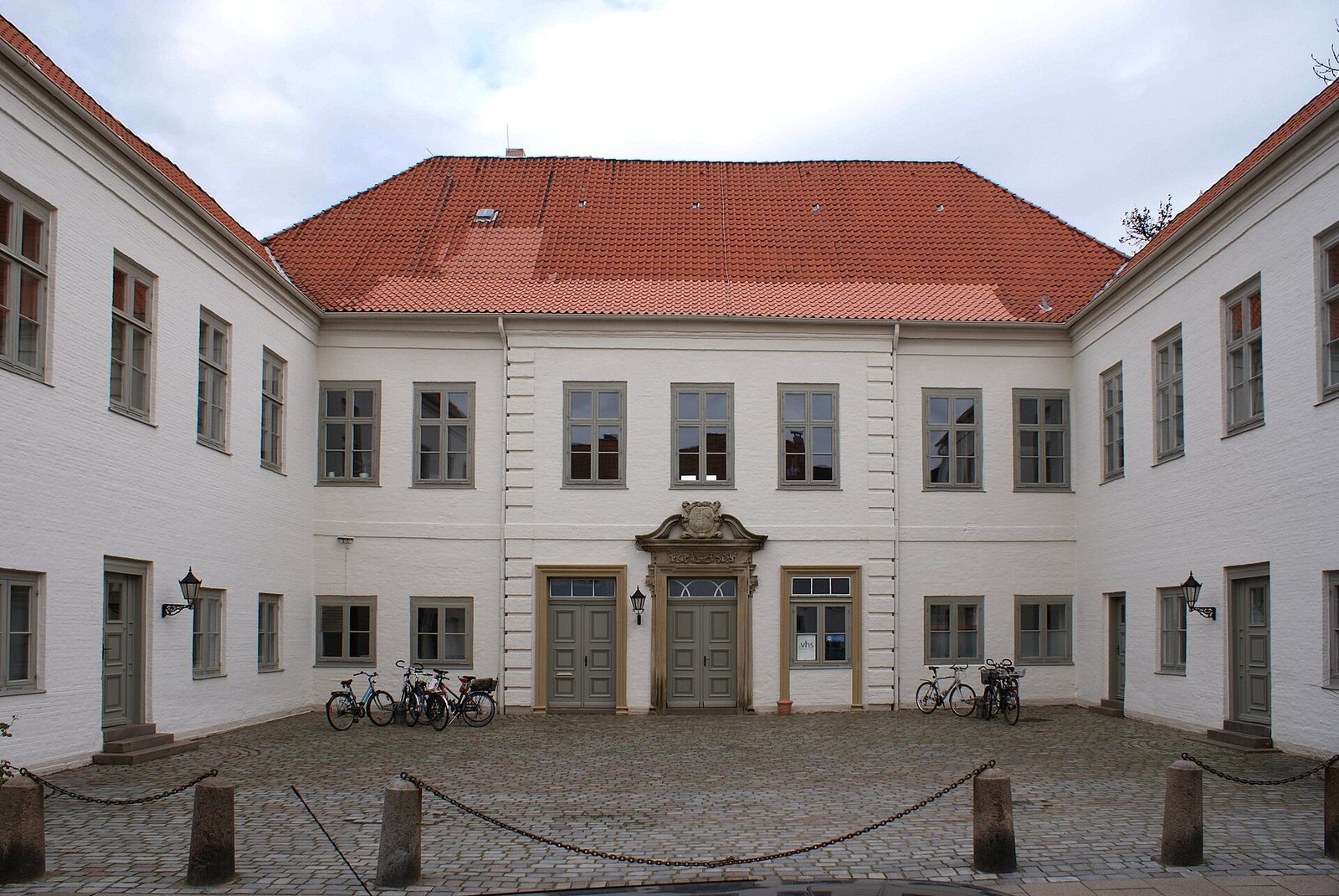
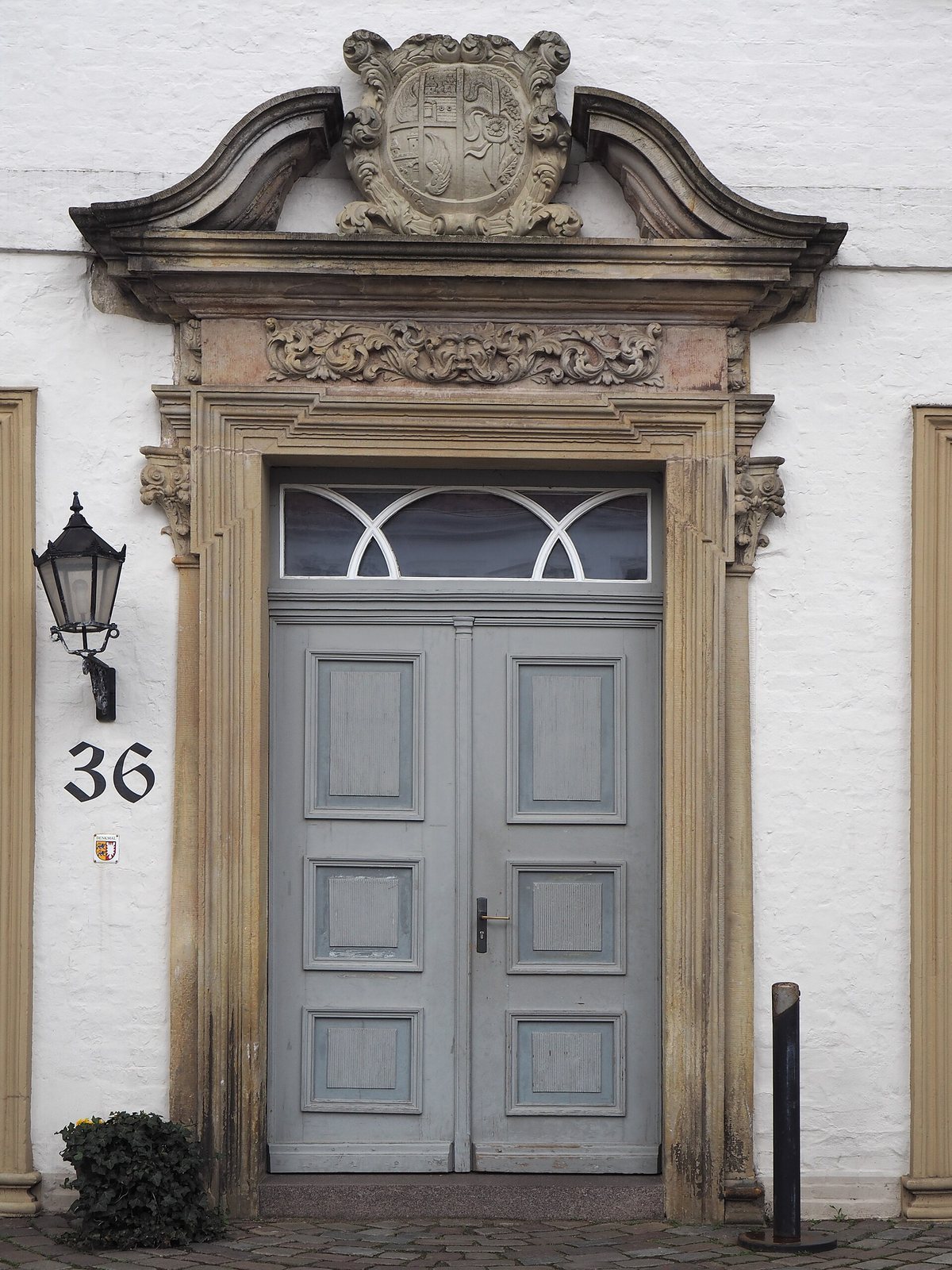
The palace is formed by three plastered brick wings. Its central main wing is somewhat older than the two side wings, which enclose a small courtyard of honor. The entrance doorway is decorated with a framed heraldic panel displaying the building patron’s coat of arms. Alongside the Brockdorff-Palais, the Wasmer-Palais is regarded as one of Glückstadt’s most significant secular buildings.
Interior decoration
From 1728 to 1729, Andrea Maini of Arogno, a specialist in ornamental stucco work, decorated the interior in the Louis XIV style, the French artistic and decorative fashion associated with that king’s reign. The palace’s principal room is a large reception hall on the upper floor.