Wartenberg Castle: A Former Hilltop Palace and Estate in Germany
Site at a Glance
- Rating
- 4.8
- Popularity
- Low
- Country
- Germany
- Primary era
- Early Modern
- Eras represented
- Medieval, Early Modern
- Civilizations
- Holy Roman Empire
- Site type
- Domestic
- Remains
- Elite Residence
On this page7 sections
History
Upper Castle and Fürstenberg Ownership
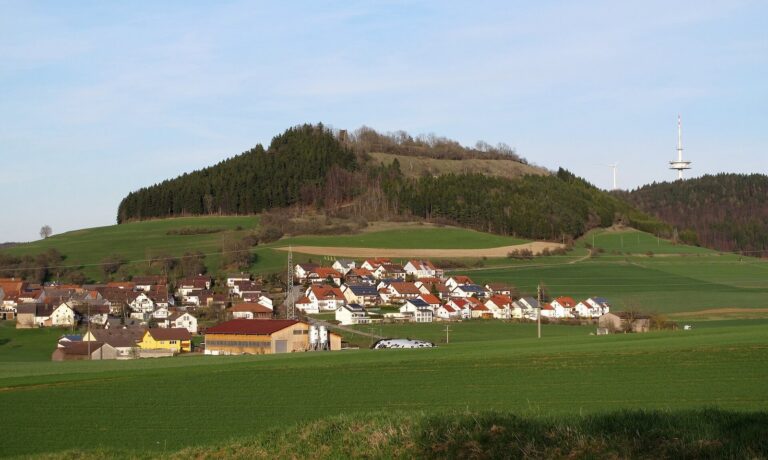
Wartenberg Castle is a hilltop castle complex on Wartenberg in Tuttlingen district, Baden-Württemberg, Germany. The upper castle passed from the Barons of Wartenberg to the Fürstenberg family. In 1459, Count Heinrich IV of Fürstenberg renovated the complex, which remained defensible around 1700.
Pleasure Palace, Garden, and Settlement
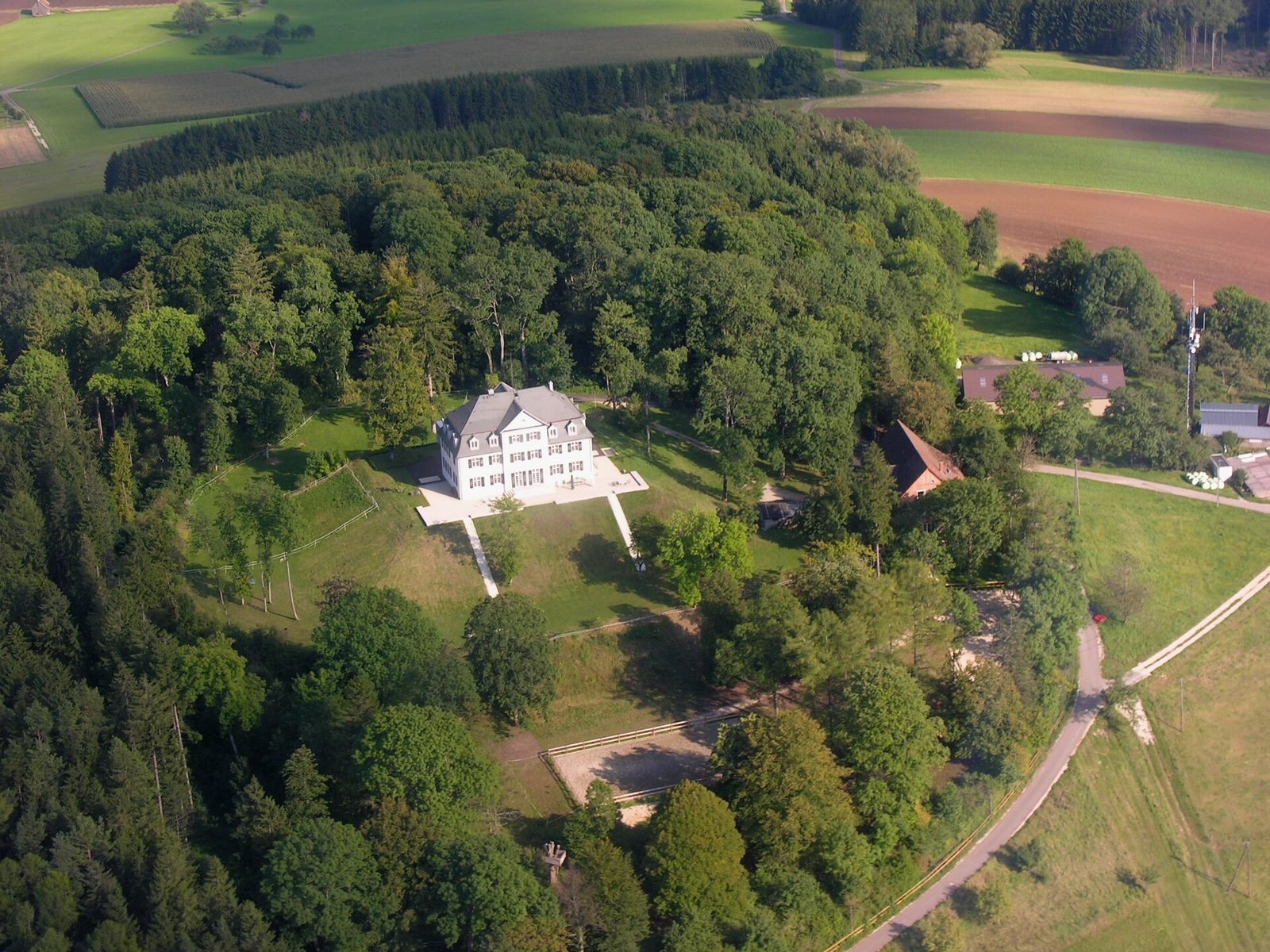
In 1780, Prince Josef Wenzel zu Fürstenberg granted the castle and Wartenberg estate to Leopold von Lassolaye, his senior court adviser and Chamber President, an official who headed an administrative chamber. Lassolaye built a three-storey pleasure palace on the upper-castle site. In 1783, Prince Joseph Maria Benedikt zu Fürstenberg bought the estate back. He laid out an English garden, a landscape designed to look natural rather than formally geometric, on the eastern slope and established the Dreilärchen farming colony for seven settlers. After Joseph Maria Benedikt’s death, the castle passed to his brother, Prince Karl Joachim zu Fürstenberg, in 1796.
War and Later Use
During the Napoleonic Wars, the castle was plundered and the garden badly damaged. Under French general Jean-Victor Moreau, most buildings in the Dreilärchen settlement were burned. Around 1850, an inn opened in the castle’s lower rooms. The upper floor served partly as a tenant’s residence and partly as accommodation for the Fürstenberg hunting household. Wartenberg is now a protected landscape area, and the Black Forest Association cares for the hill and hermitage.
Remains
The castle complex occupies the hill, with the garden laid out along its eastern slope. The later palace was built on the site of the upper castle.
Upper Castle and Palace
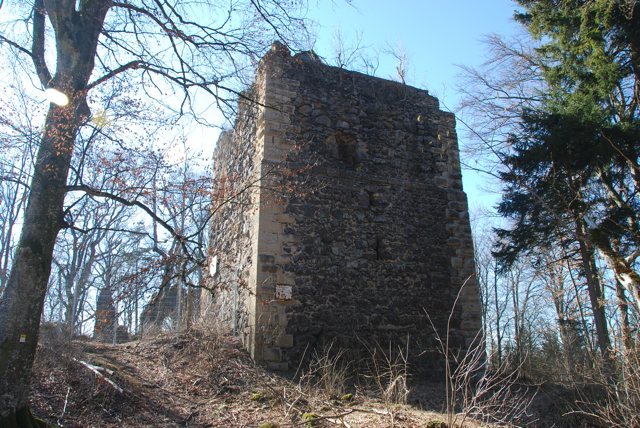
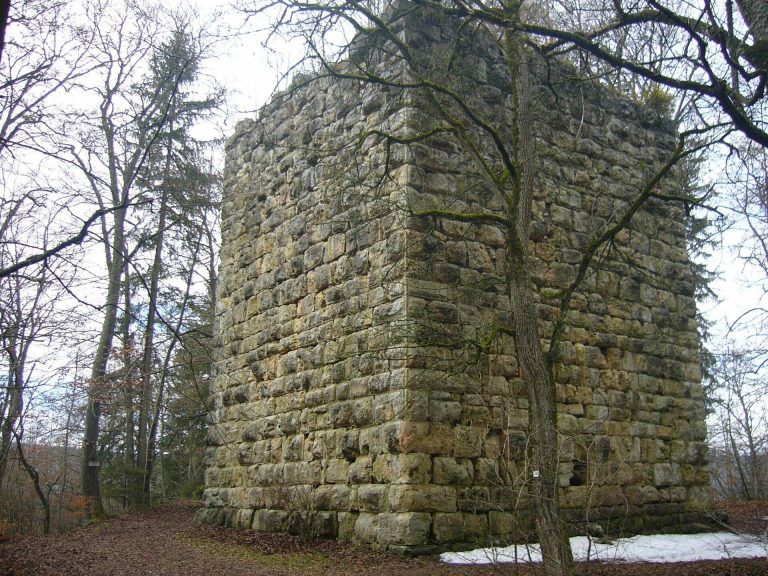
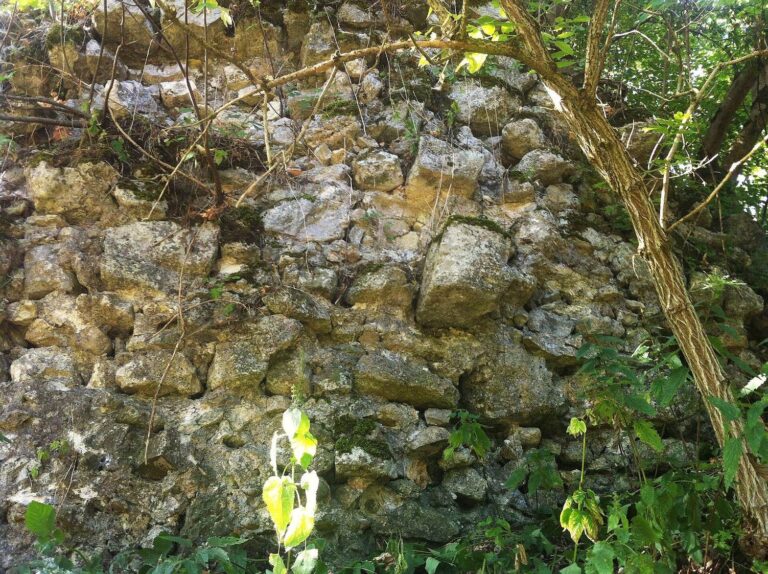
The earlier fortification included a large residential tower, a moat, and an enclosing wall made from locally found basalt. Some foundation walls of the upper castle remained when the palace was built. The palace had three storeys and a mansard roof, with two slopes on each side and a steeper lower slope.
Garden
The garden on the eastern slope included statues, a temple, a hermitage, and other architectural and sculptural works. A hermitage is a retreat associated with solitary religious life.